

 Capacity BuildingClimate changeStrategy 1. Resilient farmsStrategy 2. Sustainables territoriesAdaptativeTechnological-Organizational-InstitutionalFamily agriculturePoliciesRural ExtensionGas emissionClimate smart agricultureCapacity building
 2014
2014 Closed
Climate change will affect large areas of Latin America and the Caribbean (LAC), mainly due to rising temperatures, variations in rainfall intensity and frequency, which will have an effect on productivity and the appearance of new pests and diseases. Those most affected will be family farmers, who represent the majority of producers. On the other hand, it is estimated that in the next 30 years the demand for food will increase due to population increase, income improvements and urbanization. Additionally, LAC is a net food exporter and is estimated to contribute increasingly to the global demand for food.
The effects will be different according to the subregions of the continent, with Mesoamerica, the Andean region and the Northeast of Brazil being the most affected. To meet these challenges, FONTAGRO, the Global Environment Facility (GEF), and the IDB established a regional project. Its objective was to promote the development and transfer of appropriate technologies that contribute to reducing vulnerability to climate change in the agricultural sector. The project had the following components: strengthening of regional networks in environmentally sound technologies, piloting technology transfer mechanisms, and leveraging public and private investments.
The project worked with a large number of national, regional and international agricultural research and innovation institutions, as well as with universities, non-governmental and private sector organizations, farmers associations and development agencies. The stated objectives were fully fulfilled and additional results were achieved thanks to the establishment of strong and broad partnerships.
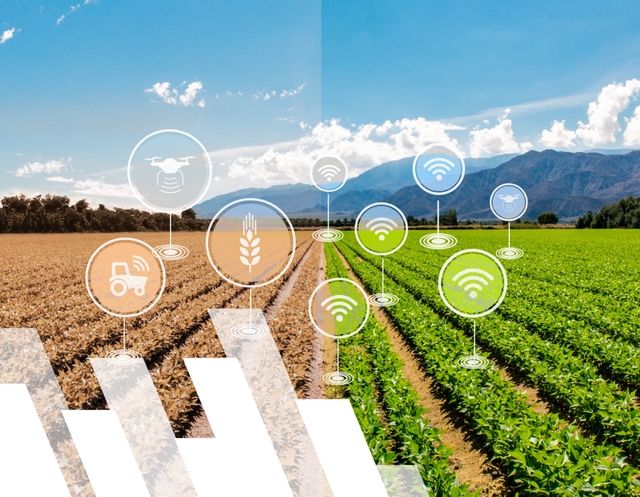
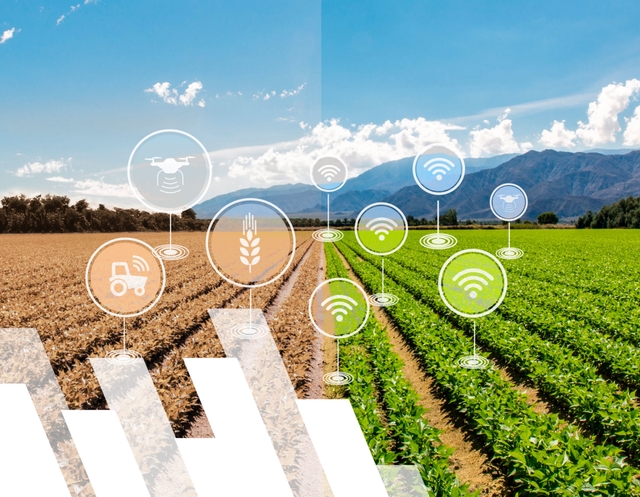
Agtech: Innovation options for climate change adaptation in Central America and the Dominican Republic
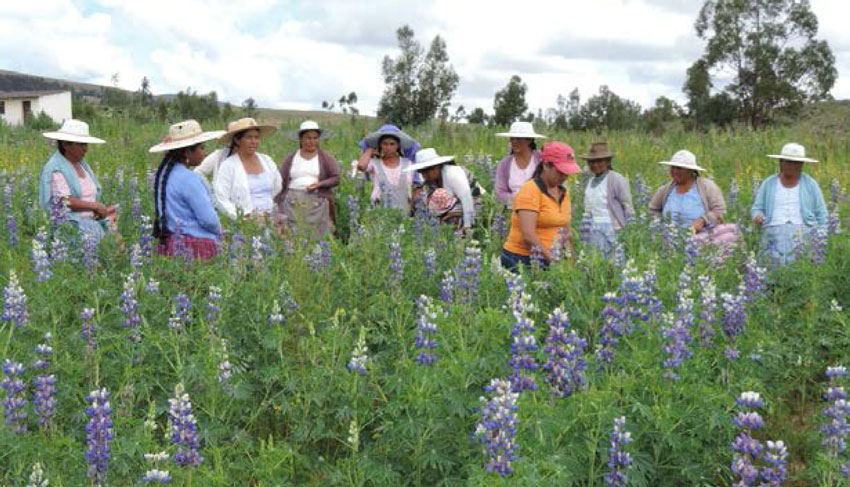
Lupine: rediscovering its origins, trajectory and future potential
Agroforestry in the Dominican Republic
Adaptation of agriculture to climate change in LAC
Improving agricultural productivity in the Dry Corridor of Nicaragua
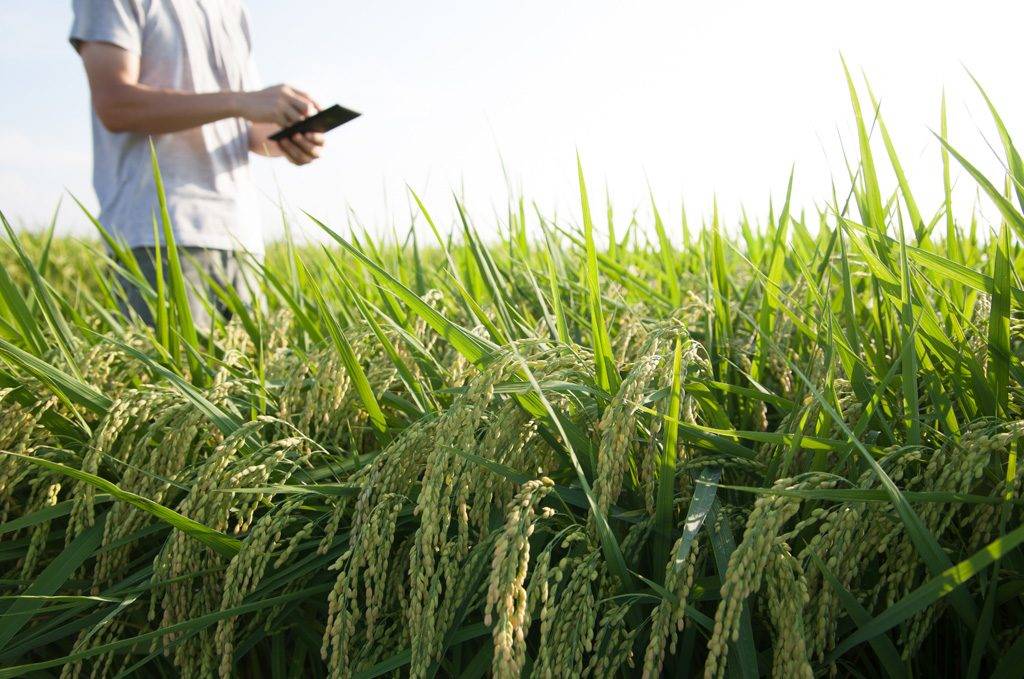
Improving rice productivity in Panama: scaling-up of the SICA method
Climate technology transfer: regional mechanisms and networks
Climate Technology Transfer Mechanisms and Networks in LAC
Improving rice productivity in Panama: scaling-up of the SICA method
Climate technology transfer: regional mechanisms and networks
Mecanismos y redes de transferencia de tecnología climática en ALC
The tangible impact of science and technology in the field
Sponsors


With the support of

It is estimated that more than 1,000 scientists, professionals, policy makers, producers and entrepreneurs from more than 25 countries have benefited. Through the training offered in the different projects more than 6,300 family farmers and technicians benefited.
Indirectly, it is estimated that more than 30,000 people will potentially benefit including scientists, professionals, policy makers, producers and entrepreneurs in the region.
This project actively contributes to achieving the Sustainable Development Goals, promoting more equitable, resilient, and sustainable regional development.




 Impact
 Initiatives
 Dashboard
 Alliances
 Impact
 Initiatives
 Dashboard
 Alliances


.jpg&w=384&q=75)