 Impact
 Initiatives
 Dashboard
 Alliances

 Impact
 Initiatives
 Dashboard
 Alliances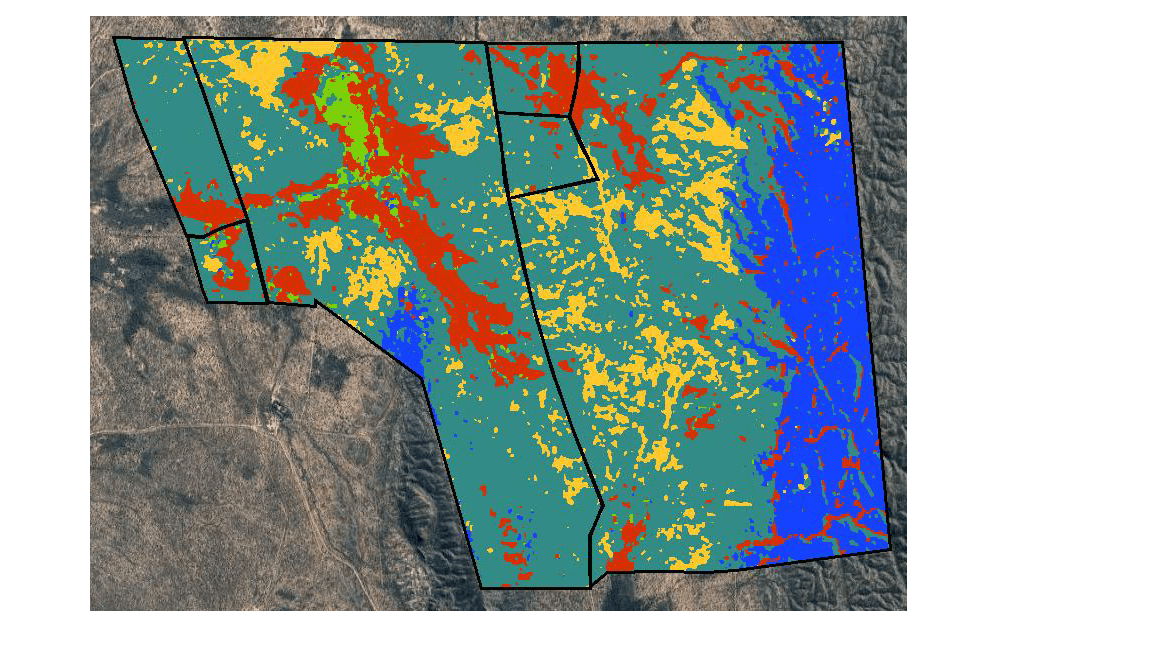

 Technological
LA RIOJA (Argentina) — Producing beef in arid environments is a challenge currently being addressed with cutting-edge science. The "Loma Verde" ranch, located in the Juan Facundo Quiroga Department, has become a reference model within the project "More calves, less methane," an initiative promoted by FONTAGRO and funded by the Global Methane Hub (GMH).
This project seeks to transform traditional ranching through forage planning that not only improves production indices but also reduces greenhouse gas emissions through more efficient ecosystem management.
The Satellite as a Grassland Ally
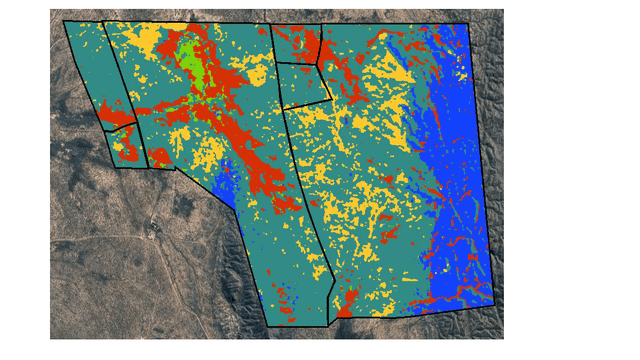
Through collaborative work between INTA specialists and producers José and Matías Lucero, a forage diagnosis was designed using SENTINEL II and MODIS satellite imagery. This technology allowed for the mapping of the ranch's 2,049 hectares and the identification of 5 key forage sites, highlighting the "Bajos" (lowlands) and "Algarrobo forests" as the most productive areas.
Planning with "Reliable Rainfall"
Given that productivity in Los Llanos is extremely variable, the technical team—comprised of Eduardo Olmos, Luis Guzmán, Matías López, and Juan Agüero—applied the concept of "reliable rainfall". Instead of producing based on a year of abundant rains, livestock carrying capacity was calculated based on the production the land can guarantee 75% of the years (620 kg/ha/year).
Management Keys: More Calves, Less Methane
The management proposal for "Loma Verde" is structured under technical principles that optimize the animal's biological cycle and soil rest:
Conservative Stocking Rate: A sustainable scheme of 65 cows and 7 bulls was defined, providing flexibility to face droughts without degrading the resource.
Rotation and Rest (12/12 System): The ranch alternates 12 months of grazing and 12 months of total rest between its main paddocks, ensuring the recovery of native grasses.
Precision Maternity: Small paddocks are used for calving and synchronization, keeping cows there until the calf is between 30 and 45 days old. This reduces calf loss and improves herd efficiency.
Service Control: Bulls are kept separate from cows for 9 months of the year, allowing for differentiated nutritional management and strict birth control.
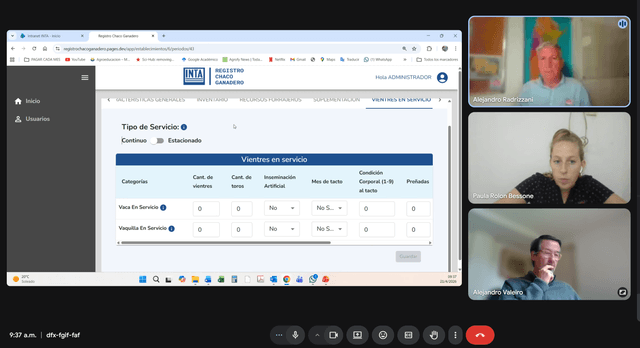
Real-Time Monitoring: Transparency is key to this project. Monthly productivity data from 2001 to the present are available on an interactive platform: Loma Verde Forage Monitoring.
Infrastructure and a Sustainable Future
To consolidate this model, the establishment plans strategic investments in infrastructure, including reinforcing fences to guarantee rotations and aqueduct works to optimize water access in the reserve paddocks.
With the project's support, "Loma Verde" demonstrates that ranching in arid zones can be a powerful tool for food security and climate change mitigation, proving it is possible to produce more calves with a lower environmental impact.
Work Team:
INTA: Eduardo Olmos, Luis Guzmán, Matías López, and Juan Agüero.
Loma Verde Establishment: José Lucero and Matías Lucero.
Funding: Project "Gran Chaco Ganadero: more calves, less methane" (GMH / FONTAGRO)