Rice cultivation in the tropical belt of Latin America presents challenges and complexities due to the economic structure (subsidies, fixed prices), the environment (climate change, water use and agrochemicals), low productivity and social structure (dominated by small producers). In this context, it is difficult for these countries to compete with the high rice productivity achieved in the Southern Cone countries or North America. The SRI system -with appropriate adaptations- can be an alternative considering its advantages of lower use of inputs, savings in irrigation water and better yields.
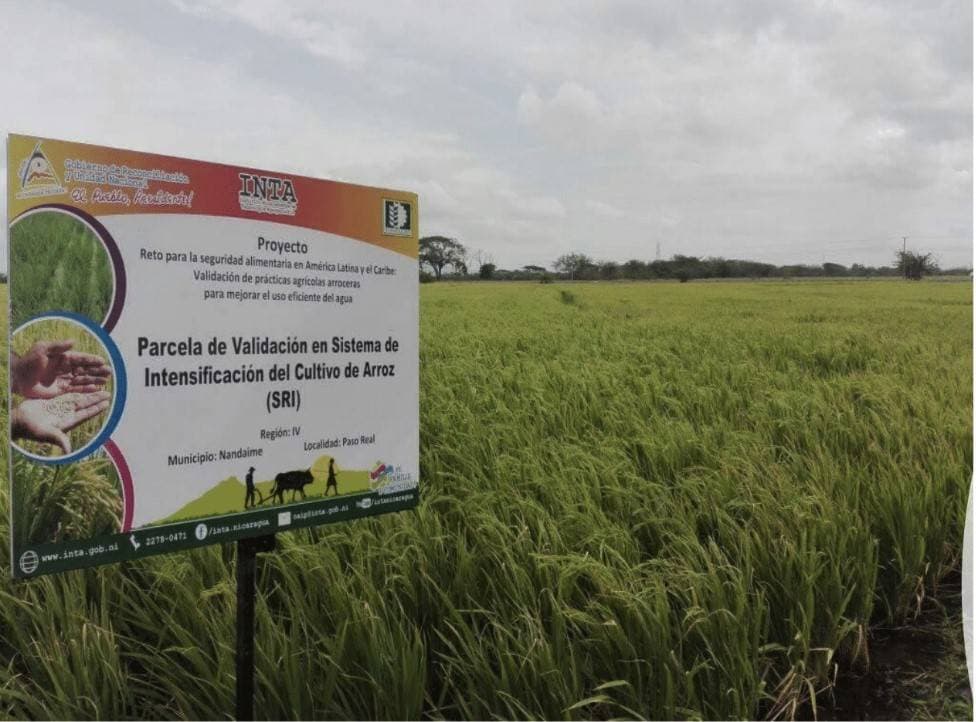
The project used the organic version of the system of rice intensification (SRI) with the intention of reducing agrochemical use and protecting soil health and beneficial flora. The strengthening of the root system, normally achieved through the SRI, and the use of intermittent irrigation contribute to the adaptation of rice to climate change.
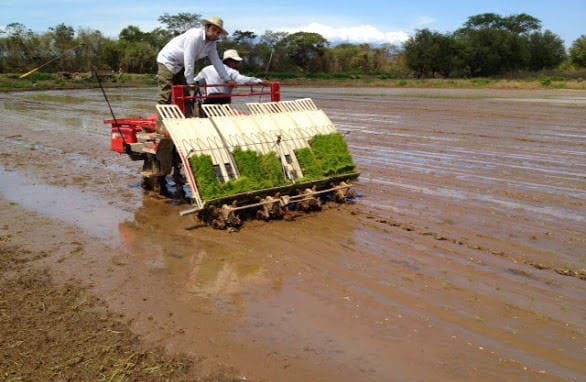
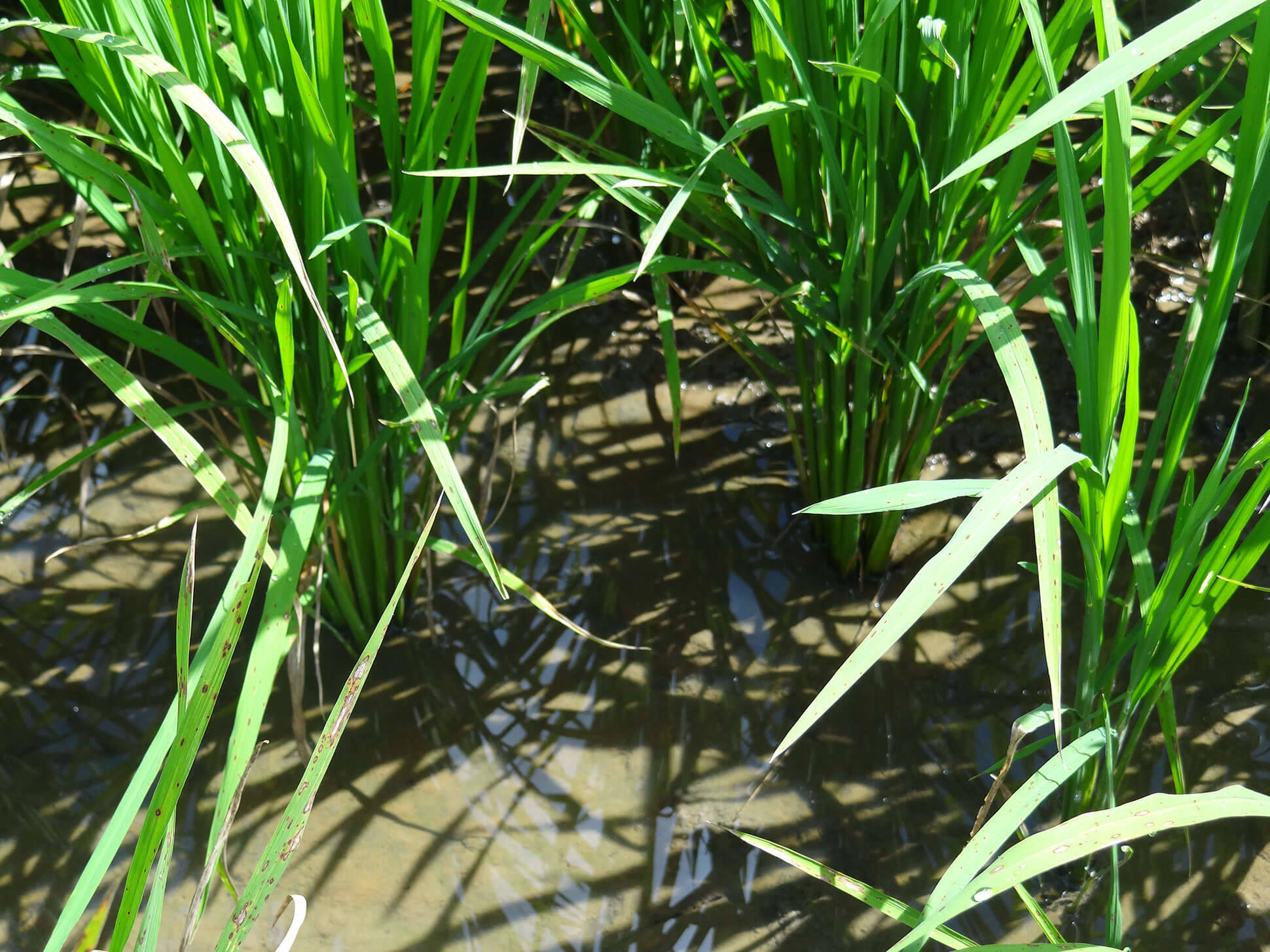
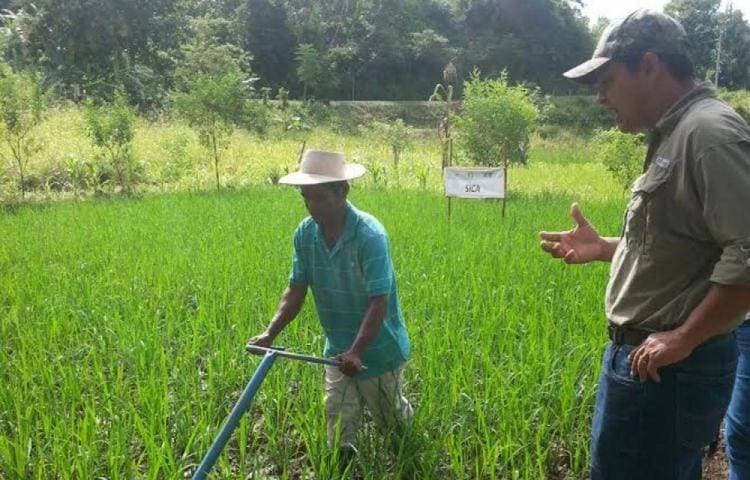
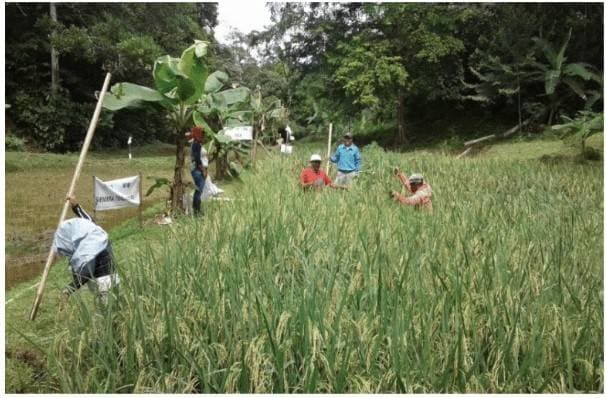
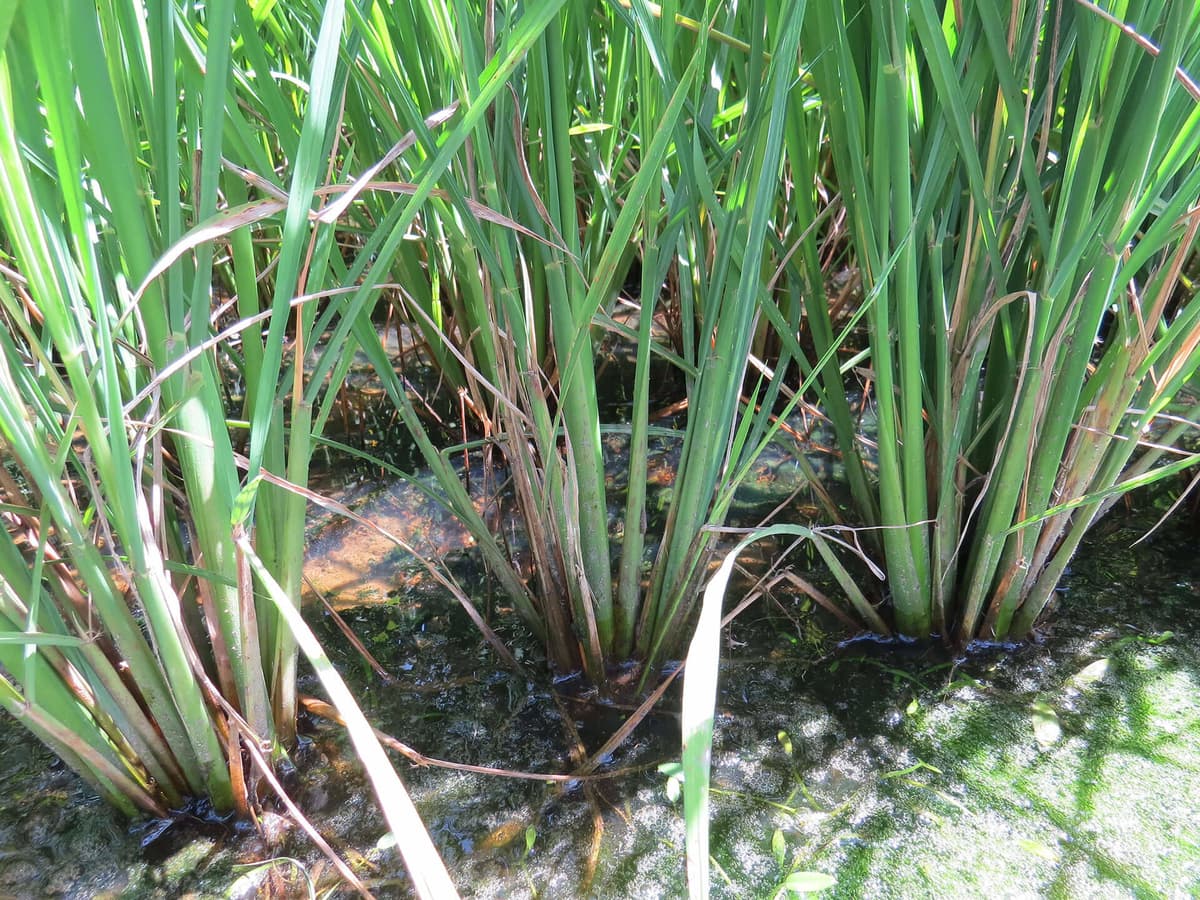
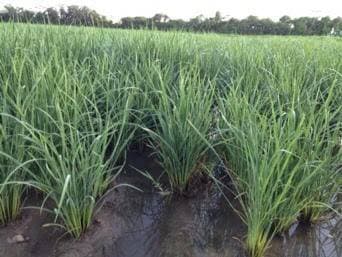
In Panama, SRI plots were compared with conventional transplantation and in Costa Rica and Nicaragua SRI plots were compared with traditional planting known as “espeque” or “chuzo”. The SRI plots received organic fertilizers at the time of land leveling. Transplants were performed with seedlings between 8 to 10 days after germination, placing one every 25 centimeters between plants and 25 centimeters between rows.
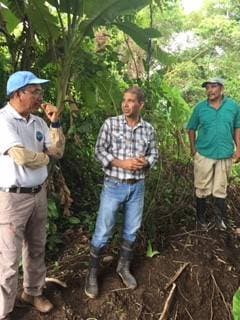
The producer socialization and training component incorporated Field Schools (ECA) and participatory workshops with group techniques such as discussion maps, surveys, brainstorming and rapid diagnostics.
The research clearly shows the potential of SRI, in particular the possibility of adapting or adopting particular elements of the system depending on the ecological and socioeconomic conditions of each locality.
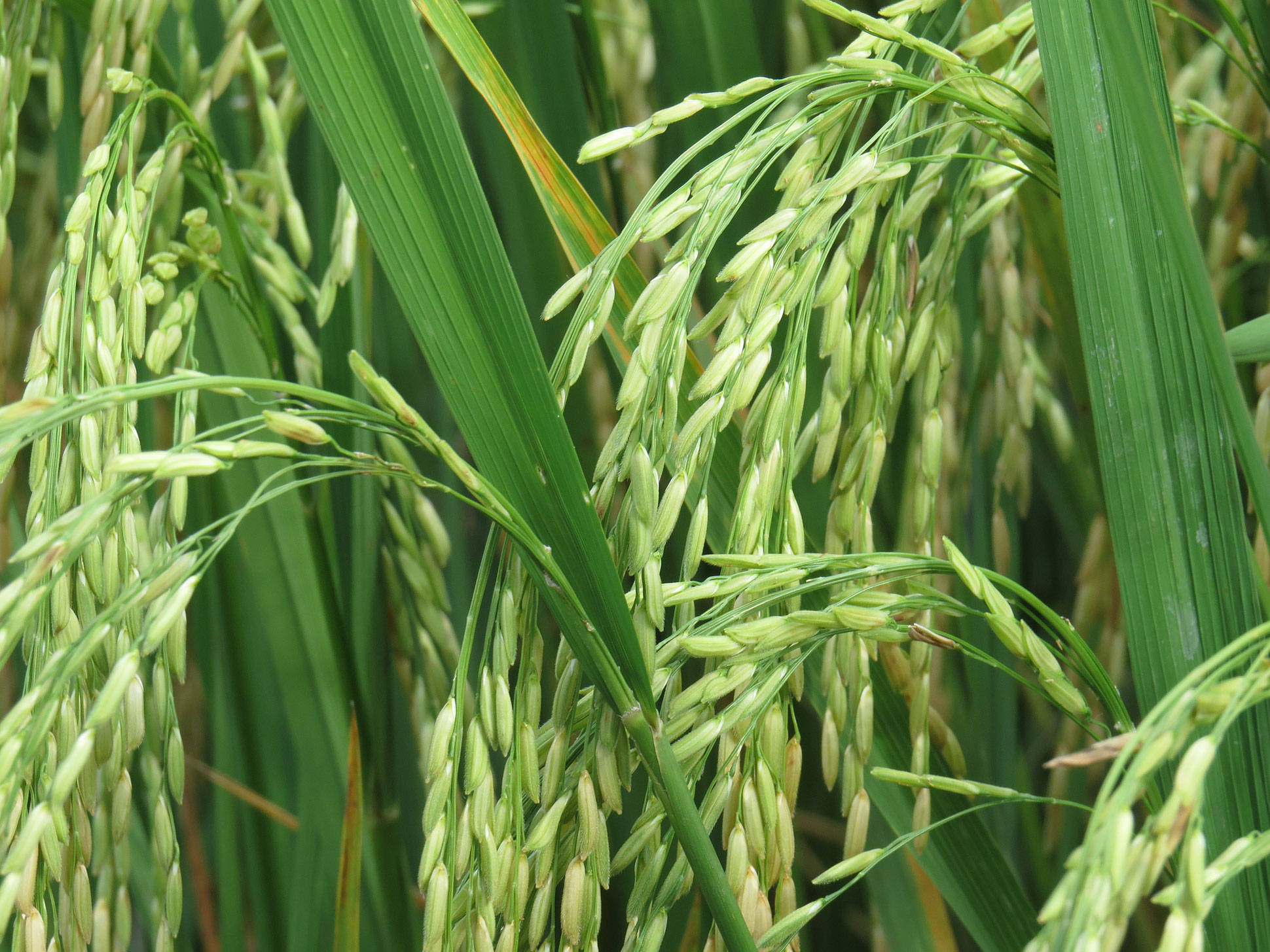
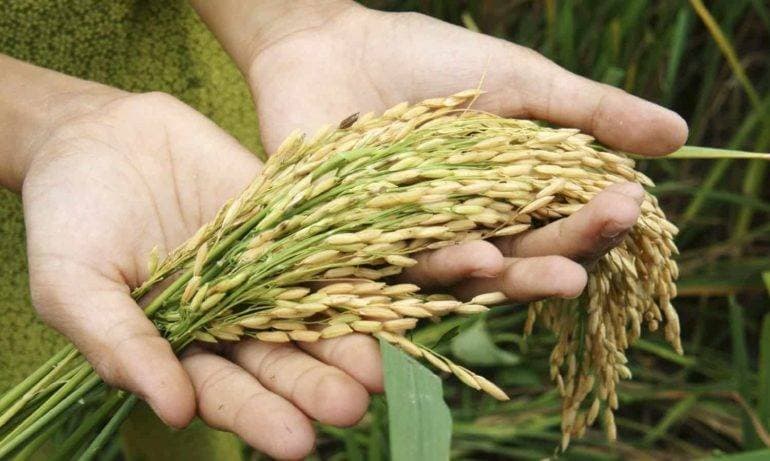
Result highlights include the activation of collaboration platforms in the three countries; the training of 10 technicians in the design and analysis of baselines; a 45.6% and 42.8% yield increase in Costa Rica and Nicaragua, respectively, and an increase in water use efficiency of 17% and 52% in Panama and Nicaragua, respectively. It also shows the good performance of the crop in the SRI plots in relation to the attack of diseases on foliage, panicles and grains, considering no chemical products were applied.




 Agronomic Practices









 Impact
 Initiatives
 Dashboard
 Alliances
 Impact
 Initiatives
 Dashboard
 Alliances







.jpg&w=750&q=75)