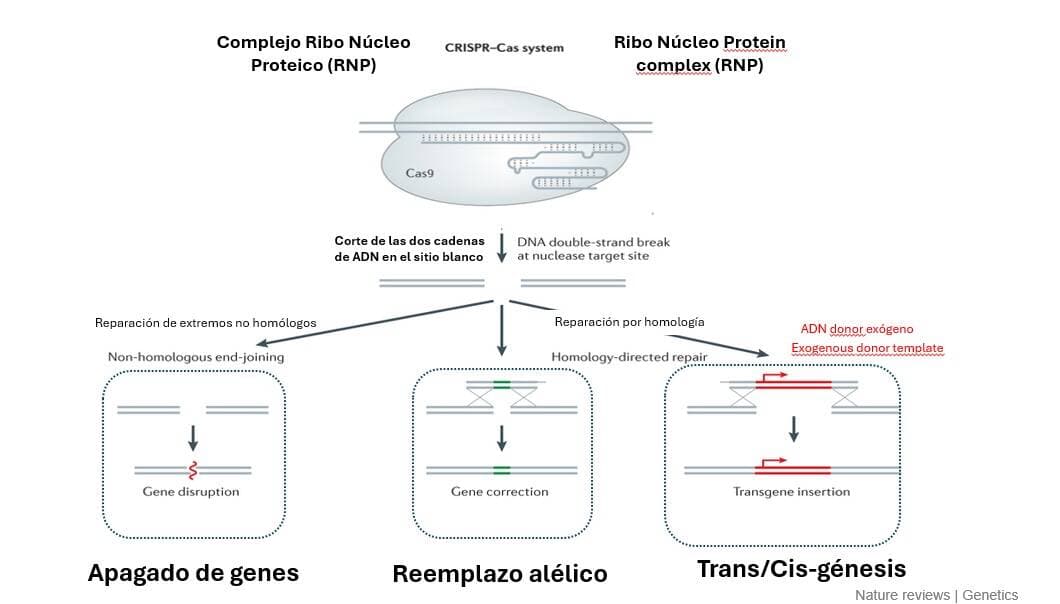
Conventional genetic breeding has always been a process that requires a lot of time. The recent appearance of gene editing (GE) is a significant leap in genetic modification technologies with a high impact on increasing sought-for variability. It allows deliberate modifications in the DNA sequence of specific genes to alter their expression (to silence or over-express them), replace alleles and introduce transgenes into predetermined genome sites. It can reduce genetic breeding time and produces an advantage in the generation of improved animals and plants, due to their lower cost and greater accessibility. To make the most of this possibility, it is necessary to generate and reinforce regional GE capacities.
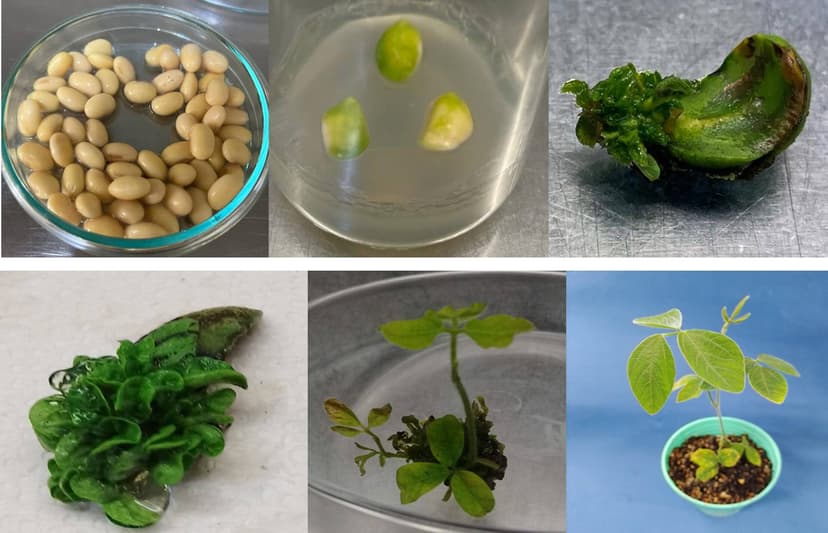
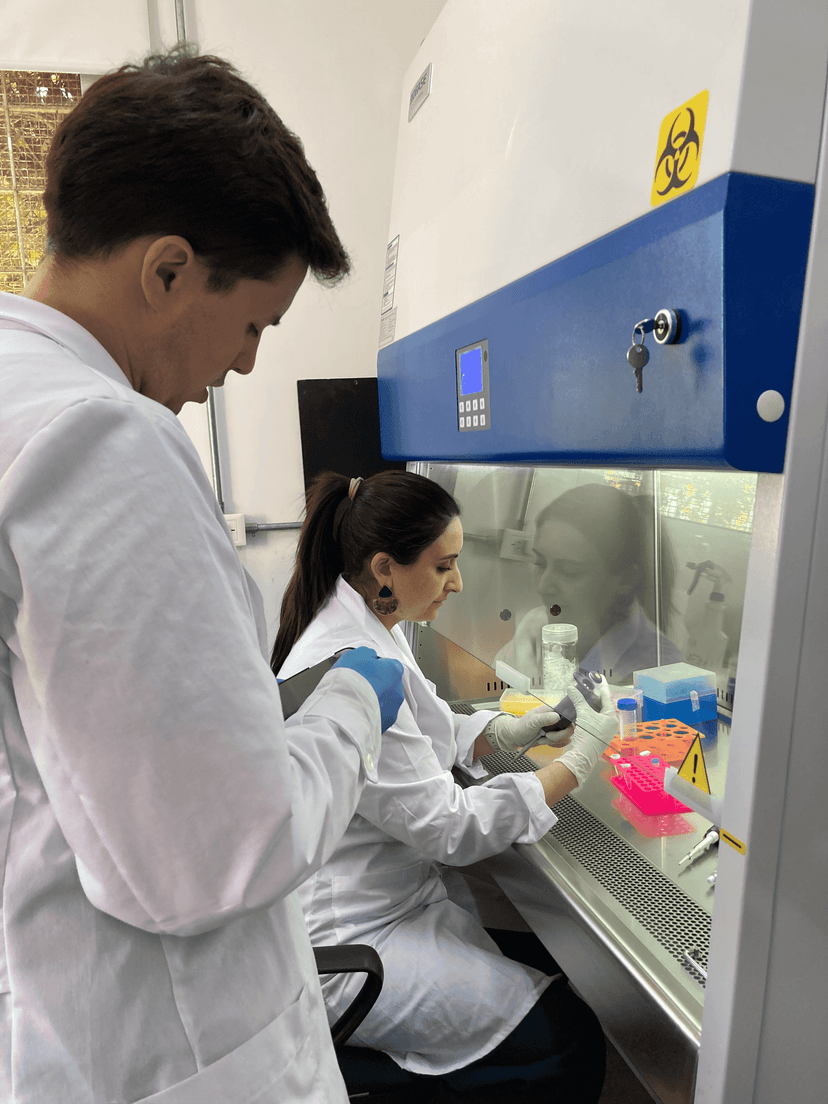
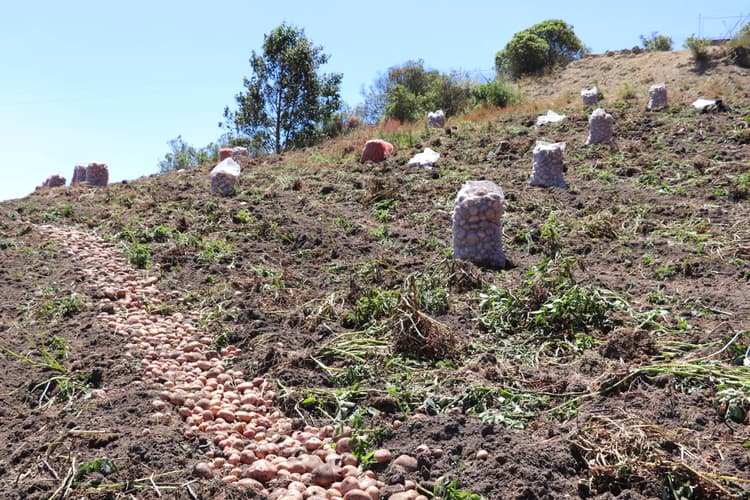
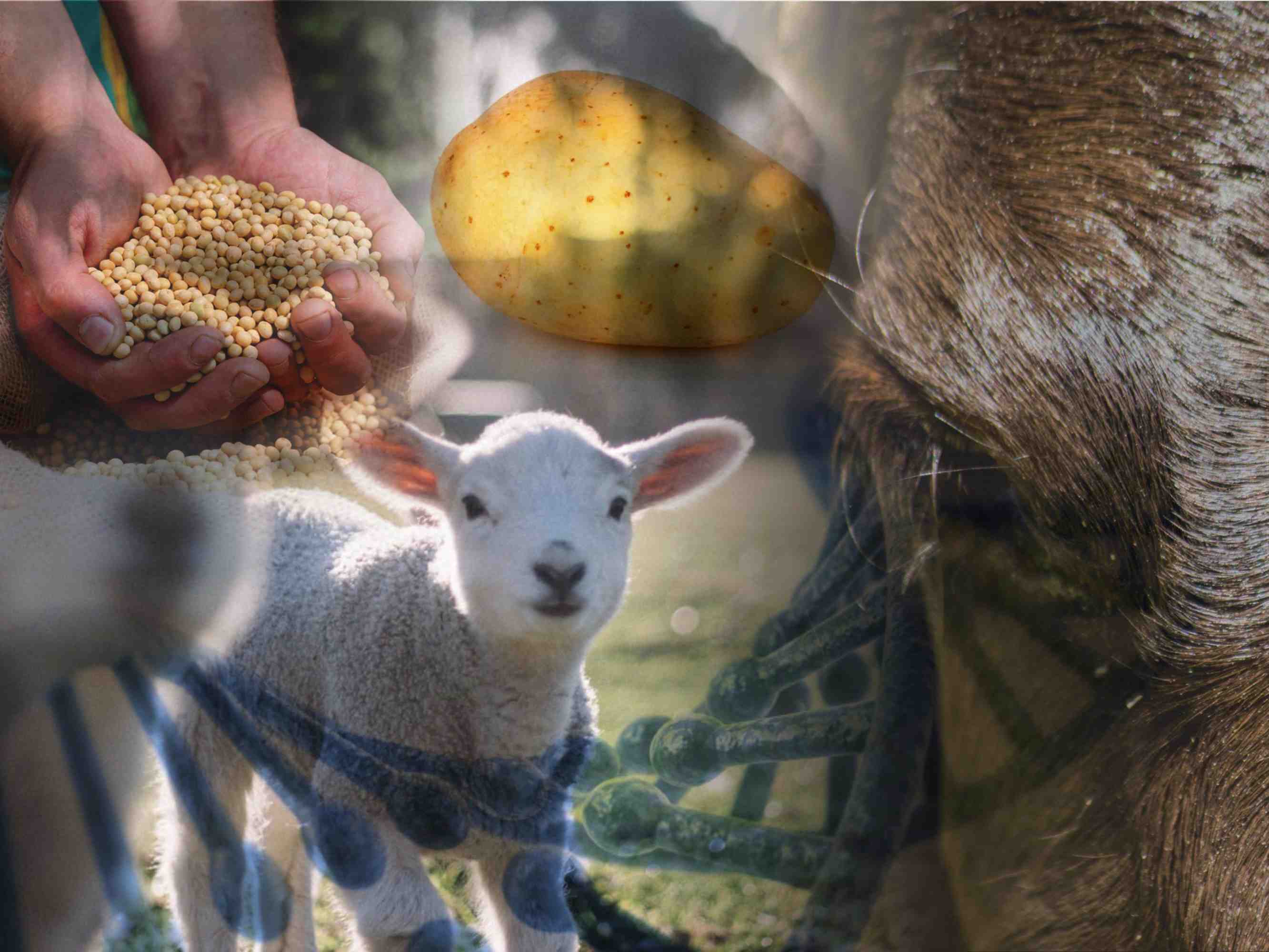
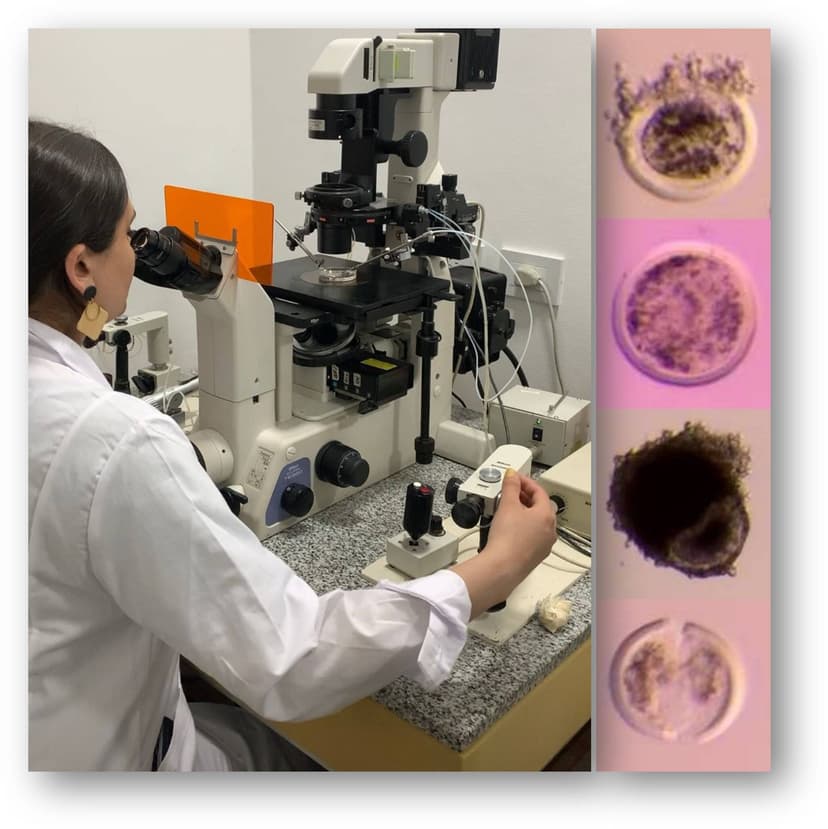
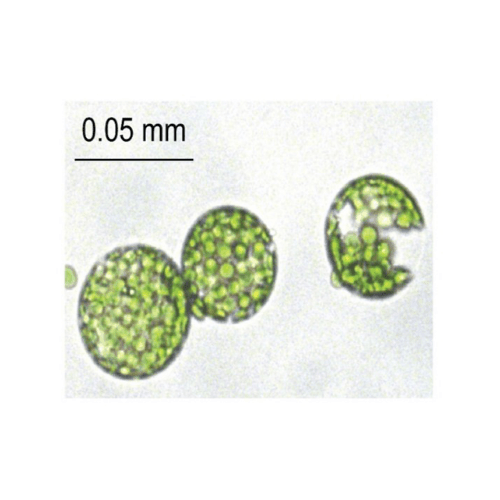
We have implemented an integrated suite of gene-editing solutions adaptable to both plant and animal species. In potato, we developed and harmonized transformation protocols using CRISPR/Cas RNP and multiplex editing of eIF4E, Inv Vac, and PPO—generating lines with viral resistance, premium frying and chip quality, up to 55 % protoplast viability, and robust callus formation. In soybean, we standardized methods to edit multiple key genes (SBA, STS, RS) simultaneously, yielding varieties with increased sulfur-containing amino acids and enlarged seed size. For livestock, we optimized RNP microinjection into bovine zygotes and shortened fertilization times to 6–8 hours to introduce CRISPR machinery prior to DNA replication, designed high-specificity sgRNAs for MSTN and BLG, and performed 56 embryo transfers—significantly reducing mosaicism.
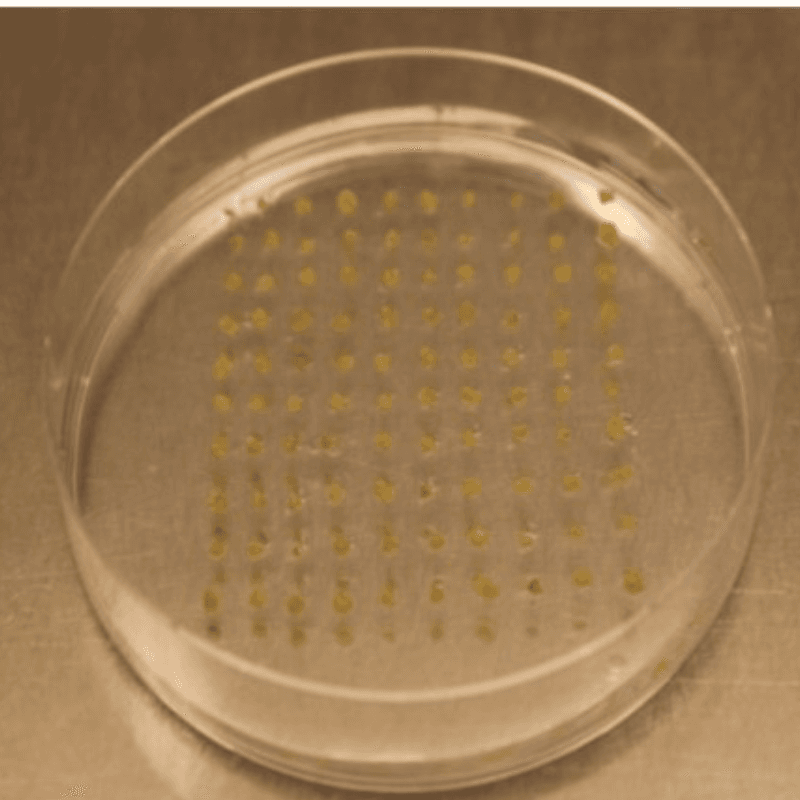
A protoplast protocol was developed in potato combining extraction, transfection, and regeneration using CRISPR/Cas9 RNPs, achieving up to 55 % viability and the production of transgene-free plantlets. Functional characterization of eIF4E-edited clones—particularly the Désirée clone—demonstrated effective resistance to PVY, reaffirming the essential role of this gene in viral susceptibility. Through multiplex editing of the Inv Vac and PPO genes, lines were obtained with reduced oxidative browning and premium industrial quality for frying and chip production. In soybean, five transformation methods were harmonized to simultaneously edit SBA, STS, and RS, resulting in larger seeds enriched with sulfur-containing amino acids. For livestock, high-specificity sgRNAs were designed for MSTN and BLG, and in vitro production was optimized by shortening fertilization times to 6–8 hours and introducing CRISPR machinery prior to DNA replication.
Genome editing challenges and initial results





 Basic Genetics















 Impact
 Initiatives
 Dashboard
 Alliances
 Impact
 Initiatives
 Dashboard
 Alliances

.png&w=1200&q=75)