 Impact
 Initiatives
 Dashboard
 Alliances
 Impact
 Initiatives
 Dashboard
 Alliances



.png&w=640&q=100)
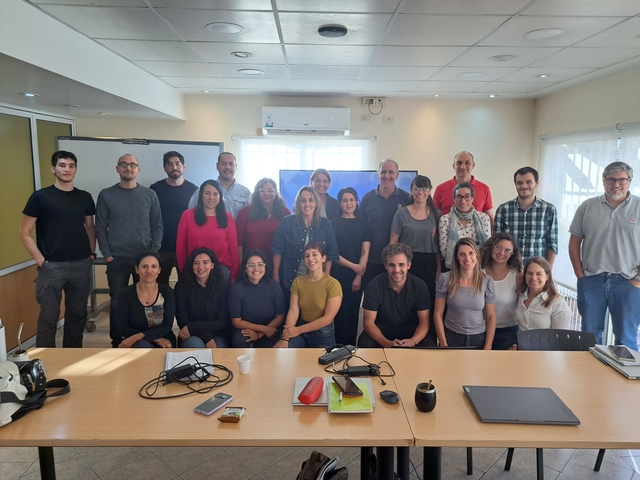
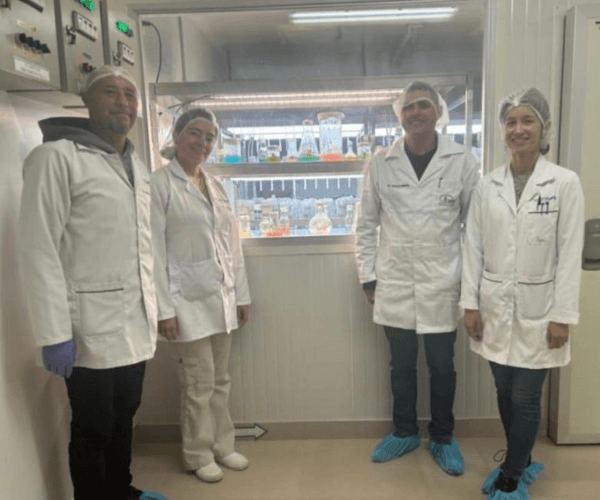
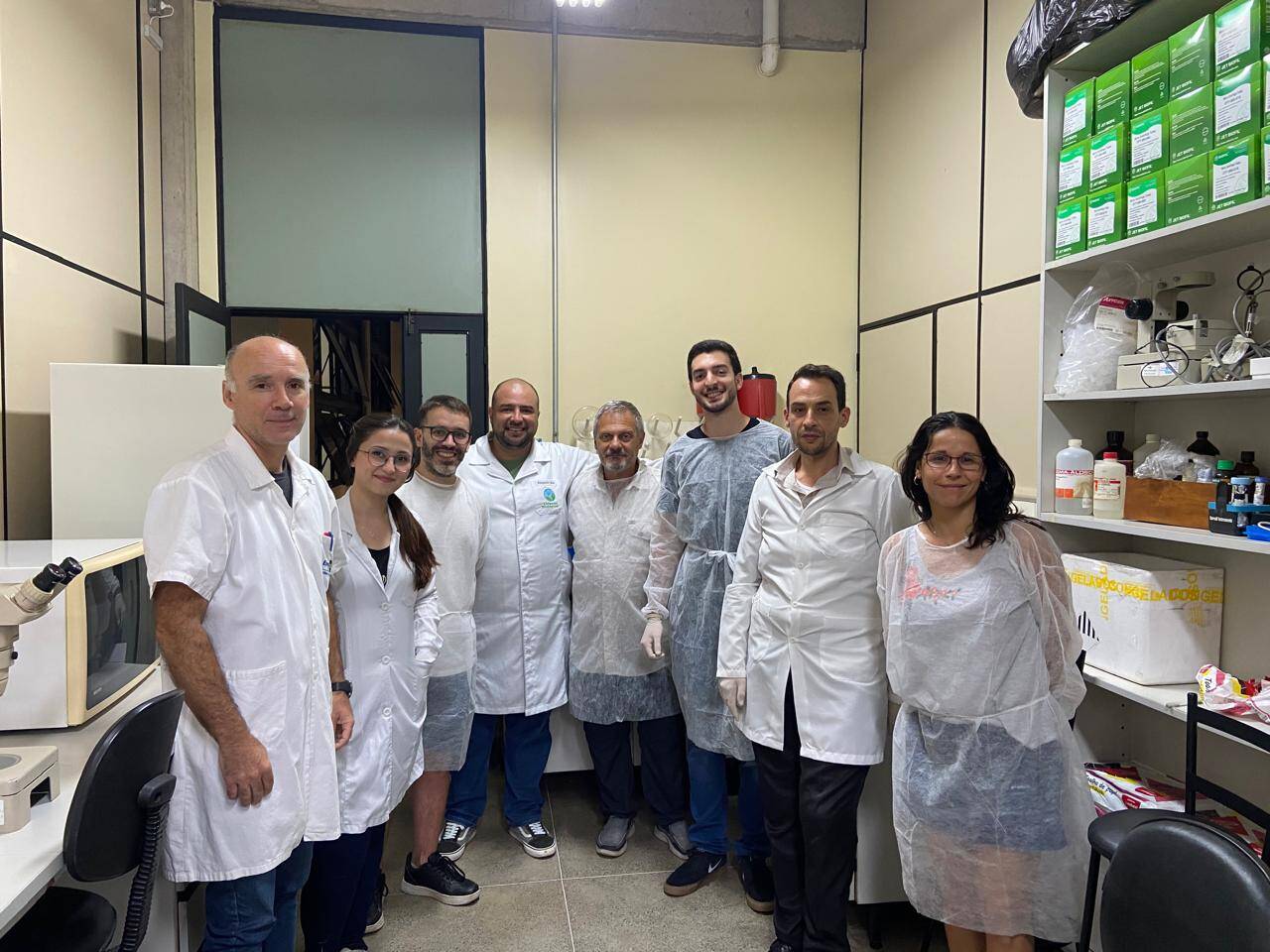

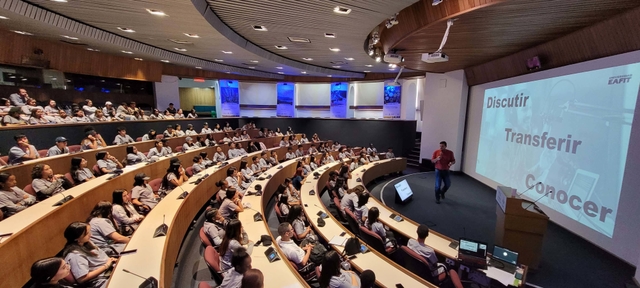
Learn more about this story
Project Webstory
Go to webstory




 Basic GeneticsAppliedTechnological
 2020
2020 Closed
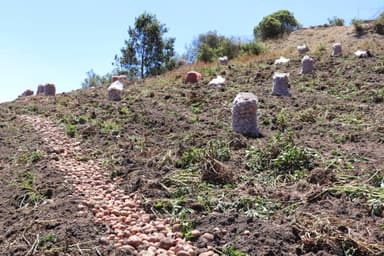
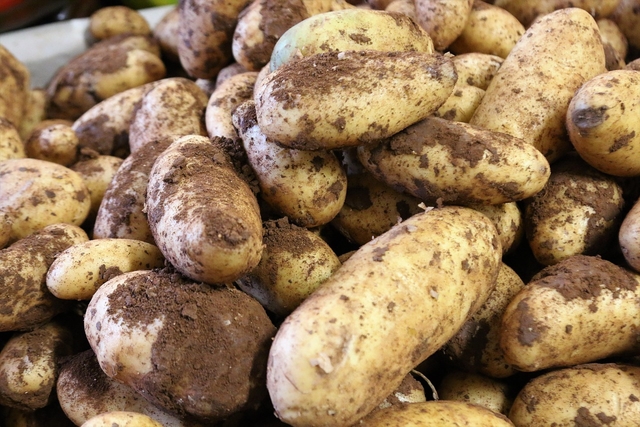
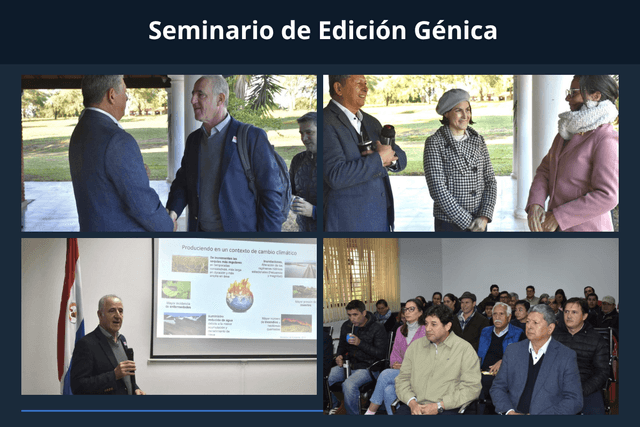
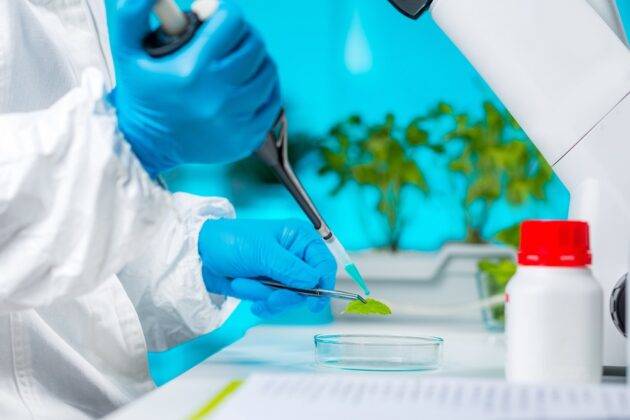
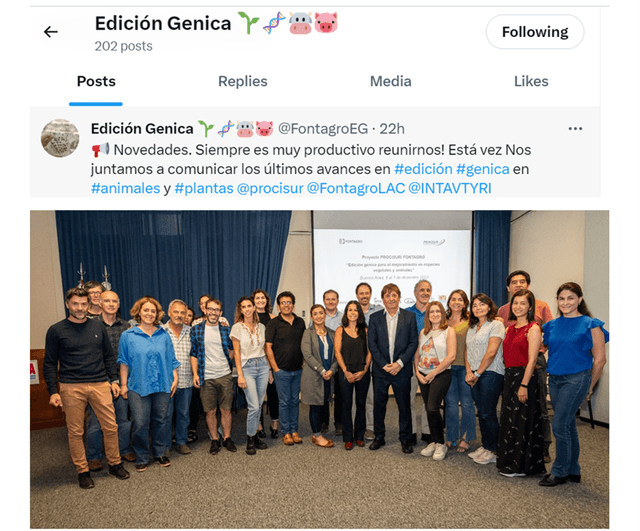
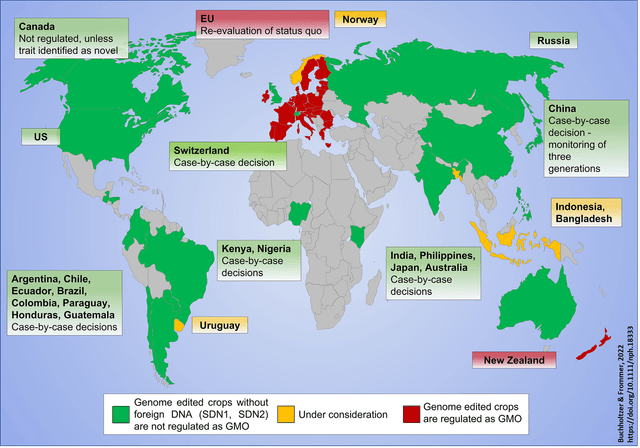
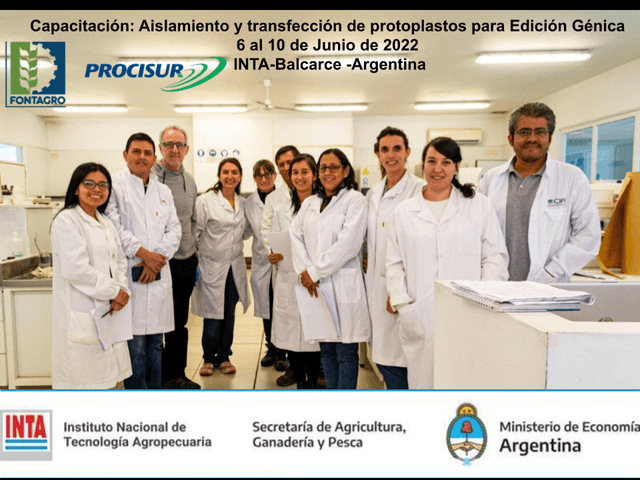
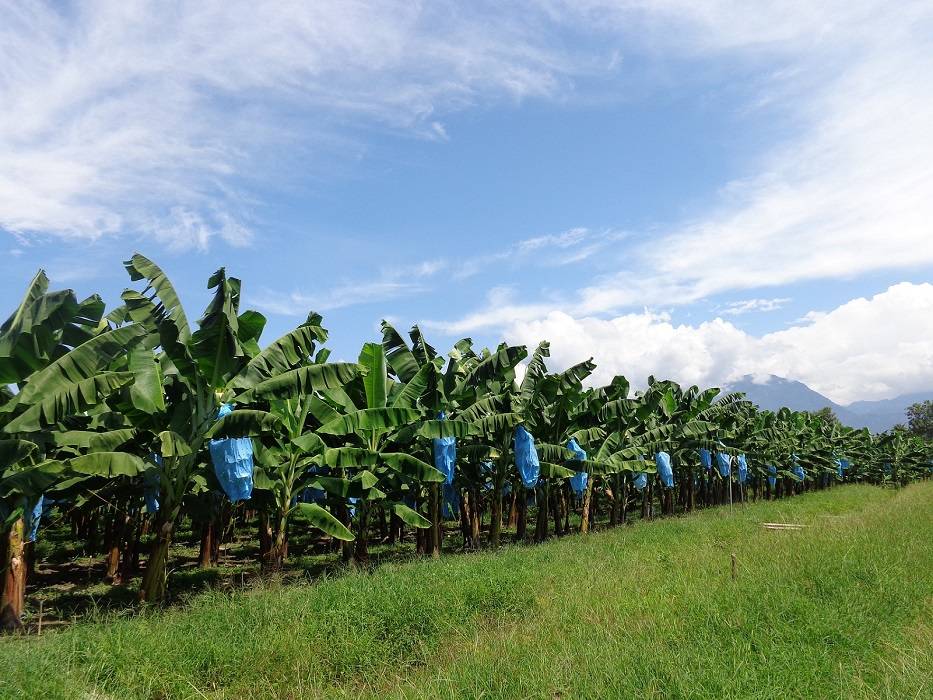
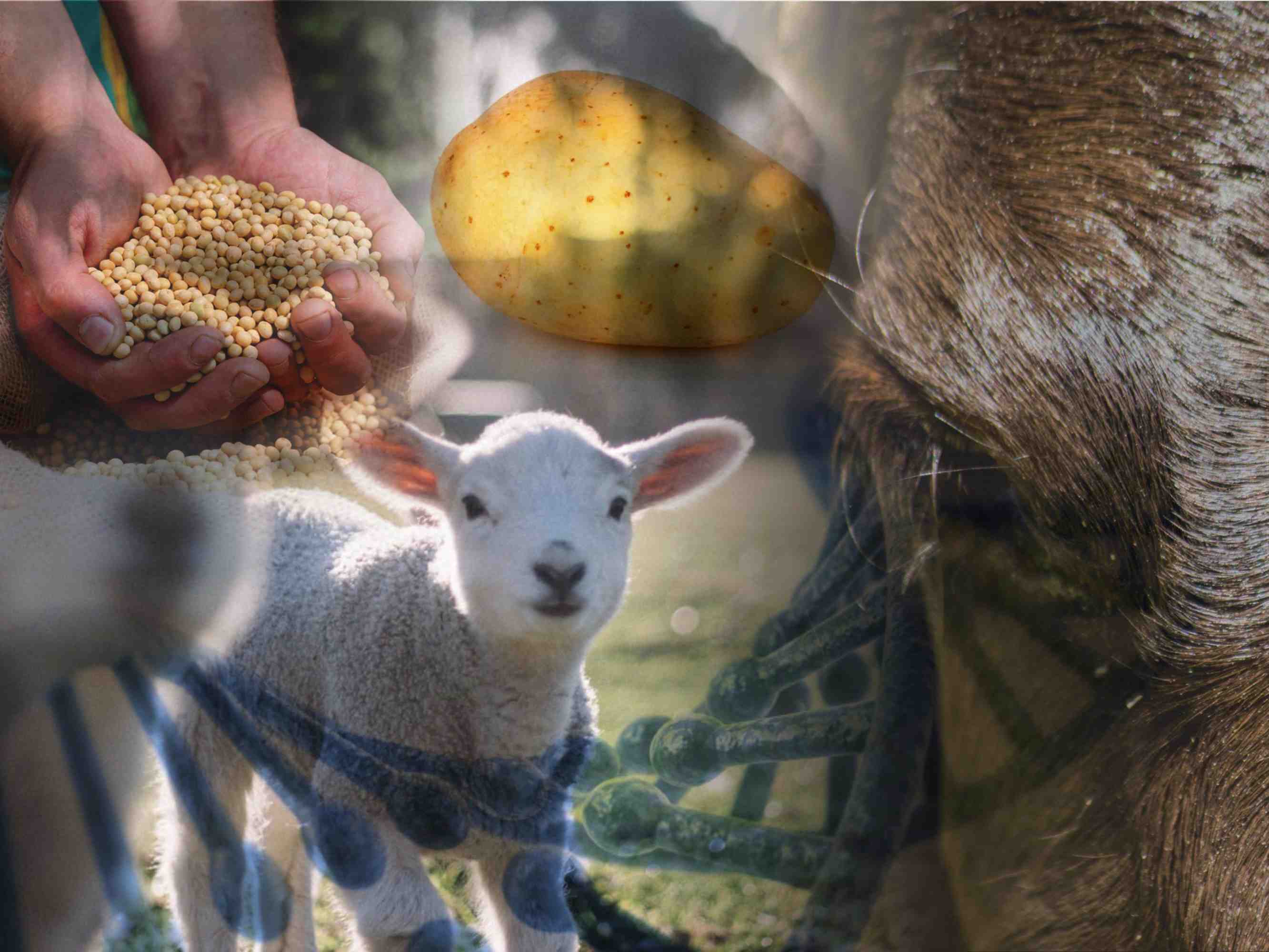
Crop and animal breeding is one of the constant challenges faced by the agricultural sector when trying to achieve increases in product yield and quality. The FAO proposes that, in order to meet nutritional demand during the next 32 years, the agricultural sector must produce between 50-70% more food, forage and biofuels than a decade ago. CRISPR-based gene editing (GE) is one of the most promising new biotechnologies for achieving this goal. GE is strongly based on knowledge of crop and animal gene functioning, and can be useful for conventional selection for breeds or varieties with desirable or novel traits in a short period of time. The enormous potential of this technique can be seen through proof of concept in the cultivation of important crops such as corn, cotton, rice, potato, soybean, and in cattle, sheep and pig breeding. The objective of this project is to consolidate regional GE research and innovation capacities for the improvement of species of agricultural interest, as a contribution to the technological sovereignty, value-added production, and the productive, economic and social development of the region.
The potential beneficiaries of the genome editing project in plants and animals in South America are diverse and encompass various sectors and interest groups. Firstly, farmers and ranchers in the region will directly benefit from improved crops and animals offering higher yields, disease resistance, and nutritional quality, leading to increased productivity and profitability of their operations. Additionally, the agri-food industry will benefit from access to higher-quality raw materials with specific characteristics, potentially leading to the creation of new products and markets. Moreover, consumers will benefit from access to more nutritious and safer foods. Furthermore, regional scientific research and the academic community will benefit from strengthening their capacities in genome editing, promoting the advancement of knowledge and innovation in agricultural biotechnology in theses and other productive species of interest. In summary, the project has the potential to positively impact the entire agri-food chain, from producers to end consumers, contributing to the economic, social, and scientific development of the region.
This project actively contributes to achieving the Sustainable Development Goals, promoting more equitable, resilient, and sustainable regional development.



The tangible impact of science and technology in the field
Sponsors


With the support of

Sergio Feingold
ArgentinaSabina Vidal
UruguayVictoria Bonnecarrere
UruguayGina Alessandra Garzon Martinez
ColombiaLourdes Cardozo Télez
ParaguayHumberto Prieto
ChileAndres Marcelo Carvajal Romero
ChileGabriela Cynthia Soto
ArgentinaCecilia Pascuan
ArgentinaGabriela Massa
ArgentinaLeandro Picotto
ArgentinaDaniel Salamone
ArgentinaCecilia DECIMA ONETO
ArgentinaJohana Buitron
EcuadorCarolina Marquez
BrasilBeatriz Marti
BrasilFederico Hozbor
ArgentinaAnabela Poulsen
ArgentinaLuz Stella Barrero
ColombiaSantiago Meneses
EcuadorAdriana Lauro
Argentina