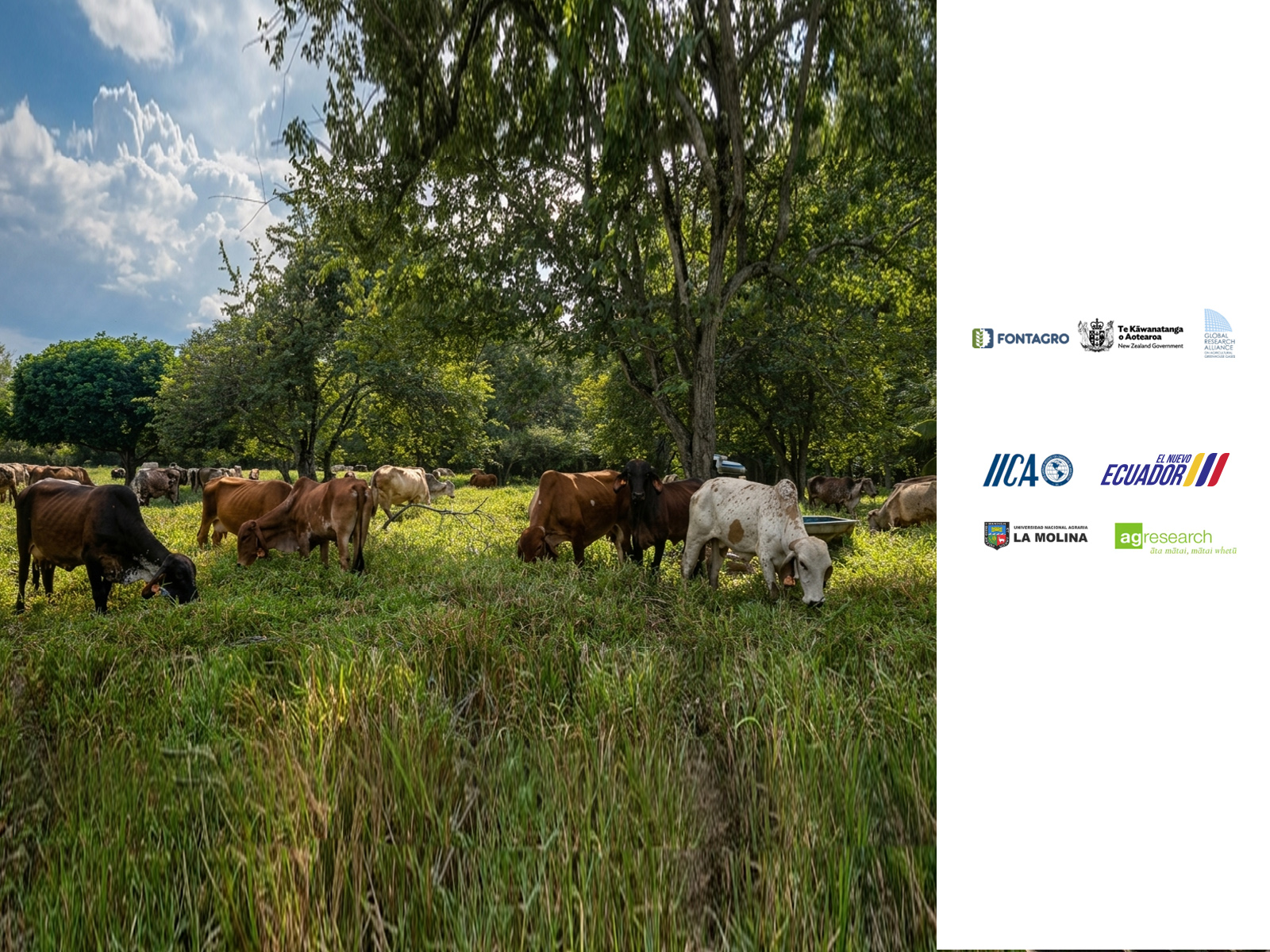
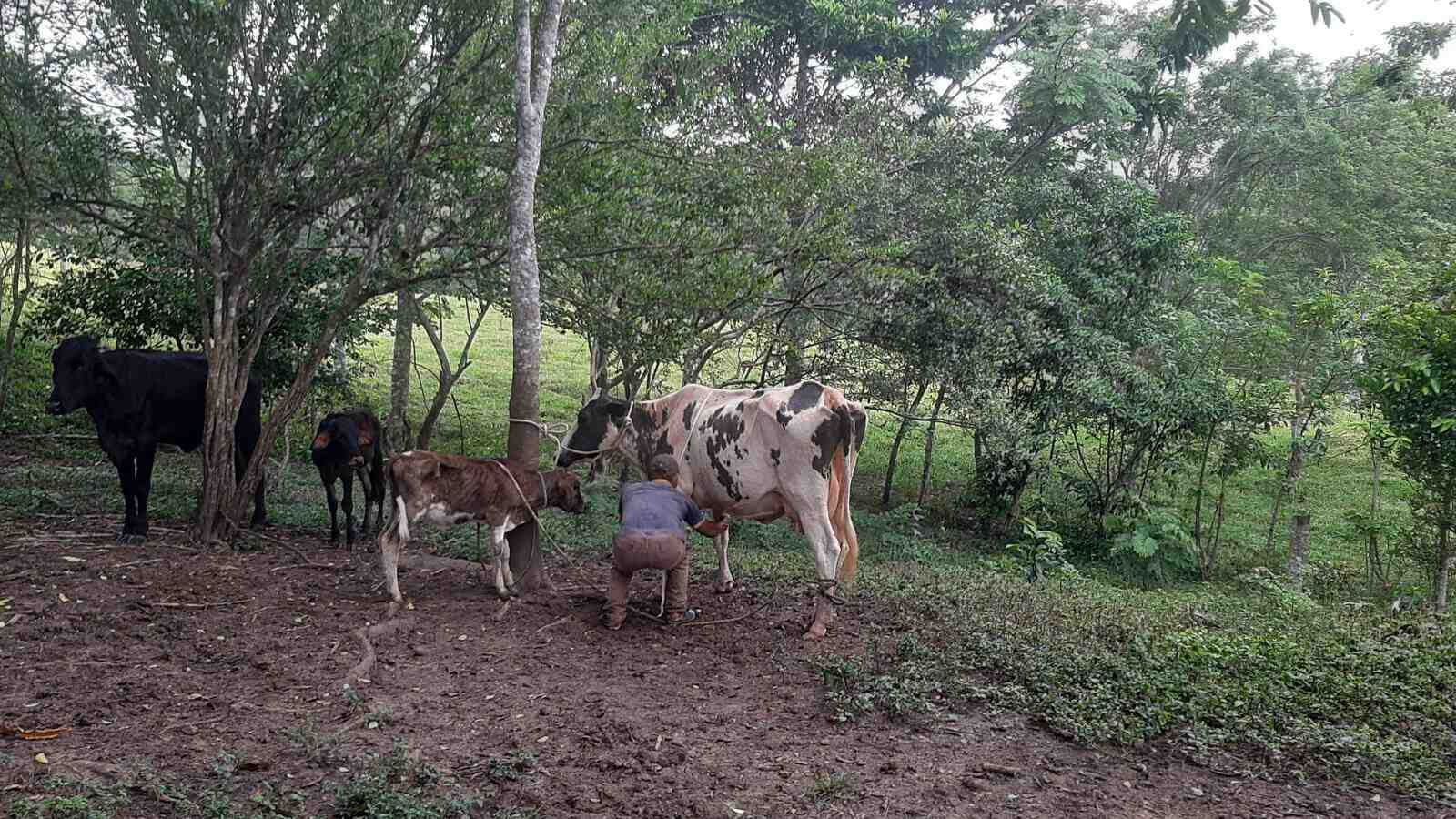
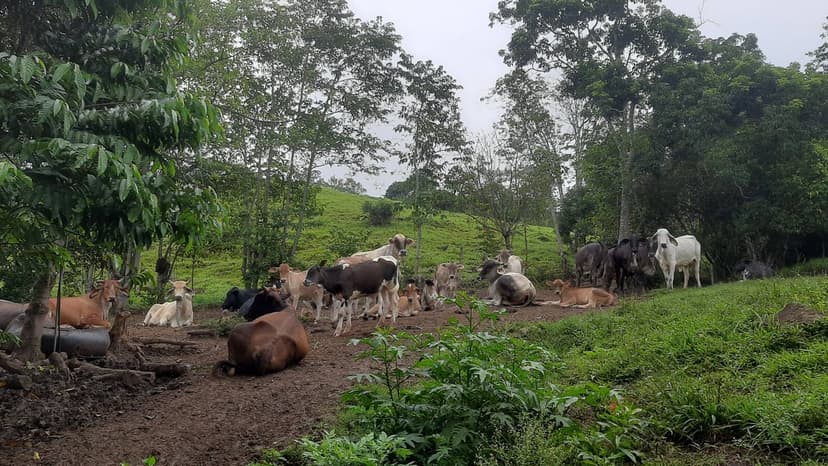
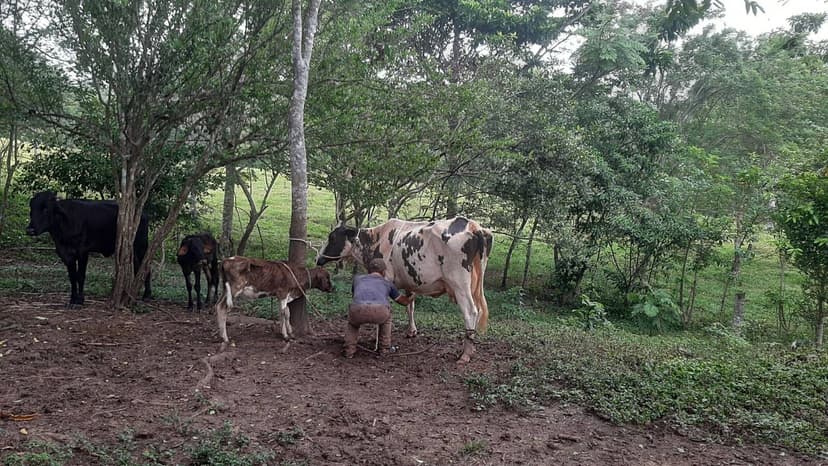
The Amazon has become one of the main areas of agricultural expansion. Livestock farming focused on both milk and meat production is based on extensive grazing systems with little or no supplementation. This strategy has a major limitation in the dry season when feed is scarce. Available foods contain high levels of fiber and low protein content. Under these circumstances, agro-industrial by-products from the area are an attractive supplementation option for livestock, resulting in increased milk yield and weight gain.
Currently, agro-industrial by-products are not widely used and have only nominal economic value. However, they can generate significant added value if used for livestock feed with benefits not only for producers but also the environment. This proposal of sustainable intensification is eco-friendly and contributes to improving the well-being of families dedicated to livestock farming through a circular economy approach. This approach incorporates the use of agro-industrial and crop waste as supplements to pasture, which improves the efficiency of base resource (pasture) use, increases livestock system productivity, and reduces greenhouse gas emissions and pollution. In addition, this type of system can contribute to decreasing pressure on forest resources and improving soil and water resource use.
The expected results of this project are:
• Baseline of dual-purpose livestock systems prevalent in the Amazon of Peru and Ecuador.
• Inventory on the availability of agro-industrial by-products with potential use in cattle feed.
• Bromatological characteristics of available agro-industrial by-products
• Effect of supplementing cattle with agro-industrial waste on their productive performance (milk and meat).
• Prediction of enteric methane emissions from the inclusion of by-products.
• Life cycle analysis of dual-purpose livestock systems
• Development of a virtual innovation platform on supplementing cattle with agro-industrial by-products.
Sustainable livestock farming in the Amazon of Peru and Ecuador





 Agronomic Practices













 Impact
 Initiatives
 Dashboard
 Alliances
 Impact
 Initiatives
 Dashboard
 Alliances