 Impact
 Initiatives
 Dashboard
 Alliances
 Impact
 Initiatives
 Dashboard
 Alliances


Learn more about this story
Project Webstory
Go to webstory




 Agronomic PracticesAppliedTechnological
 2022
2022 Active
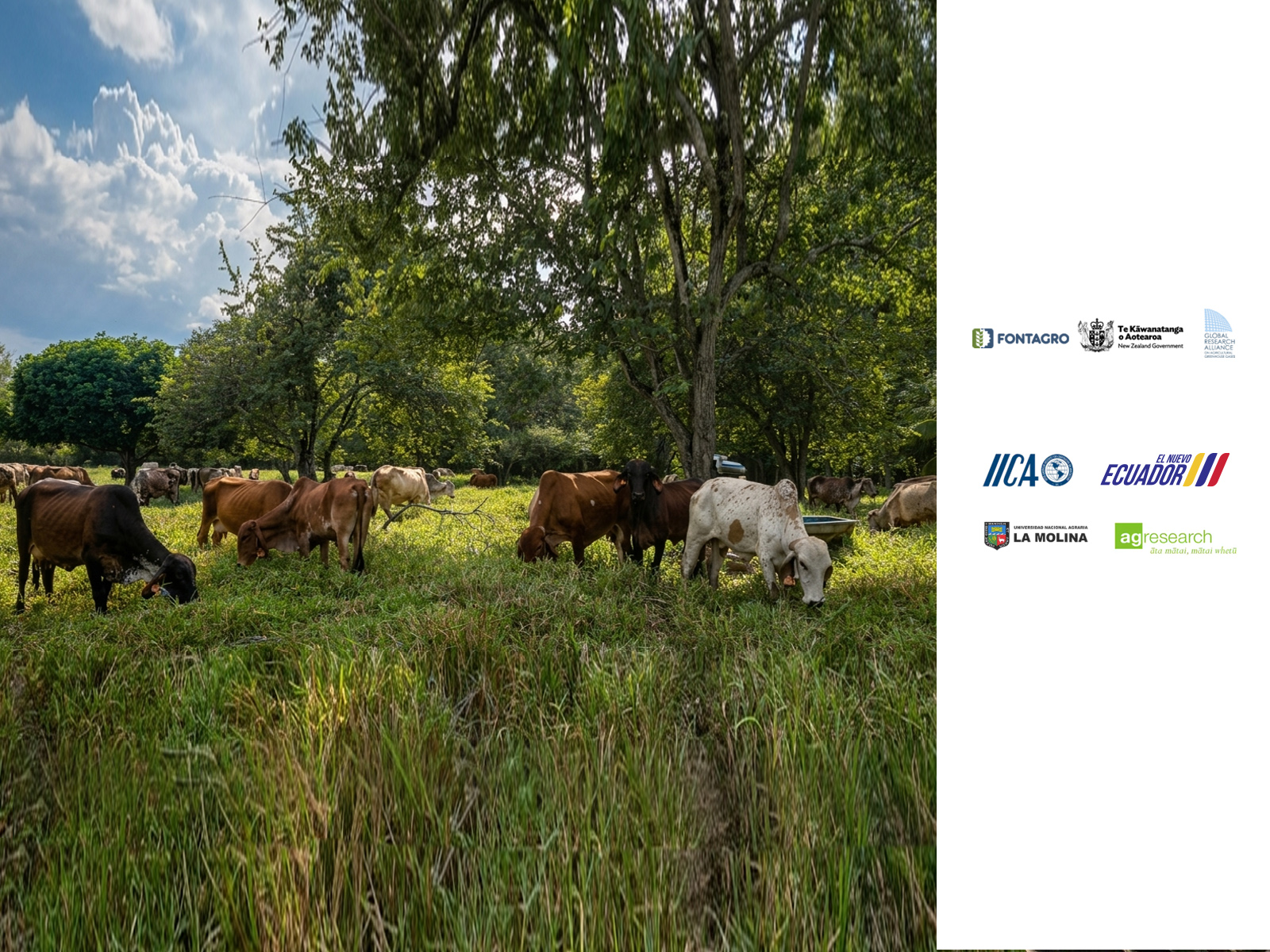
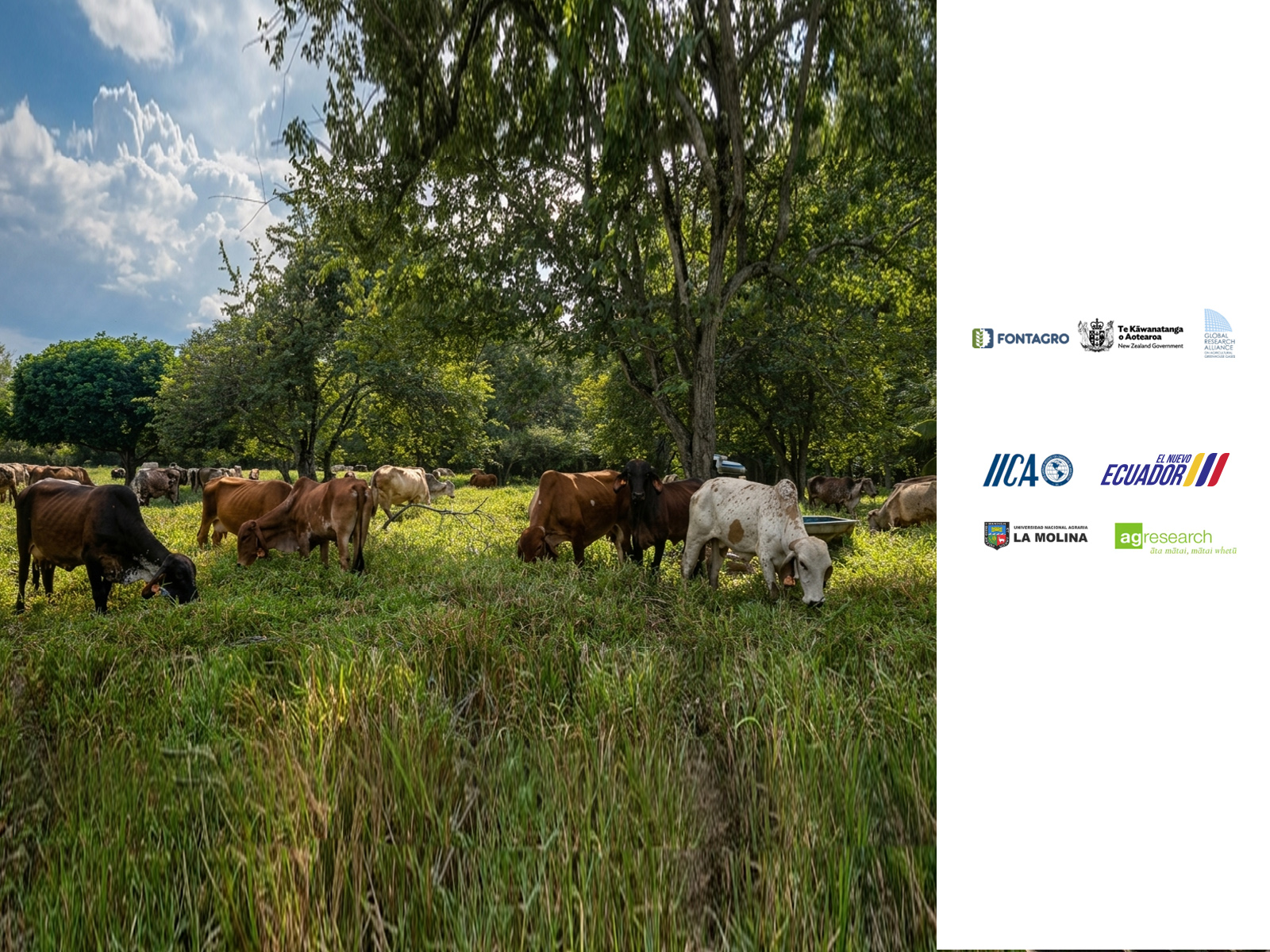
Cattle ranching in Peru and Ecuador is an essential activity for the sustainability of family farmers and generates economic, social, and nutritional benefits. In the Amazon region of both countries, both cattle ranching and agriculture have been expanding, generating economic and social benefits, but also posing problems related to land use and the generation of waste and residues from agroindustries. However, dual-purpose livestock farming has great potential, especially due to the unmet demand for milk and dairy products in both countries. These systems primarily rely on the use of crossbred cattle between zebu and European breeds and a diet based mainly on grasses, with low or nearly absent supplementary feeding. The productivity of these systems is relatively low. The high consumption of fibrous foods also results in greater greenhouse gas emissions per unit of product. However, productivity can be improved with appropriate supplementary feeding based on the use of agroindustrial waste from local production.
The project aims to sustainably intensify dual-purpose livestock farming in the Amazon of Peru and Ecuador through supplementation with feed obtained from agroindustrial waste. The project will be executed by a cooperation platform involving the National Agrarian University La Molina (UNALM) of Peru, the National Institute of Agricultural Research (INIAP) of Ecuador, the Inter-American Institute for Cooperation on Agriculture (IICA), and AgResearch Limited of New Zealand. The project is funded by the Government of New Zealand as part of its contribution to the Global Research Alliance on Agricultural Greenhouse Gases (GRA).
Direct beneficiaries will be the 500 producers and professionals who will participate in research, training and technology transfer activities. Indirect beneficiaries will be some 6,490 producers with cattle in the participating countries.
This project actively contributes to achieving the Sustainable Development Goals, promoting more equitable, resilient, and sustainable regional development.


.png&w=640&q=100)
October 7, 2026
Carlos Gomez Bravo
PerúCarlos Alfredo Gomez Bravo
PerúJosé Velarde-Guillén
MéxicoEduardo Leuman Fuentes Navarro
PerúCarlos Danilo Congo Yépez
EcuadorVictor Hugo Barrera Mosquera
EcuadorRemigio Armando Burbano Cachiguango
EcuadorJuan Pablo Garzón Prado
EcuadorThe tangible impact of science and technology in the field
Sponsors


With the support of