• Go to Fontagro's X profile
  • Go to Fontagro's Instagram profile
  • Go to Fontagro's Linkedin profile
  • Go to Fontagro's Youtube profile
  • About Us
  • Governance
    • Governance
    • Our committees
  • Documents
  • News
    • News
    • Events
  • Library
  • Toolkit
Fontagro
  • Menu iconImpact
    • Projects
    • Success Cases
    • Impact Stories
  • Menu iconInitiatives
  • Menu iconDashboard
  • Menu iconPartnerships
  • Go to Fontagro's X profile
  • Go to Fontagro's Instagram profile
  • Go to Fontagro's Linkedin profile
  • Go to Fontagro's Youtube profile
Fontagro
Fontagro
  • About Us
  • Governance
    • Governance
    • Our committees
  • Documents
  • News
    • News
    • Events
  • Library
  • Toolkit
  • Menu iconImpact
    • Projects
    • Success Cases
    • Impact Stories
  • Menu iconInitiatives
  • Menu iconDashboard
  • Menu iconPartnerships
Fontagro

Innovation ecosystem for the agri-food sector in Latin America and the Caribbean

Newsletter
  • Impact
  • Initiatives
  • Dashboard
  • Partnerships
  • About Us
  • Governance
  • Documents
  • News
  • Library
  • Toolkit

Contact Us

  • E-mailfontagro@iica.int
  • LocationIICA USA - 1889 F Street, N.W., Suite 360 Washington, D.C. 20006
  • Terms, conditions and privacy policy

© 2026 Fontagro. All Rights Reserved

  • Go to Fontagro's X profile
  • Go to Fontagro's Instagram profile
  • Go to Fontagro's Linkedin profile
  • Go to Fontagro's Youtube profile
impact story image
View project

ROOT TO FOOD: A comprehensive look at the food chain

Seed supply systems, integrated crop management strategies, and the strengthening of the social, organizational, and business fabric are sustainable alternatives to improve crop yields in family farming in Latin America.

X iconFacebook iconLinkedin icon
Summary icon

Context of the story

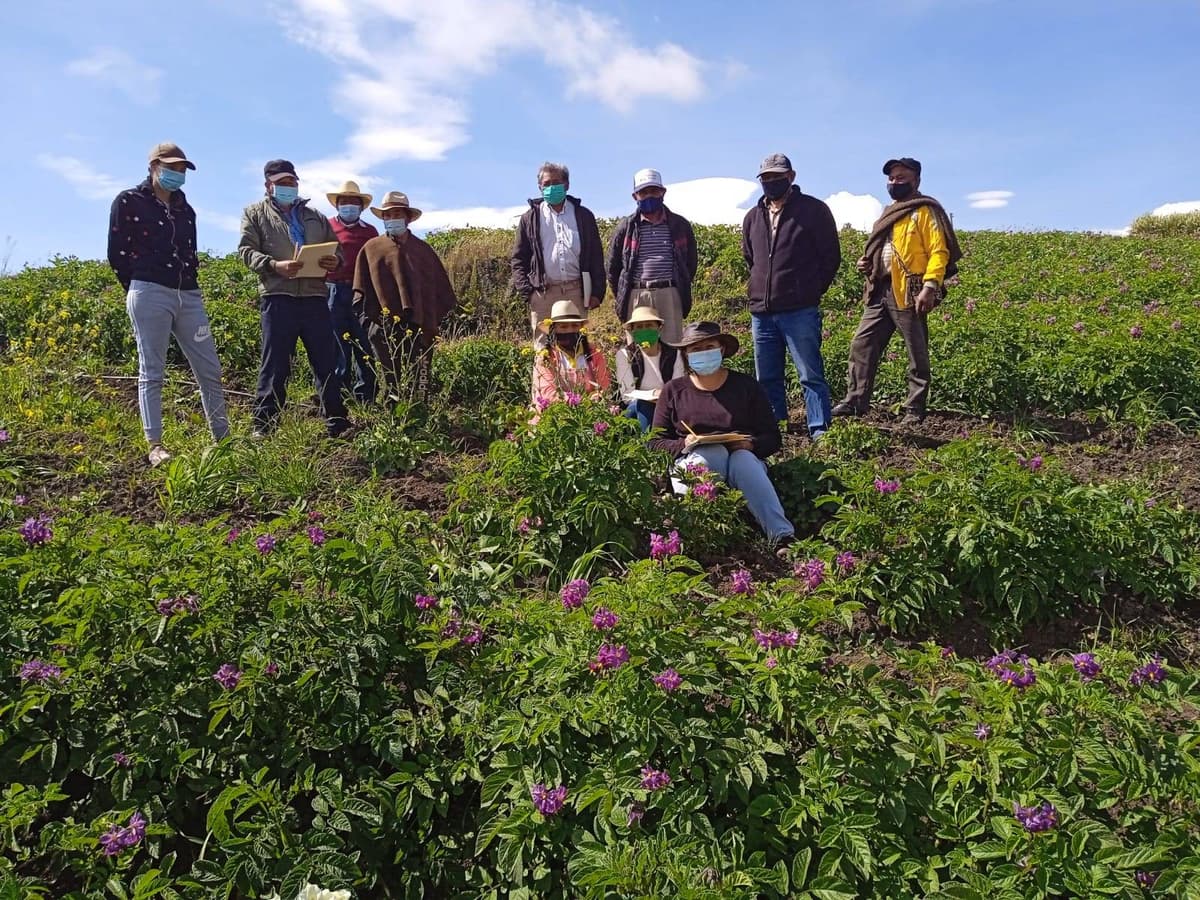
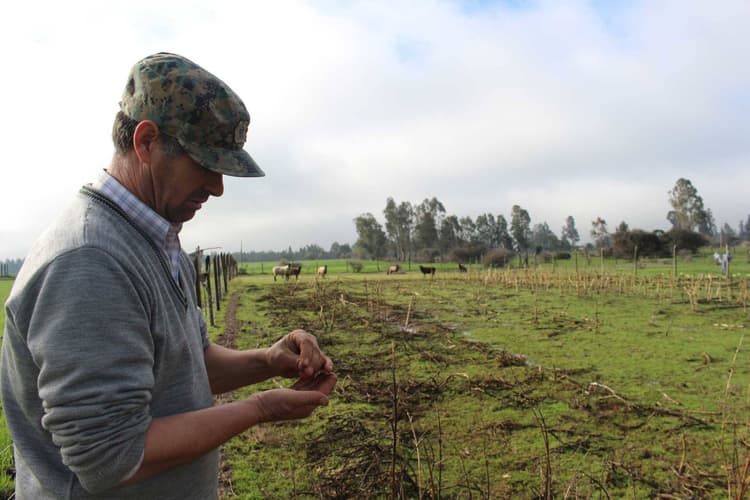
Family farming is key to eradicating hunger and proposing changes towards more sustainable agricultural systems. In Latin America, 80% of farms are family farms. In the high Andean regions, potato (S. tuberosum) and mashua (T. tuberosum) are essential for food security as they are an accessible source of calories, vitamins, and antioxidants in family farms. Low yield is the greatest challenge posed by the cultivation of root and tuber crops in countries like Bolivia and Colombia, particularly in traditional varieties. The major causes of low yield are poor seed quality and inadequate cultural practices
Summary icon

Production of high-quality seed of native potatoes, adoption of integrated crop management strategies to increase crop yield

The Implemented Initiative

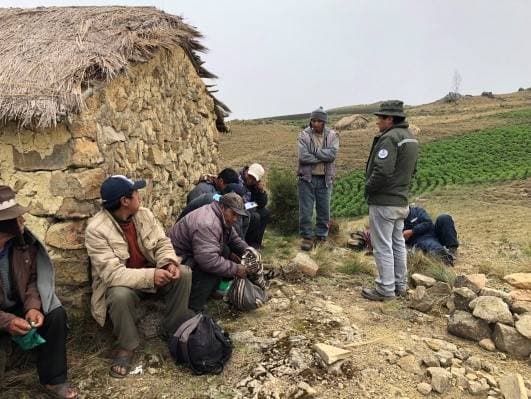
Through participatory rural innovation strategies, this platform seeks to improve the production system of potatoes and Andean tubers for small producers in Bolivia and Colombia by using seed of good genetic and phytosanitary quality and implementing integrated crop management strategies. Currently, the seed is available to small farmers without relying on third parties for supply. By adopting integrated management strategies, the use of agrochemicals has decreased, positively impacting the environmental and economic sustainability of the production systems.
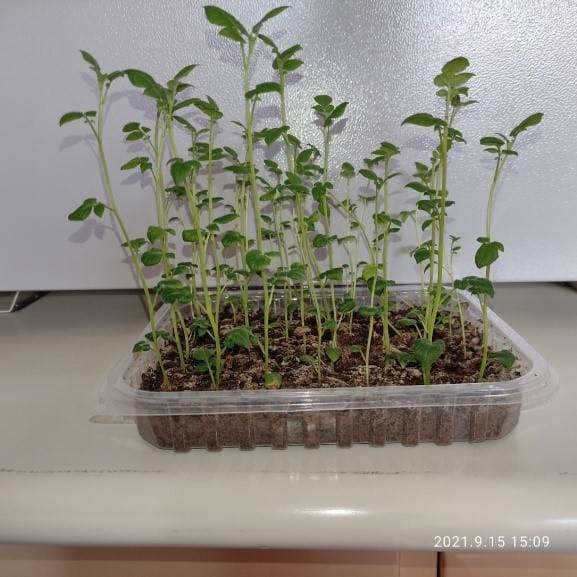
Inititiative image
Inititiative image
Inititiative image
Inititiative image
Inititiative image
Inititiative image
Inititiative image
Inititiative image
Inititiative image
Inititiative image
Inititiative image
Inititiative image
Inititiative image
Inititiative image
Inititiative image
Inititiative image
Inititiative image
Summary icon
The use of good quality seed, the adoption of integrated management strategies and socio-organizational strengthening increase the yield of potato crops and Andean tubers in family farming

The technological solution

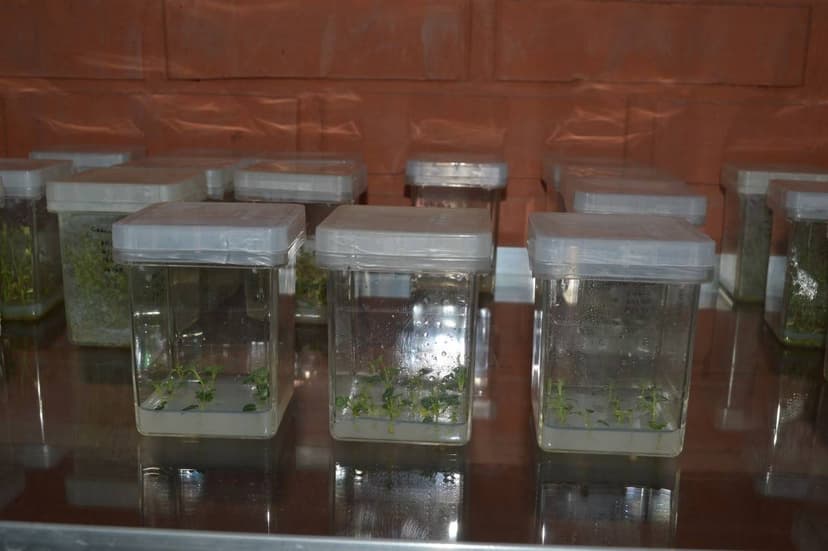
With the strengthening of the community fabric of the families participating in the project, the production system of potatoes and Andean tubers for small producers has been improved, encouraging the use of seeds with good genetic and phytosanitary quality. The adoption of Integrated Crop Management (ICM) strategies has led to a reduction in the use of agrochemicals, positively impacting the environmental and economic sustainability of the crops. In Colombia, seeds of native and commercial varieties are being produced in a "low-cost pilot laboratory" managed by rural women trained in the use of biotechnological tools for in vitro tissue culture. In Bolivia, the cleaning and multiplication of seeds through in vitro tissue culture and the Autotrophic Hydroponic System is carried out by UMSS, who, in partnership with the municipality of Sacaba, provide a continuous supply of seeds to local farmers.
Quote background
"Through the recovery and conservation of native potatoes and Andean tubers we want to strengthen the food security of our community"
— Leader of the Integral Agricultural Cooperative of Colombia - Coinpacol.
Loading map...

Type of project

Agronomic PracticesAgronomic PracticesAdaptativeAdaptativeTechnologicalTechnological
Summary icon

Results

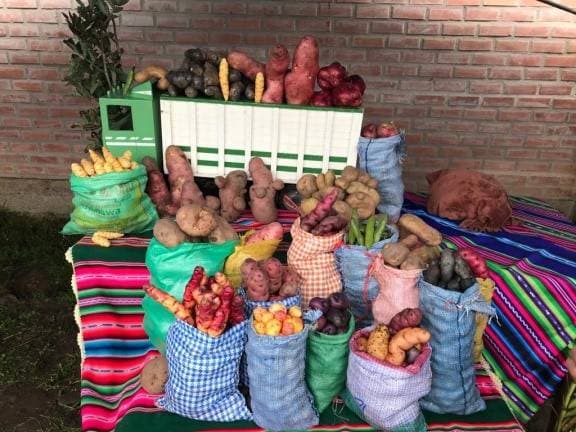
Collection and participatory recovery of 36 varieties of native potatoes and 19 morphotypes of mashua in Colombia, and 56 varieties of native potatoes, 3 of ulluco, 2 of oca, and 2 of mashua in Bolivia. 48 workshops and 66 field days on Integrated Crop Management, conservation and characterization of native potatoes, and social, organizational, and business strengthening. Establishment of 5 nuclei for conservation and participatory research (NIP) in Colombia for the agromorphological characterization of the collected materials and evaluation of integrated strategies. Production of high-quality and certified seed through in vitro tissue culture and the Autotrophic Hydroponic System (SAH). Creation of a Territorial Innovation System for the production and commercialization of native potatoes and certified seed. Active participation of women (808) in the development of tasks, commitments, and activities framed within the project. De novo assembly of the Tropaeolum tuberosum genome.
Summary icon

Relevant data

Results

Native potatoes varieties characterized
+26
Native potatoes varieties characterized
Trained people
1790
Trained people
Fewer applications of agrochemicals
20%
Fewer applications of agrochemicals
Better yield of native potatoes crops
40%
Better yield of native potatoes crops
Families benefiting directly
250
Families benefiting directly
Beneficiary students
19
Beneficiary students
Field days
66
Field days
Native potato varieties introduced in vitro
55
Native potato varieties introduced in vitro
Video preview
Día de campo en Bolivia
Feria de papas y tubérculos andinos - Bolivia
Multiplicación masiva de papa utilizando el sistema SAH
Establecimiento in vitro
Taller - Caracterización de Papas Nativas y Tubérculos Andinos
Establecimiento NIP
Papas Nativas
Cultivo de papa nativa
Taller
Agricultores capacitados 2021

Participating Organizations

 - Bolivia

Bolivia

 - Bolivia

Bolivia

Asoagroalizal - Colombia

 - Colombia

Colombia

 - Colombia

Colombia

 - Colombia

Colombia

 - Colombia

Colombia

 - Bolivia

Bolivia

 - Bolivia

Bolivia

Asoagroalizal - Colombia

 - Colombia

Colombia

 - Colombia

Colombia

 - Colombia

Colombia

 - Colombia

Colombia

 - Bolivia

Bolivia

 - Bolivia

Bolivia

Asoagroalizal - Colombia

 - Colombia

Colombia

 - Colombia

Colombia

Main Donors

 - undefined

Project information

Learn moreProject technical specificationsProject News
No povertyZero HungerResponsible consumption and productionClimate actionPartnerships for the goals
No poverty
Zero Hunger
Responsible consumption and production
Climate action
Partnerships for the goals

Other Impact Stories

The Tangible Impact of Science and Technology in the Field

Story image
Developing competitive livestock production systems with low greenhouse gas emissions in Central Ame...
Story image
Towards more sustainable management in rice cultivation
Story image
Nanofertilizers in soils and nitrous oxide emissions