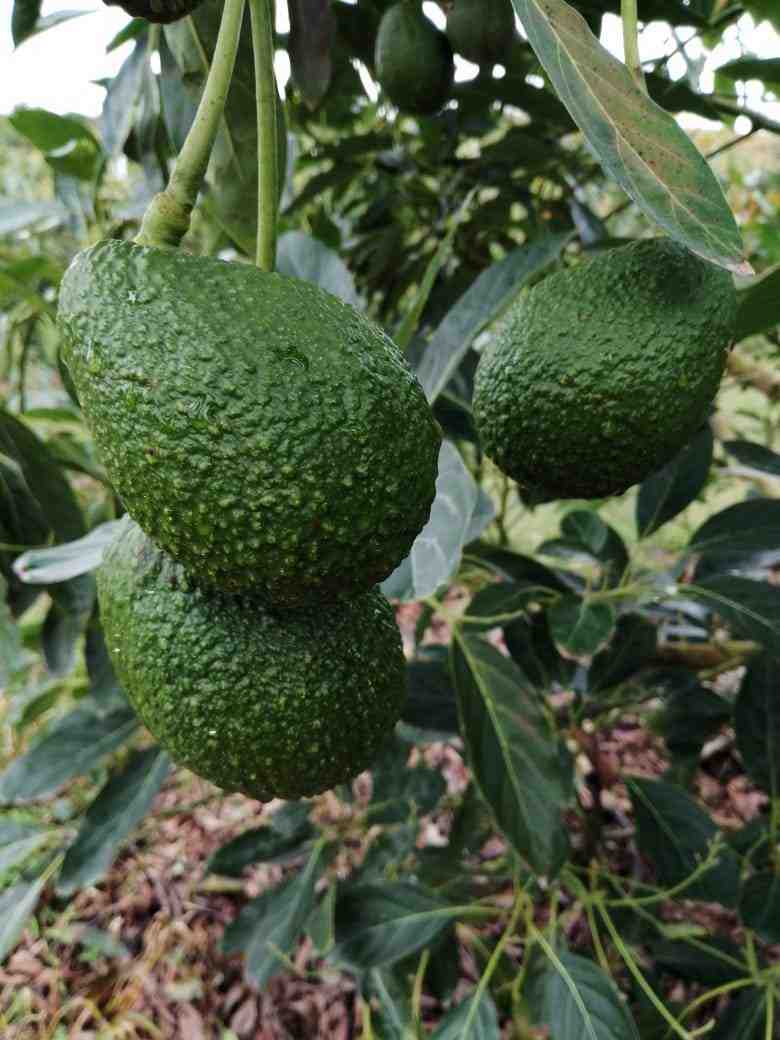
Avocado is an item of high strategic value in the Dominican Republic. This is due to the commercialization potential of the fruit in the markets of the United States and the comparative advantages that the country presents in terms of geographic location in relation to other producing countries. The market could be negatively affected if measures are not taken to guarantee the production of a superior quality fruit that meets the minimum quality standards, which include optimum maturity at harvest, required by the Department of Agriculture of the United States (USDA).
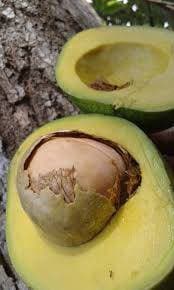
The chlorophyll fluorescence technique was experimented with, with the help of a fluorometer, as a non-destructive method to determine the optimal harvest time. In addition, the traditional methods used by producers to determine the maturity index were established. 48 Creole materials with export potential were identified, of which 27 came from the Creole collection of the Pedro Henríquez Ureña University (UNPHU), 3 from different producers in San Cristóbal, 7 from a producer's farm and 11 from an Educational Farm located in the Espaillat Province, in the North of the country.
A methodology was developed to determine the optimal time to harvest avocado. The effect of the edaphoclimatic conditions of the production areas and the management of the avocado crop on the quality attributes was determined. Non-destructive (fluorometry), quality and phenotypic methods have been explored to determine the optimal harvest time. It was found that there is no feasibility of the use of chlorophyll fluorescence as a non-destructive method in determining the optimal harvest time in green avocados.




 Basic Genetics




 Impact
 Initiatives
 Dashboard
 Alliances
 Impact
 Initiatives
 Dashboard
 Alliances