




 Agronomic PracticesClimate changeStrategy 1. Resilient farmsStrategy 2. Sustainables territoriesAdaptativeTechnological-Organizational-InstitutionalFamily agricultureRural ExtensionClimate smart agriculture
 2014
2014 Closed
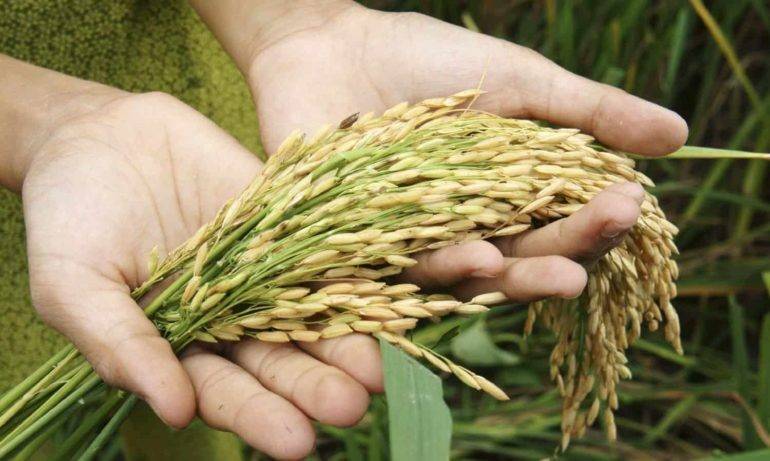
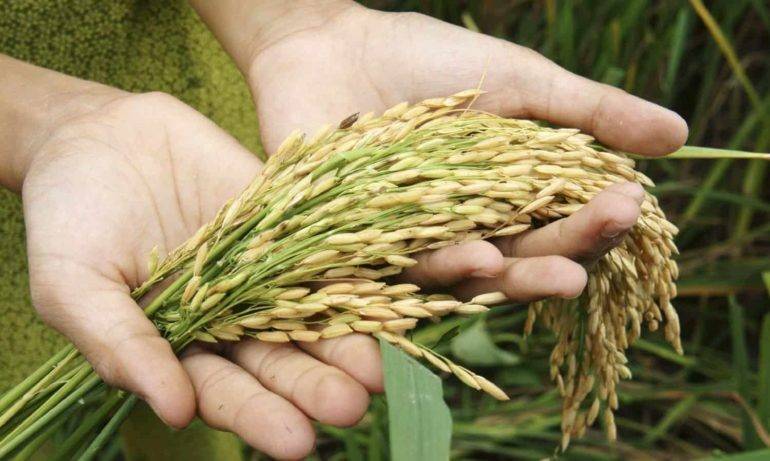
Reducing the vulnerability of small rice producers in Nicaragua, Costa Rica, and Panama through technological innovation and collaboration platforms was the central objective of this project. Specific actions emphasized food security and adaptation to climate change through efficient practices, related, in particular, to water and soil resources. The system of rice intensification (SRI), specifically the organic version, was used to attempt to minimize agrochemical use and thus protect soil health and beneficial flora.
In Panama, SRI plots were compared with conventional transplant methods and in Costa Rica and Nicaragua SRI plots were compared with traditional planting systems known as “espeque” or “chuzo”. The SRI plots received organic fertilizers at the time of land leveling. Transplants were performed with seedlings between 8 to 10 days after germination, placing one every 25 centimeters between plants and 25 centimeters between rows. Intermittent irrigation was used for water management in the plots.
The socialization and training component included Field Schools (ECA) and participatory workshops with group techniques such as discussion maps, surveys, brainstorming and rapid diagnostics.
Research conducted on small plots and excess rainfall that, in several cases, made it difficult to measure water use efficiency, means definitive conclusions regarding the SRI system under this project can not be made, however results do show positive trends that clearly indicate the potential for SRI in the region.
Producer surveys indicate that 48% depend on external income (wages, subsidies) and that family farming is the main source of food. About 68% of the rice produced is destined to family consumption and close to 70% of producers obtain very low yields.
Results include the activation of collaboration platforms in the three countries; the training of 10 technicians in the design and analysis of baselines; a 45.6% and 42.8% increase in yields in Costa Rica and Nicaragua, respectively, and enhanced water use efficiency of 17% and 52% in Panama and Nicaragua, respectively. Results also highlight the good performance of SRI plots in relation to the attack of diseases to foliage, panicles and grains, considering that no chemical products were applied.
A total of 575 producers were trained or informed about the SRI
This project actively contributes to achieving the Sustainable Development Goals, promoting more equitable, resilient, and sustainable regional development.

José Alberto Yau Quintero
PanamáEvelyn Itzel Quirós McIntire
PanamáJohnny Aguilar Rodríguez
Costa RicaJuan Carlos Valverde Conejo
Costa RicaNelson Brizuela Cortez
Costa RicaEgda Castillo
NicaraguaJosé Isaac Mejía Gutiérrez
PanamáRuth Del Cid
PanamáGloria Gisela Olave Vasquez
PanamáJosé Israel Lopez Rodríguez
NicaraguaMaika Lorena Barría Castro
PanamáThe tangible impact of science and technology in the field
Sponsors


With the support of


January 15, 2020

 Impact
 Initiatives
 Dashboard
 Alliances
 Impact
 Initiatives
 Dashboard
 Alliances




.jpg&w=384&q=75)
