Cacao (Theobroma cacao L) is one of the most important crops in Latin American and Caribbean (LAC) countries. Furthermore, it is the primary income of thousands of families, particularly in rural areas. In recent years, stringent cadmium (Cd) regulations in foodstuffs have been discussed and implemented in several key markets, i.e. the European Union. The prolonged consumption of Cd-tainted foodstuffs can result in severe illnesses and diminish our health, ultimately causing cancer. Cd is a heavy metal and soil contaminant, therefore limiting the soil-to-plant transfer should be a major action towards remediation.
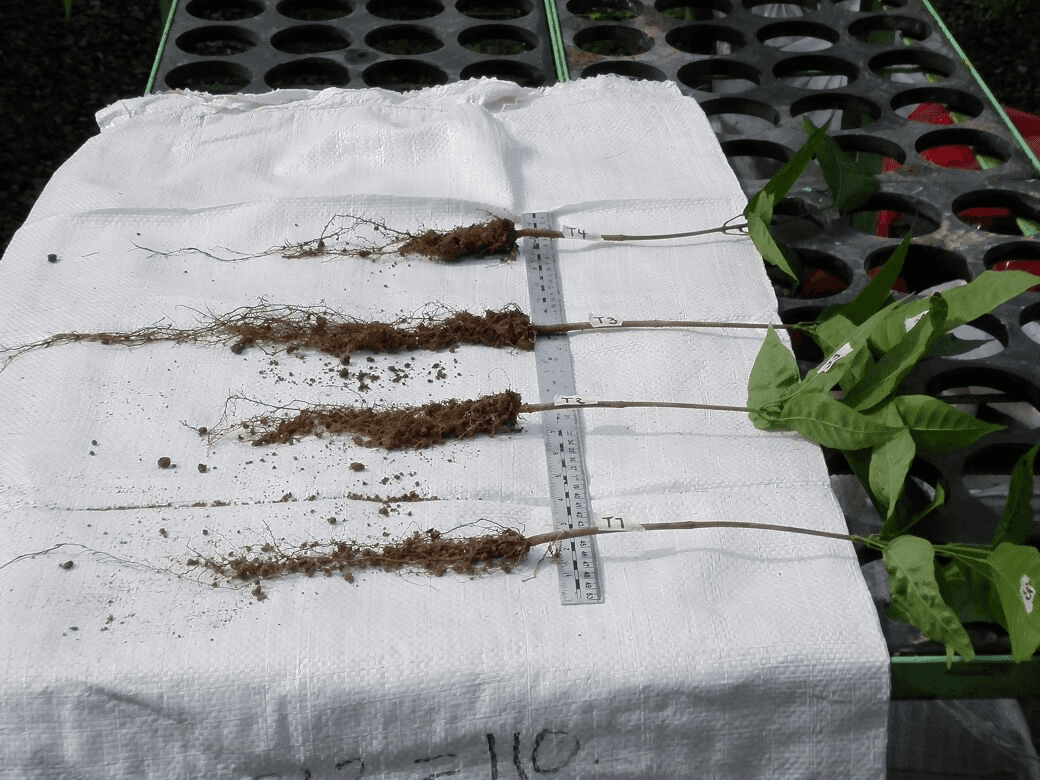
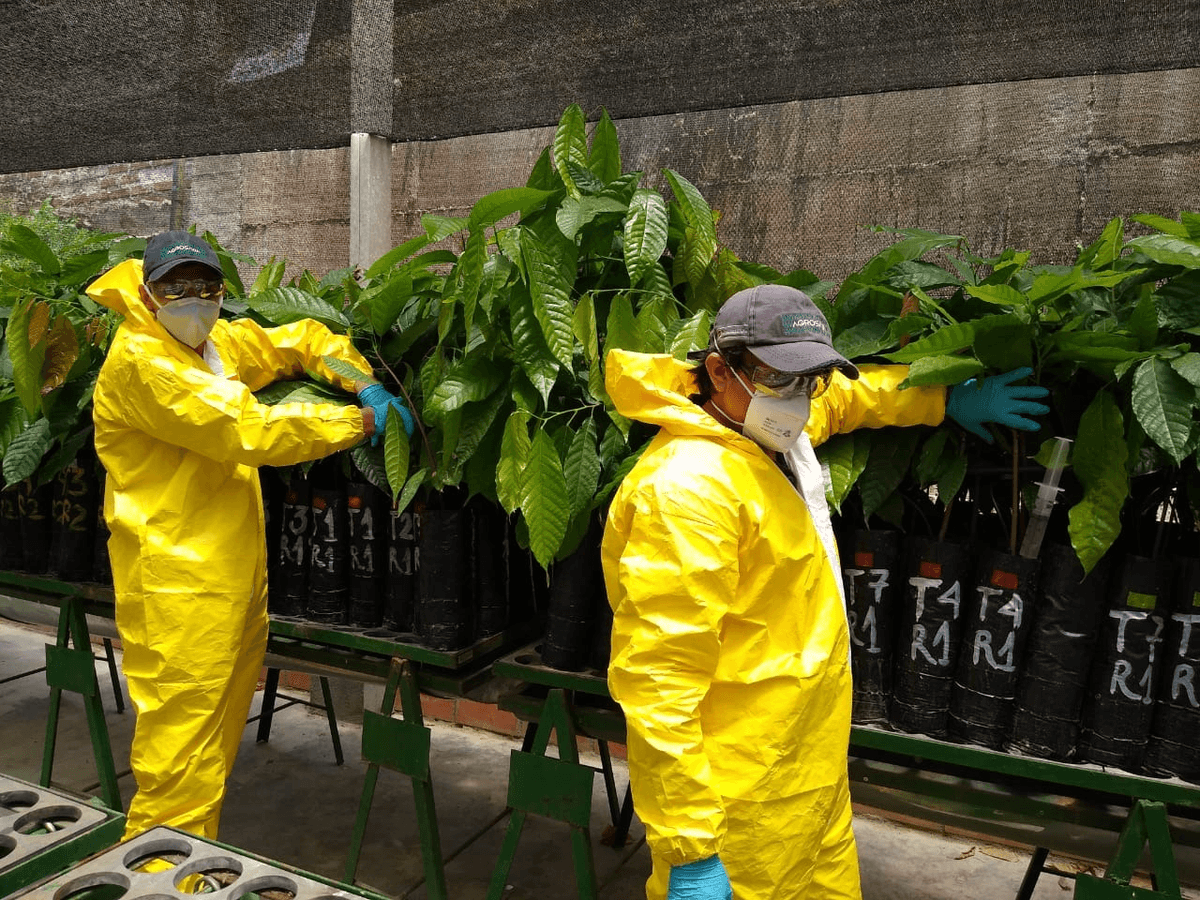
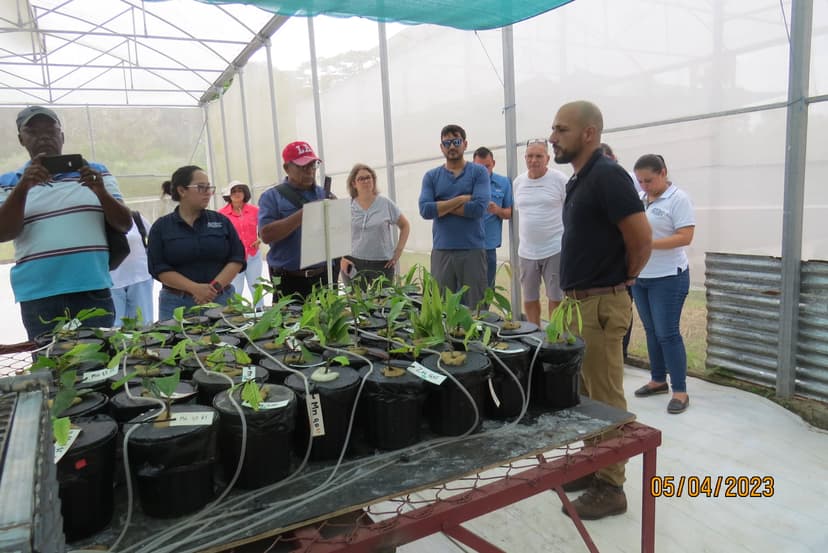
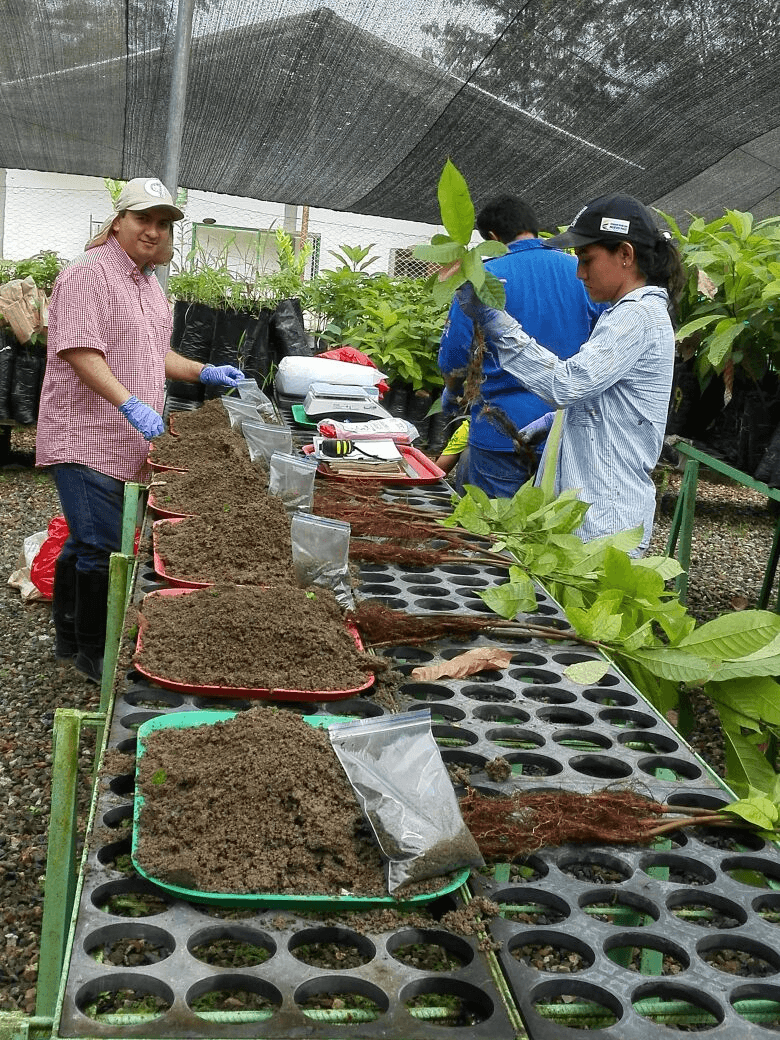
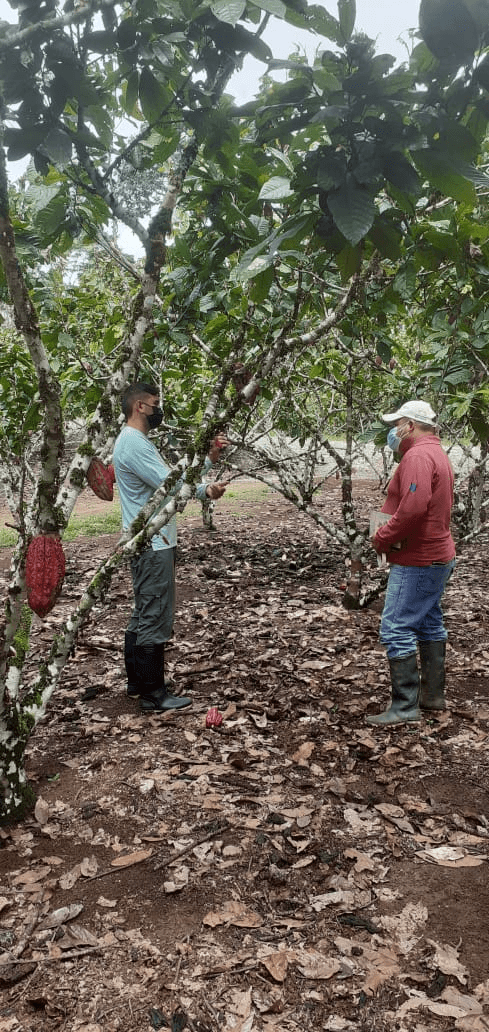
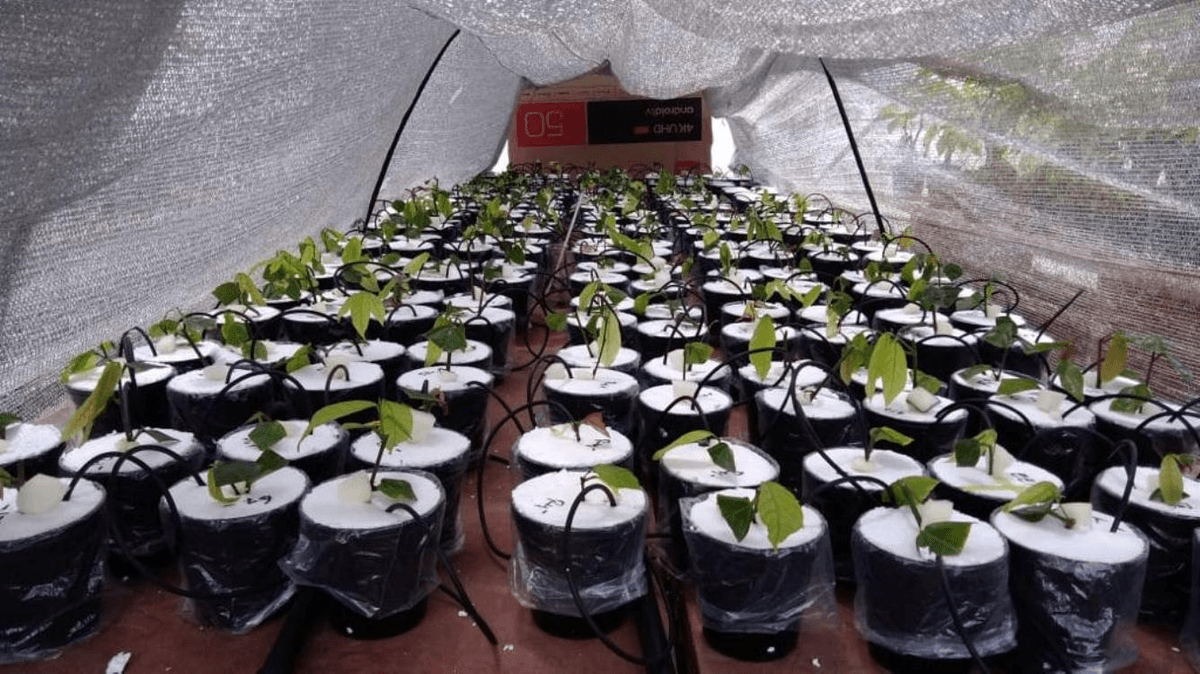
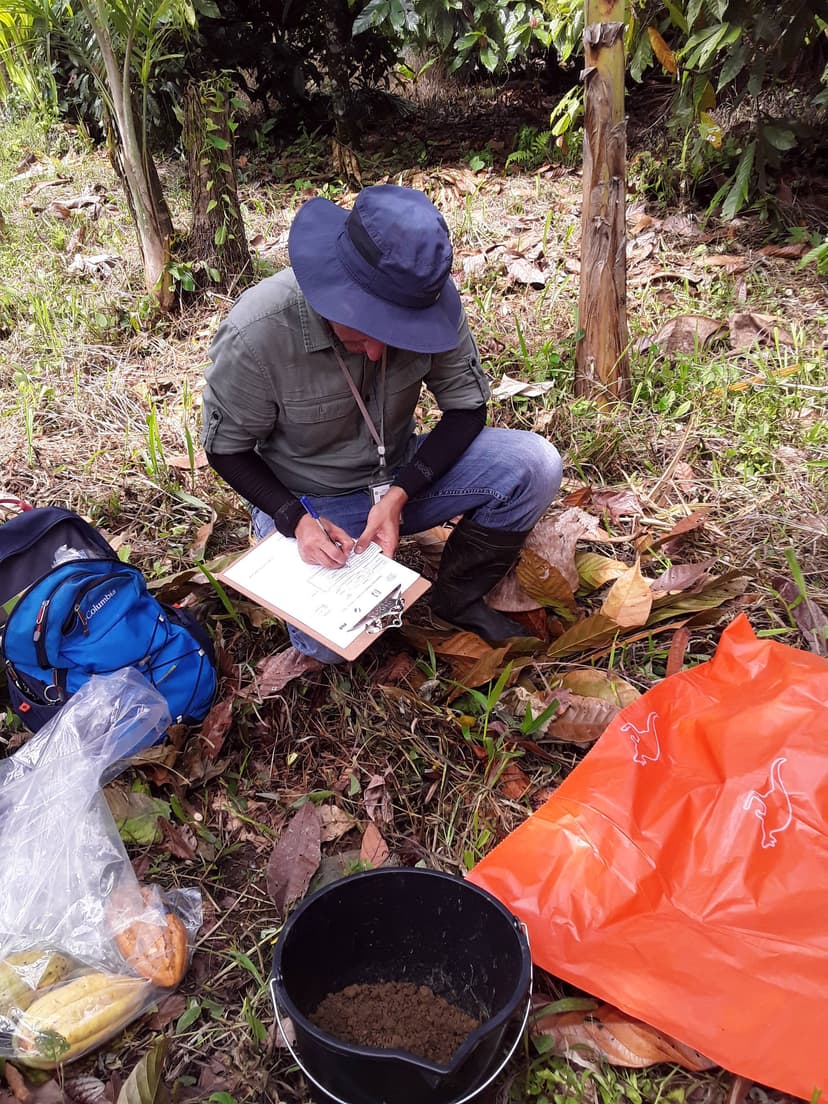
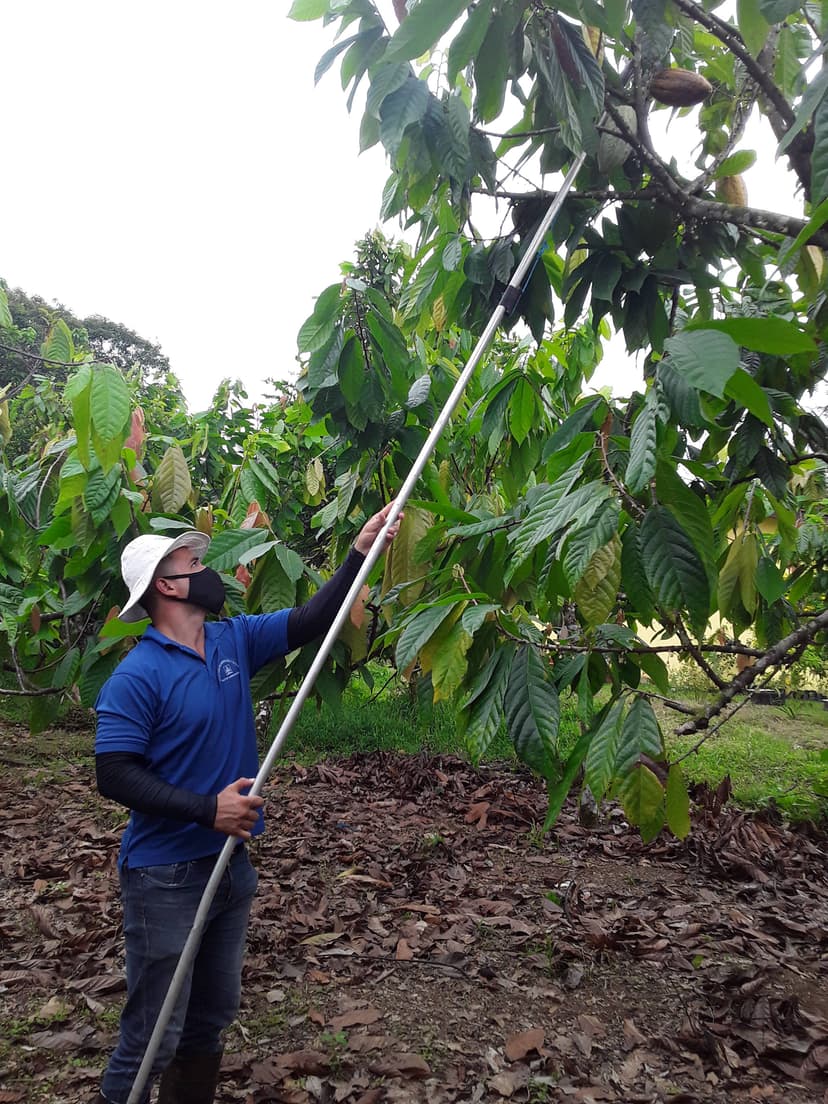
Cadmium is a naturally occurring element present in soils at concentrations < 0.40 mg of Cd per kg of soil (worldwide average). In cocoa plants, this concentration can increase by 4 and 2 times in leaves and beans, respectively. The platform focused on strengthening laboratory analytical capabilities through the incorporation of analytical and quality control systems (QA/QC). Samples were collected to determine sites with high and low Cd concentrations and to create maps. Trials (field and controlled conditions) were implemented to evaluate the influence of genetic factors on Cd absorption. Finally, six field trials were conducted where soil amendments and microorganisms were applied to reduce Cd in cocoa beans.
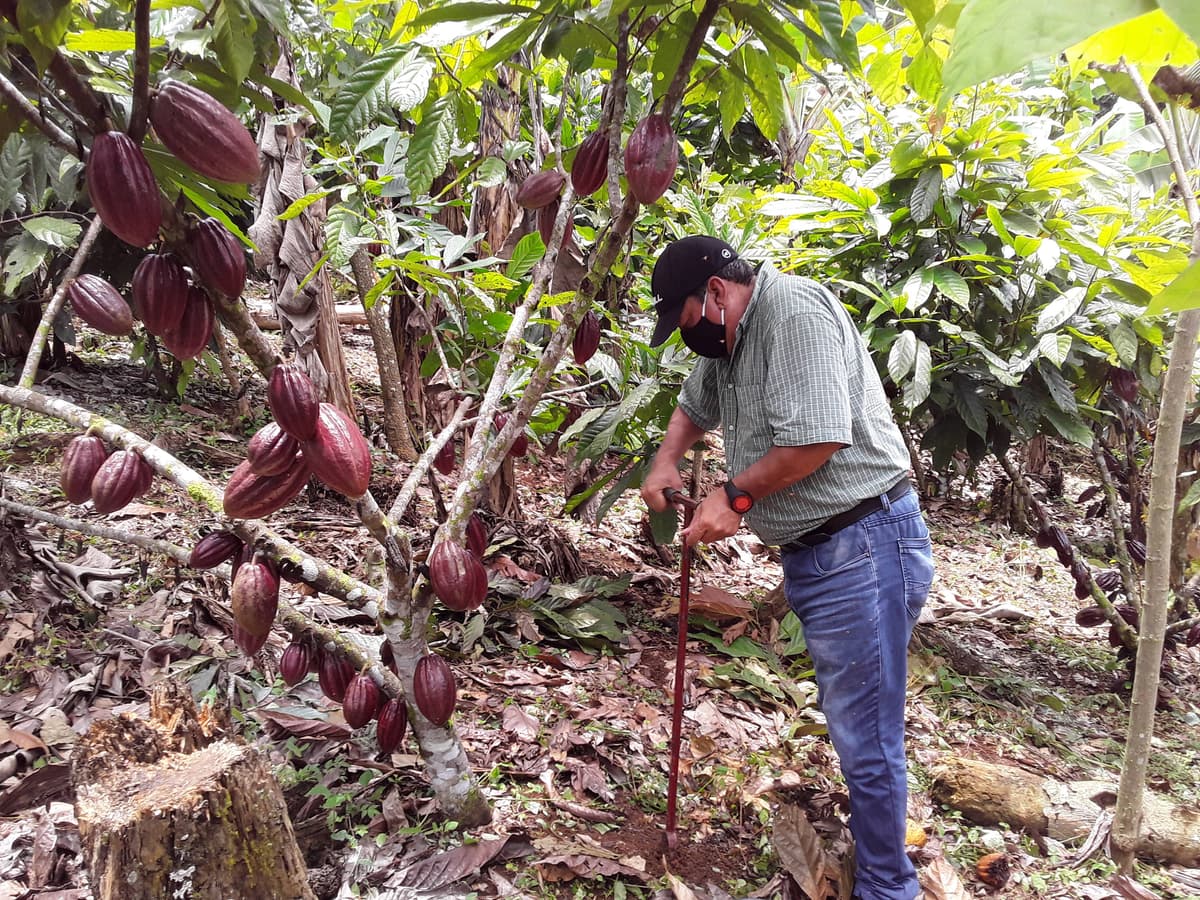
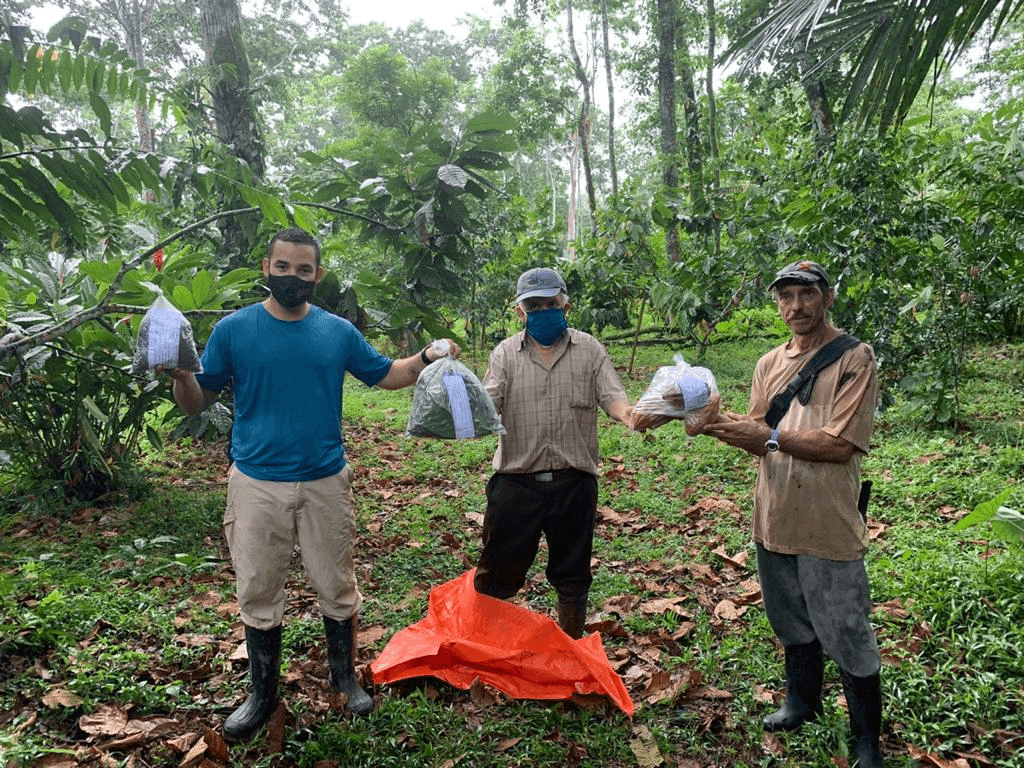
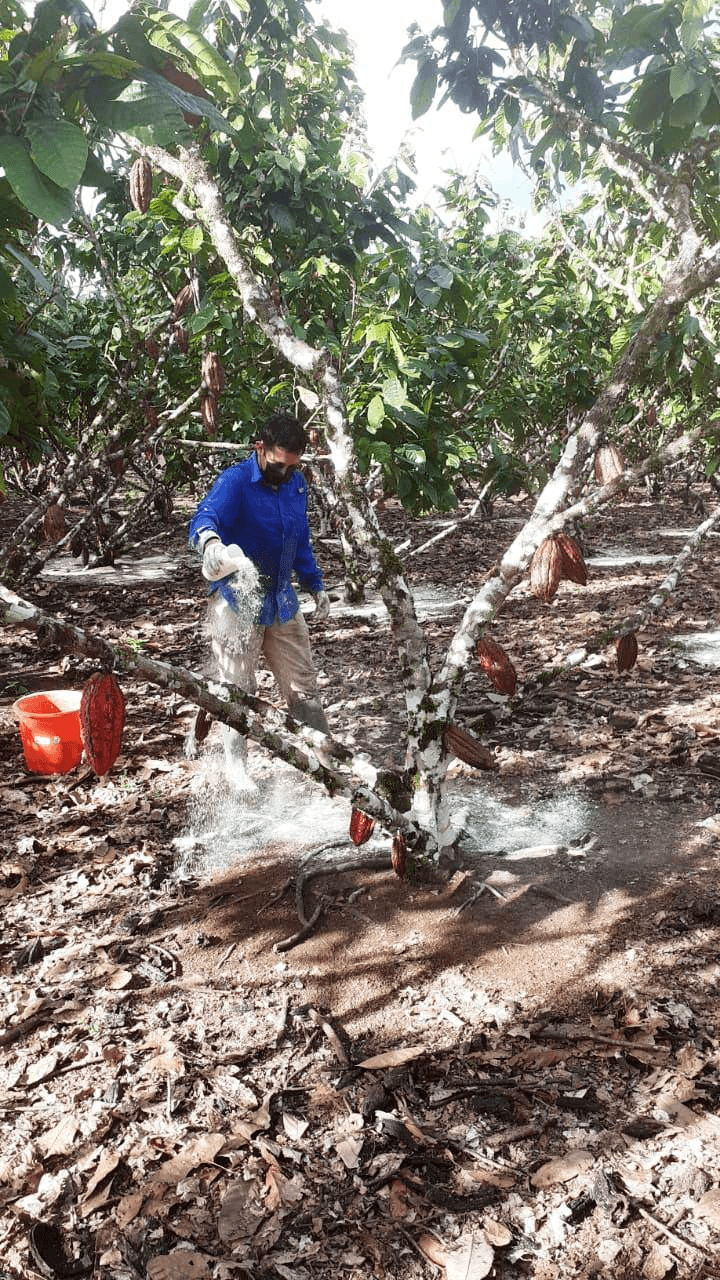
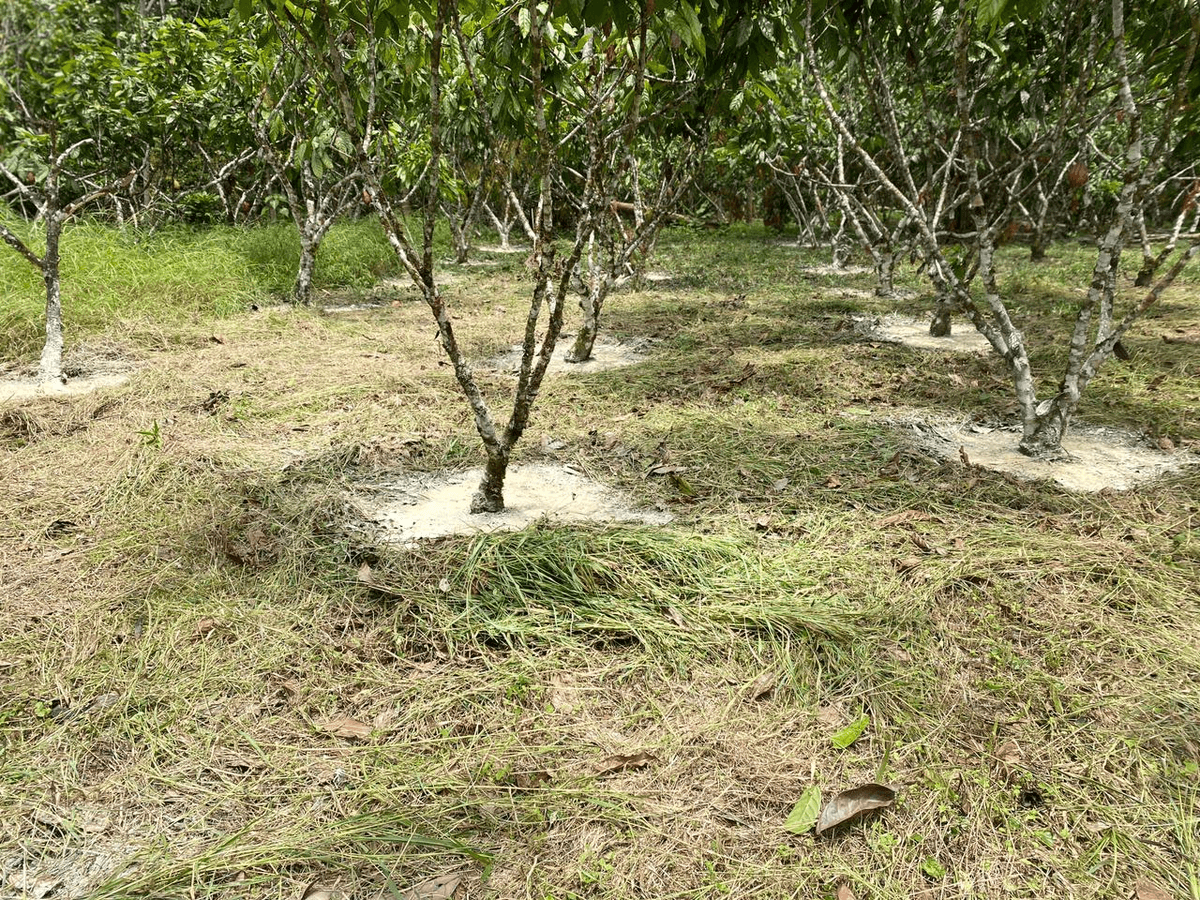
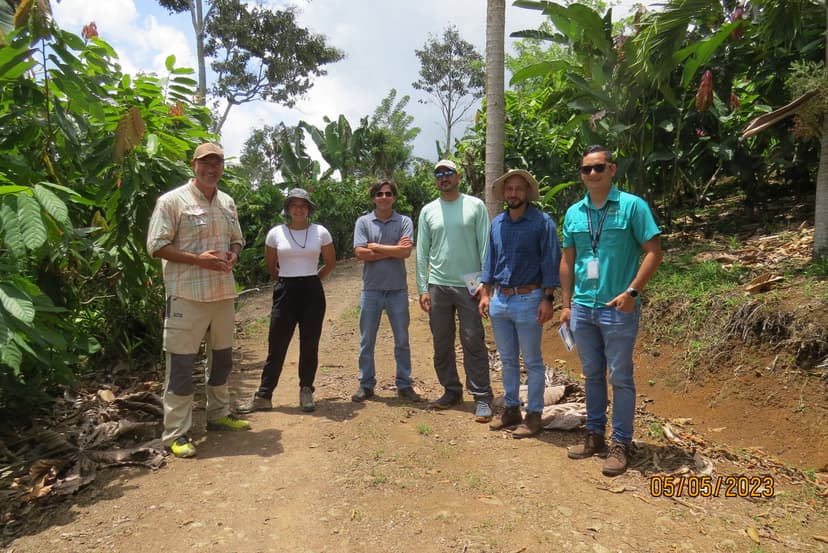
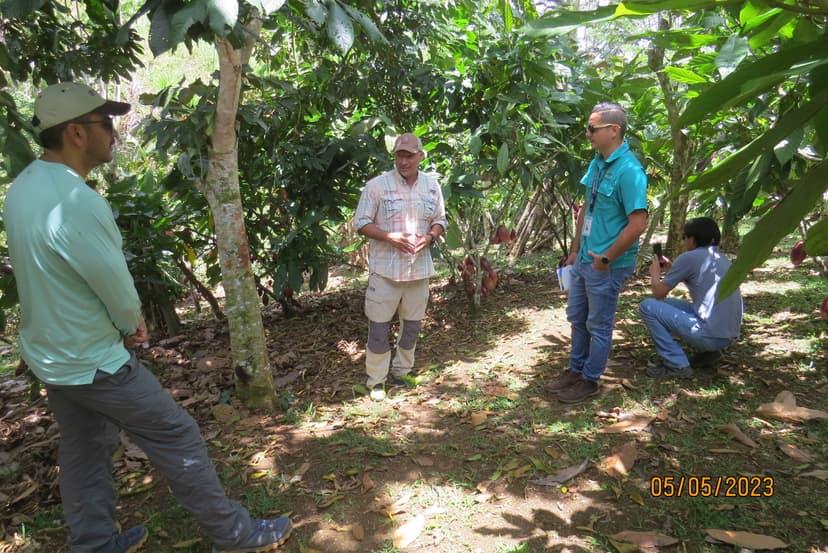
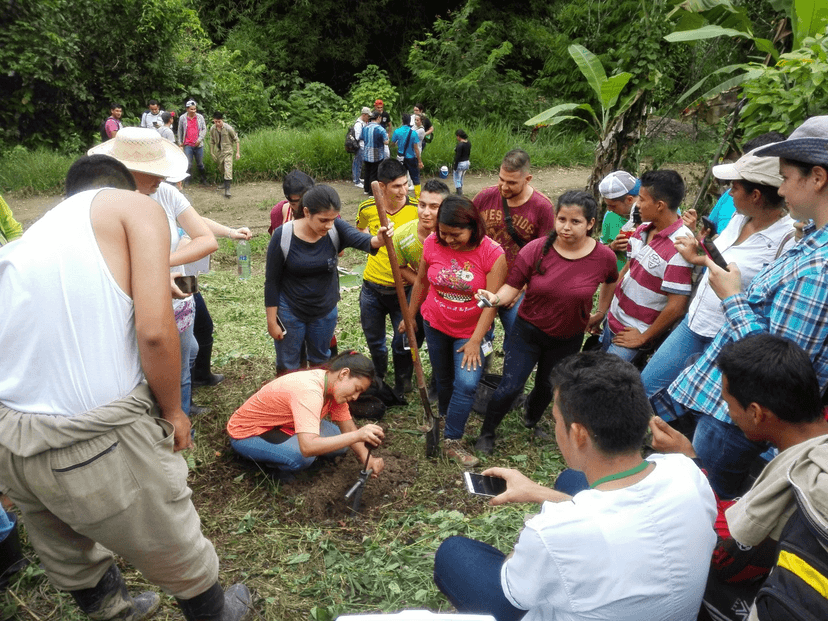
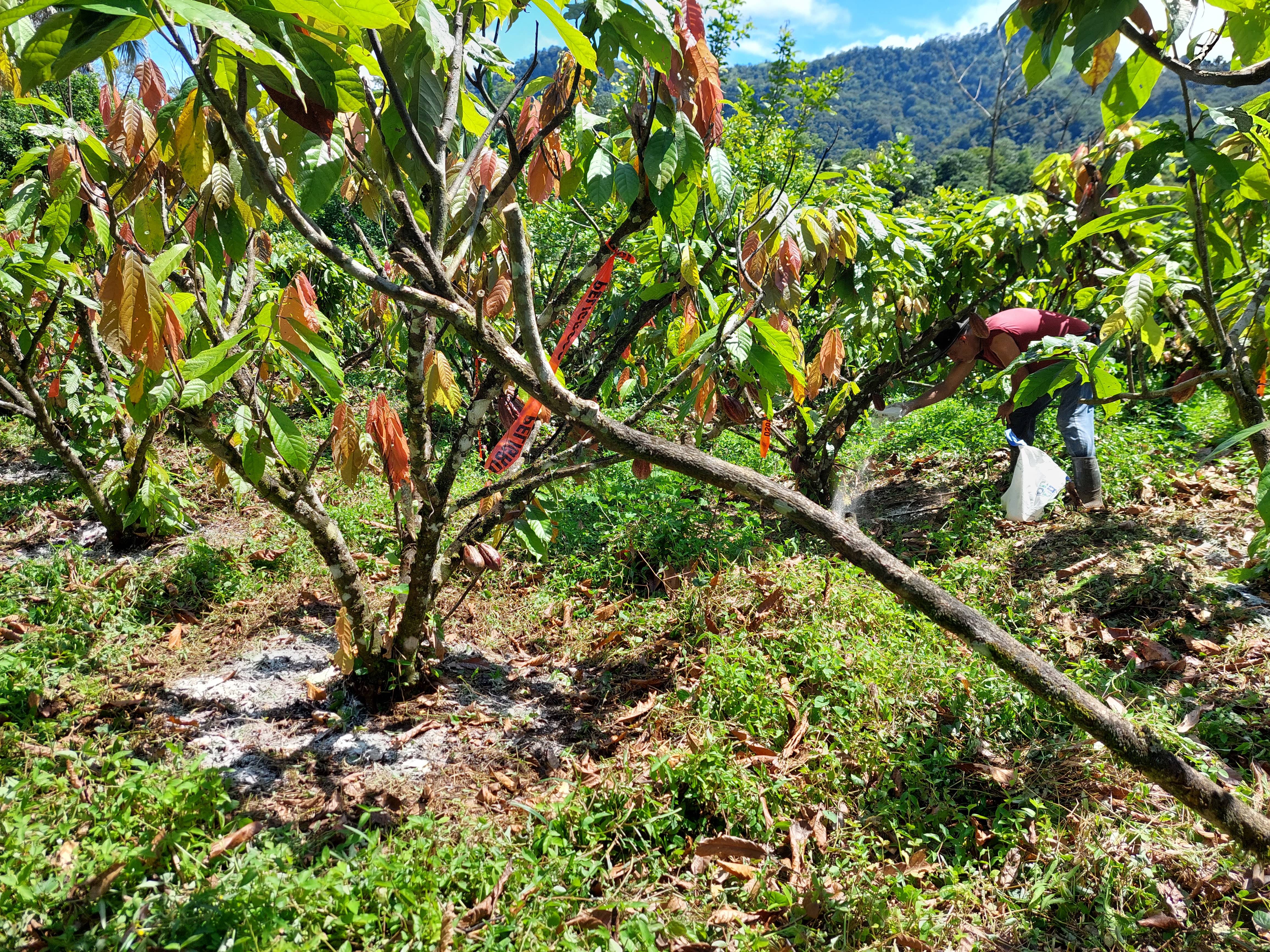
A standard laboratory protocol was established, focusing primarily on quality parameters such as the use of certified reference materials. Spatial determination (mapping) of Cd-contaminated areas was carried out by collecting samples from 150, 600, and 570 cocoa farms in Costa Rica, Colombia, and Ecuador, respectively. A high variability was observed among countries and within regions of the same country, making it difficult to accurately determine Cd contamination in cocoa-growing areas. Extrapolations would be erroneous due to the prediction uncertainty of the maps (> 30%). So far, the best agronomic alternative for Cd management is soil pH increase through the use of agricultural lime. Reductions of up to 50% compared to non-application (control) can be achieved; however, this is achieved gradually and may take two to three years to observe results.




 Agronomic Practices













 Impact
 Initiatives
 Dashboard
 Alliances
 Impact
 Initiatives
 Dashboard
 Alliances