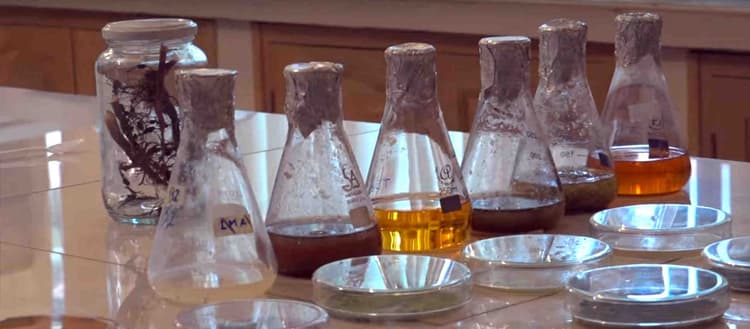
Salmon and trout are the main aquaculture crop in the region, mainly concentrated in Chile, which contributes 95.9% of regional production. Tilapia is the third species of economic importance in Latin America and the Caribbean. Its growth has been constantly increasing, especially the period between 1990 and 2002, in which sales increased 12.7 times, becoming the aquaculture species with the highest growth. Diseases of different origins are present in all stages of the crop, causing losses of more than US $ 150,000,000 each year.
A diagnosis of Latin American aquaculture and its sanitary problems was made, determining that at the local and regional level there is a common and inherent problem in aquaculture activity that refers to the susceptibility of these species to diseases. The most widely used therapies for the health management of diseases at the regional and level are curative, through the use of chemicals and antibiotics. During the Project, bioassays were carried out to determine the biosecurity of the products, as well as studies to evaluate their efficacy for the prophylaxis of infections of the two most important pathogens that affect Latin American aquaculture (Piscirickettsia salmonis) in salmon and the Mancha Blanca Virus. in white shrimp. In addition, tests of the products were carried out under field conditions with tilapia and cachamas.
The results showed that the immunostimulant products developed by Biodinámica are innocuous and safe for tropical species such as tilapia and cachamas, without showing adverse effects in any of the tested conditions. In bioassays with cachamas, additionally, a greater consumption of food with immunostimulant was found during the evaluated period. This demonstrated that there is technical / economic feasibility for the incorporation of immunostimulating products in aquaculture health programs. On the other hand, in those species where standardized biological models were used to study pathogens, positive results were achieved for the control of experimental infections with the Piscirickettsia bacteria in salmon and with the White Spot Virus in shrimp.






 Agronomic Practices





 Impact
 Initiatives
 Dashboard
 Alliances
 Impact
 Initiatives
 Dashboard
 Alliances