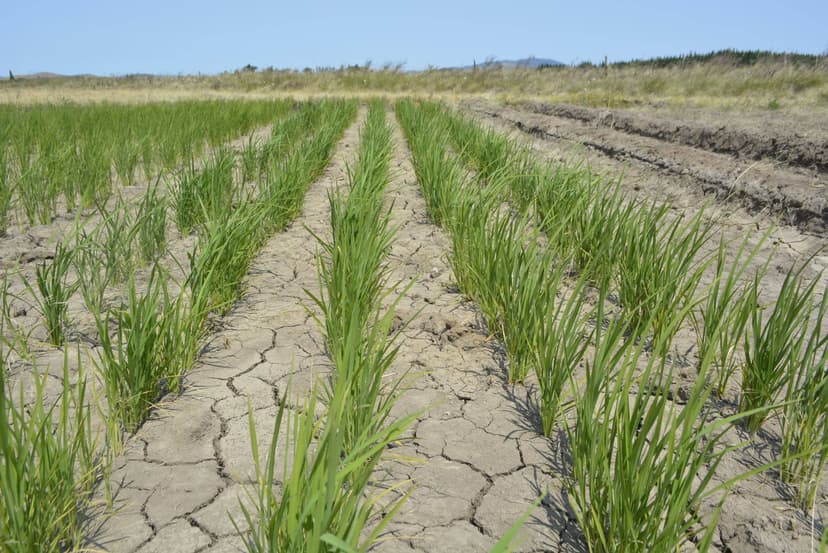
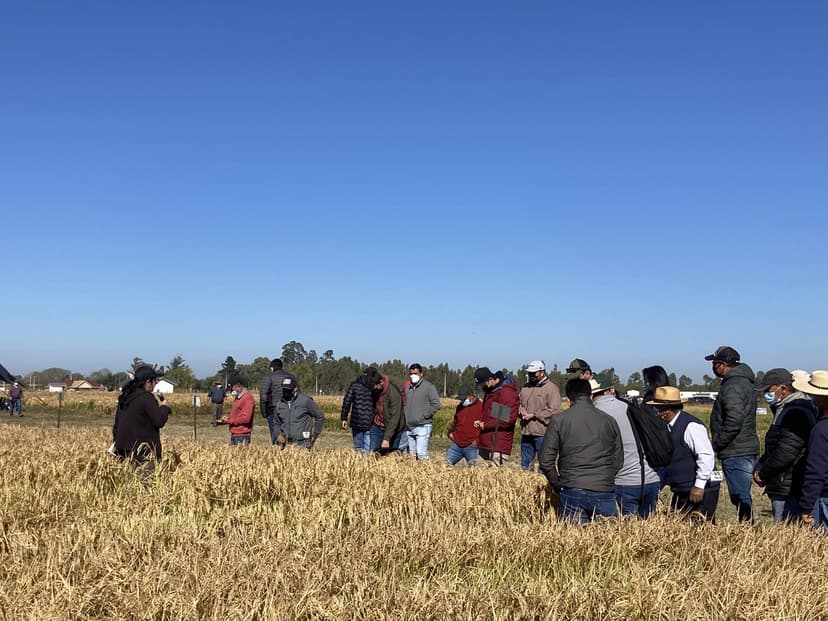
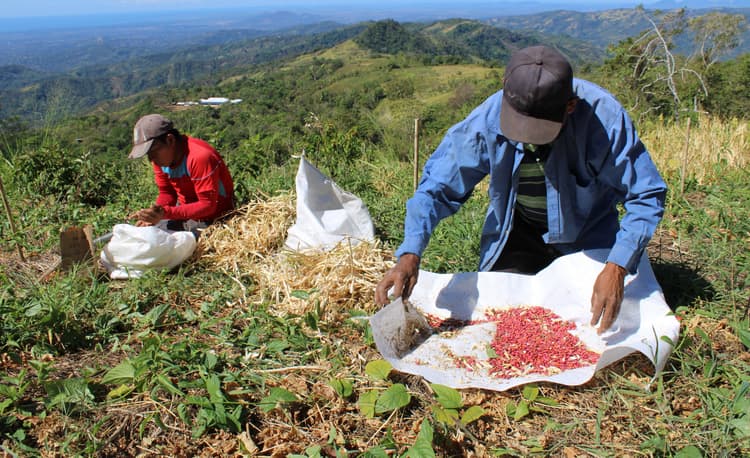
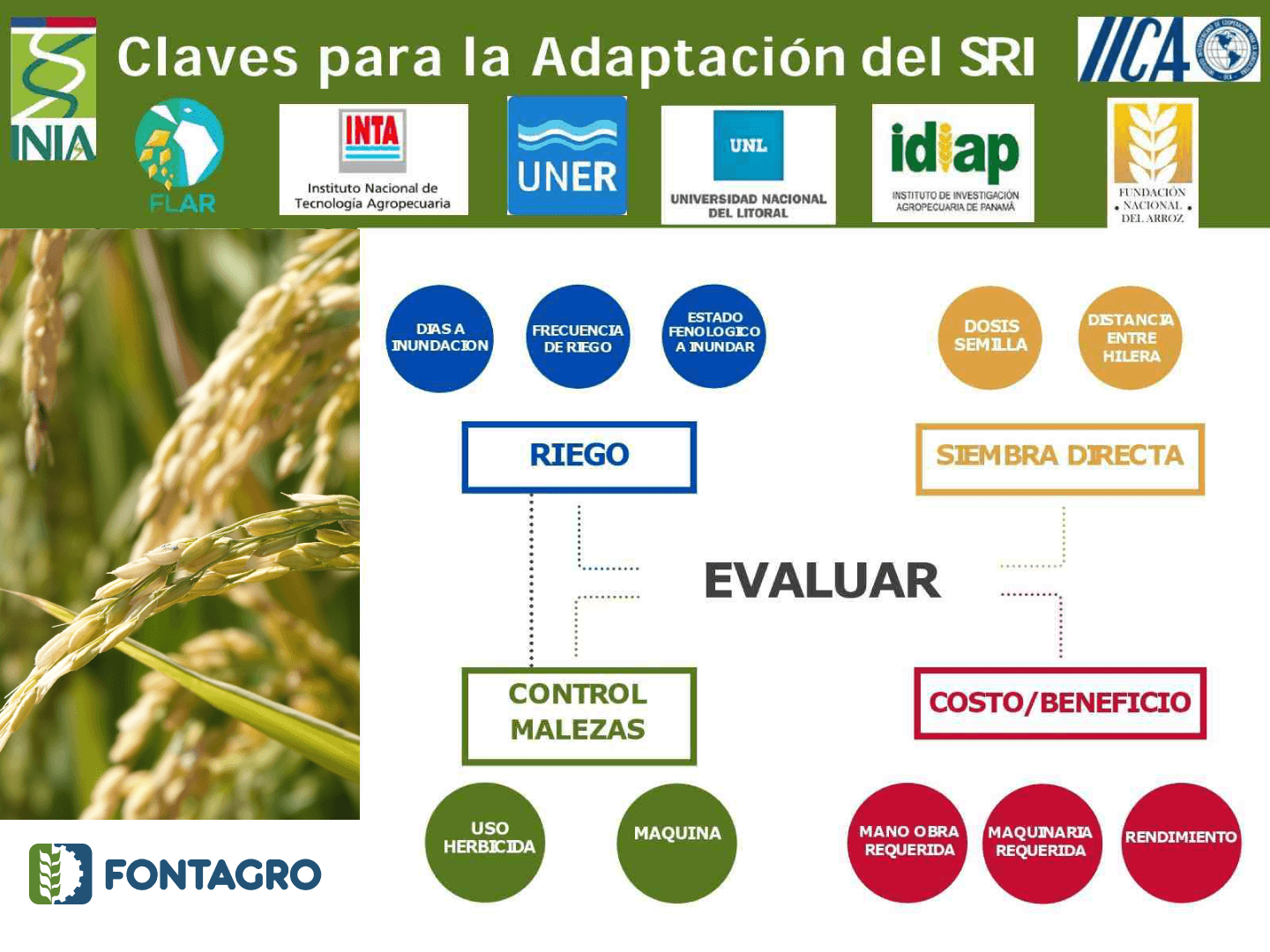
There is an urgent need to produce high volumes of rice for the growing world population, but with two key challenges: doing so sustainably and addressing increasing climate risks. For this reason, this project proposed using the System of Rice Intensification (SRI) methodology, which promotes a change in management practices that lead to a reduction in the need for external inputs such as water and agrochemicals. This proposal is led by INIA Chile and co-executed by IDIAP Panama and INTA Argentina, it also has important associated institutions such as IICA, FLAR, and FUNDARROZ of Venezuela.
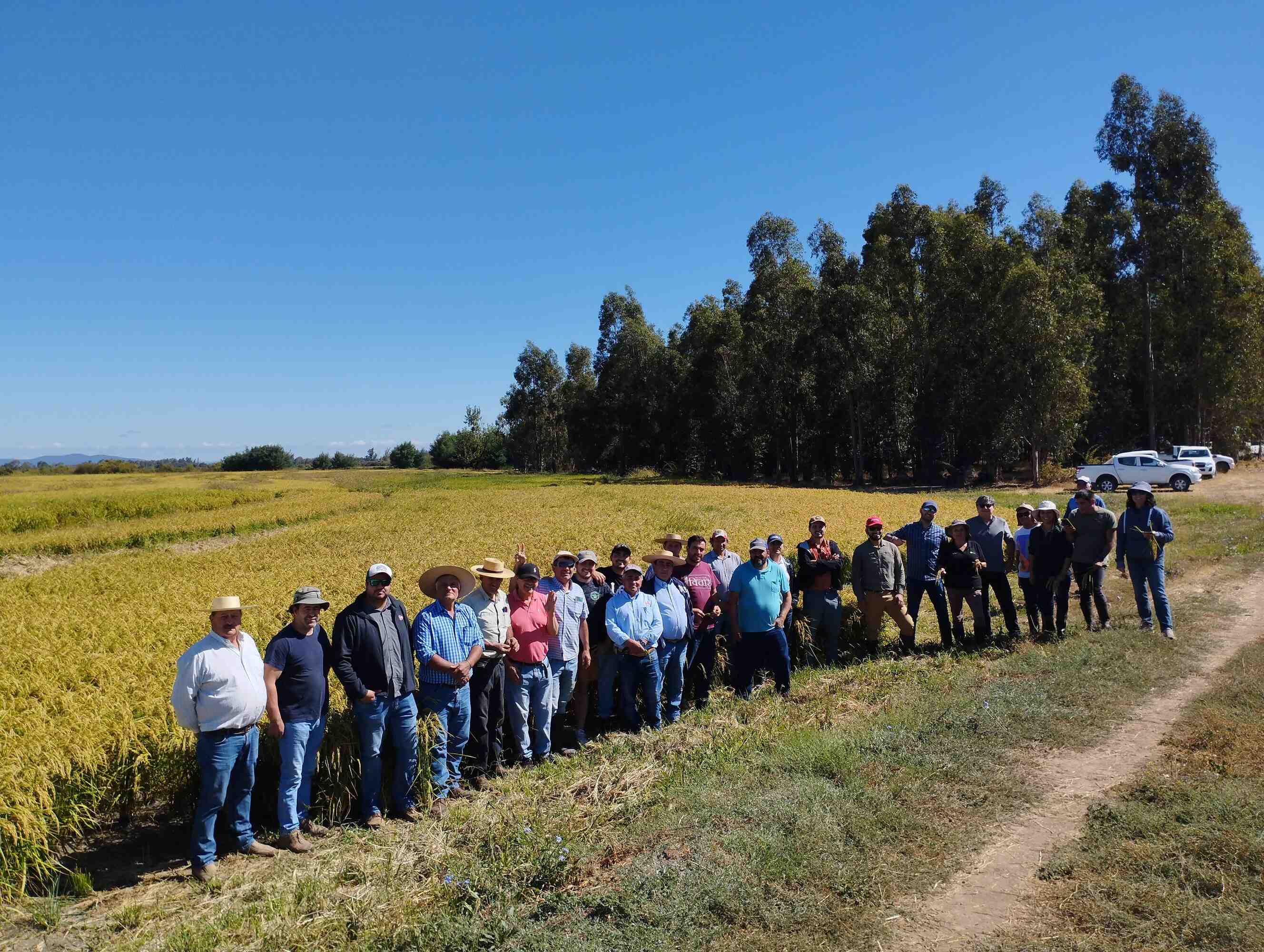
This project aims to establish a technical cooperation platform between Argentina, Chile, Panama, and Venezuela, with the support of other institutions such as research centers, producer associations, and international cooperation agencies. The goal is to disseminate and share knowledge and experience generated in countries where the SRI methodology has already been adapted, validated, and used, in order to facilitate scaling at the commercial level. In addition, the project will support the adoption and validation process in those countries where SRI has not yet been validated, to increase the productivity and sustainability of rice cultivation in the region.
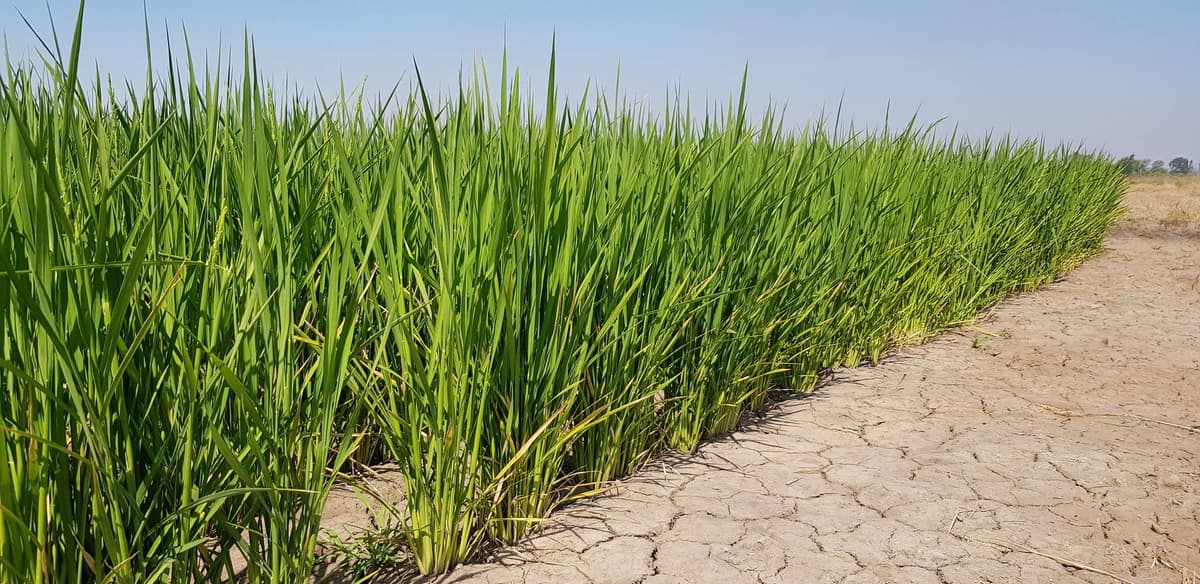
Results using SRI have achieved between a 20% to 100% increase in yield due to agronomic improvements including more roots, stems, spikes and full grains, less lodging and greater resilience to the effects of climate change such as droughts and extreme winds. The system contributes to reducing water use by 10 - 40% during the production cycle. This allows for better soil quality, higher microbial activity and a reduction in methane emissions (up to 60%). SRI reduces the seed required by up to 90% and agrochemical use by 20-50%. Even more important are the socio-economic impacts, which include an increase in profits for family farming producers by reducing costs and increasing yields. The system contributes to achieving the goals of national plans and policies on climate change, water resource management, food production and poverty reduction.




.jpeg&w=3840&q=100)
 Agronomic Practices















 Impact
 Initiatives
 Dashboard
 Alliances
 Impact
 Initiatives
 Dashboard
 Alliances
.jpeg&w=1200&q=75)