 Impact
 Initiatives
 Dashboard
 Alliances
 Impact
 Initiatives
 Dashboard
 Alliances


Learn more about this story
Project Webstory
Go to webstory




 Agronomic PracticesAppliedTechnological-Organizational-Institutional
 2018
2018 Closed
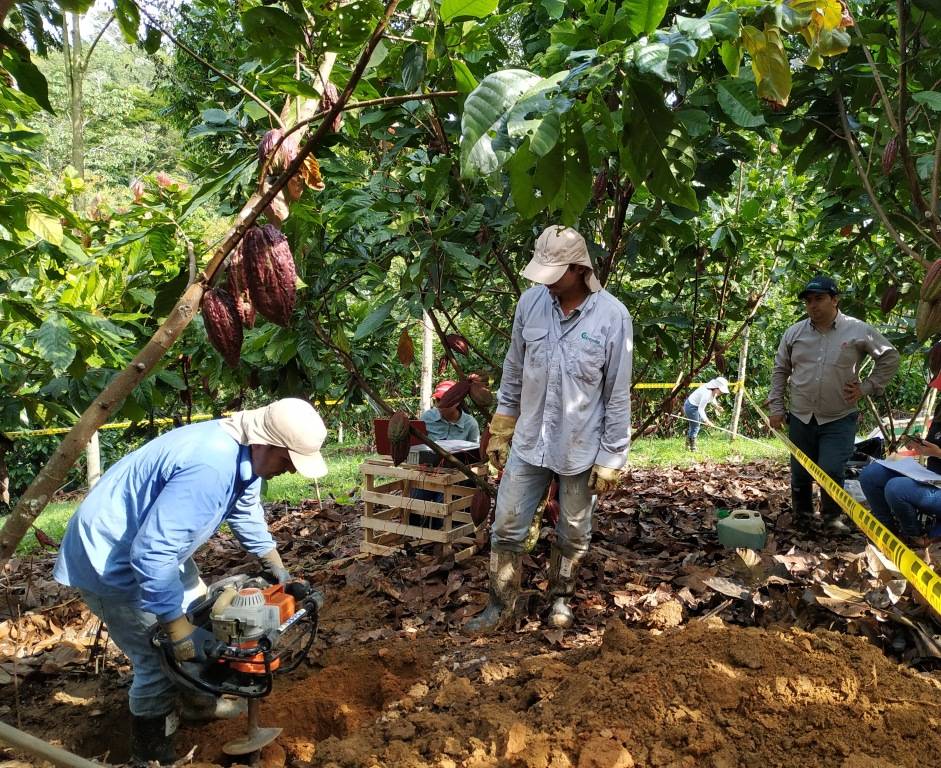
The developed methodology places special emphasis on the incorporation of analytical and quality control (QA/QC) systems through: 1) use of analytical blanks, 2) calibration curve reporting, 3) determination of repeatability, 4) use of certified reference materials, and 5) measurement of Cd-contaminated solutions.
Three maps (Colombia, Costa Rica, and Ecuador) of cadmium hotspots were developed, which will aid decision-makers in policy application and future research. Additionally, this technological tool underlies a development methodology that will be useful for other countries as needed.
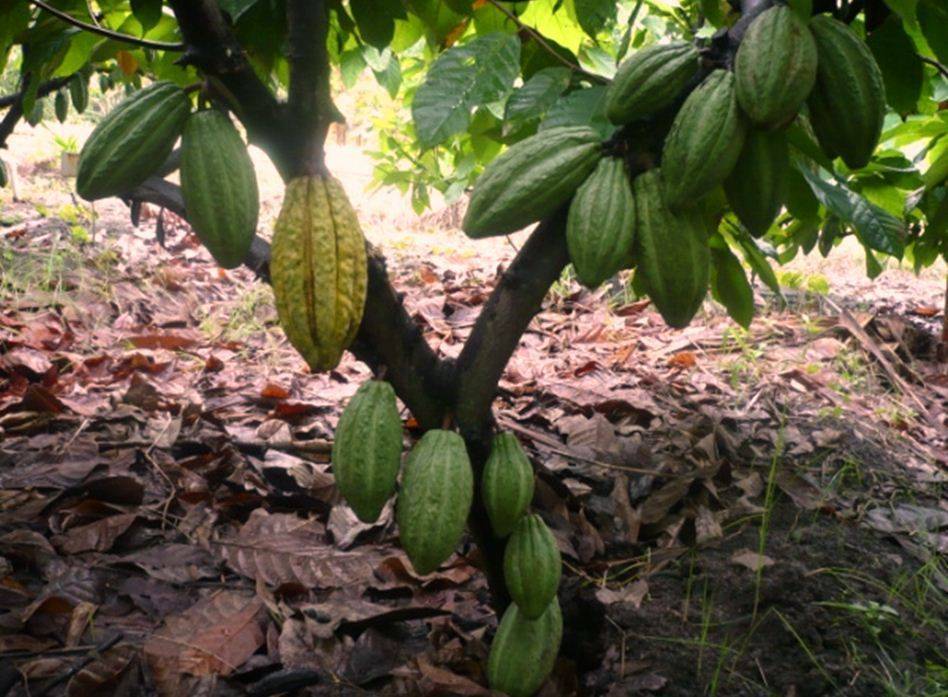
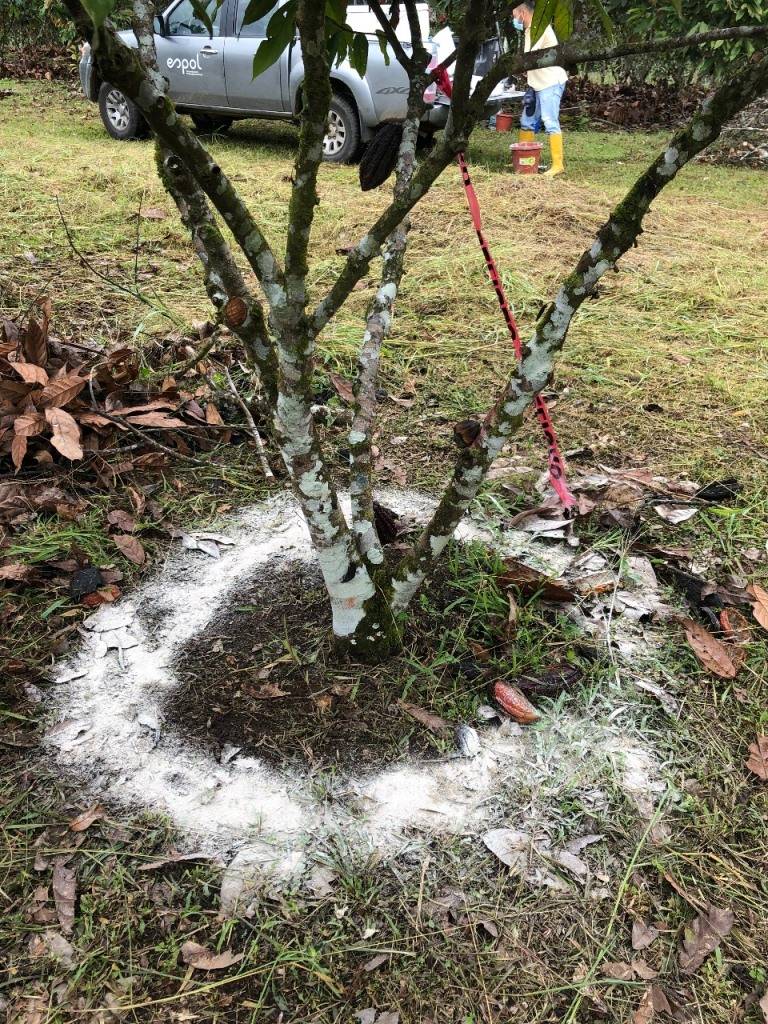
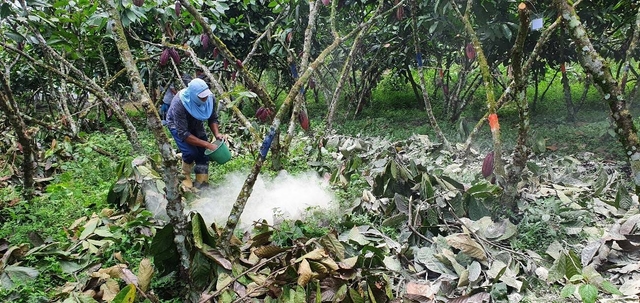
Seven cocoa varieties with low cadmium absorption capacity were identified and suggested for use in genetic improvement programs. Additionally, three amendments were identified that, when applied to the soil, help reduce cadmium concentrations in tissues.
Throughout the project, the following results were generated:
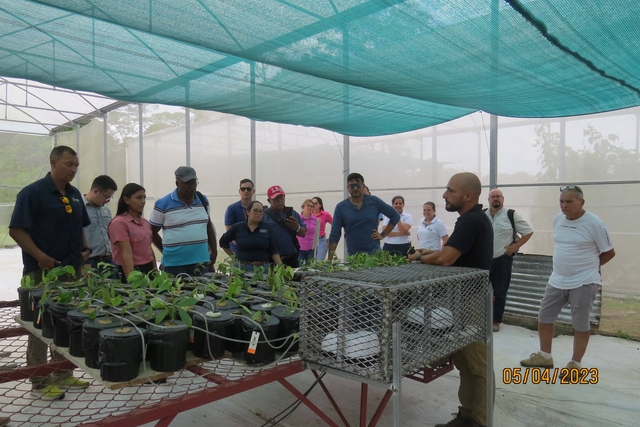
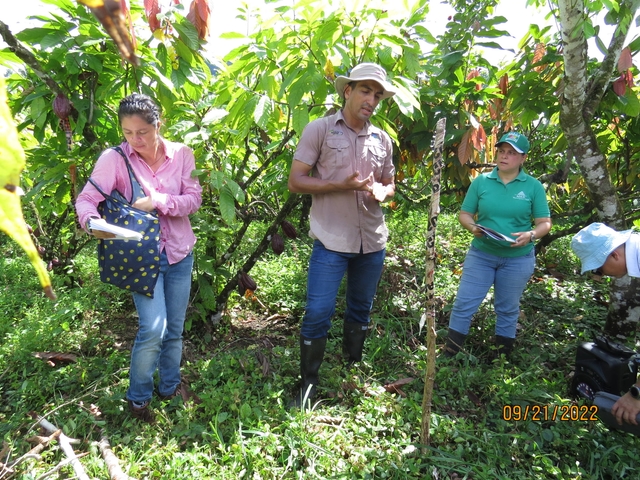
Throughout the project, a total of 2119 individuals were successfully trained through various means, of which 40% were producers and 60% were technical personnel (researchers and extension workers). Additionally, female participation stood at 32% (686), considering cocoa farming as part of family agriculture. A total of 21 training activities were conducted, both virtually and in person, facilitating knowledge exchange and collaborative learning among members from the three partner countries of the Cocoa Platform.
This project actively contributes to achieving the Sustainable Development Goals, promoting more equitable, resilient, and sustainable regional development.


May 30, 2023
May 29, 2023
May 19, 2022
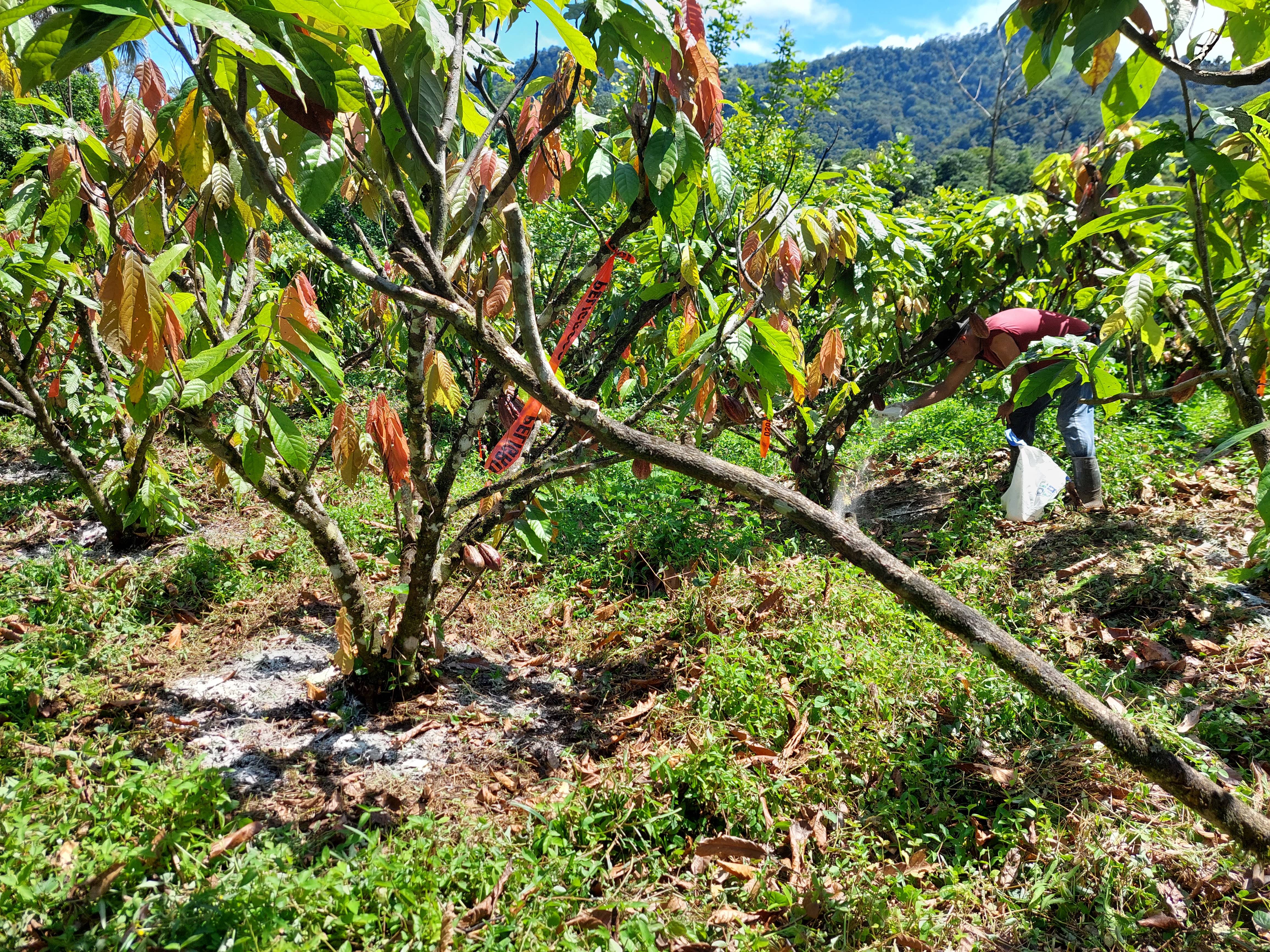
The tangible impact of science and technology in the field
Sponsors

With the support of

Eduardo Chávez Navarrete
EcuadorByron Moyano
EcuadorLaura Ramirez
Costa RicaDaniel Bravo
ColombiaGersain Rengifo
ColombiaFelipe Montealegre
ColombiaLuis Fernando Solano
Costa RicaFrancisco Arguedas
Costa RicaAdriana Santos
EcuadorGuillermo Zambrano
EcuadorKaren Ramirez
EcuadorVictor Sanchez
EcuadorManuel Carrillo
EcuadorIvan Garzon
EcuadorKevin Carrillo
Costa Rica