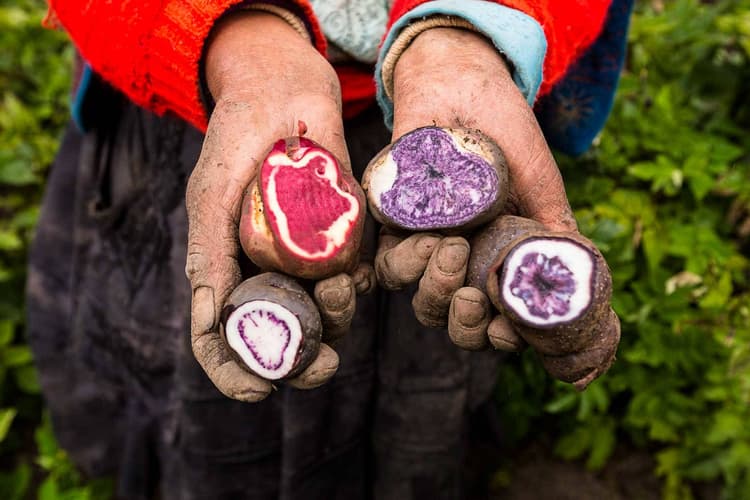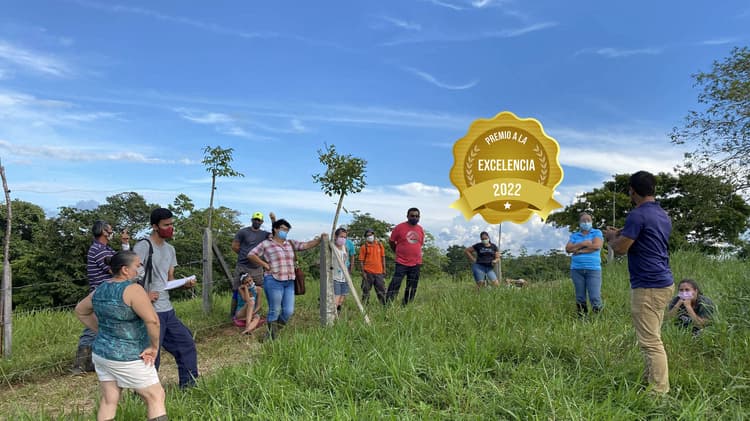
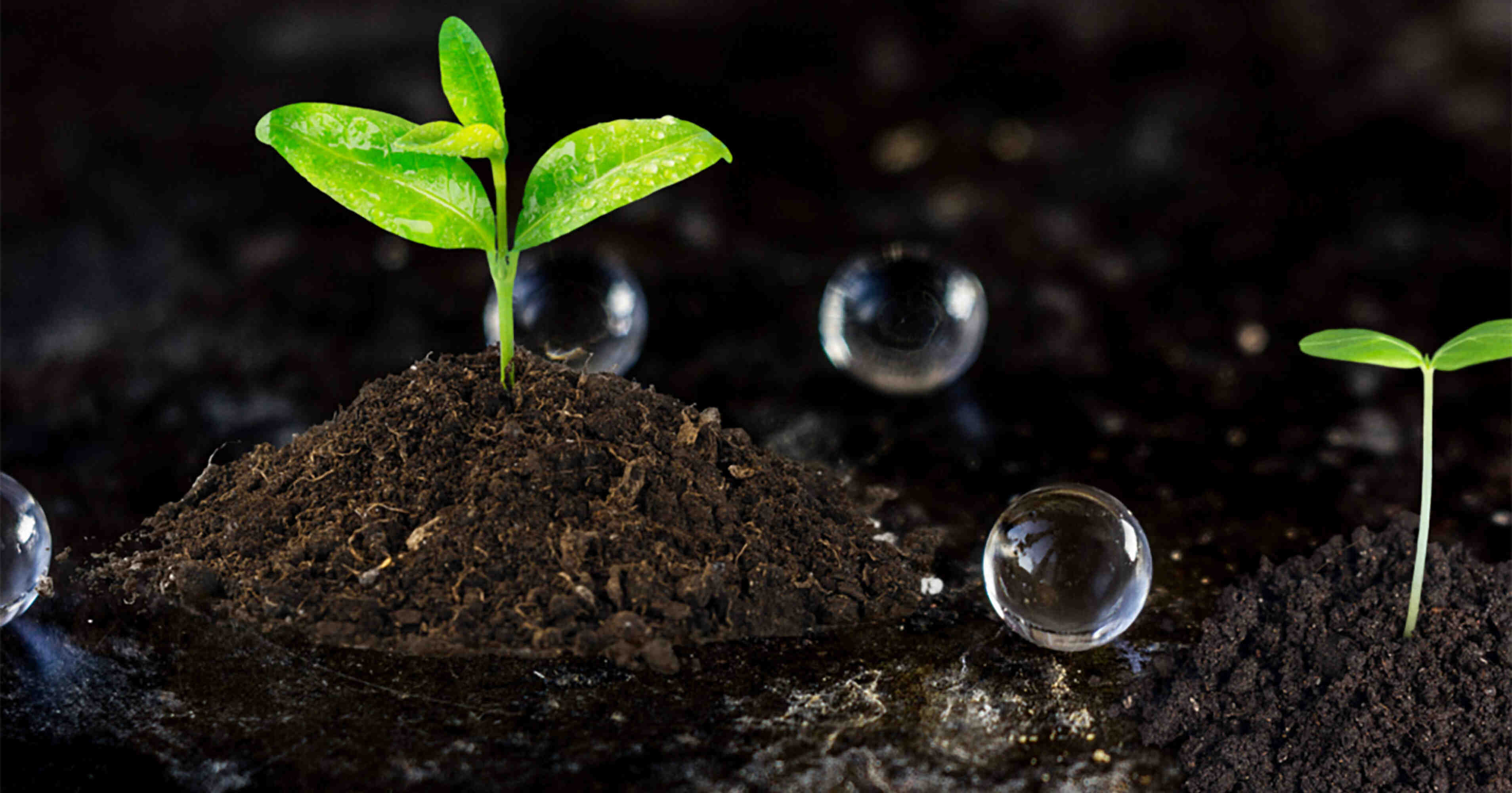
A project to be carried out in the Andean regions of Bolivia and Ecuador will develop nanoclays and hydrogels to improve soil moisture retention, mitigate drought, and adapt crops to new climate scenarios.

Promoting sustainability and resilience in fragile Andean agroecosystems through nanotechnology for efficient soil moisture management to enhance productivity and crop diversification.

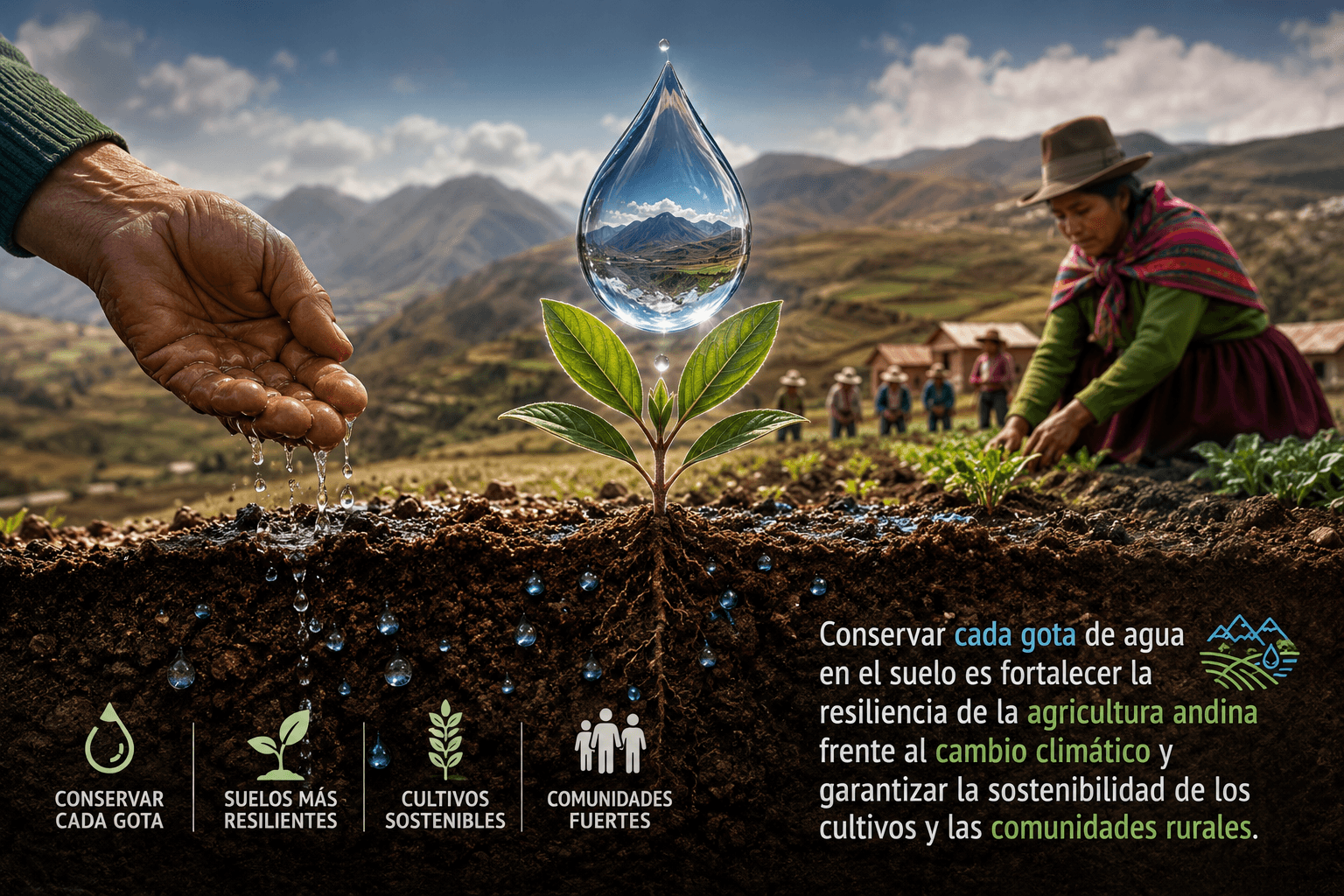
"Conservar cada gota de agua en el suelo es fortalecer la resiliencia de la agricultura andina frente al cambio climático y garantizar la sostenibilidad de los cultivos y las comunidades rurales."— Inspirado en los principios de adaptación climática y manejo sostenible del suelo promovidos por la FAO y el IPCC.
 Agronomic PracticesClimate changeAppliedTechnological
Different nanoclays and organic hydrogels were evaluated for their water absorption and retention capacity. The nanoclays were obtained from clay deposits in Ecuador and processed by grinding and sieving, while the hydrogels were produced from organic residues. Water retention varied according to nanoclay type and concentration. Among the hydrogels, those derived from borojó and sugarcane showed the highest performance, with absorption capacities exceeding 200%. During the 2025–2026 cropping season, both technologies improved quinoa and wheat productivity, with optimal application dose of 1,000 kg/ha of nanoclay and 100 kg/ha of hydrogel. Effects were less evident in potato and could not be assessed in maize due to hail damage. Additionally, 2,000 technical factsheets were produced, 330 farmers were trained, and a Virtual Learning Community was established to support technology dissemination and adoption.
Relevant data









Bolivia

Ecuador

Ecuador

Bolivia
Bolivia

The Tangible Impact of Science and Technology in the Field

 Impact
 Initiatives
 Dashboard
 Alliances
 Impact
 Initiatives
 Dashboard
 Alliances