
 Impact
 Initiatives
 Dashboard
 Alliances

 Impact
 Initiatives
 Dashboard
 Alliances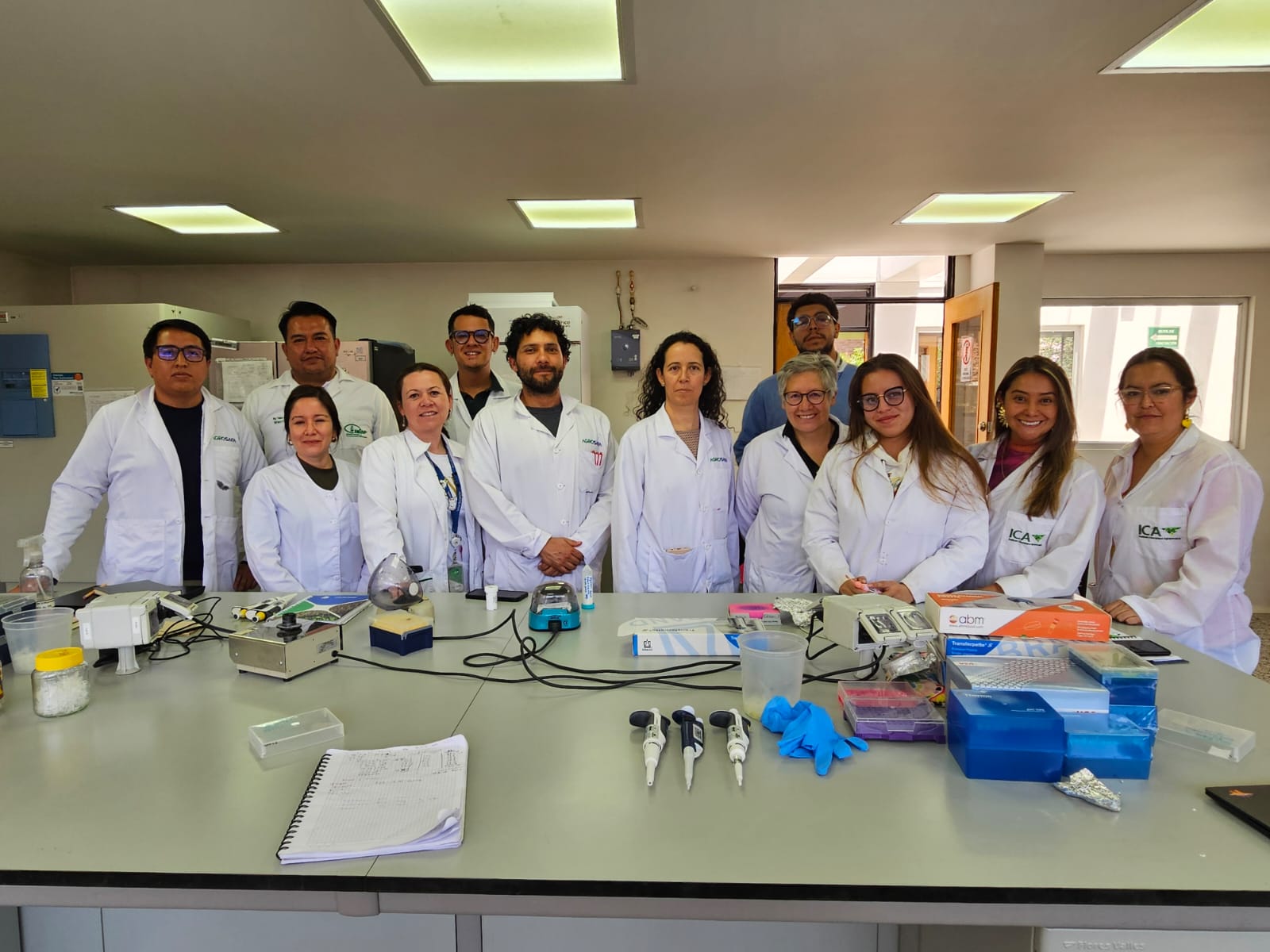

 Technological
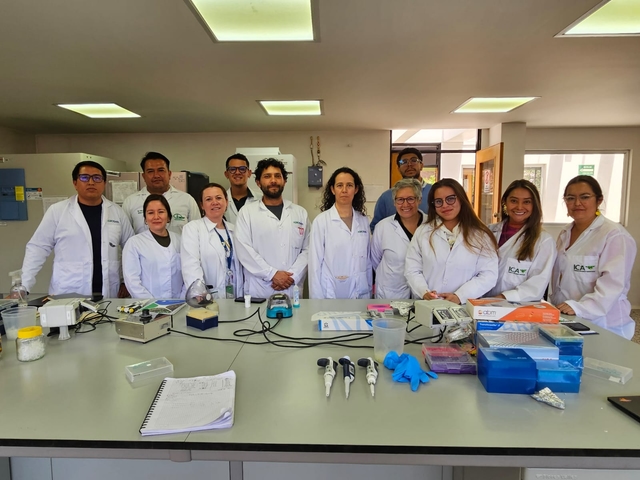
The specialized course “Detection of pathogens associated with the Potato Purple Top Complex (CPMP)” was conducted from February 23 to 27, 2026, at the facilities of the Universidad Militar Nueva Granada in Colombia.
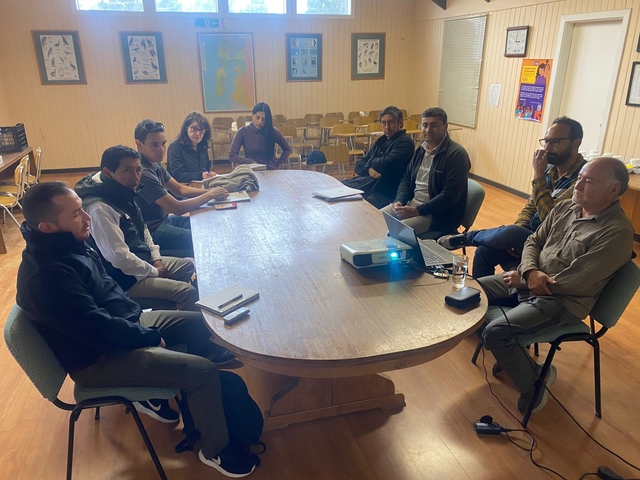
The event served as a technical platform to strengthen phytosanitary surveillance capacities, promoting the standardization of molecular diagnostic protocols and fostering collaborative work among institutions within the agricultural sector.
The activity brought together specialists from research institutions in Colombia, Chile, Ecuador, and Peru, as well as the Colombian Agricultural Institute (ICA). Professionals from ICA’s National Phytosanitary Diagnostic Laboratory contributed to knowledge exchange and to the optimization of methodologies for detecting phytoplasmas and other pathogens associated with CPMP, one of the most significant threats to potato production in the region.
Over five intensive working days held in the laboratories of Universidad Militar Nueva Granada and AGROSAVIA, technical teams advanced in the implementation of specialized DNA extraction methodologies, as well as in the application of nested PCR and qPCR techniques. These highly sensitive tools enable accurate pathogen detection even in samples with low microbial loads, such as seed tubers.
As a result, participating countries are moving toward the development of a harmonized regional diagnostic protocol to serve as a reference for seed quality control systems. This represents a key step in strengthening diagnostic capacities and harmonizing phytosanitary standards across the Andean region.
Through initiatives like this, FONTAGRO reaffirms its commitment to plant health protection, the strengthening of sustainable potato production, and the promotion of food security and sovereignty in the region.
.jpg&w=3840&q=100)