
 Impact
 Initiatives
 Dashboard
 Alliances

 Impact
 Initiatives
 Dashboard
 Alliances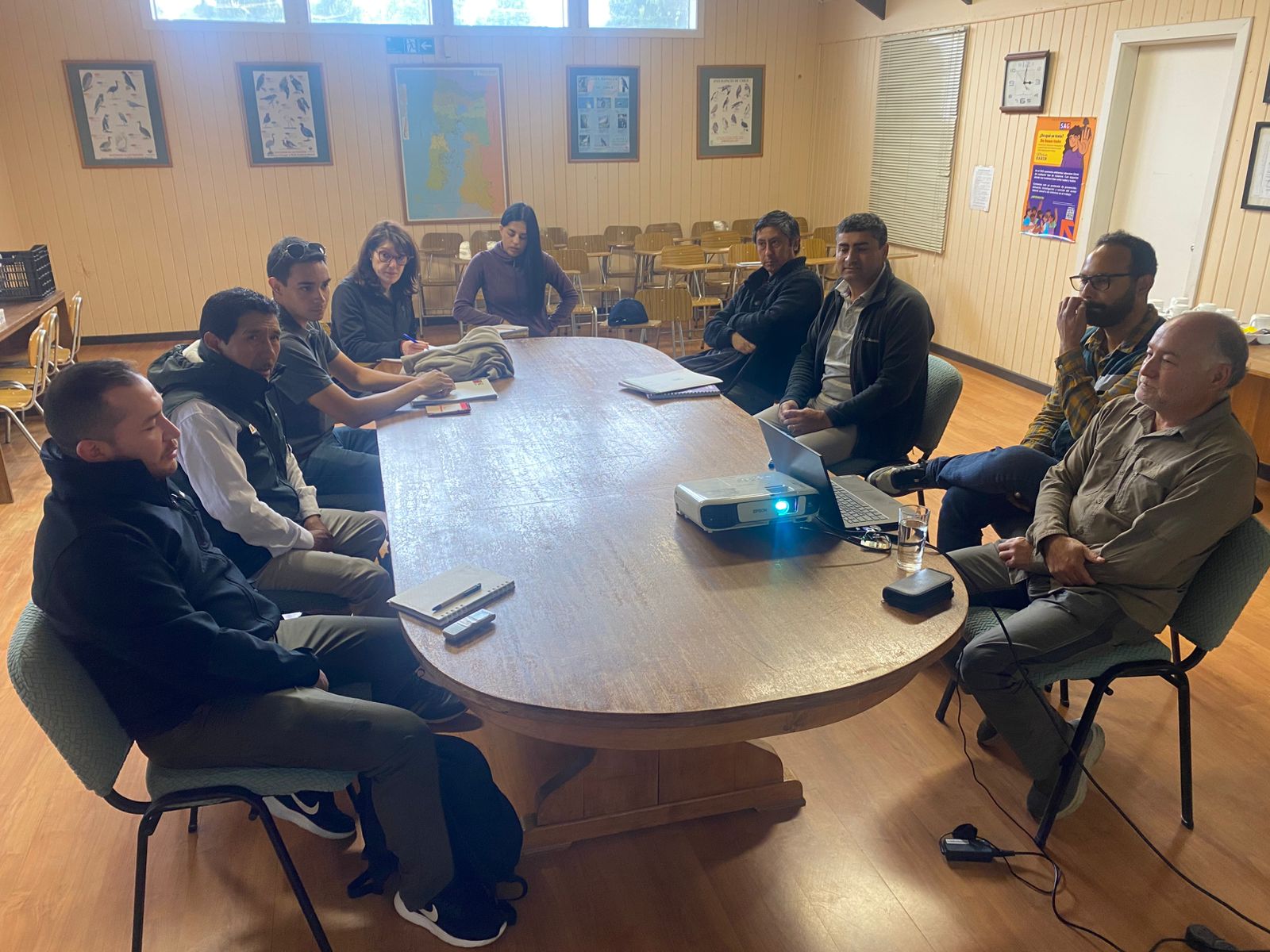

 Technological
In January, the Agricultural Research Institute (INIA) of Chile conducted the Potato Seed Production Course at its INIA Remehue Regional Center, located in Osorno, Los Lagos Region. The activity was carried out במסגרת the FONTAGRO project ATN/RF-21536-RG: “Strengthening the Management of the Potato Purple Top Complex in the Andean Region.”
The course brought together professionals and technicians from Chile, Peru, and Ecuador, aiming to strengthen their technical capacities in the production of potato seed tubers, a critical input for ensuring high yields, phytosanitary quality, and profitability in this strategic crop for food security.
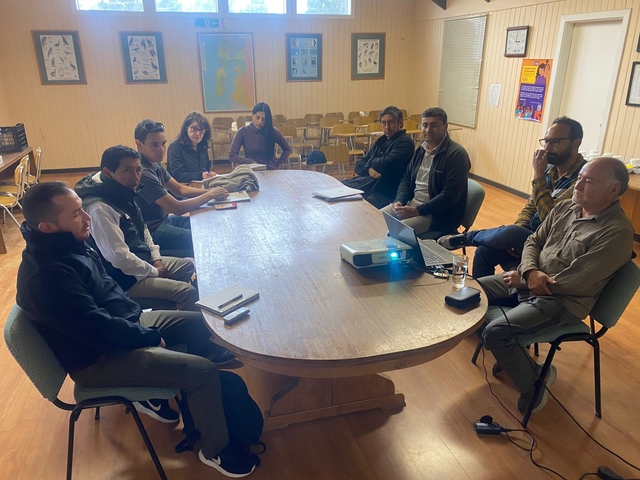
During the opening session, regional authorities welcomed participants and highlighted the importance of international collaboration to address phytosanitary threats such as Purple Top disease. Over five days of intensive training, participants covered key topics including potato production systems in Chile, formal seed production schemes, virus-free seed generation, and breeding programs.
A central focus of the course was the importance of formal seed production systems, which ensure quality, traceability, and sanitary status of planting material. These systems contribute to maintaining varietal purity, reducing disease incidence, and ensuring compliance with regulatory standards—key elements for achieving sustainable and competitive production systems.
The program also included modules on seed certification regulations, variety registration, producer registration systems, integrated pest and disease management, phytosanitary diagnostics, and the use of meteorological data for agronomic decision-making.
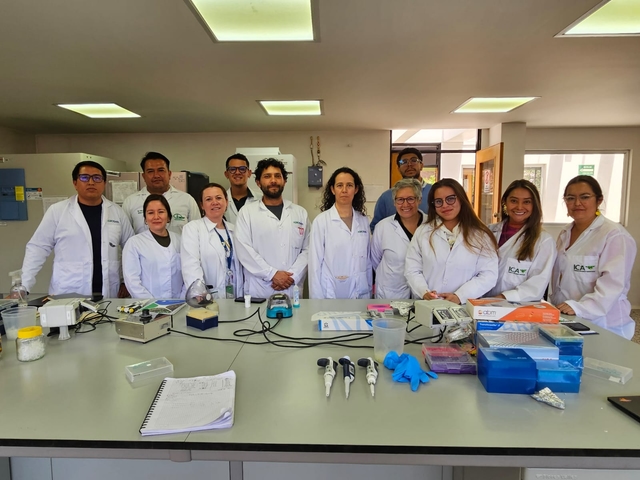
From a practical perspective, participants conducted technical visits to INIA Remehue laboratories and the Agricultural and Livestock Service (SAG) facilities in Osorno, as well as field visits to germplasm banks, greenhouses, and commercial production sites. These activities enabled participants to link theoretical knowledge with real-world applications.
The course further addressed essential agronomic aspects such as soil management and fertility, irrigation practices, and evaluation of varietal productive potential, including experiences in seed production within smallholder farming systems.
The activity included the participation of specialists from the National Institute for Agrarian Innovation (INIA) of Peru, the National Institute for Agricultural Research (INIAP) of Ecuador, and INIA Chile, fostering knowledge exchange and strengthening collaborative networks across the Andean region.
Through initiatives like this, INIA and the FONTAGRO project aim to contribute to the development of more efficient, resilient, and sustainable potato production systems capable of addressing current phytosanitary and productivity challenges.
.jpg&w=3840&q=100)