 Impact
 Initiatives
 Dashboard
 Alliances

 Impact
 Initiatives
 Dashboard
 Alliances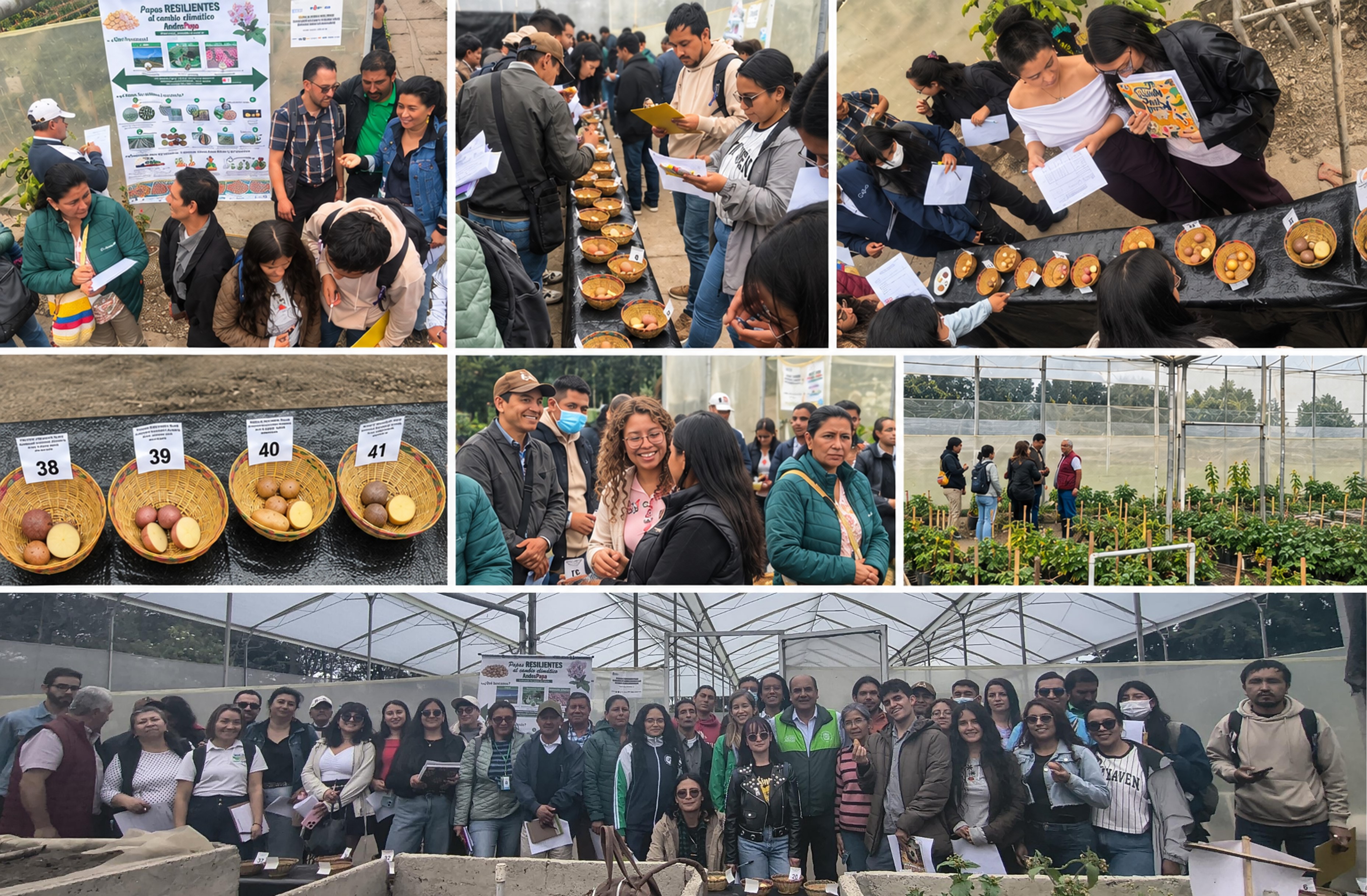

 Technological-Organizational-Institutional
Some research begins with a question and takes years to find an answer. In potatoes, that answer can often fit in the palm of a hand: a tuber shaped by years of selection, carried across borders, multiplied again and again, and one day perhaps destined to become a new variety grown by thousands of farmers. Yet perhaps what matters most is not that it fits in a hand, but everything it could change once it leaves it.
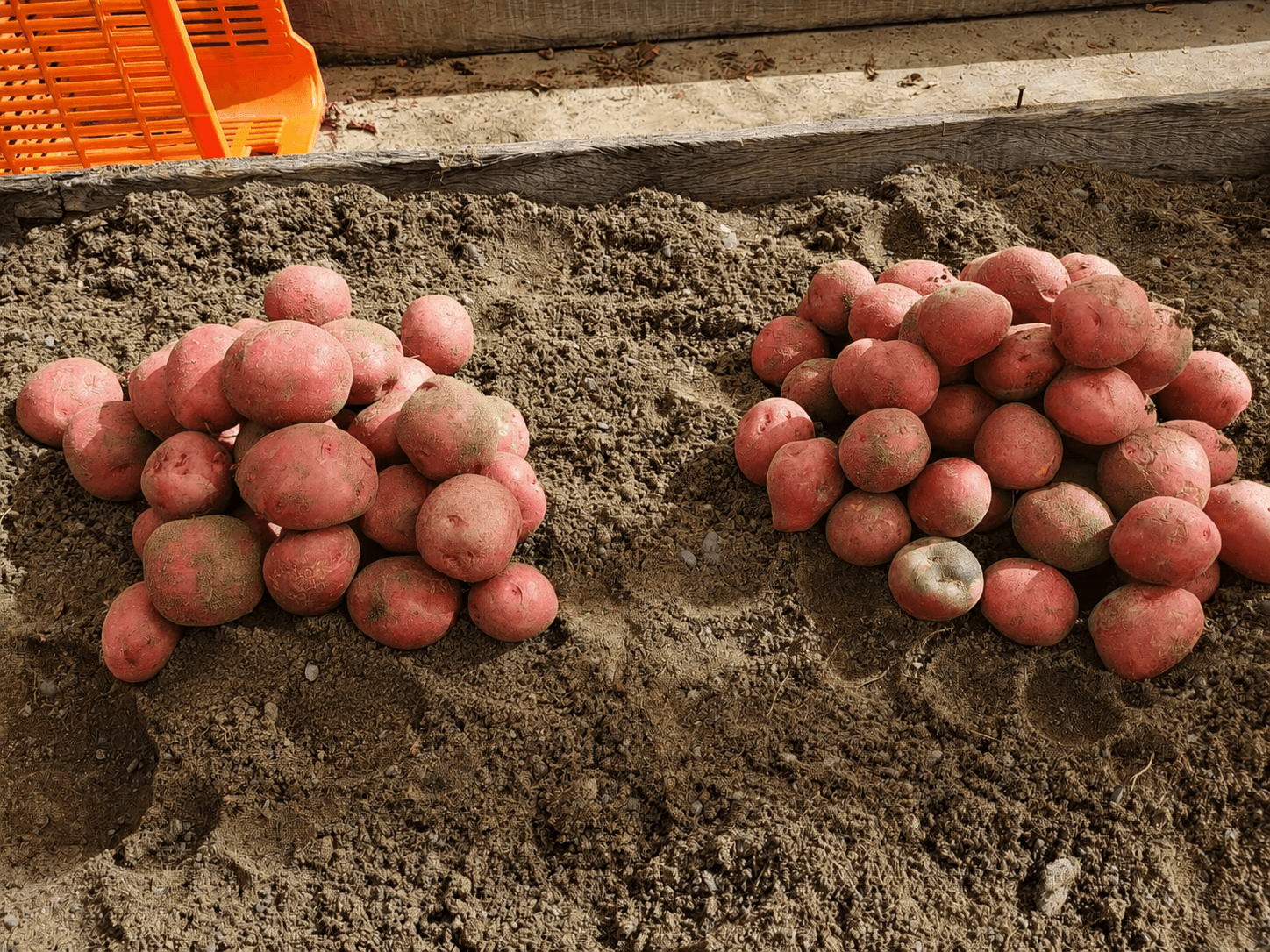
A seed may seem small compared with the scale of agriculture's challenges. Yet behind it lies the possibility of reducing months of work, coping better with drought, simplifying field operations, lowering production costs, or making harvests more predictable. It can mean fewer days walking through fields under the sun, less uncertainty during difficult seasons, and one more opportunity for farming families to sustain their production systems.
Behind every promising tuber lies another story: the story of hands shaped by hard work, of farmers who have known this crop long before it ever appeared in a database, of researchers who spend years observing subtle differences, and of students who are beginning to ask questions they may continue answering throughout their professional lives.
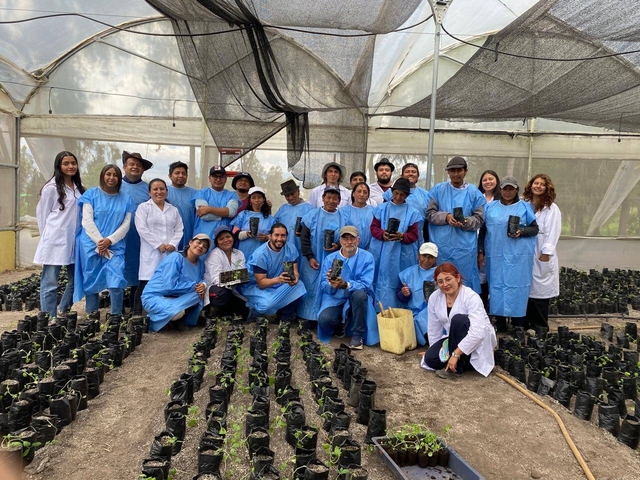
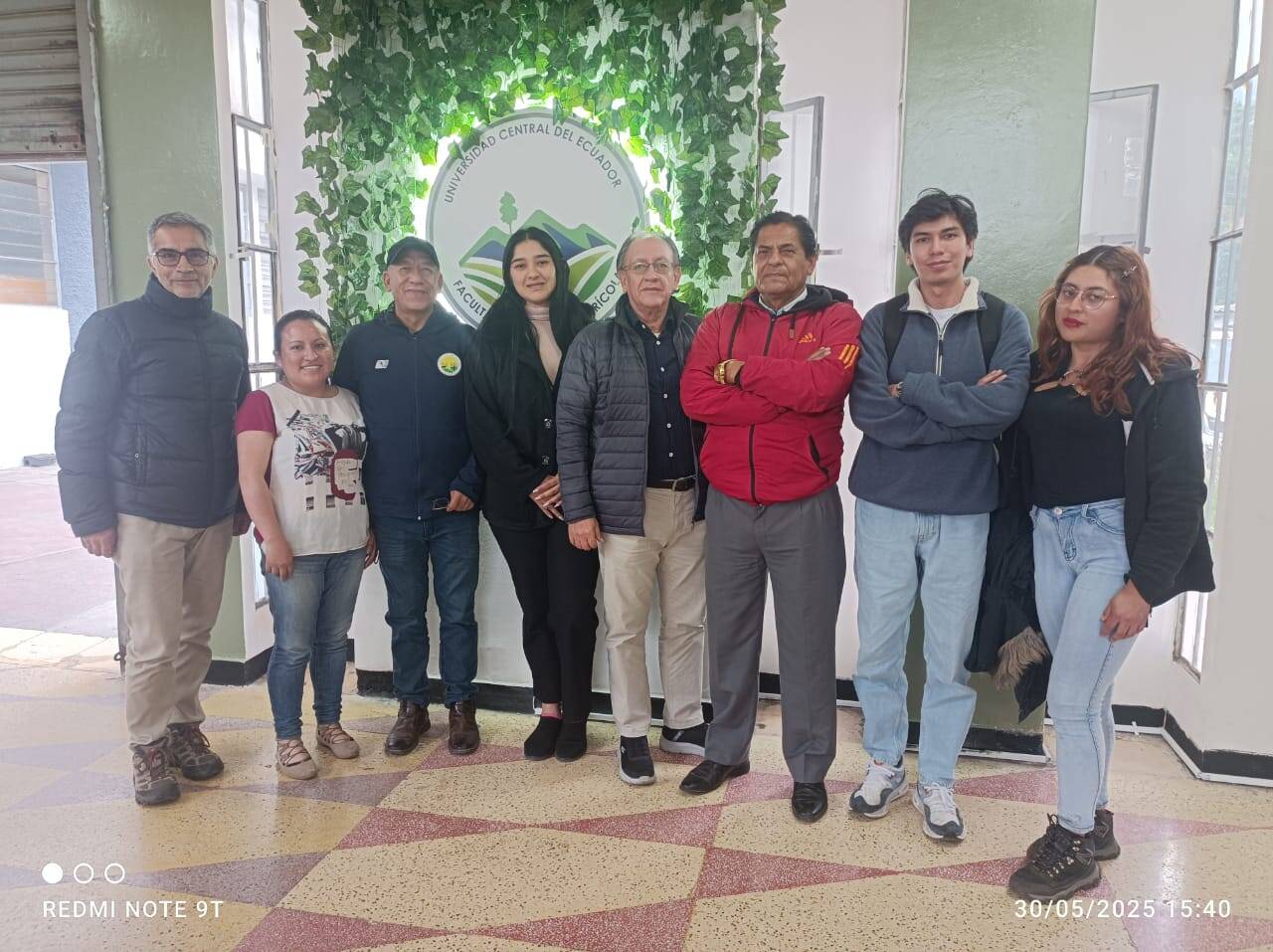
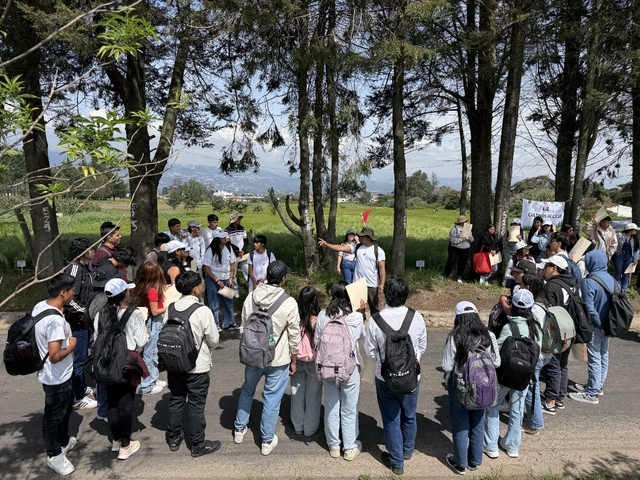
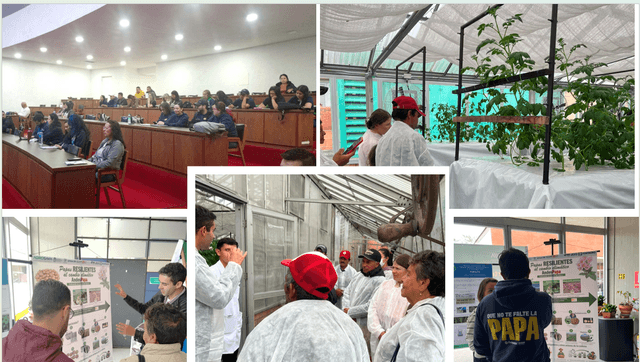
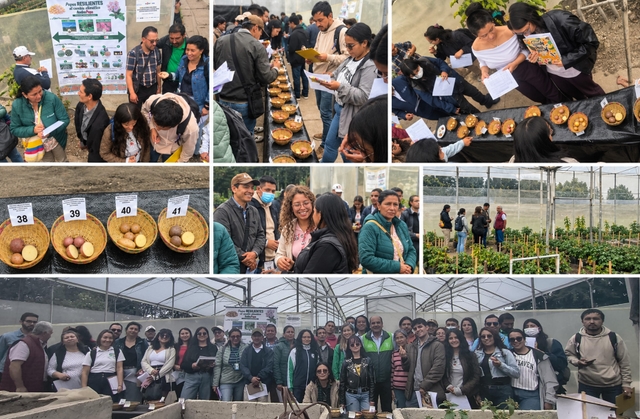
On September 3, nearly 50 people gathered at the Faculty of Agricultural Sciences of the National University of Colombia in Bogotá around a single harvest. Potato growers, students, professors, and researchers arrived with different experiences, different questions, and a shared purpose: to take a closer look at some of the materials that could continue advancing within the AndesPapa project.
Nearly 40 advanced potato materials were displayed on the tables. Around them, conversations quickly turned into questions. How had the plants performed? Where had these materials come from? Which ones would continue to the next stage of evaluation? Every tuber offered something worth noticing, and every participant found a different reason to pause and examine it.
The event was part of the Climate-Resilient Potatoes for the Andean Region – AndesPapa project, funded by FONTAGRO, an initiative that brings together teams from Colombia, Ecuador, and Bolivia to identify potato materials with drought tolerance, early maturity, and valuable agronomic traits. This collaboration has created a regional platform where germplasm, methodologies, technical capacities, and research questions move across institutions facing common challenges.
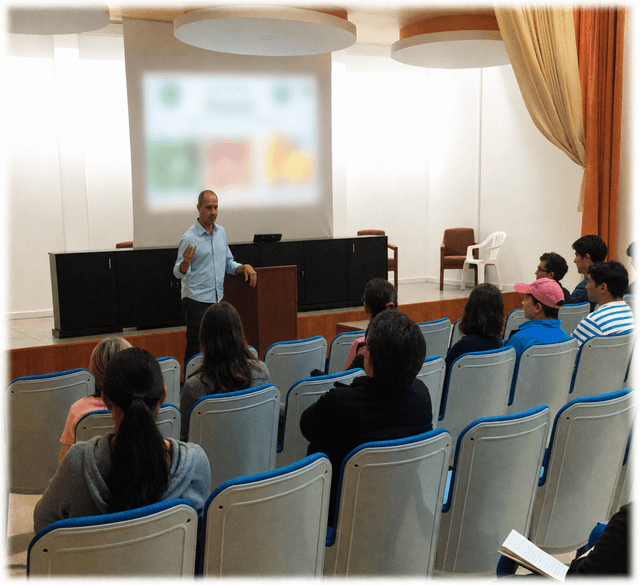
The morning began in the auditorium, where participants were introduced to the project and its progress to date. In Colombia, the National University is currently working with 31 advanced materials, including clones from the International Potato Center (CIP) and six materials from AGROSAVIA's working collection. These materials have been successfully multiplied to produce seed tubers that will support larger-scale field evaluations as the multiplication and selection process continues.
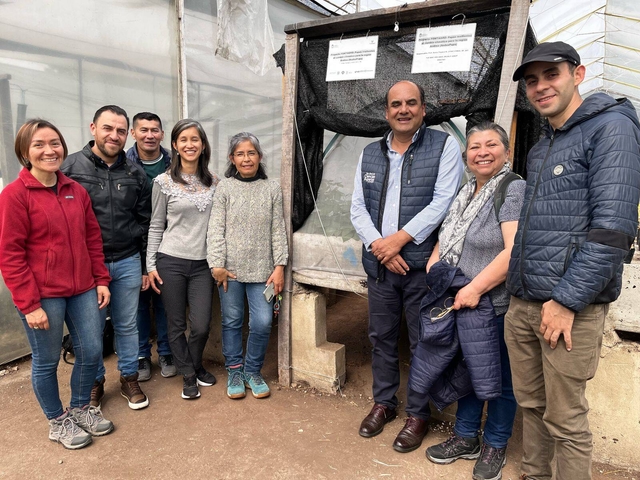
Researchers from AGROSAVIA joined representatives from the National University to discuss the work carried out so far. Students also shared how their thesis projects are progressing and the research questions they have begun exploring through the project.
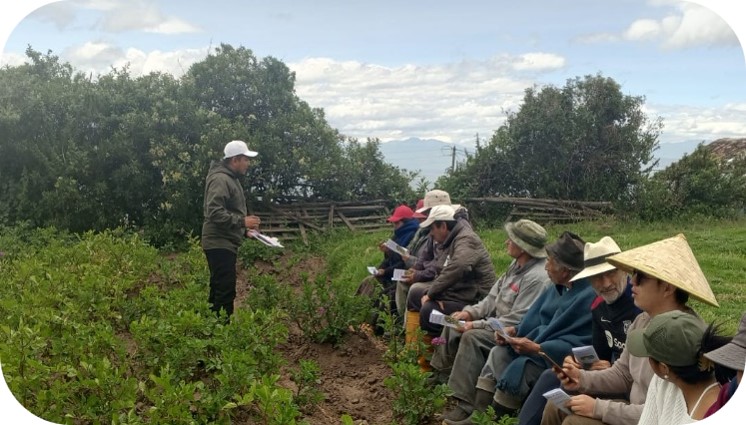
That day, however, the true protagonists were the harvested materials themselves, displayed before a different kind of field: the eyes of everyone participating in the project. Attendees observed them, handled them, compared them, and discussed their characteristics with the researchers. Each participant then selected eight materials they considered especially promising and identified three they would not select. Just as importantly, they recorded the reasons behind their choices.
Those reasons matter.
A future variety must resonate with those who grow it, those who study it, those who market it, and those who ultimately eat it.
Among the key traits sought by AndesPapa are drought tolerance and early maturity. Earliness is particularly significant because it brings time itself into the conversation. For potato growers, time translates into field operations, management decisions, and exposure of the crop to environmental conditions. A material capable of completing its cycle more quickly could open new possibilities for organizing production. Those possibilities, however, must be evaluated alongside yield, quality, adaptation, and the many other attributes required before a material can move forward.
Each of these characteristics will ultimately return to the field. There will be new plantings, larger-scale evaluations, and new decisions about which materials continue advancing. Some coded lines will leave the process, while others will continue accumulating evidence. It is precisely this gradual process of selection that reveals which materials have genuine potential.
In the end, the success of AndesPapa will not be measured only in laboratories or databases, but in the moment when these seeds finally return to the hands of the farmers they were meant to serve.
By Diego Alejandro Salinas Velandia – Research Support Professional, AGROSAVIA

.jpg&w=640&q=100)