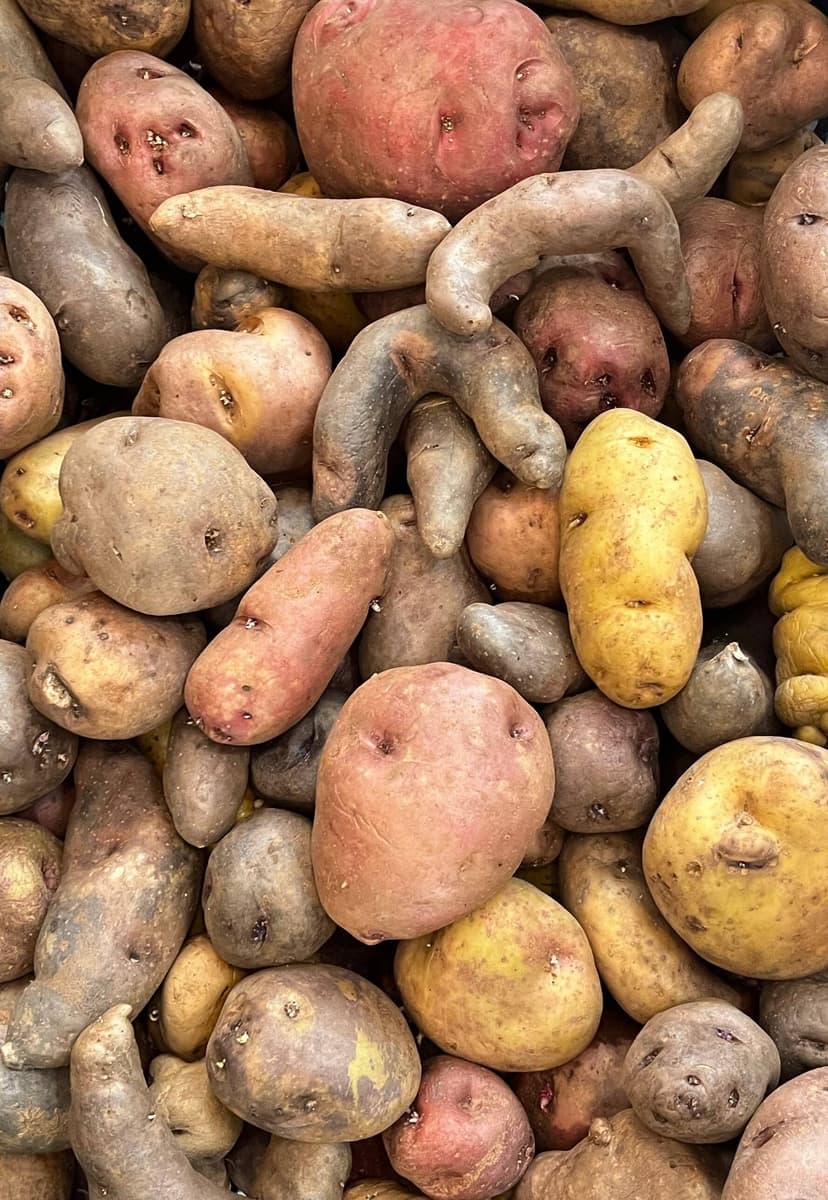
Apply potato breeding processes in the Andean region to obtain early maturing and drought-tolerant cultivars, to reduce climate vulnerability and contribute to food security.

Technical cooperation to strengthen genetic breeding programs in the Andean region, reduce vulnerability of family farming to climate change, and promote food security for communities
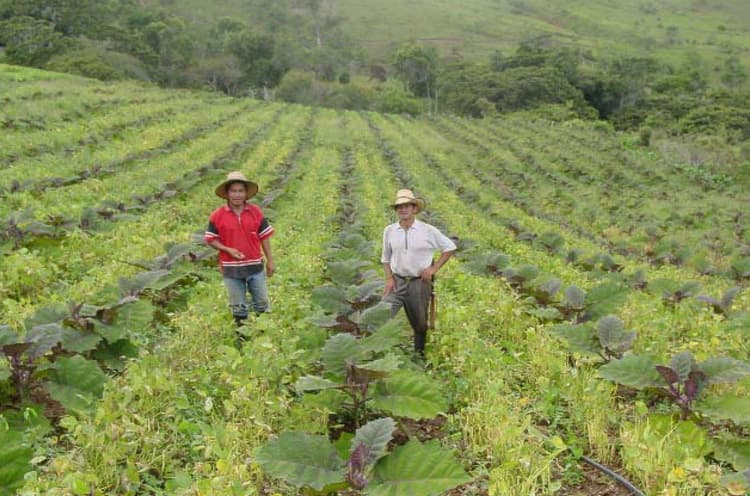
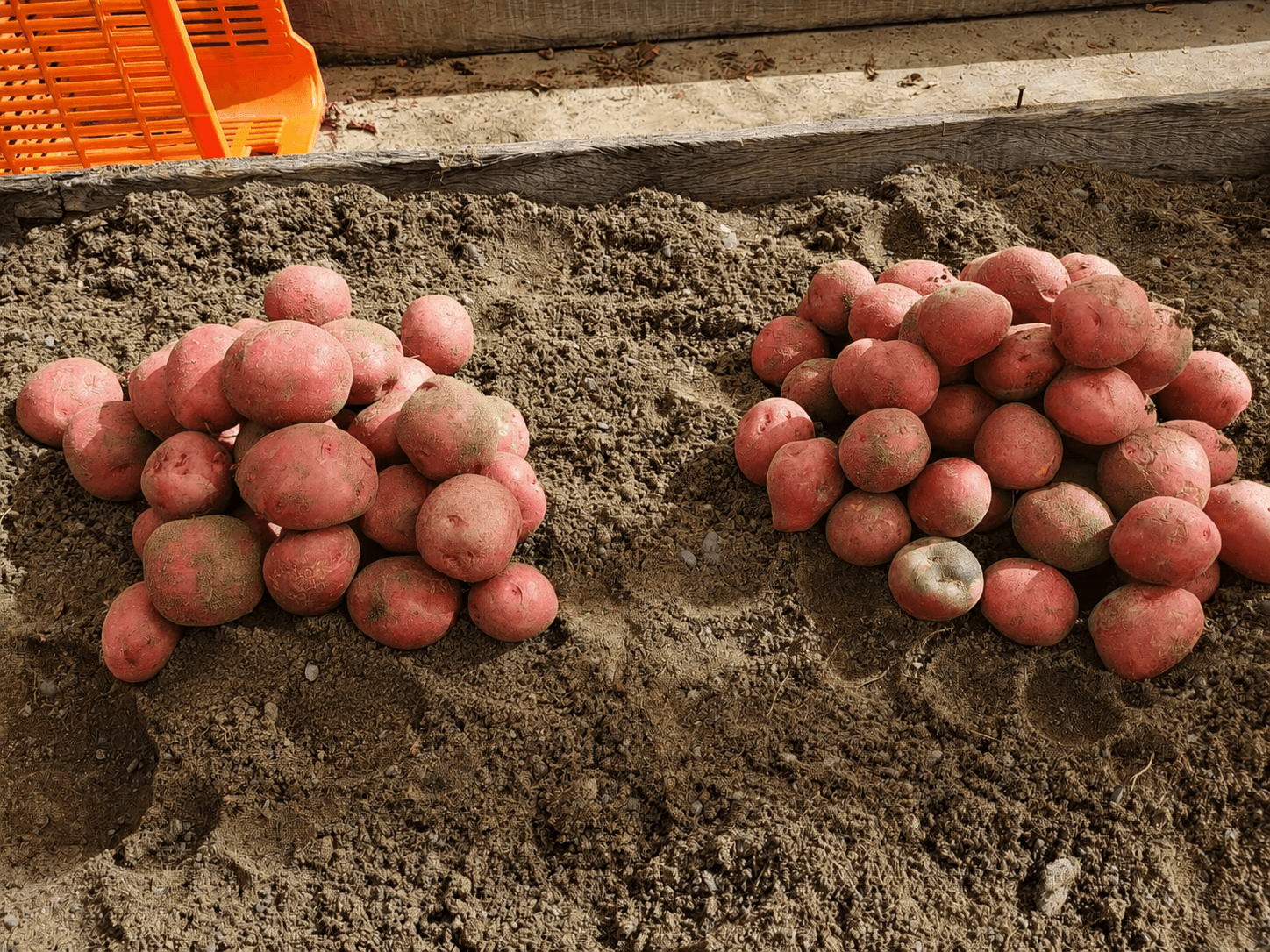
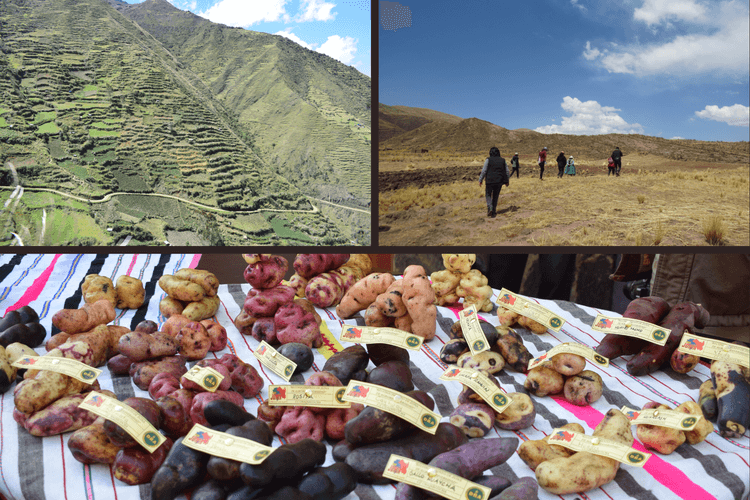
The Colombia, Ecuador, and Bolivia consortium, along with stakeholders from the potato sector across the Andean Region, is implementing a plant breeding strategy to address the crop's vulnerability to climate change. The initiative incorporates advanced families and clones with early maturity and potential drought tolerance to strengthen production sustainability and contribute to food security. Germplasm previously identified by the International Potato Center (CIP) is being evaluated across diverse environments using standardized methodologies and with the active participation of farmers. In addition, a regional potato breeding platform has been established to promote collaboration, harmonize evaluation methods, and support the selection of materials adapted to local conditions throughout the region.
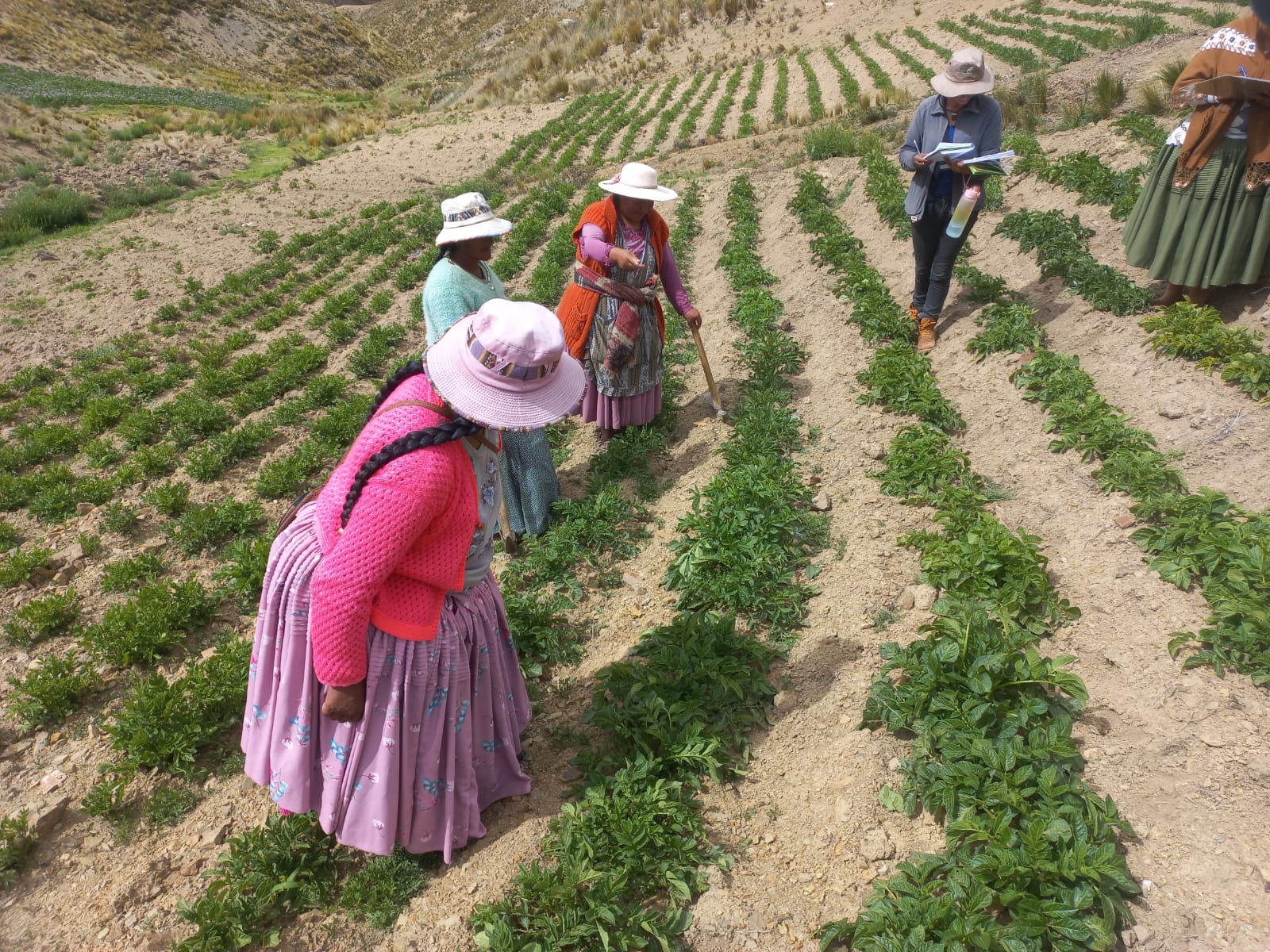
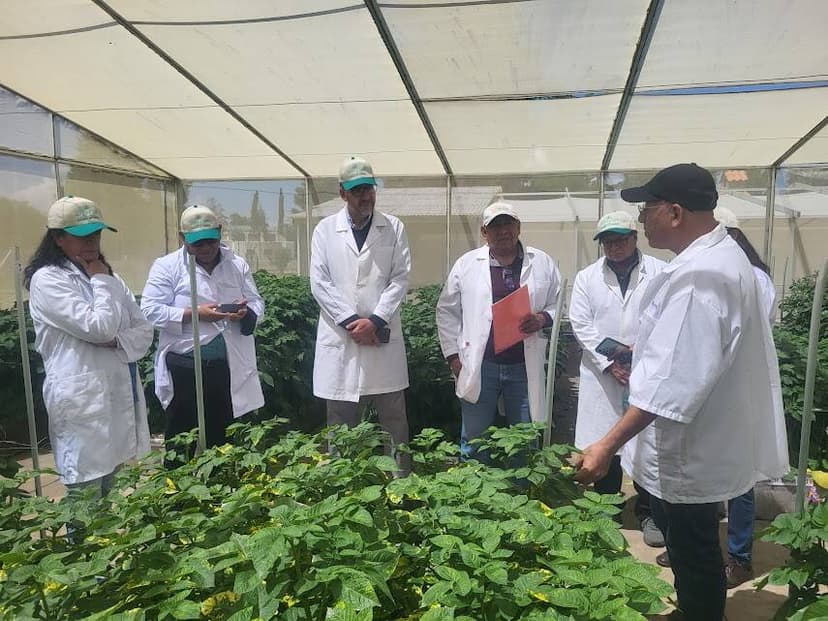
The project promotes the selection and adoption of elite lines and advanced potato clones with potential drought tolerance through a participatory breeding approach. The initiative engages both women and men farmers in the evaluation and selection of materials adapted to the agroecological conditions of each country, while also meeting quality attributes valued for consumption and commercialization. These materials are expected to help reduce the crop’s vulnerability to water scarcity by decreasing dependence on irrigation infrastructure and enhancing production stability. In addition, the project aims to improve farmers’ harvest security by enabling potato yields under low-rainfall conditions to be 1.5–3% higher than those obtained with currently cultivated varieties. Furthermore, the project has strengthened a regional potato breeding platform that fosters knowledge generation, methodological harmonization, and the exchange of experiences among participating countries.
" Between 2005-15, extreme weather events cost developing countries an estimated USD 96 billion in lost agricultural production. Without action, potato yields could fall up to 32% by 2060."— International Potato Center, 2021
 Value chainAdaptativeTechnological-Organizational-Institutional
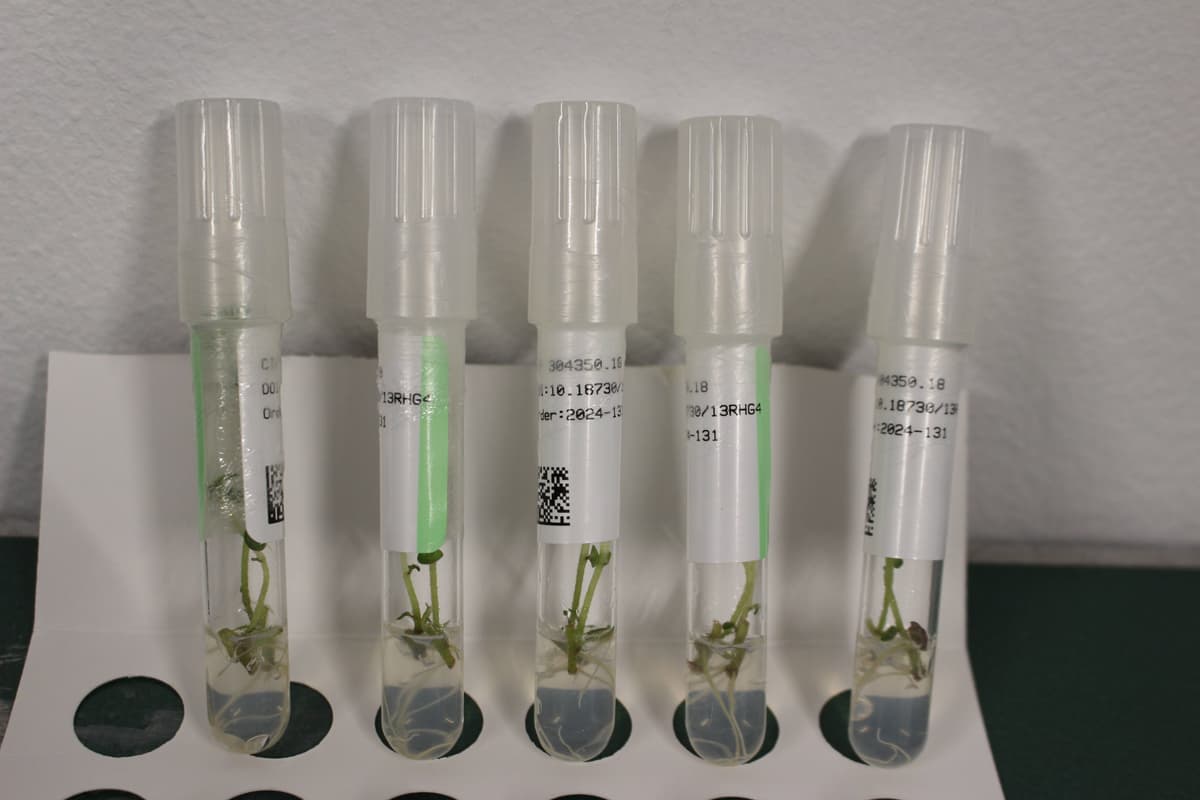
Each participating country imported between 30 and 31 advanced in vitro potato clones selected for their outstanding agronomic characteristics.
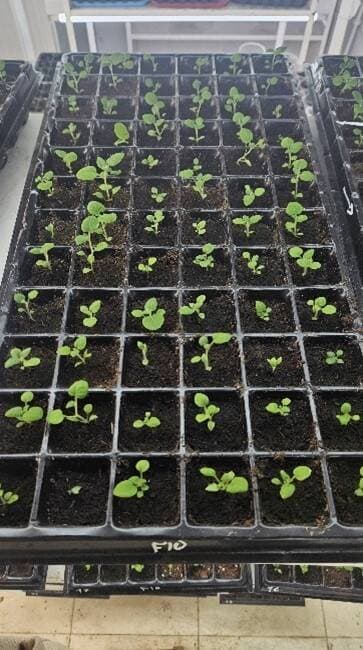
Ecuador imported 17 families and Colombia 24 families in the form of true potato seed.
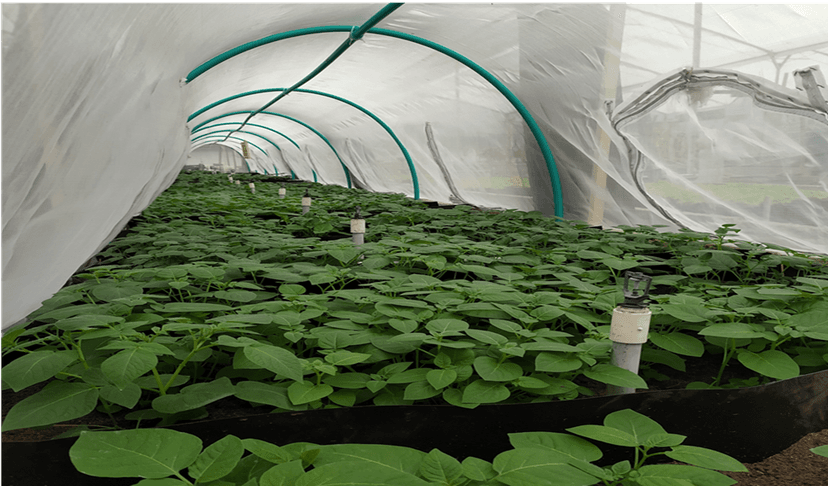
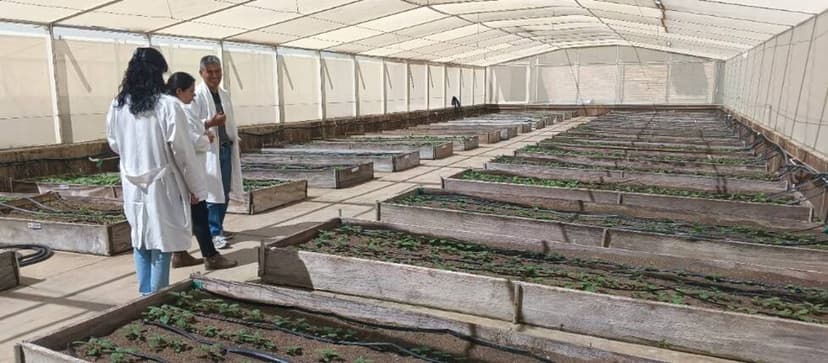
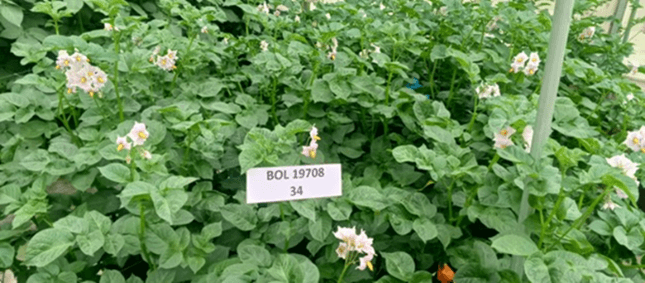
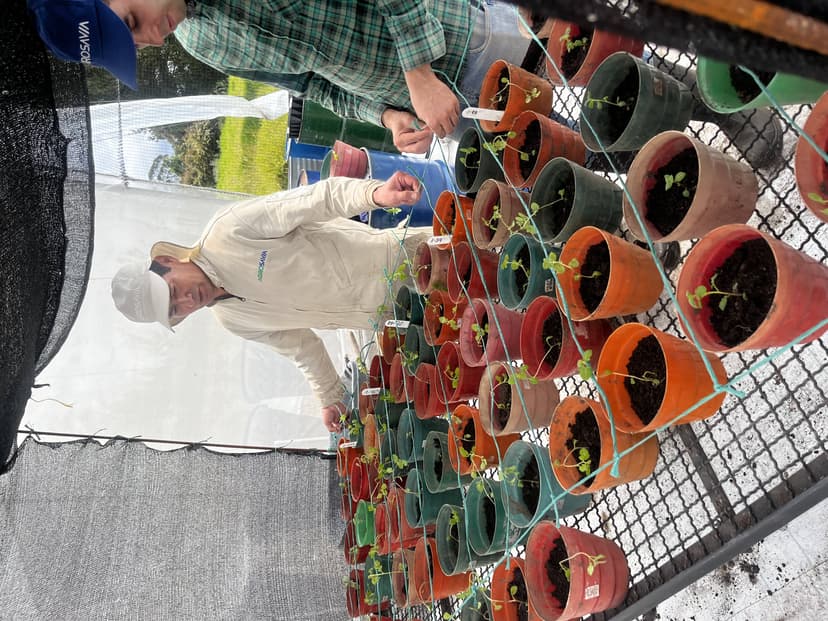
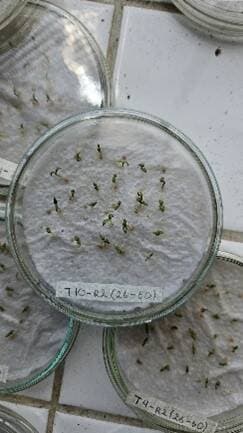
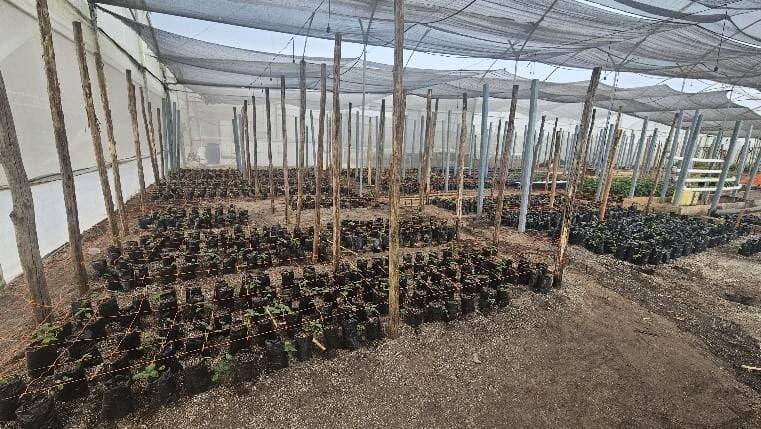
Following multiplication of the materials, the three countries conducted evaluations under controlled conditions, comparing normal and restricted irrigation treatments. Additionally, Ecuador evaluated the clones under heat stress conditions, while Bolivia implemented participatory evaluation processes involving farming communities.
A regional potato breeding platform comprising 26 members was established to promote the use of harmonized methodologies and facilitate the exchange of experiences among participating countries.
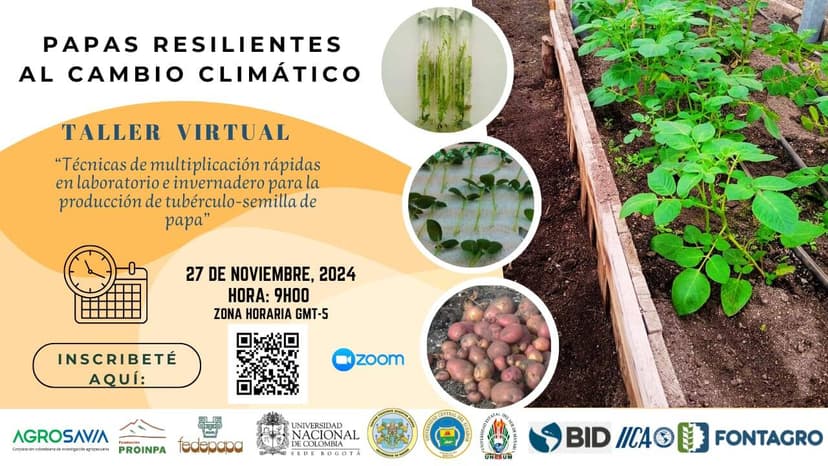
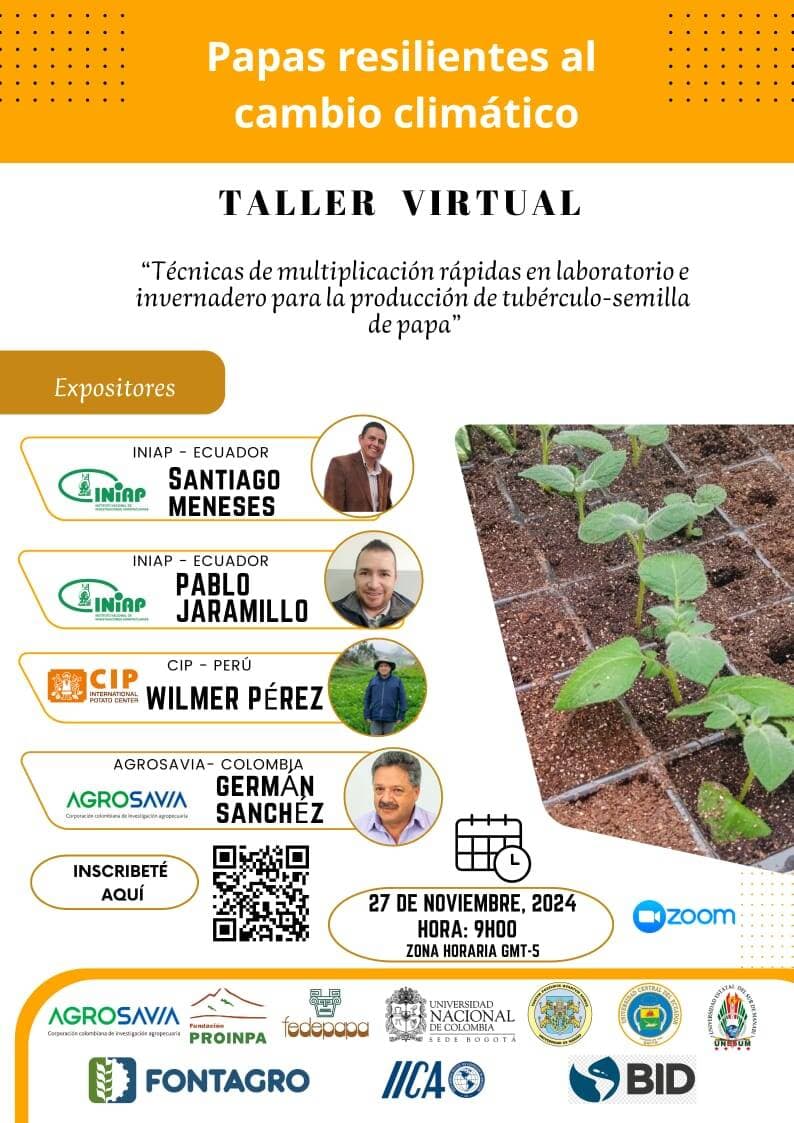
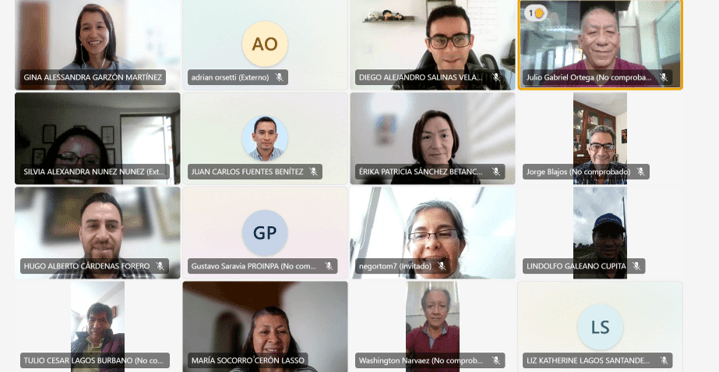
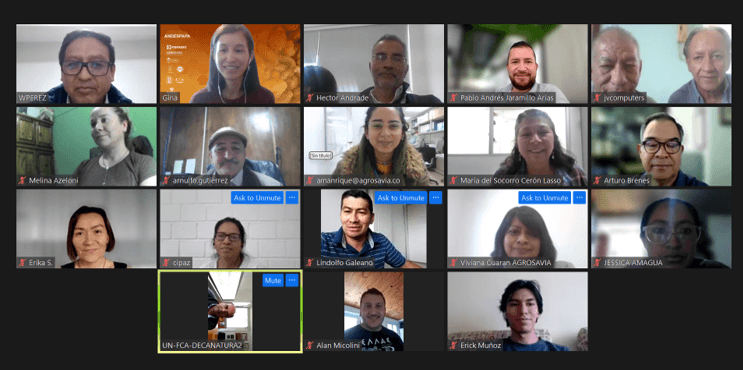
As part of the project's capacity-building efforts, five virtual training workshops and eight in-person workshops were conducted to disseminate project results and strengthen engagement with potato farmers and other stakeholders.
Relevant data








Colombia

Colombia

Colombia
Ecuador

Ecuador

The Tangible Impact of Science and Technology in the Field

 Impact
 Initiatives
 Dashboard
 Alliances
 Impact
 Initiatives
 Dashboard
 Alliances











.jpeg&w=828&q=75)
.jpeg&w=828&q=75)


.jpg&w=828&q=75)


.jpeg&w=828&q=75)

.jpeg&w=828&q=75)
.jpeg&w=828&q=75)
.jpeg&w=828&q=75)


.jpeg&w=828&q=75)




.png&w=750&q=75)