 Impact
 Initiatives
 Dashboard
 Alliances

 Impact
 Initiatives
 Dashboard
 Alliances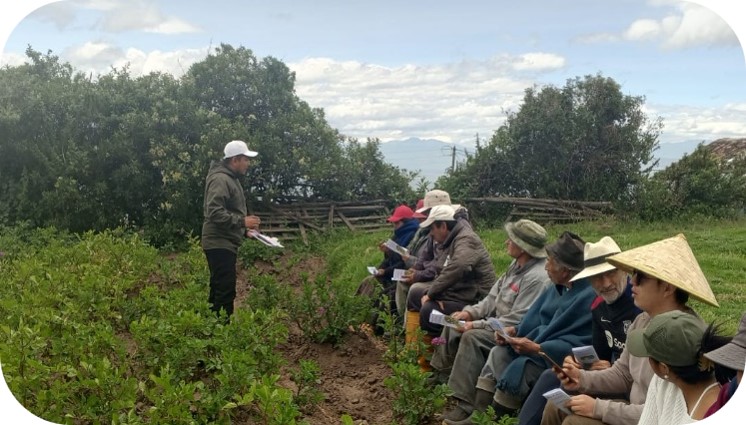

 Technological-Organizational-Institutional
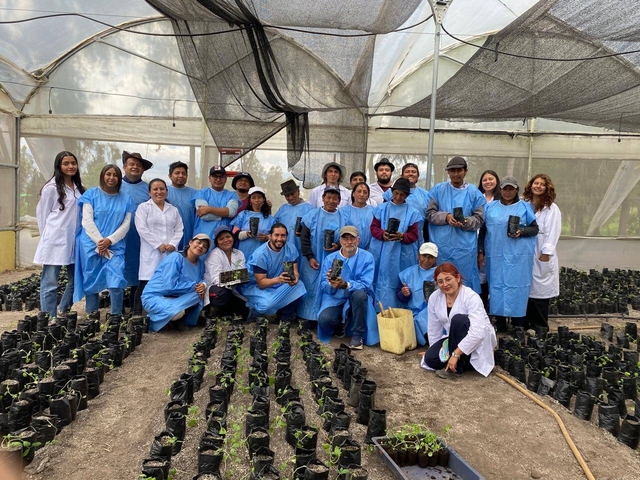
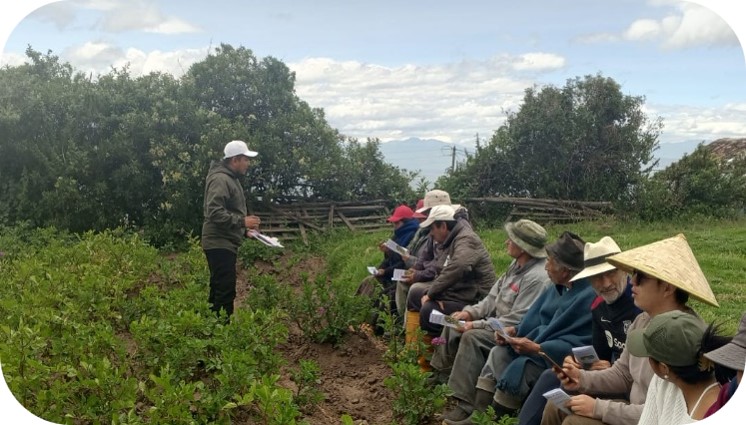
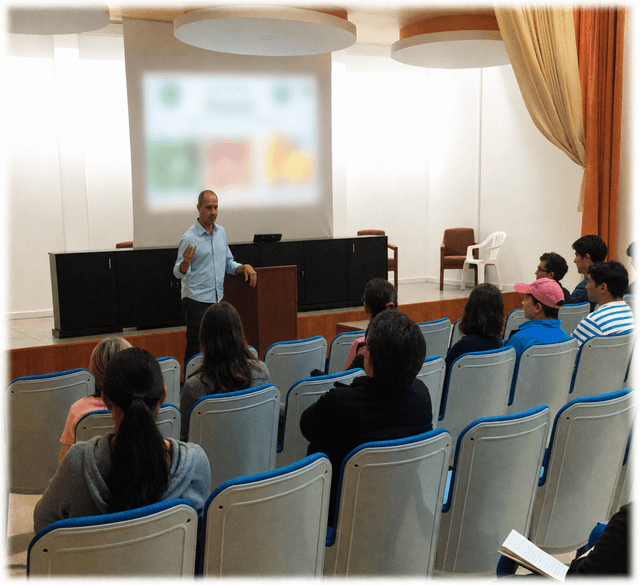
The first activity took place on April 10, 2026, with a workshop on the management of the potato purple top disease complex. The event was held on the farm of producer Luis Bernardo De la Torre, who generously provided his land for the implementation of project activities. Participants included Agronomy students involved in community outreach programs, farmers from the Tocachi Local Agricultural Research Committee (CIAL), and producers interested in plant health management. During the workshop, attendees strengthened their knowledge of the psyllid insect vector (Bactericera cockerelli), covering topics such as its biological cycle, disease symptoms, and integrated management strategies. The training also addressed cultural, biological, and chemical control methods, as well as environmentally friendly alternatives including oils, soaps, and plant-based extracts.
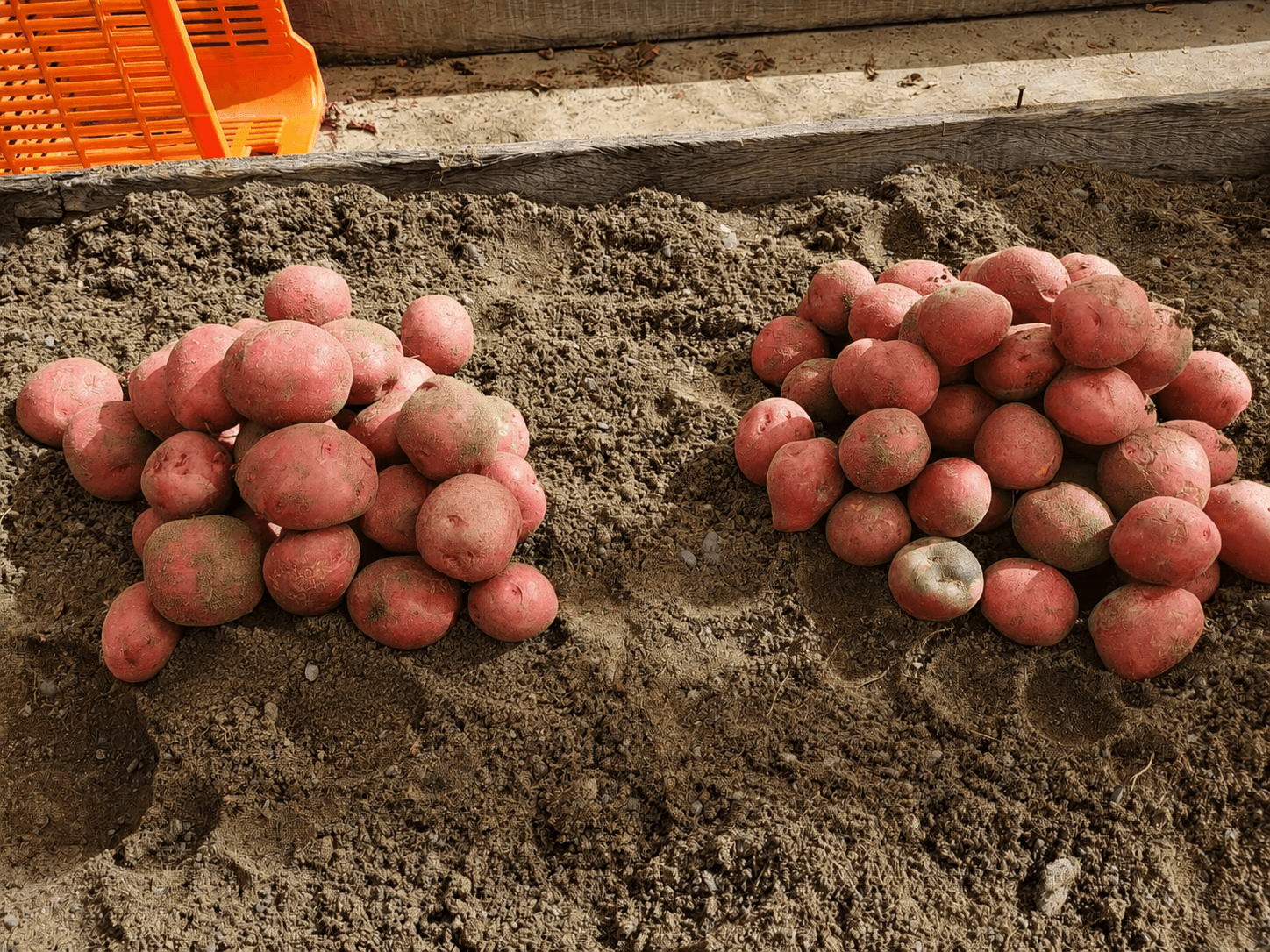
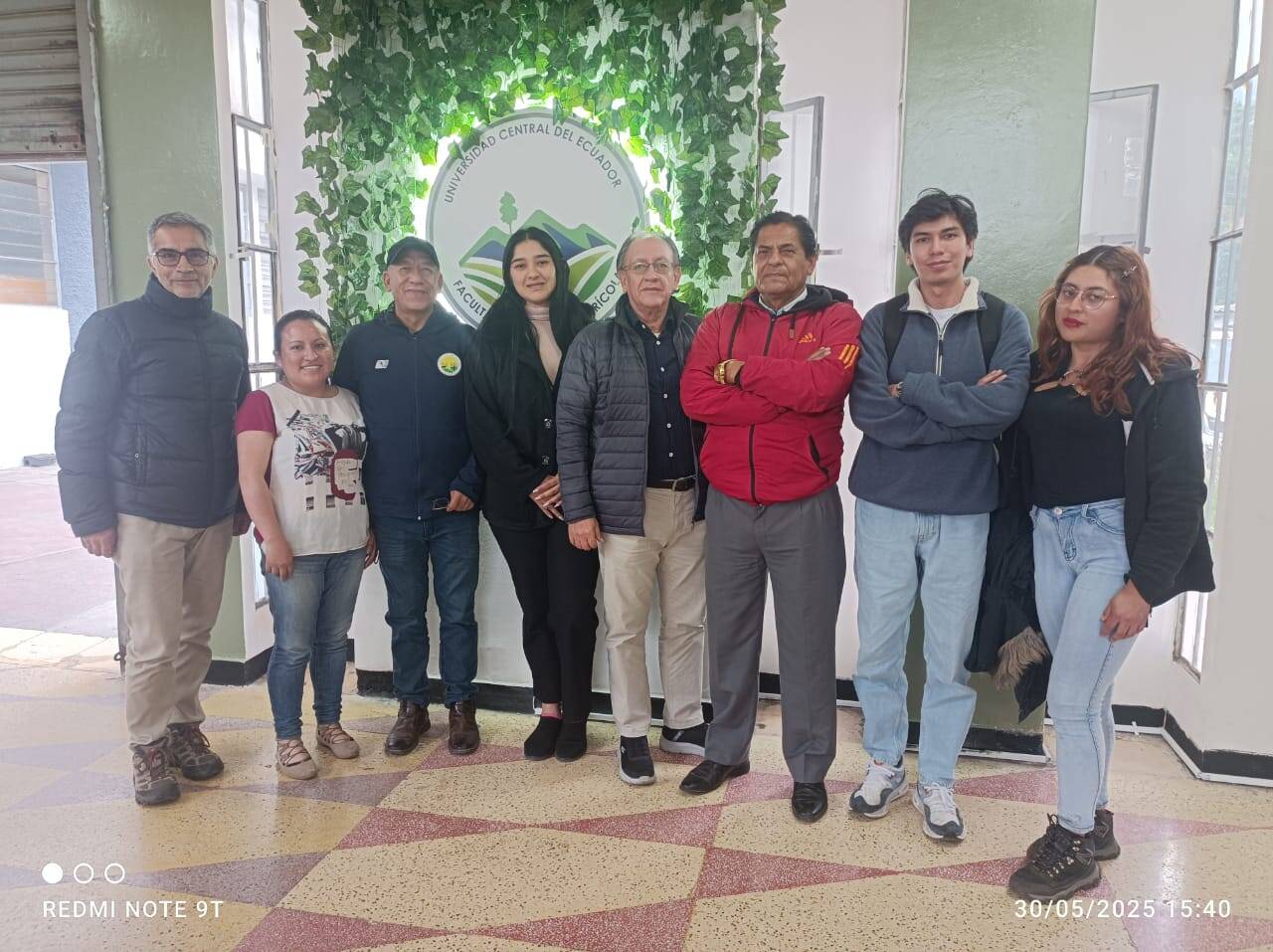
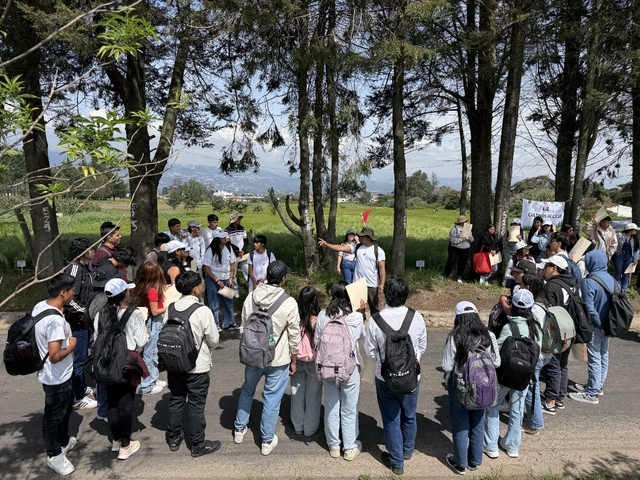
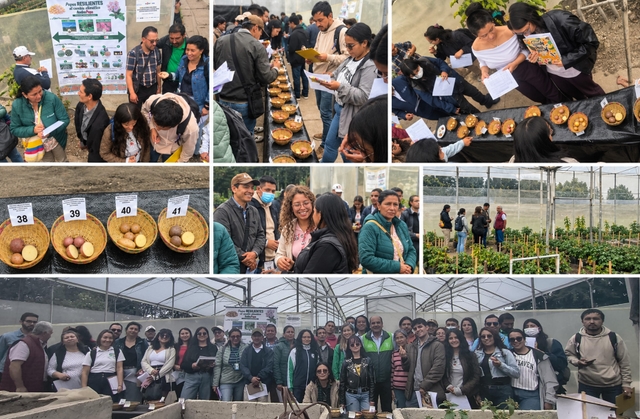
On April 17, 2026, a field harvest of the preliminary trial of advanced potato clones was conducted at the same location. The activity brought together students from the Plant Breeding course and community service program of the Agronomy Department, along with CIAL Tocachi farmers and other producers interested in the project. The event promoted the active participation of both women and men farmers, reaffirming the project's commitment to inclusion and gender equity in technology transfer and participatory research processes.
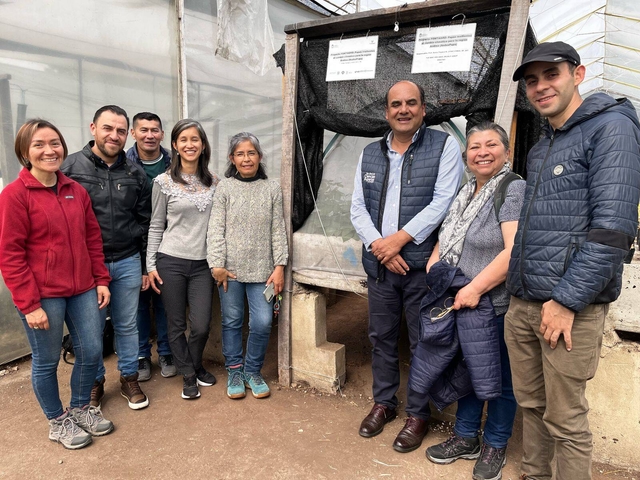
During the field day, the FONTAGRO-funded project “Climate-Resilient Potatoes for the Andean Region (ANDESPAPA)” presented progress in the evaluation of 15 advanced potato clones, as well as segregating materials and well-known commercial varieties such as Superchola and Premium. The activity began with the harvest of the experimental plots alongside the technical team and farmers, allowing participants to directly observe the performance and yield of the evaluated materials under field conditions. Among the preliminary results, farmers expressed particular interest in a large-tuber clone and in Clone 23, which stood out for its high yield at this stage of evaluation.
This participatory approach strengthened knowledge exchange among researchers, students, and farmers, facilitating the joint identification of materials with high productive potential and adaptation to local conditions. Overall, these activities highlight FONTAGRO’s contribution to the generation and dissemination of applied knowledge for the Andean potato sector, promoting innovation, sustainability, and the strengthening of production systems in the face of phytosanitary challenges and climate change.

.jpg&w=640&q=100)