 Impact
 Initiatives
 Dashboard
 Partnerships

 Impact
 Initiatives
 Dashboard
 Partnerships

 Technological-Organizational-Institutional
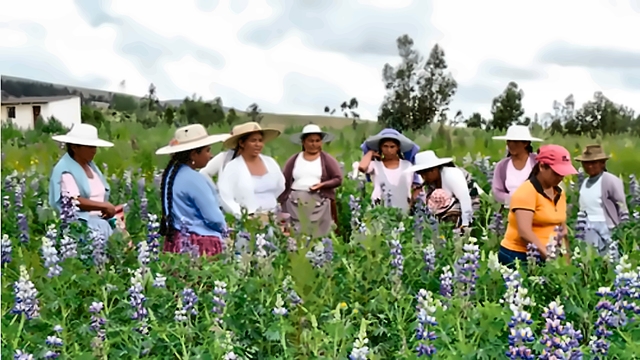
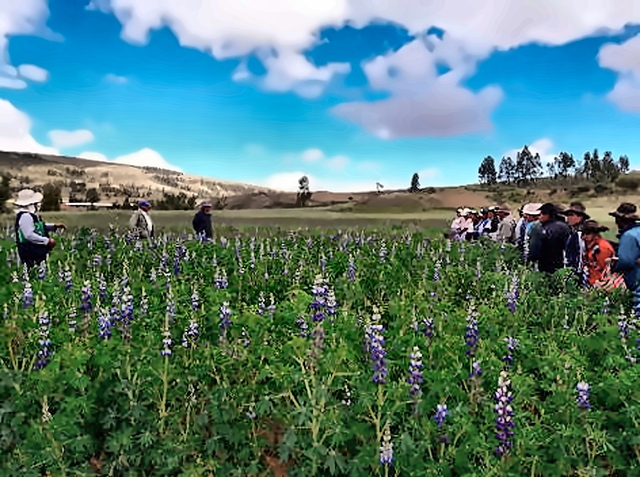
The FONTAGRO-supported project on the revaluation of neglected Lupinus crops evaluated species, varieties and management practices under different conditions in Bolivia, Ecuador and Chile. Thanks to its ability to fix nitrogen, lupin also proved to be an ally in restoring degraded soils. These are some of the advances:
- Bolivia: L. mutabilis and L. albus yielded better than L. angustifolius. A mechanical thresher was introduced to reduce harvest labor. In semi-arid Andean areas, tarwi improved soil organic matter by 4.5 t/ha and increased nitrogen by more than 50 kg/ha.
- Ecuador: fertilization raised yields from 515 to 909 kg/ha. The INIAP 450 Andino variety proved to be an early and competitive option in less humid years.
- Chile: the new Alboroto-INIA variety (L. albus) averaged 4.7 t/ha in the first season and 5.7 t/ha in the second, with more than 1,500 to 2,000 kg of protein per hectare. An early L. angustifolius line was also developed. In addition, a rye barrier around the crop markedly reduced the incidence of Bean Yellow Mosaic Virus (BYMV).
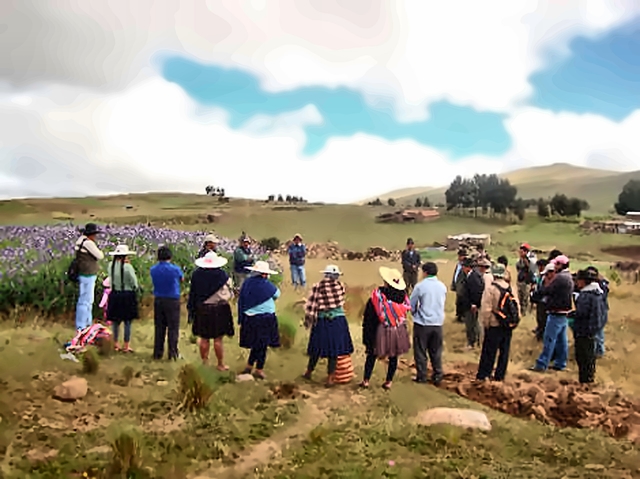
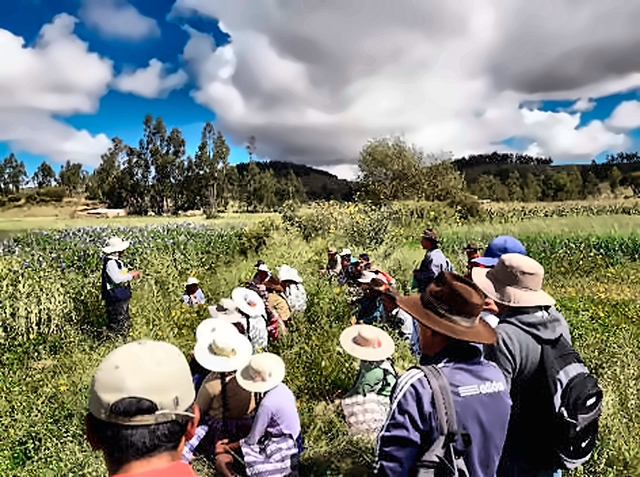
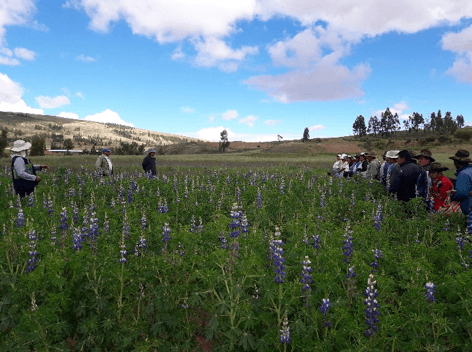
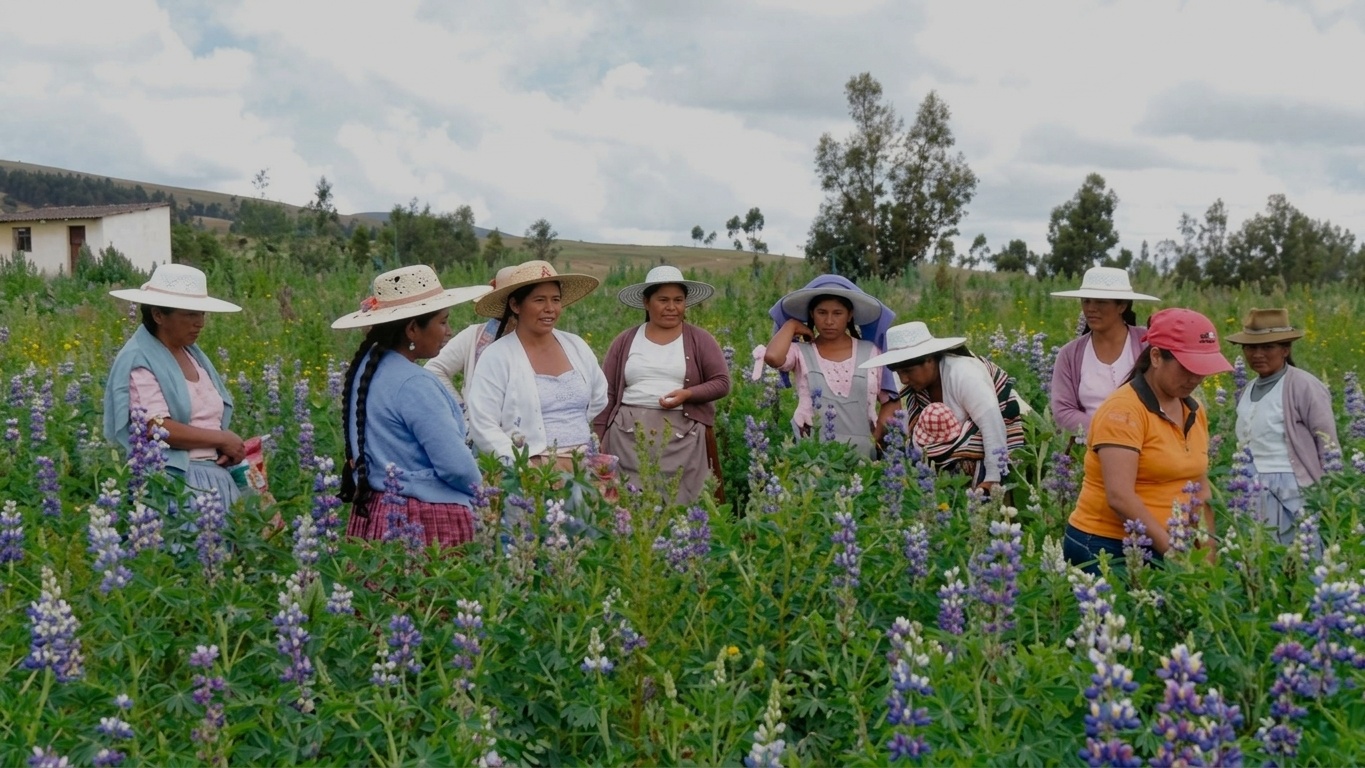
These innovations are already reaching the field. In Bolivia, 80 producers were trained in the new technologies and 50 families use two of them on their farms.
🔗 Project page (in Spanish) · 📄 2018 poster (in Spanish) · 📄 Final technical report (in Spanish)