 Impact
 Initiatives
 Dashboard
 Alliances


 Impact
 Initiatives
 Dashboard
 Alliances

 Technological
On October 7 and 8, 2026, Uruguay hosted the Third National Meeting on Sustainable Agriculture, organized by AUSID (Uruguayan No-Till Association) with the support of FONTAGRO. Held under the theme “Decisions that build systems: 35 years of long-term thinking,” the event coincided with AUSID’s 35th anniversary and brought together researchers, producers, and technicians to exchange experiences and knowledge on the design of sustainable agricultural systems and strategies to intensify production without degrading soils.
Day one: technical presentations
The first day’s program was organized in thematic blocks. The morning focused on management strategies for building sustainable cropping systems. Topics included the contribution of bioinputs and biologicals to crop management, the role of cover crops in weed regulation and their productivity and impact on nitrogen availability for subsequent crops, criteria for efficient resource use in irrigated systems, and the use of bioactivated fertilizers to improve nutrient use efficiency.
The afternoon centered on “the legacy of building sustainable cropping systems,” with special attention to soil acidification: its determining factors, agronomic management strategies, pH neutralization in no-till, and a panel of specialists on the situation in Uruguay and its expected impacts. The program also covered the trajectories of Uruguay’s cropping systems assessed through sustainability indicators, and their impact on the economic results of CREA producers.
Day two: technical field tour
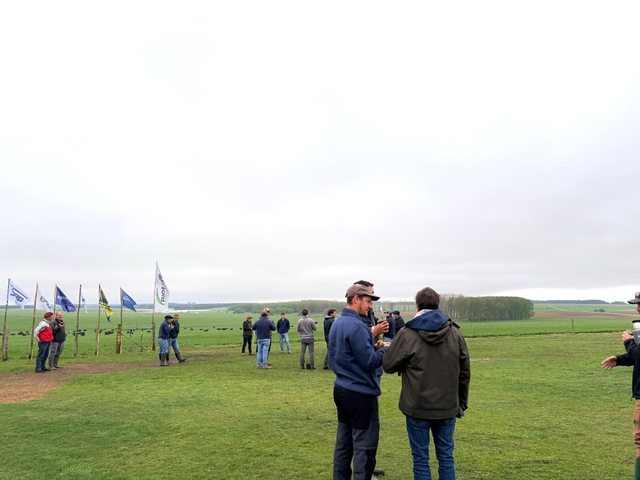
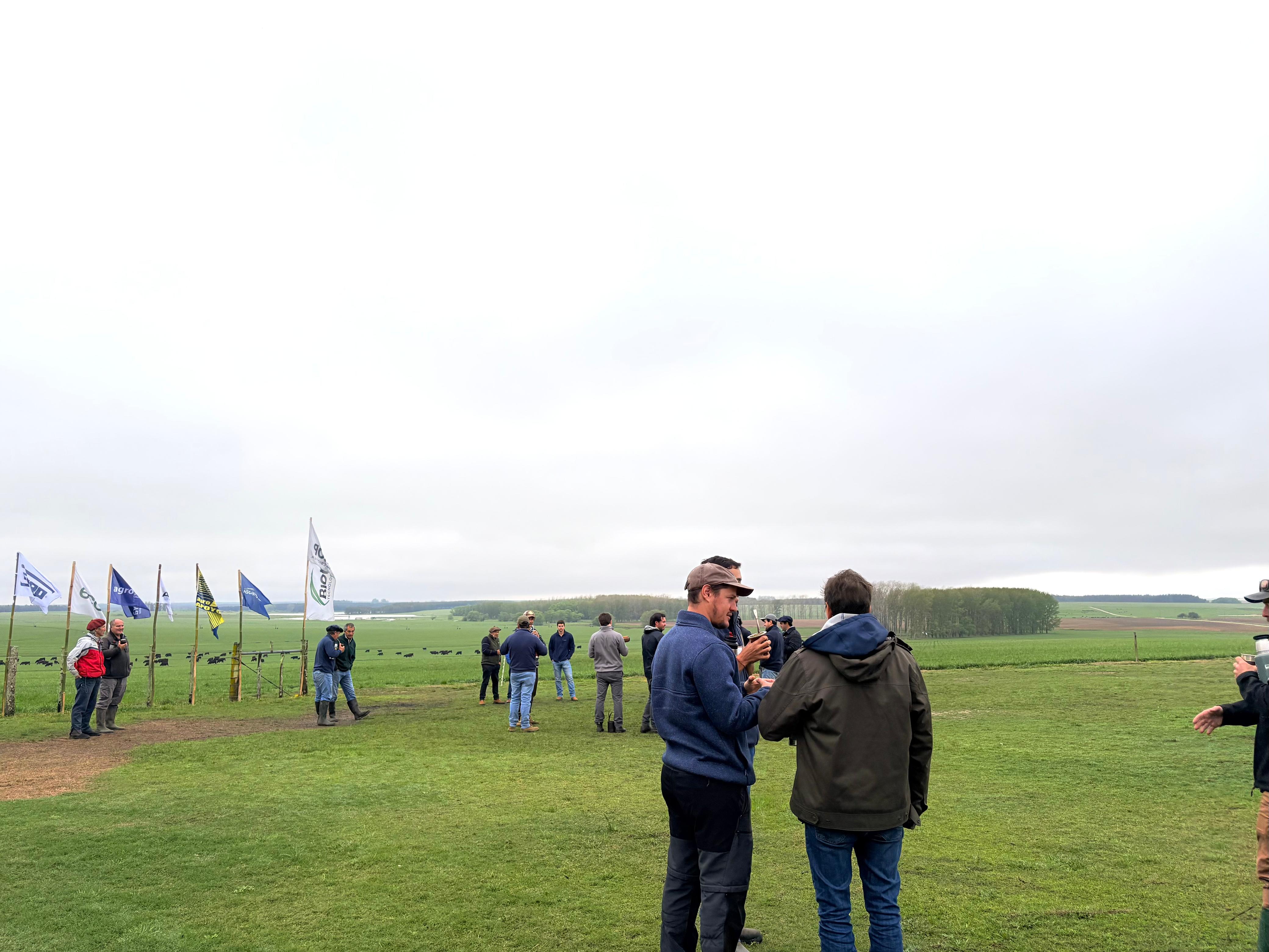
The second day consisted of a technical tour of La Favorita farm, owned by the García Seguí family. The conceptual foundations for measuring soil carbon gaps were presented to producers and technicians, and different management strategies were analyzed based on the farm’s experience.
The tour included four technical stops, covering the contribution of pastures and livestock to the production system, the management of an irrigated fescue seed crop, irrigated crop rotation, and planting corn on a cover crop. The role of cover crops, fertilization, and the opportunities and challenges of irrigation in crop and livestock systems were also discussed.
The meeting fostered dialogue between research and the productive sector, bringing together conceptual tools and field experience to move toward more sustainable agricultural systems.