Assessment of soil carbon gaps and validation of cover crops in Argentina, Uruguay, and Bolivia, promoting sustainable agricultural systems that regenerate organic matter and mitigate climate change.

In Argentina, Uruguay, and Bolivia, the expansion of extensive agriculture has led to accelerated soil degradation and loss of organic matter, with estimated reductions of 20% to 60% of soil carbon compared to original conditions. This degradation, driven by conventional practices and monocropping, reduces natural fertility, affects long-term productivity, and weakens the capacity of agroecosystems to cope with extreme climate events. In this context, there is an urgent need for accurate diagnostics of carbon loss and the implementation of practices that restore ecosystem services while reducing greenhouse gas emissions.
Soil diagnosis and regeneration strategies to drive an agroecological transition in South American production systems.
The project seeks to promote more sustainable agricultural systems through two strategies: estimating the carbon gap as a diagnostic tool and implementing cover crops for ecological intensification. Through a transdisciplinary platform that brings together academic institutions, research organizations, and producer associations from Argentina, Uruguay, and Bolivia, a co-innovation process will be developed. Regional carbon gap maps will be produced, and management practices will be adapted at the local level to increase carbon storage and agricultural production.

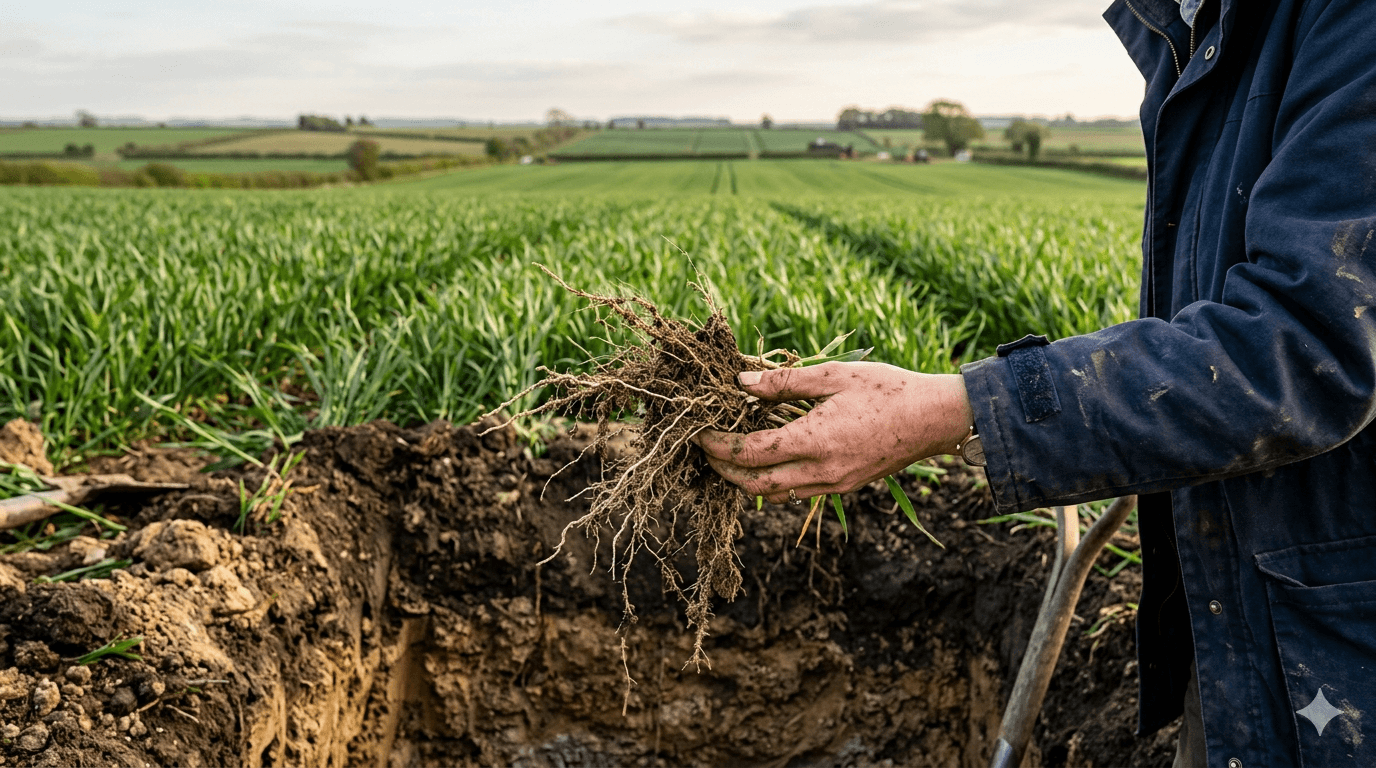
The methodological solution addresses degradation through both diagnosis and intervention. First, it estimates the carbon gap by analyzing functional soil fractions (particulate and mineral-associated) in production fields compared to reference sites, accurately identifying the magnitude of loss and specific regeneration needs. Second, it implements a trinational network of on-farm trials to validate cover crop options. These trials monitor biomass, water use, nodulation, and their effects on cash crop yields, using new indicators (such as nitrogen mineralization potential) to detect early changes. The information generated will feed into an open-access digital platform to support decision-making.
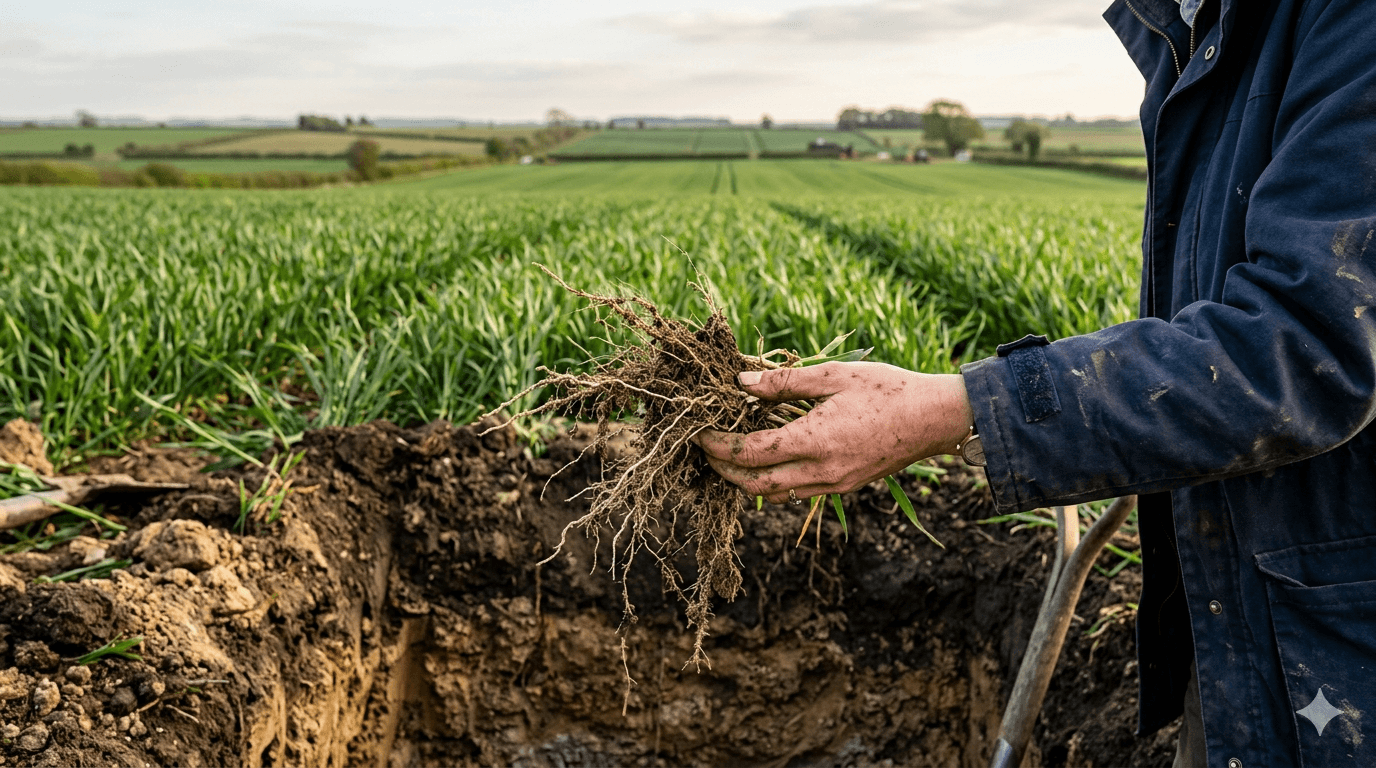
"“The carbon sink capacity of the world’s agricultural and degraded soils is equivalent to 50–66% of the historical carbon loss.”"— Lal, 2004
 Agronomic PracticesResilient Crops and Carbon Neutrality (“PI-1”)AppliedTechnologicalNatural resources
In response to historical carbon loss and dependence on external inputs, the project will enable the recovery of stable soil organic matter, reducing net greenhouse gas emissions. At the production level, the use of cover crops will improve yields of subsequent crops and reduce the need for nitrogen fertilizers and herbicides, generating economic savings. The initiative will directly benefit more than 2,500 producers, technicians, and researchers, and indirectly around 55,000 regional stakeholders. Public goods such as regional maps, databases, and diagnostic tools will be developed, promoting more resilient and inclusive agriculture for women, youth, and family farmers.






Sede Central

Argentina
Uruguay

Bolivia
.png&w=640&q=75)
Bolivia


 Impact
 Initiatives
 Dashboard
 Alliances
 Impact
 Initiatives
 Dashboard
 Alliances