
 Impact
 Initiatives
 Dashboard
 Alliances
 Impact
 Initiatives
 Dashboard
 Alliances


Learn more about this story
Project Webstory
Go to webstory





 Agronomic PracticesResilient Crops and Carbon Neutrality (“PI-1”)AppliedTechnological
 2025
2025 Active
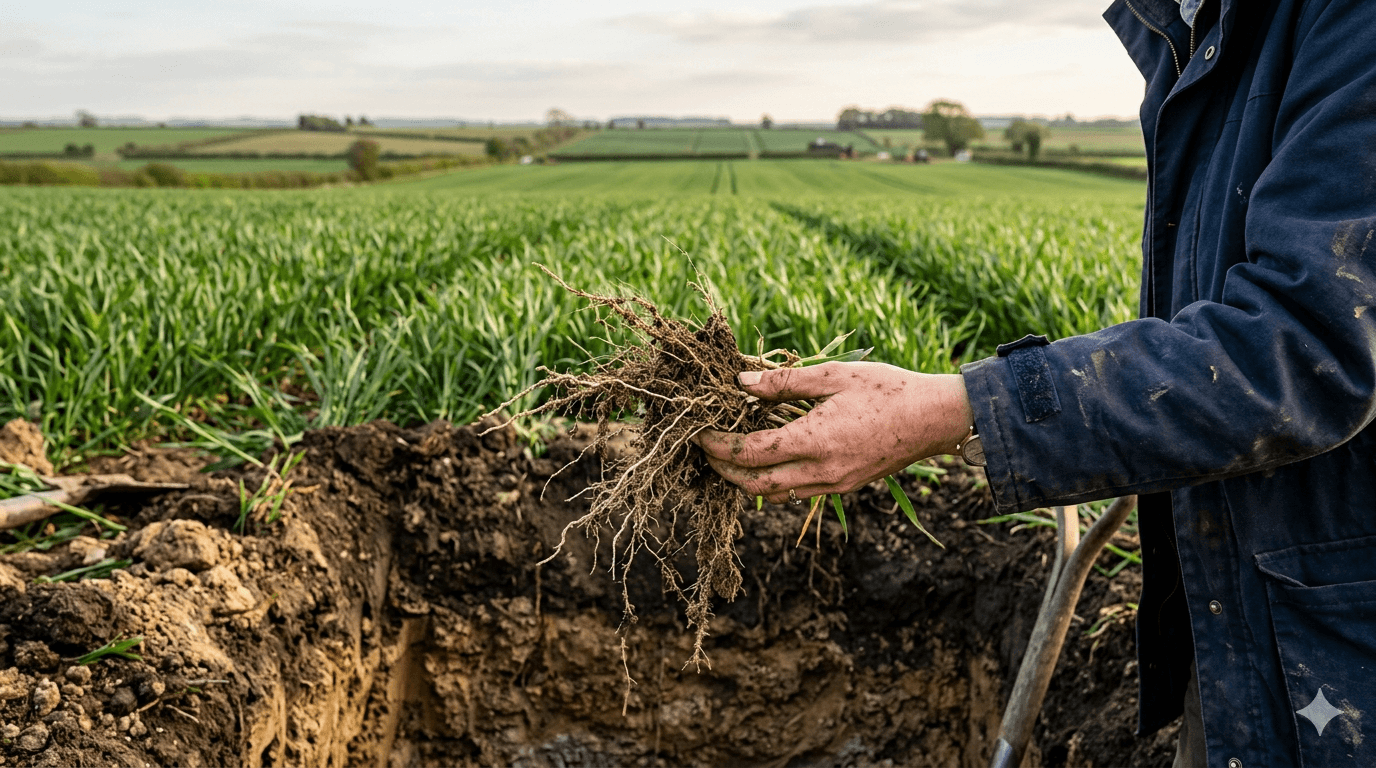
In Argentina, Uruguay, and Bolivia, extensive agriculture has played a key role in economic growth and foreign exchange generation. However, its expansion has been accompanied by an accelerated process of soil degradation and organic matter loss. This degradation not only undermines long-term productivity, but also weakens the capacity of agroecosystems to cope with extreme climate events, sustain natural fertility, and contribute to climate change mitigation. This project aims to advance toward more sustainable agricultural systems through two complementary strategies: the estimation of the soil carbon gap as a diagnostic tool, and the local validation of service crops (SC) as a technology for soil regeneration and ecological intensification.
The carbon gap will be estimated through the analysis of functional soil carbon fractions (POM and MAOM) in productive fields and reference sites, allowing the quantification of how much carbon has been lost relative to its natural potential and informing management decisions. In parallel, a trinational network of SC field trials will be established on farms, monitored to assess biomass production, water use, nodulation, and effects on cash crop yields and soil organic matter (including new indicators for early change detection). The initiative will be implemented by universities, research institutes, and producer organizations, combining scientific and local knowledge.
In response to historical carbon loss and dependence on external inputs, the project will enable the recovery of stable soil organic matter, reducing net greenhouse gas emissions. At the production level, the use of cover crops will improve yields of subsequent crops and reduce the need for nitrogen fertilizers and herbicides, generating economic savings.
The initiative will directly benefit more than 2,500 producers, technicians, and researchers, and indirectly around 55,000 regional stakeholders. Public goods such as regional maps, databases, and diagnostic tools will be developed, promoting more resilient and inclusive agriculture for women, youth, and family farmers.
This project actively contributes to achieving the Sustainable Development Goals, promoting more equitable, resilient, and sustainable regional development.

.jpeg&w=640&q=100)
August 4, 2026
Sponsors


With the support of


