 Impact
 Initiatives
 Dashboard
 Partnerships

 Impact
 Initiatives
 Dashboard
 Partnerships


 Technological
The project «Sustainable management of criollo cattle genetic resources as a contribution to responsible livestock farming in the face of climate change» is getting under way. Approved by FONTAGRO’s Board of Directors, it will run for 42 months. It is led by the Inter-American Institute for Cooperation on Agriculture (IICA), with four co-executors: the Colombian Agricultural Research Corporation (AGROSAVIA), Panama’s Agricultural Innovation Institute (IDIAP), Peru’s National Institute for Agrarian Innovation (INIA) and Venezuela’s National Institute for Agricultural Research (INIA). Associated partners include the Universidad de los Andes (Colombia), Massey University and AgResearch (New Zealand) and INIA-CSIC (Spain).
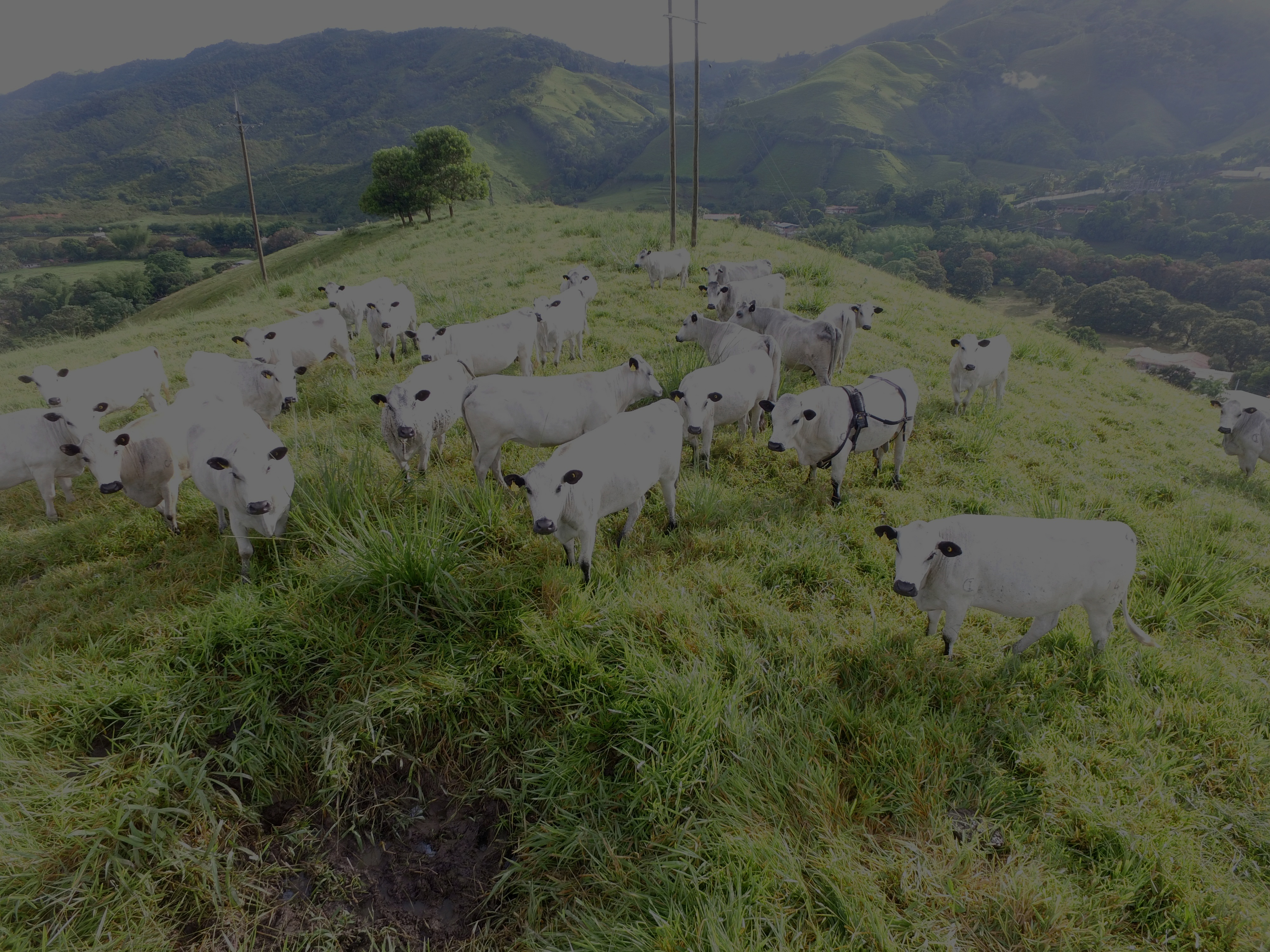
Criollo breeds, such as Romosinuano, Blanco Orejinegro and Costeño con Cuernos in Colombia, Guaymí and Guabalá in Panama, and Criollo Limonero in Venezuela, are a genetic treasure for the region: they stand out for their fertility, tolerance to parasites and heat, and longevity in the tropics. The project will combine genomic characterization, genetic evaluation, cryopreservation and remote sensors to measure methane under real conditions. Its main goals are:
establish a plan for the conservation, recovery and sustainable use of about six criollo breeds, with population inventories in all four countries;
genotype 750 criollo cattle with high-density chips and develop two genetic evaluation methods;
build the first regional methane emissions baseline for criollo cattle and identify genomic markers linked to lower emissions, to select more efficient animals;
train more than 2,000 farmers, technicians and academics through 20 in-person and virtual workshops, and reach some 10,000 people with its results.
🔗 Project page (in Spanish) · 🔗 Impact story (in Spanish) · 📄 FONTAGRO TECH (in Spanish) · 📄 Project document (in Spanish)