Conservation, genetic improvement, and sustainable use of Criollo cattle in Colombia, Panama, Peru, and Venezuela to reduce methane emissions and strengthen livestock climate resilience.

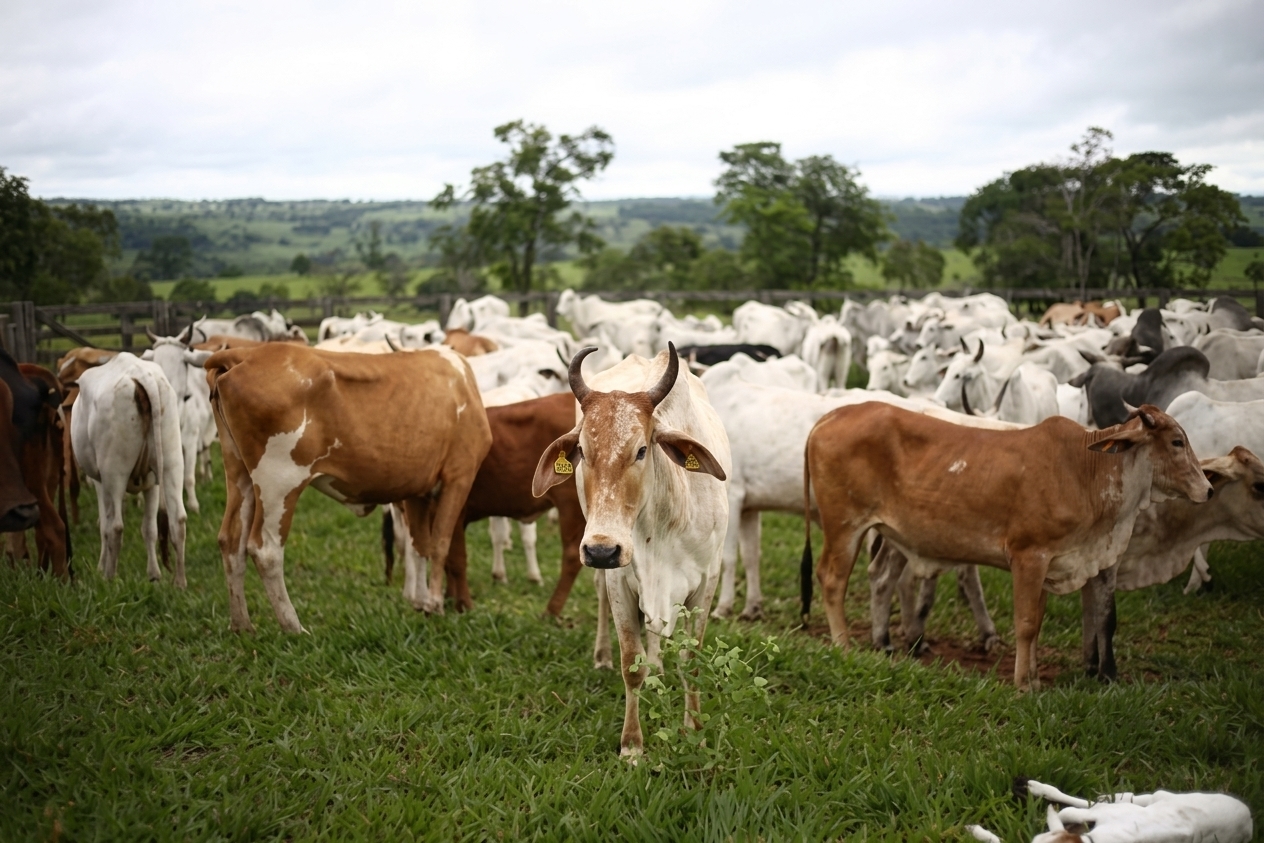
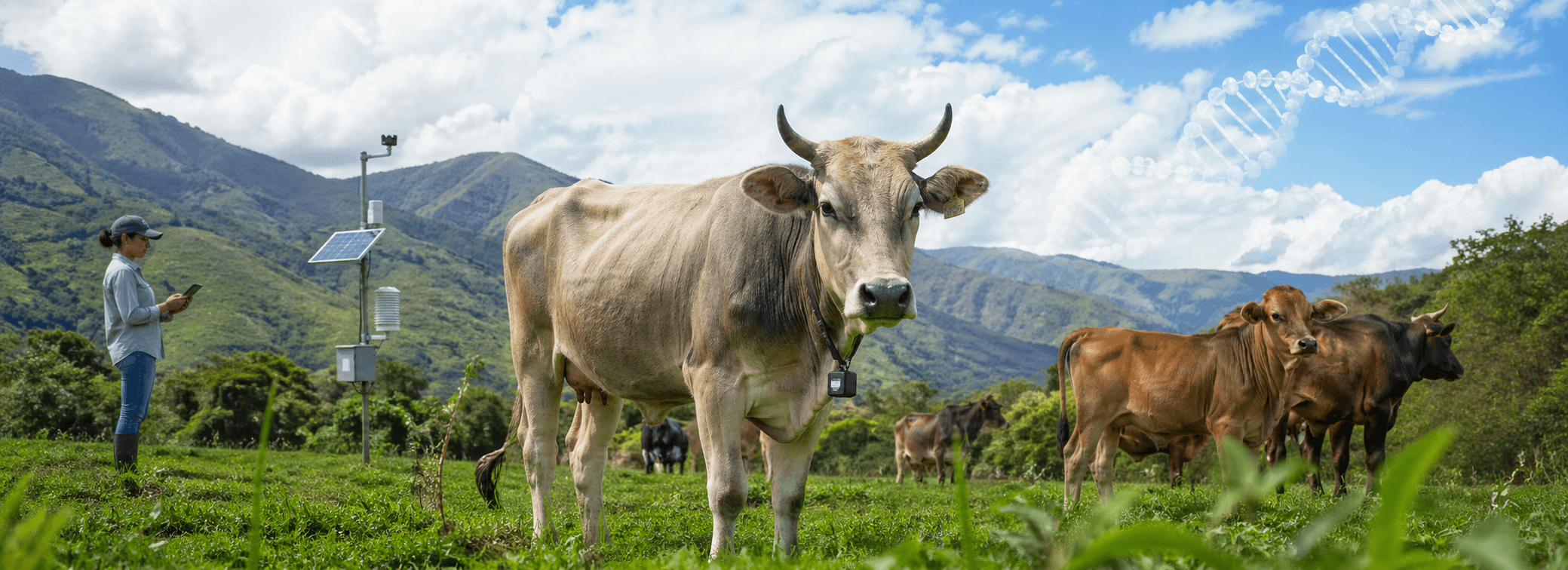
Criollo cattle breeds in Latin America possess unique comparative advantages for tropical environments, such as heat tolerance, fertility, and disease resistance, making them essential for livestock resilience. However, the introduction of exotic breeds has progressively displaced these locally adapted populations, reducing their productive use. At the same time, the livestock sector faces the urgent challenge of reducing greenhouse gas emissions. In this context, Criollo breeds represent a strategic alternative for maintaining food security and mitigating environmental impacts under climate uncertainty.
Reviving and enhancing Criollo cattle genetics for low-emission livestock systems.
The project, implemented through a partnership among Colombia, Panama, Peru, and Venezuela, aims to strengthen the sustainable management of Criollo cattle genetic resources. The initiative seeks to establish a comprehensive plan for the conservation, recovery, and use of these breeds, promoting their improvement and large-scale dissemination. In addition, it will generate a regional baseline of methane emissions and identify key genomic markers to support efficient, responsible, and climate-smart production systems.

The solution integrates modern genomic characterization and genetic evaluation tools to assess the population status of Criollo cattle. This enables the estimation of genetic parameters and the identification of individuals with superior growth and adaptation traits. Based on this information, cryopreservation actions and the use of selected genetic material are implemented to increase herd variability. In parallel, an innovative approach is applied to measure methane emissions under real conditions using remote sensing devices. Through genotyping of evaluated animals, analyses will be conducted to associate low emissions with specific genes and metabolic pathways, enabling the selection of more efficient breeding stock.
"“Biodiversity is the basis of agriculture. Its maintenance is essential for the production of food and other agricultural goods and the benefits these provide to humanity.”"— FAO - 1999
 Agronomic PracticesClimate changeLivestock and Protein of the Future (“PI-2”)AppliedTechnologicalCattle raisingAgricultural systems
In response to the risk of losing Criollo genetics and the high emissions of the sector, the project will conserve these populations and increase their economic value within production systems. The first regional baseline of methane emissions for Criollo cattle will be established, standardizing measurement methods. The identification of genes associated with lower methane production will facilitate the selection of low-emission animals, reducing the carbon footprint of livestock systems. The initiative will directly benefit more than 2,000 people and indirectly 10,000, improving herd productivity and strengthening the region’s technical and scientific capacities to transition toward a more resilient model.




Sede Central
Colombia

Panamá

Perú

Venezuela


 Impact
 Initiatives
 Dashboard
 Alliances
 Impact
 Initiatives
 Dashboard
 Alliances