
 Impact
 Initiatives
 Dashboard
 Alliances
 Impact
 Initiatives
 Dashboard
 Alliances


Learn more about this story
Project Webstory
Go to webstory




 Agronomic PracticesClimate changeLivestock and Protein of the Future (“PI-2”)AppliedTechnologicalAgricultural systems
 2025
2025 Active
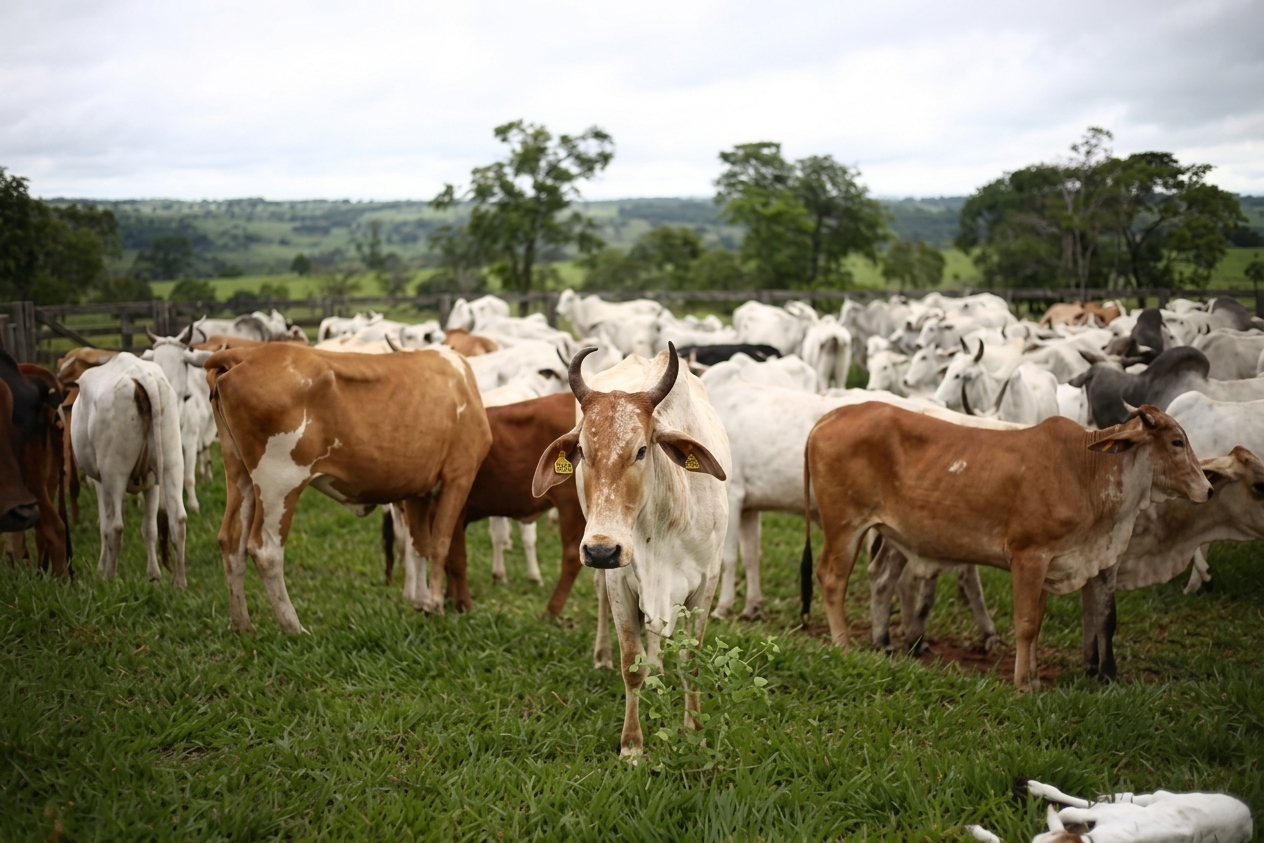
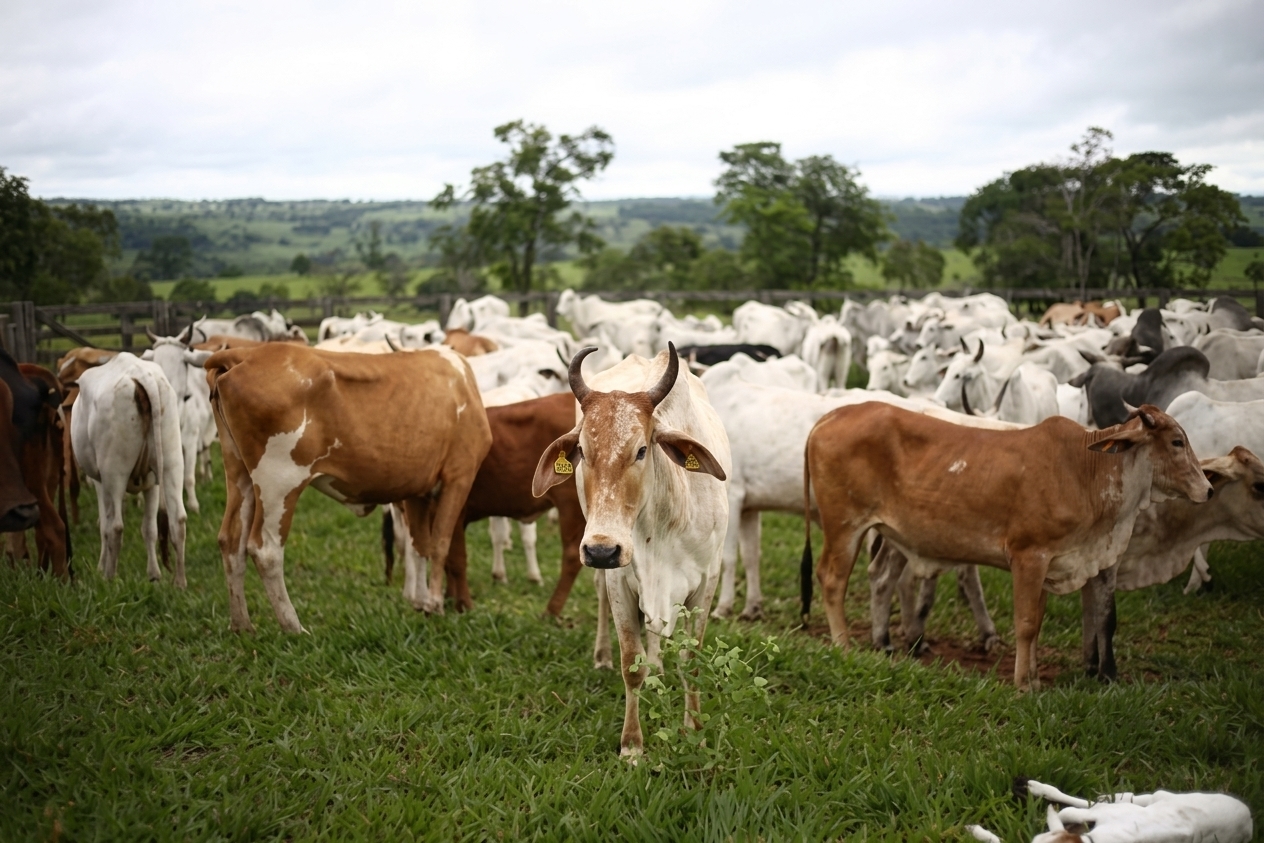
The project, executed through a partnership between Colombia, Panama, Peru, and Venezuela, seeks to strengthen the sustainable management, conservation, and genetic improvement of Creole cattle genetic resources in the face of climate uncertainty. These locally adapted breeds possess comparative advantages in the tropics, making them crucial for food security, biodiversity preservation, and resilience against diseases and the effects of climate change. The initiative will evaluate the status of populations, estimate genetic values, and develop a baseline for methane emissions to promote more efficient, responsible livestock farming with a lower environmental footprint.
The proposed solution integrates advanced genomic characterization and genetic evaluation methodologies to estimate population parameters and identify individuals with superior growth and adaptation traits. Based on this, actions for the cryopreservation and use of selected genetic material will be implemented. Simultaneously, an innovative framework will be established to measure methane emissions under real conditions using remote sensor-based devices. The evaluated animals will be genotyped to perform gene association, metabolic pathway, and ontology analyses, allowing low methane emission to be incorporated as a trait within the genetic selection criteria.
The project is expected to generate a regional baseline for methane emissions in Creole cattle and standardize the measurement method across different production systems. The initiative will increase the use and economic valuation of native genetic resources, improving the productive and reproductive indices of the herds. At the environmental level, identifying genomic markers associated with lower methane production will facilitate the selection of more efficient animals, directly contributing to the reduction of greenhouse gases and promoting a transition towards more resilient livestock models.
The initiative will directly benefit at least 2,000 people, including small and medium-sized livestock producers, technicians, researchers, and members of the academic community in the target regions of Colombia, Panama, Peru, and Venezuela. The organizations involved highlight institutions such as AGROSAVIA and local breeders' associations like ASOCRIOLLO and ACCRIPA. Additionally, an estimated 10,000 indirect beneficiaries will gain access to the knowledge, methodologies, and results disseminated by the project, thereby strengthening the technical and scientific capacities of the region.
This project actively contributes to achieving the Sustainable Development Goals, promoting more equitable, resilient, and sustainable regional development.

Sponsors


With the support of


