Impact
 Initiatives
 Dashboard
 Alliances

 Impact
 Initiatives
 Dashboard
 Alliances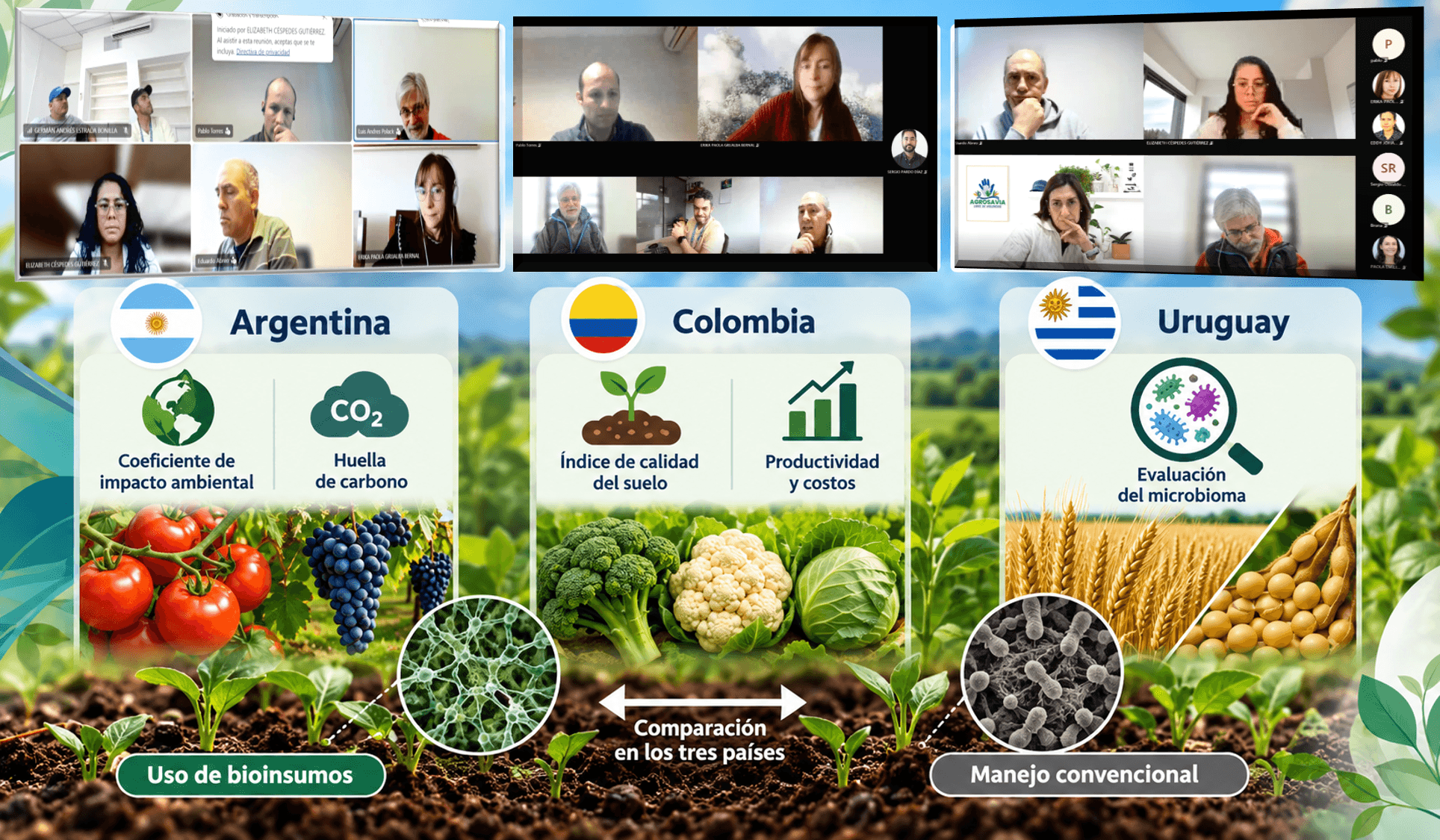

 Integrated Pest Management
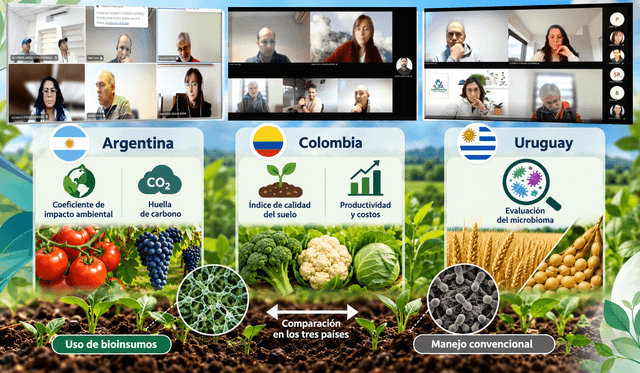
1) Environmental Impact Coefficient: Based on the model developed by Cornell University’s Integrated Pest Management program, which considers three key components of the production system: the agricultural worker, the consumer, and the ecosystem.
2) Soil Quality Index: Derived from the physical, chemical, and biological characterization of the experimental plots. The first phase involves evaluating pH, electrical conductivity, exchangeable cations, organic carbon content, CICA, phosphorus, available sulfur, and micronutrient content. Microbial enzymatic activities will be assessed by measuring β-glucosidase and arylsulfatase levels.
3) Microbiome Study: Following DNA extraction from the samples, the 16S rRNA gene will be analyzed to identify the microorganisms present. These data will be used to calculate sample diversity, determine the number of different species in each zone, and assess the similarity or difference between bacterial communities across locations. Finally, bioinformatics tools will be used to predict the functions of the soil microorganisms.
4) Product Carbon Footprint: Calculated using a life-cycle assessment methodology focused on quantifying greenhouse gas (GHG) emissions across all stages, from production to field application.
5) Production and Costs: Yield (kg/ha) and treatment costs will be determined for each crop cycle and treatment.