
 Impact
 Initiatives
 Dashboard
 Alliances
 Impact
 Initiatives
 Dashboard
 Alliances


Learn more about this story
Project Webstory
Go to webstory




 Integrated Pest ManagementResilient Crops and Carbon Neutrality (“PI-1”)AppliedBio-inputs
 2025
2025 Active
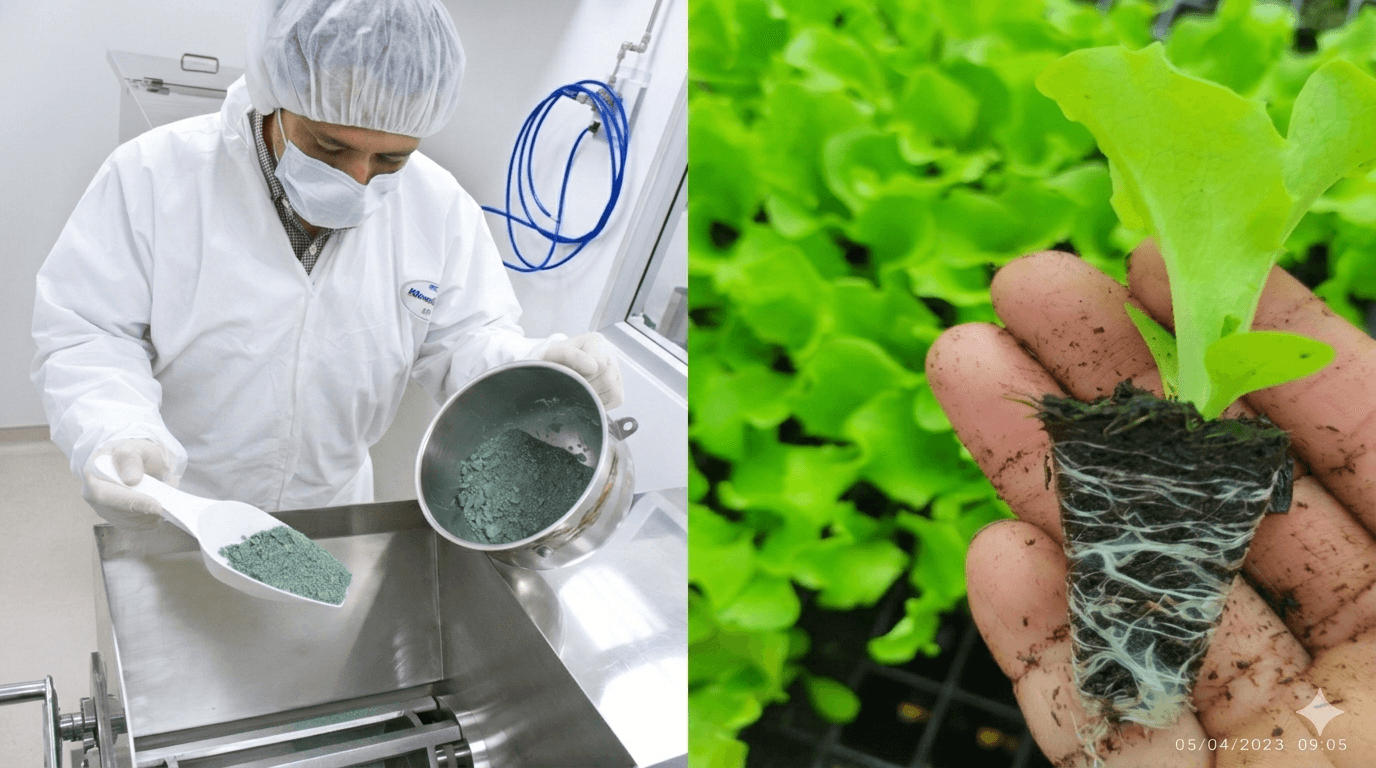
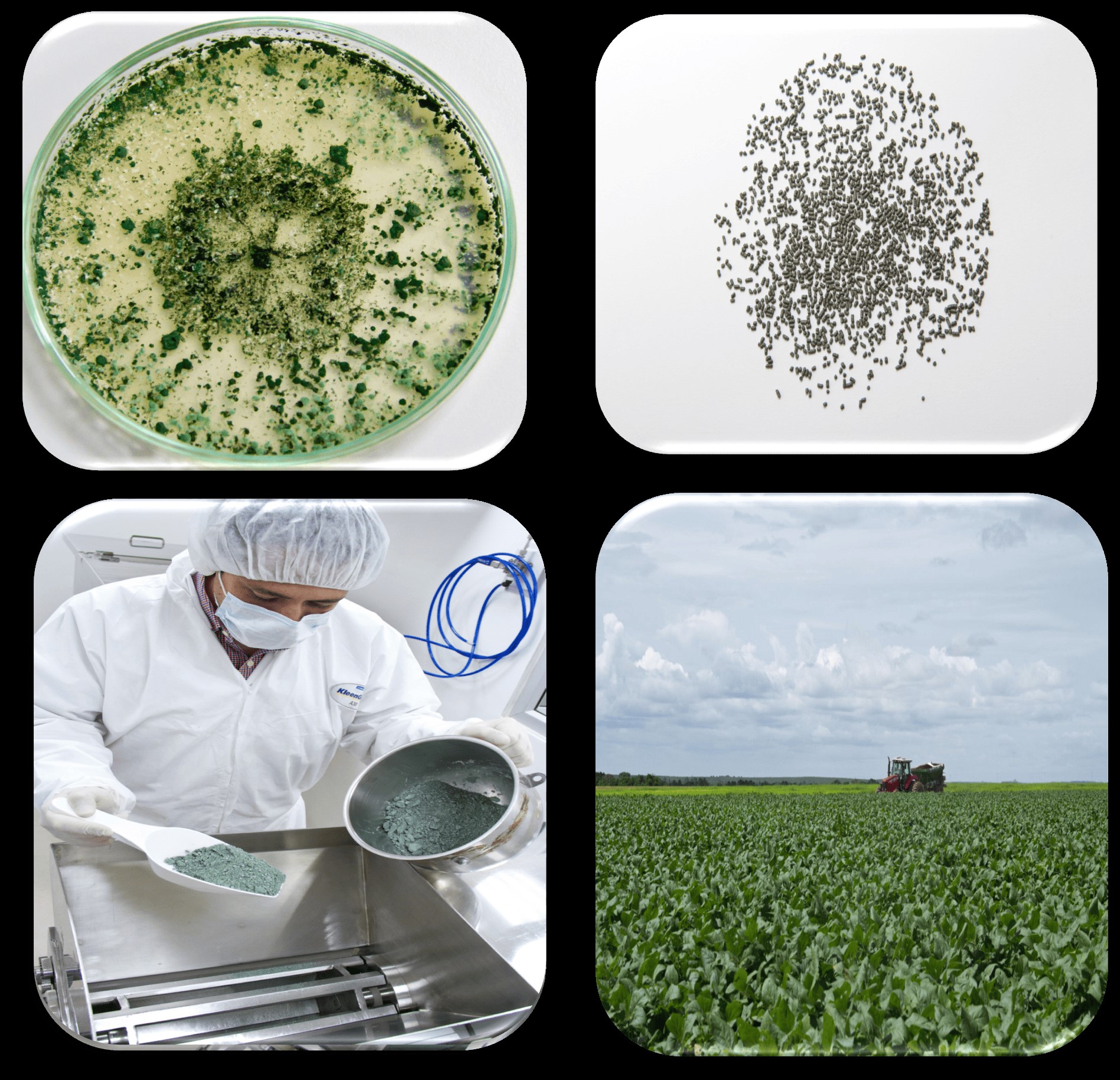
Biologicals are an excellent technological alternative for reducing the use of agrochemicals and their negative effects on health and the environment (impact and soil and water quality and even accelerating climate change). However, their adoption in Latin America is limited. Some of the causes include a lack of knowledge about how they work, how they should be used, their availability, and a lack of awareness of success stories when they are applied. In order to increase the adoption and sustainable use of biologicals in Colombia, Uruguay, and Argentina, this project aims to validate the use of biologicals, generating indicators that demonstrate their efficiency and carbon footprint reduction in different agri-food systems in Latin America.
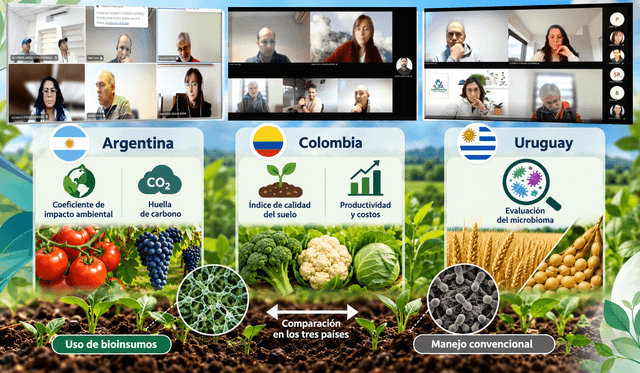
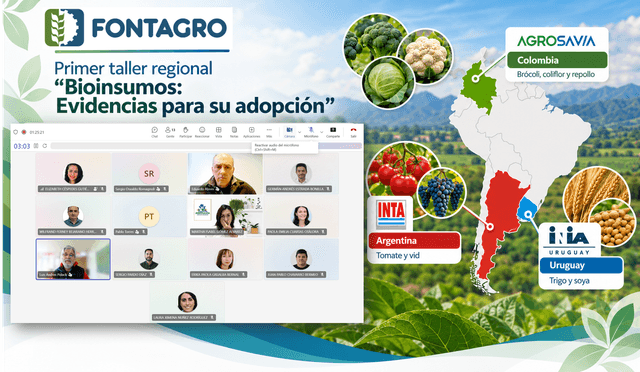
Each country will use at least one production system with different agroecosystem characteristics as a model. In this way, Colombia will validate the use of bioinputs in vegetables, Argentina will validate the use of bioinputs in grapes and tomatoes, and Uruguay will validate the use on cereals. Each country will use the bioinputs available in their institutions and an integrated crop management methodology. Microbial communities, environmental impact coefficients, carbon footprints, and soil quality indexes could be used as indicators of crop and soil health.
The results obtained in the use of bio-inputs and the experience of the participating research groups will be used to strengthen the website of the Hemispheric Bio-inputs Platform, where a module will be created for the transfer, updating, and adoption of bio-inputs that will contain four sub-modules available to producers, technical assistants, and the academic community in general will allow them to receive advice both synchronously and asynchronously: training and capacity building; knowledge and resource bank; interactive tools; and connection and networks.
To transfer the knowledge generated through the platform's use, outreach sessions will be held with various local community groups, with an emphasis on women and youth, seeking to impact at least 2,500 direct beneficiaries. Regarding indirect beneficiaries, it is expected to impact approximately 5,000 people, including producers, technical assistants, and the academy community, who will have contact with the platform through events, courses, field days, and the website.
This project actively contributes to achieving the Sustainable Development Goals, promoting more equitable, resilient, and sustainable regional development.

Martha Isabel Gómez Álvarez
Germán Andrés Estrada Bonilla
Wilfrand Ferney Bejarano Herrera
Erika Paola Grijalba Bernal
Luis Andrés Polack
José Antonio Portela
Roxana Paez
Maria Esperanza Mainez
Ceferino Flores
Denise Flores Maida
Susana Martinez
Lucrecia Puig
Mariana Garbi
Luciana Agostina Dell'Arciprete Giglio
Eduardo Abreo
Sponsors

With the support of



