 Impact
 Initiatives
 Dashboard
 Alliances

 Impact
 Initiatives
 Dashboard
 Alliances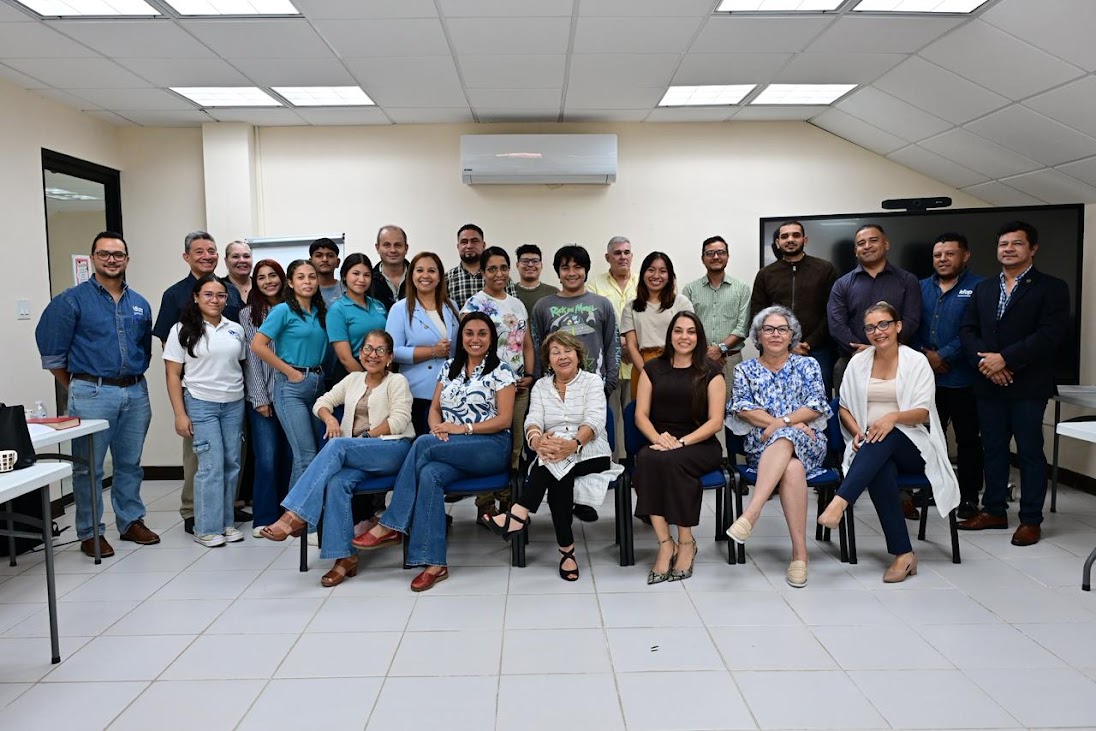

 Technological-Organizational-Institutional
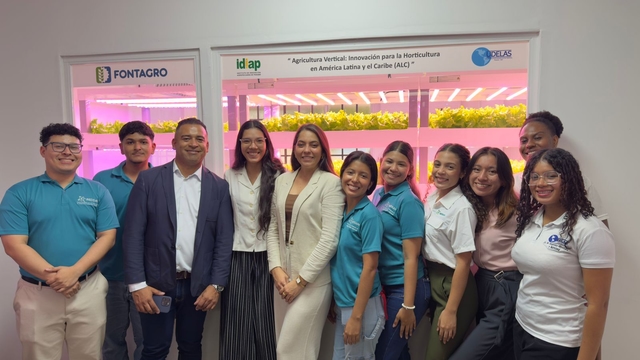
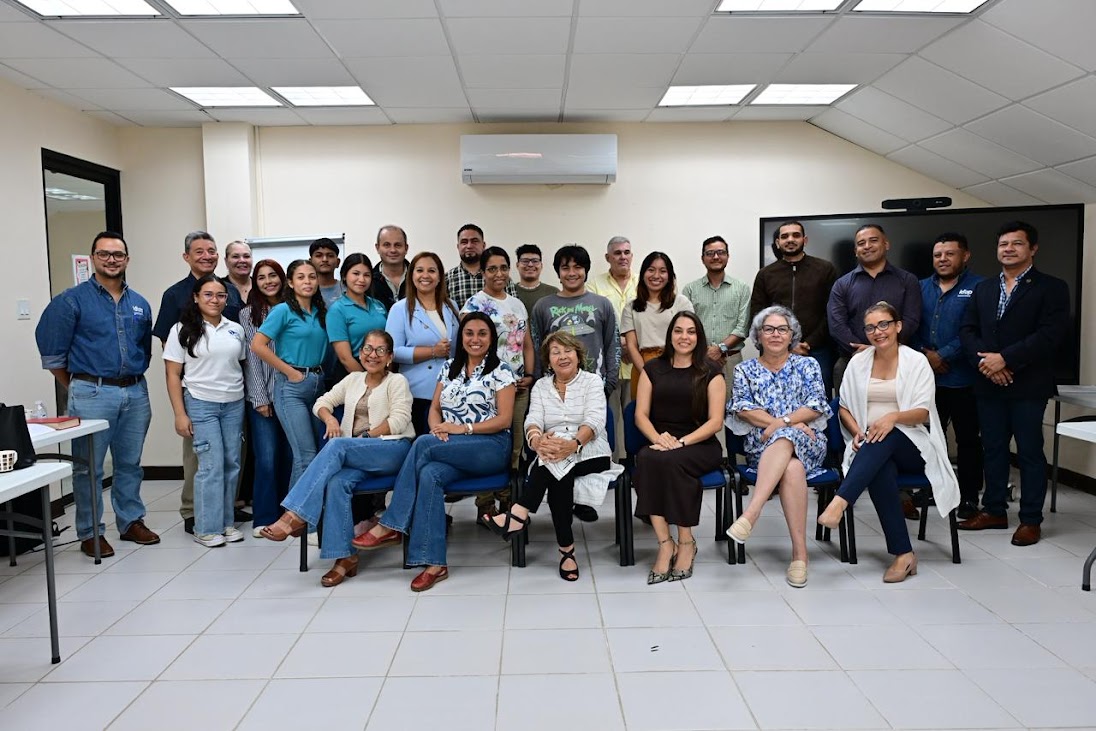
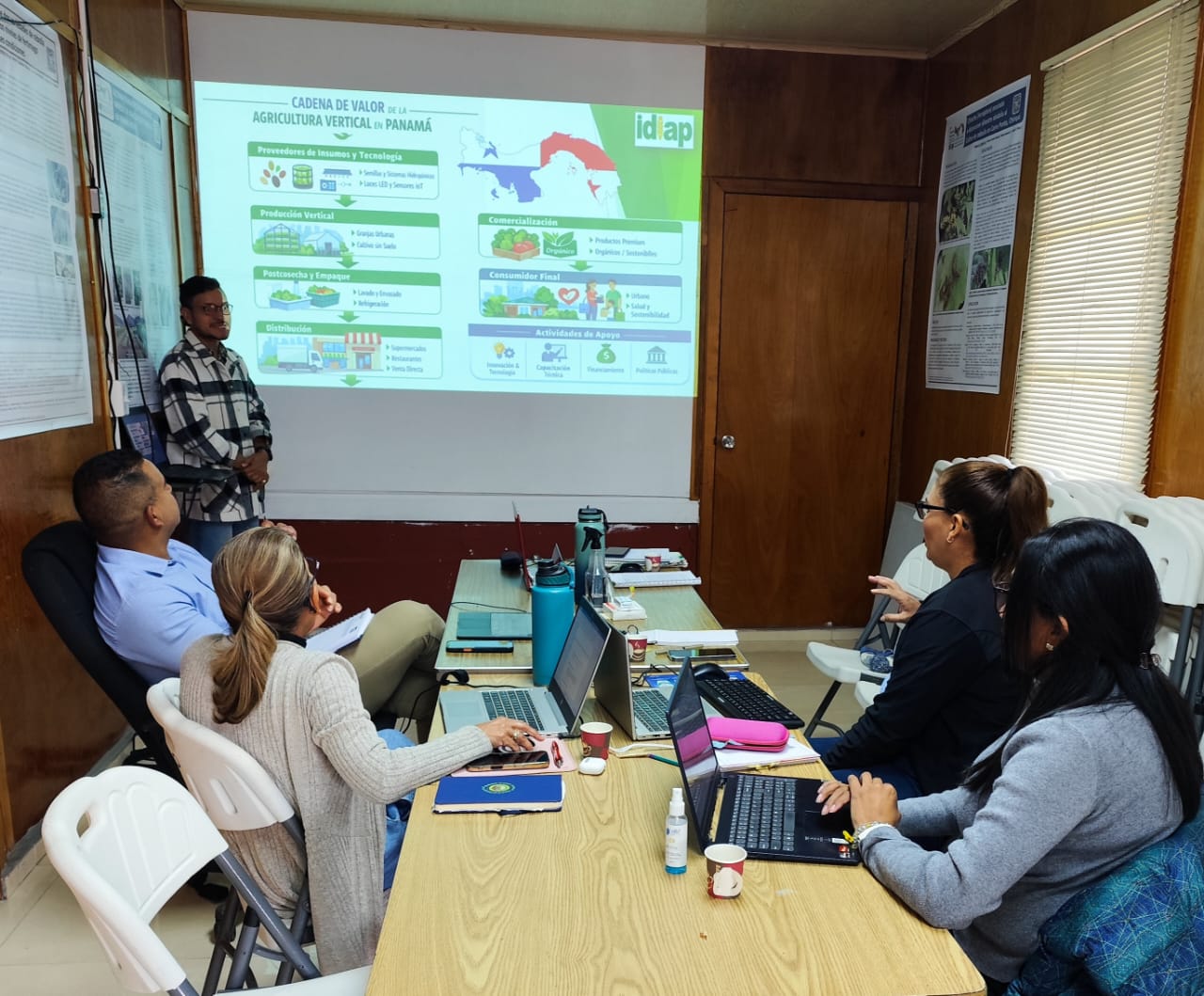
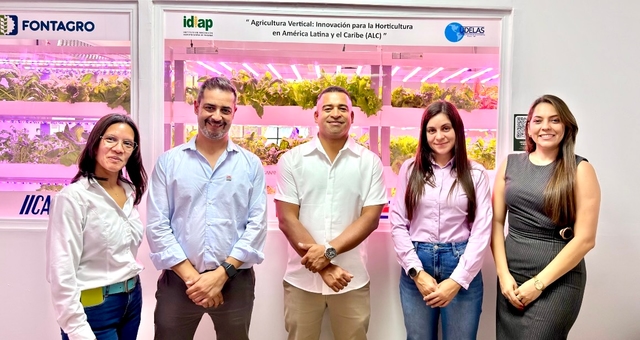
With the goal of promoting innovation and strengthening technical and scientific capacities in vegetable production under controlled environment systems, IDIAP and UDELAS organized the workshop on October 15–16, 2025, with support from the Regional Fund for Agricultural Technology (FONTAGRO).
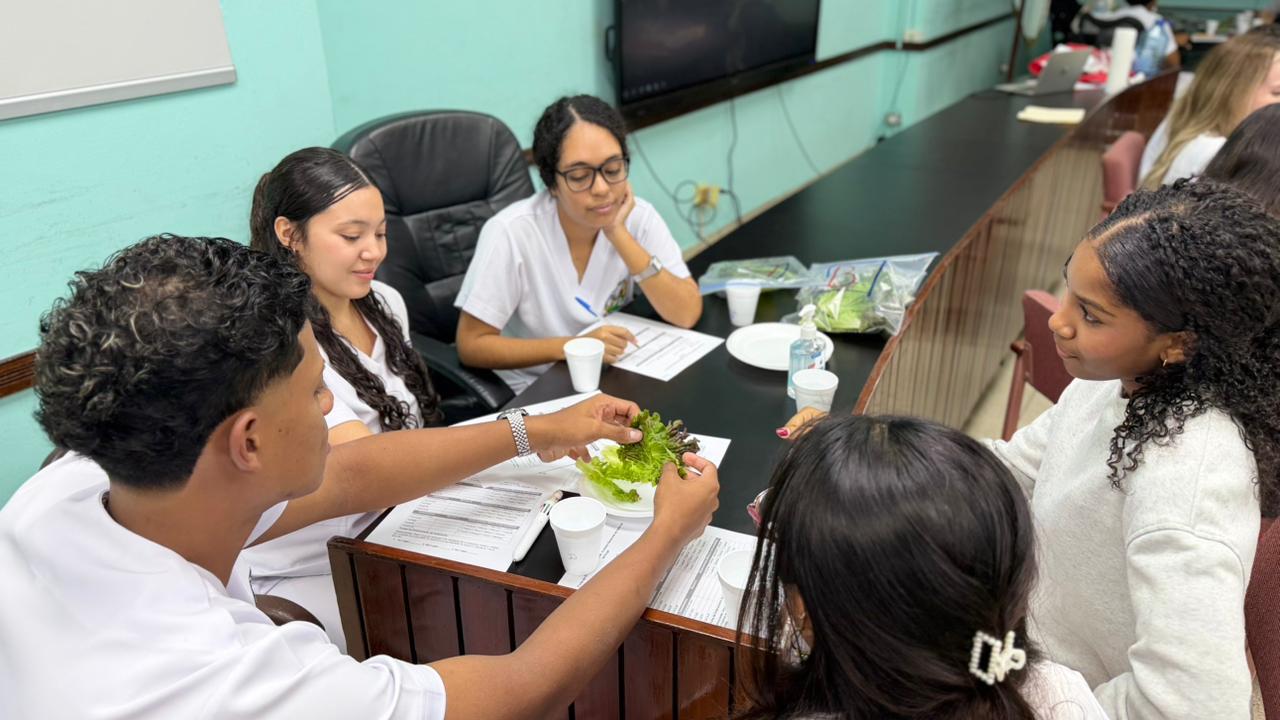
The event brought together researchers, technicians, and students, who actively participated in a comprehensive program of presentations and hands-on activities focused on understanding, managing, and applying innovative technologies related to vertical farming.
The workshop began with welcome remarks from MSc. Milagros Vaña, professor and coordinator of the Bachelor’s Degree in Food Security at UDELAS. This was followed by a presentation from Dr. Javier Pitti, Agricultural Researcher at IDIAP and regional leader of the FONTAGRO project, who shared progress on the initiative “Vertical Farming: Innovation for Horticulture in Latin America and the Caribbean (LAC)” across four countries.
During the first day, participants explored key topics such as the general concept of vertical farms, planting, transplanting and nutrition processes, and nutrient management in soilless crops. These sessions were led by Mr. David Proenza and Dr. Juan Cedeño. The day concluded with the official inauguration of the controlled environment laboratory, a facility that will enhance research and training in advanced agriculture.
The second day focused on the application of scientific tools for agricultural research. Presentations covered the fundamentals of basic statistics and principles of experimental design applied to these production systems, delivered by Dr. José Yau and Dr. Roberto Quiroz, respectively. In addition, Dr. Audino Melgar, National Director of Products and Services at IDIAP, shared emerging strategies in vertical farming and analyzed the role of alternative proteins in global food security.
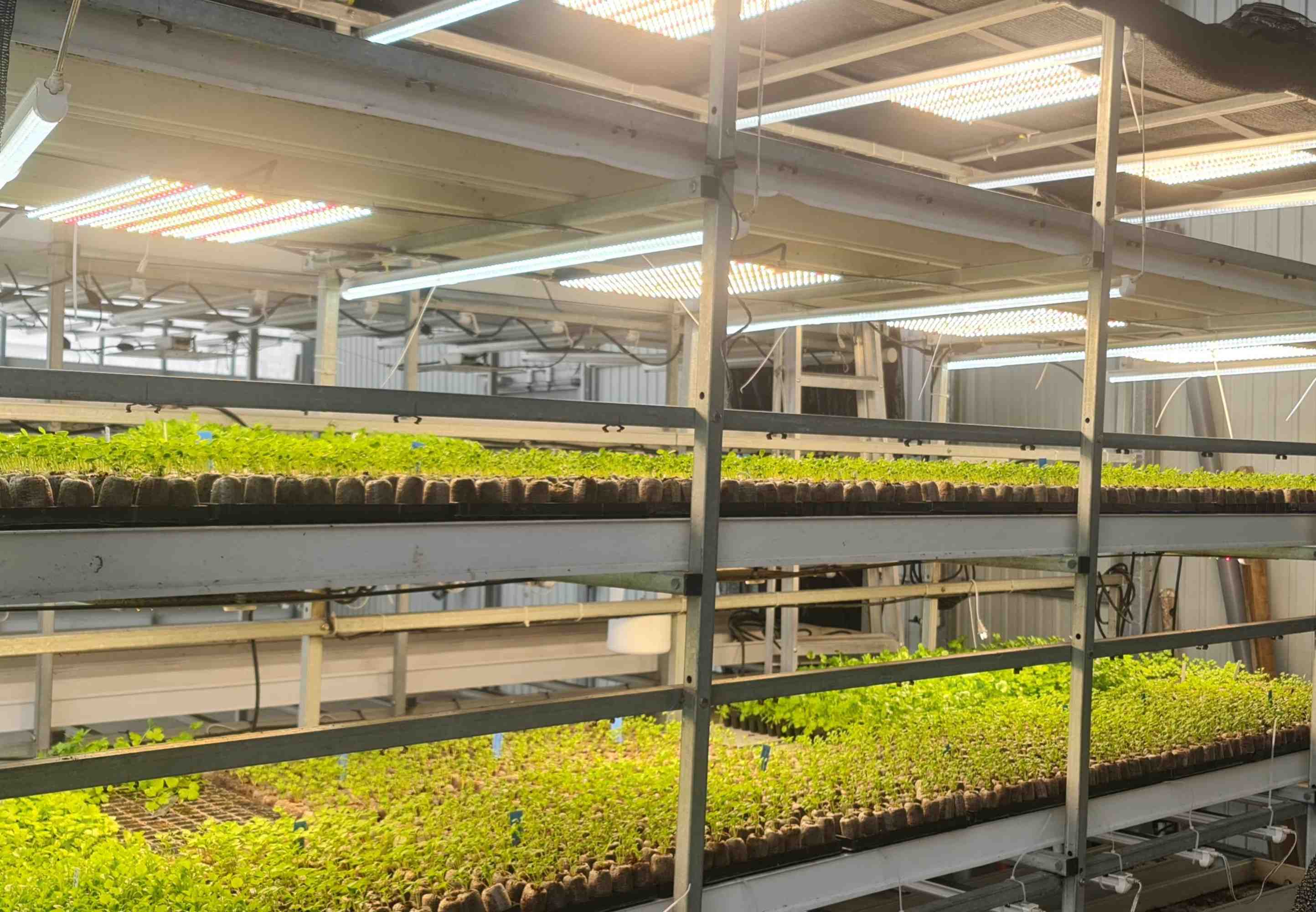
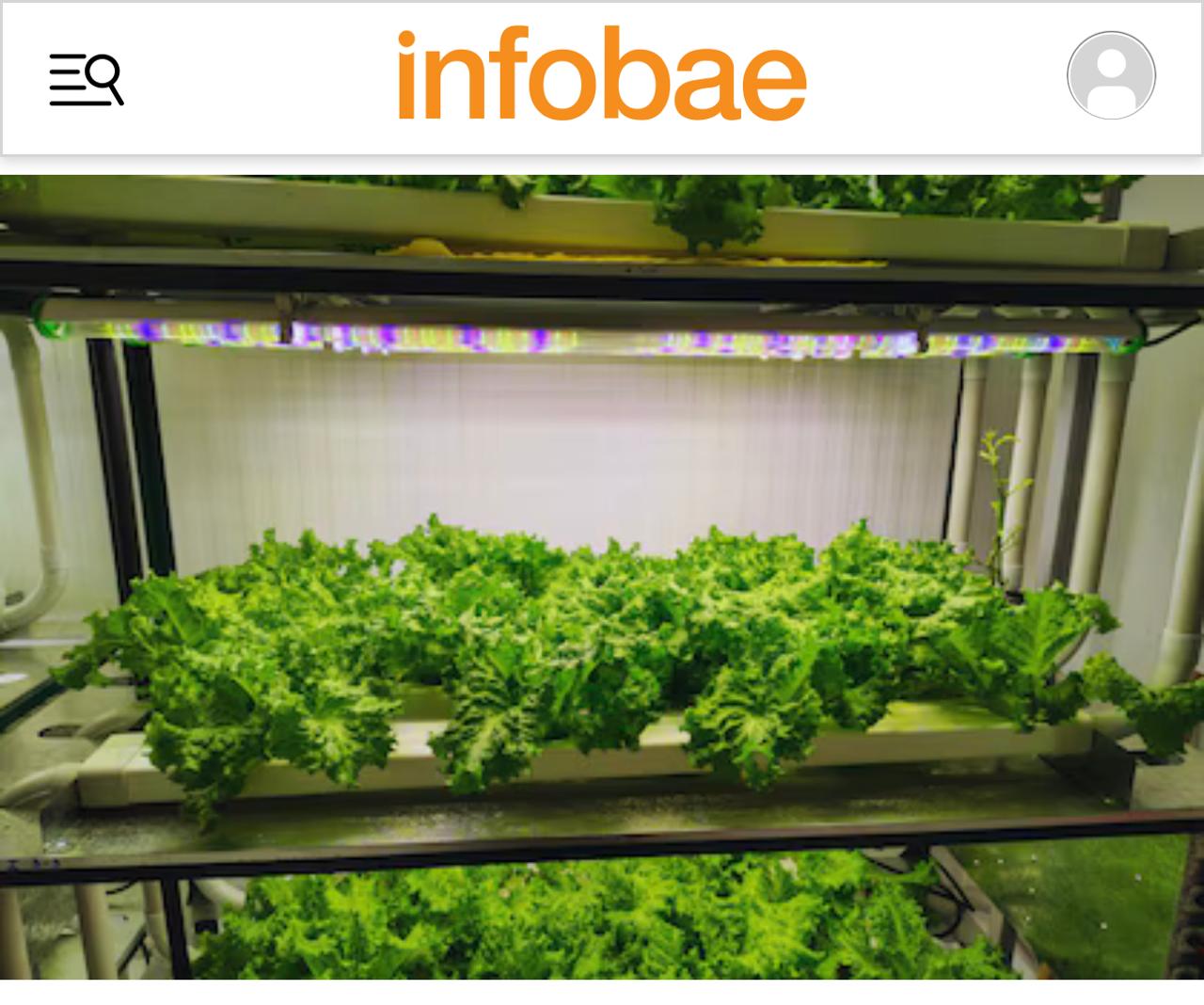
The workshop concluded with a technical tour of the Controlled Environment Module, where participants observed the operation of equipment and technologies that enable this type of intensive and sustainable production. This hands-on experience reinforced the knowledge acquired and allowed participants to understand firsthand the transformative potential of vertical farming.
Through this workshop, the organizing institutions reaffirm their commitment to agricultural innovation and to the development of specialized human talent capable of addressing future challenges.
.jpg&w=640&q=100)
%201.09.25%E2%80%AFp.m..png&w=640&q=100)