 Impact
 Initiatives
 Dashboard
 Alliances

 Impact
 Initiatives
 Dashboard
 Alliances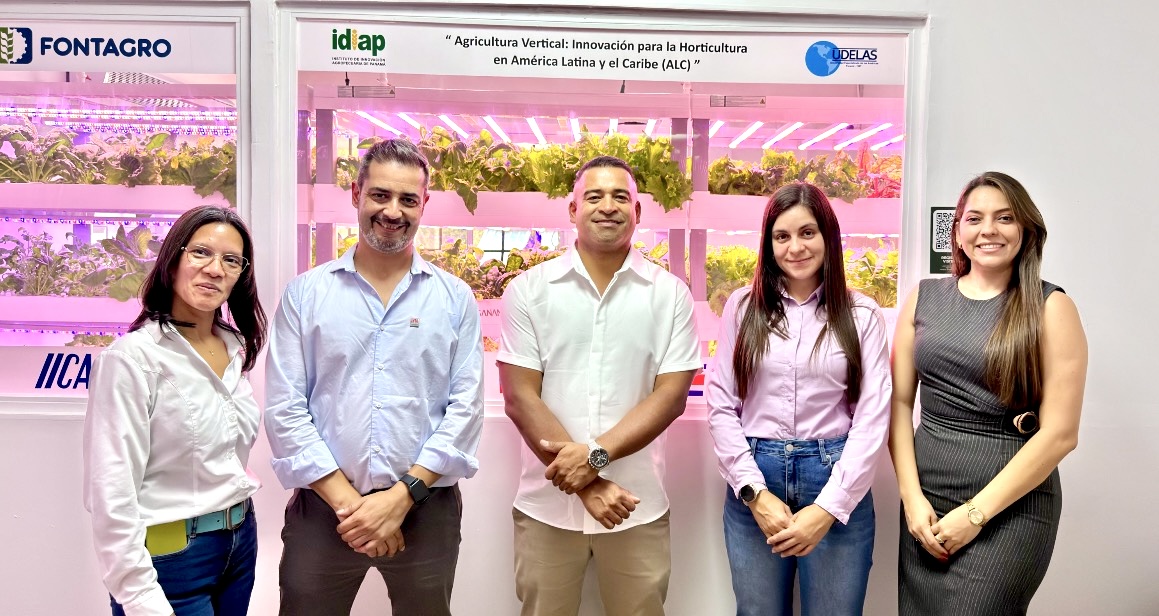

 Technological-Organizational-Institutional
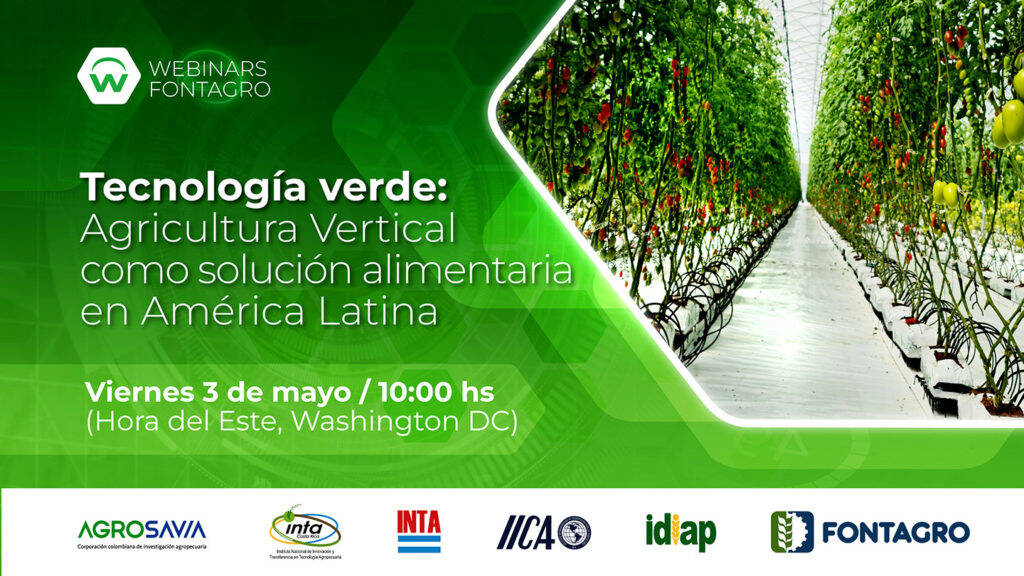
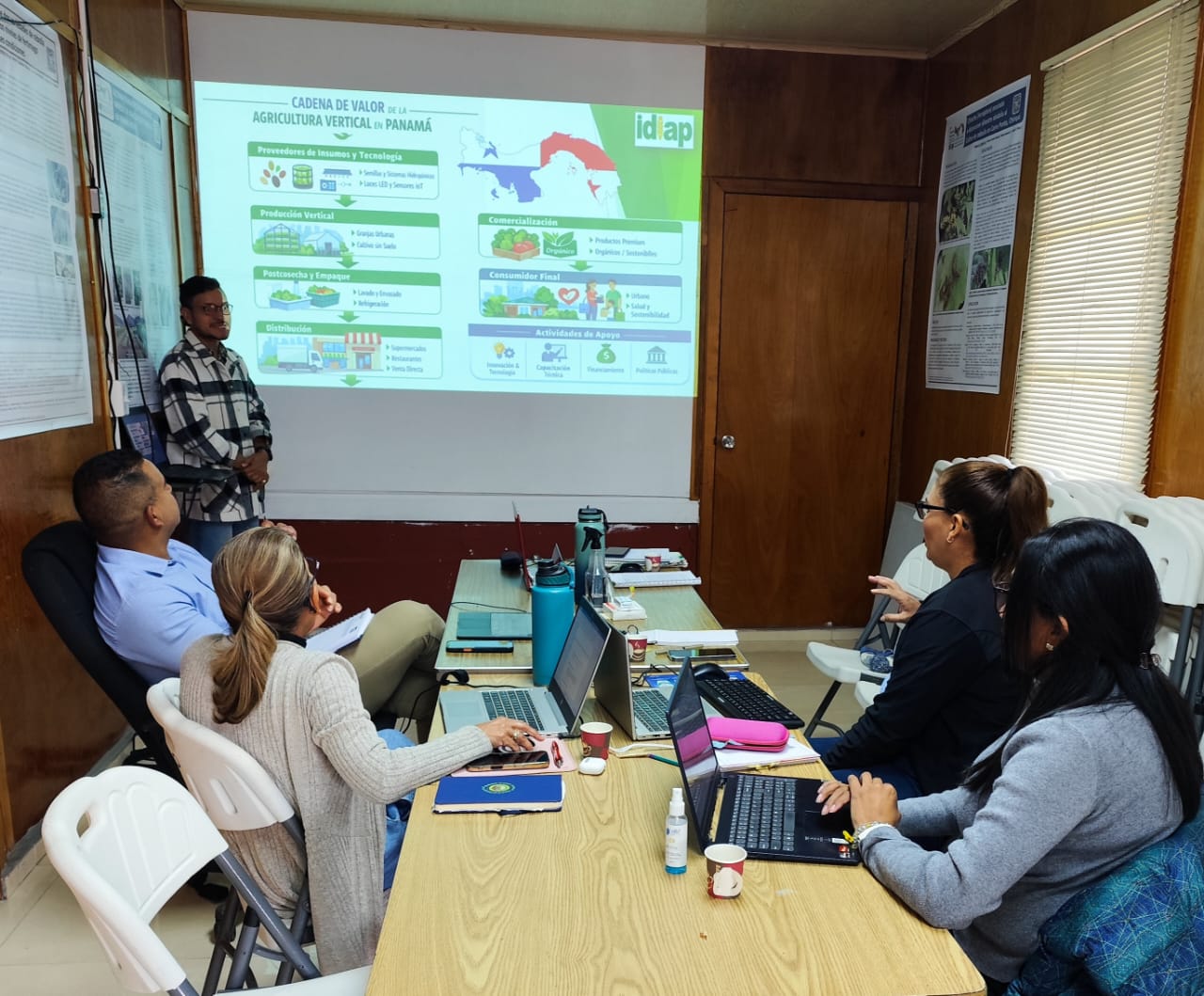
Panama leads this initiative, which has a general goal of comprehensively evaluating vertical agriculture systems as a sustainable alternative for intensive crop production, contributing to the sector’s competitiveness and strengthening food security, according to Dr. Javier Pitti, a researcher at the Agricultural Innovation Institute of Panama (IDIAP).
Among the specific objectives of the project are the technical and agronomic validation of vertical agriculture technologies in various environments, the assessment of their economic and financial feasibility, as well as knowledge management and capacity building in the participating countries.
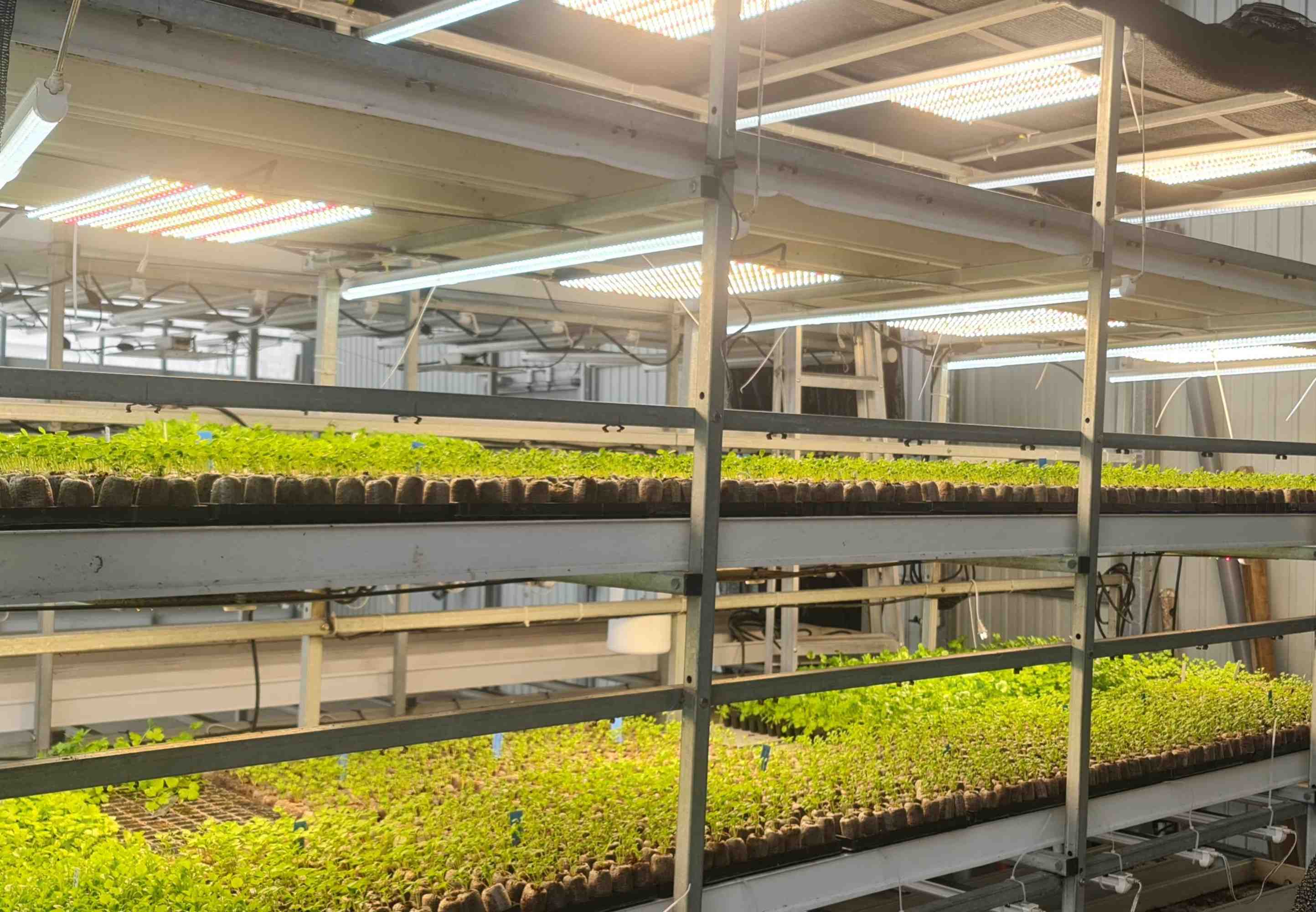
The first phase of this training session took place at the Experimental Station of Cerro Punta, Chiriquí province, where fundamental topics were addressed, such as the principles of hydroponics and soilless cultivation systems, presented by Madeleine Parra from AGROSAVIA (Colombia); nutrition in soilless production systems, given by Stephanie Quirós from INTA (Costa Rica); and the role of artificial lighting in vertical agriculture, discussed by Germán Aguado from INTA (Argentina). Additionally, technical visits were made to the vertical agriculture module of the experimental station and local companies, enhancing the exchange of practical experiences.
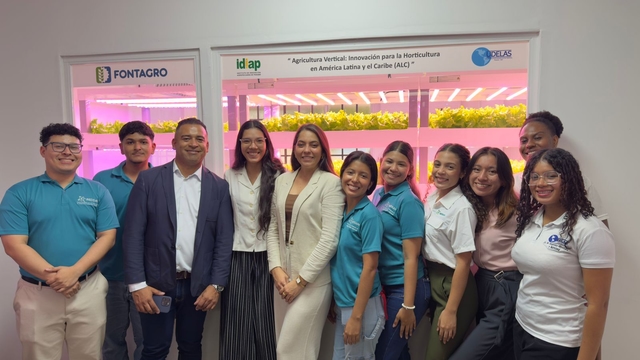
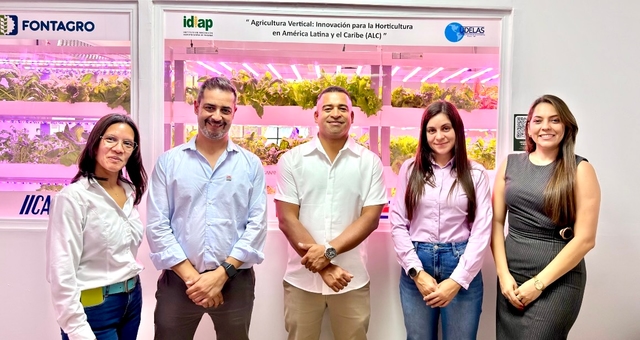
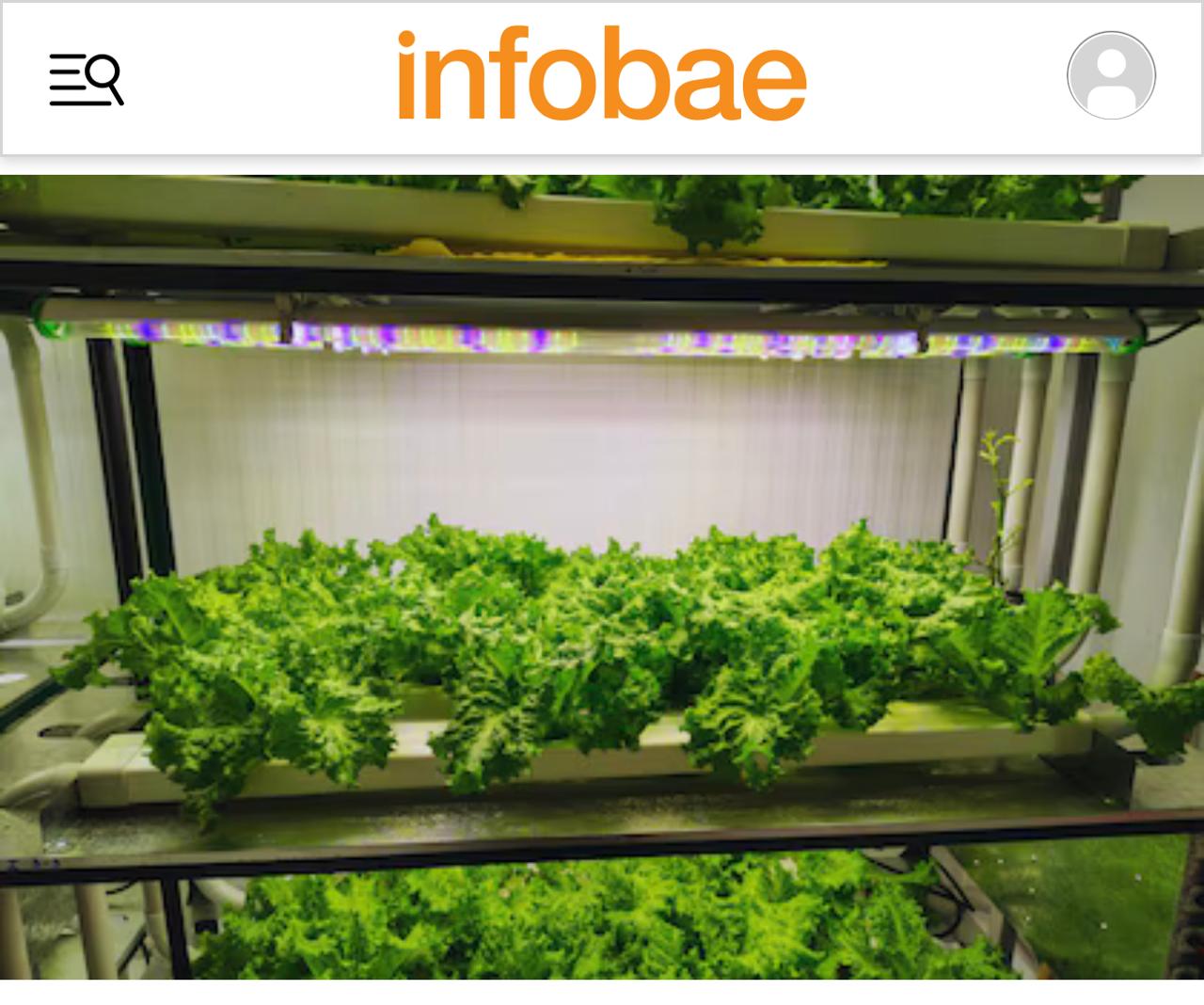
As part of the scheduled activities for this training week, a second training session was conducted in Panama City, specifically at the Specialized University of the Americas (UDELAS), where the project has a vertical agriculture laboratory focused on controlled environment vegetable production, serving as a training platform for students in the Food Security degree program.
On Thursday, April 9, the session was inaugurated by authorities from the Agricultural Innovation Institute of Panama, led by Licenciada Miriam Vásquez de Ortega, the acting General Director of IDIAP, in conjunction with UDELAS authorities. Subsequently, the technical presentations began with a general overview of the project by Dr. Javier Pitti (IDIAP) and Magíster Milagros Vaña (UDELAS). Following this, keynote presentations were given by engineer Germán Aguado (INTA, Argentina), engineer Stephanie Quirós (INTA, Costa Rica), and engineer Madeleine Parra (AGROSAVIA, Colombia).
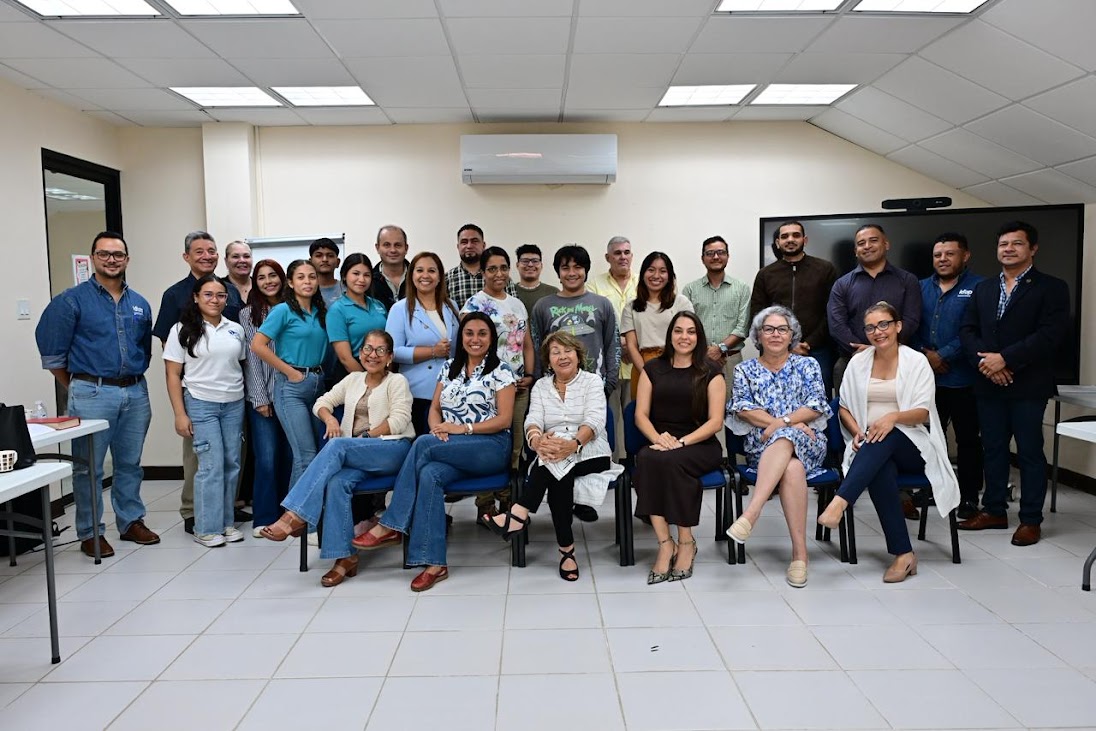
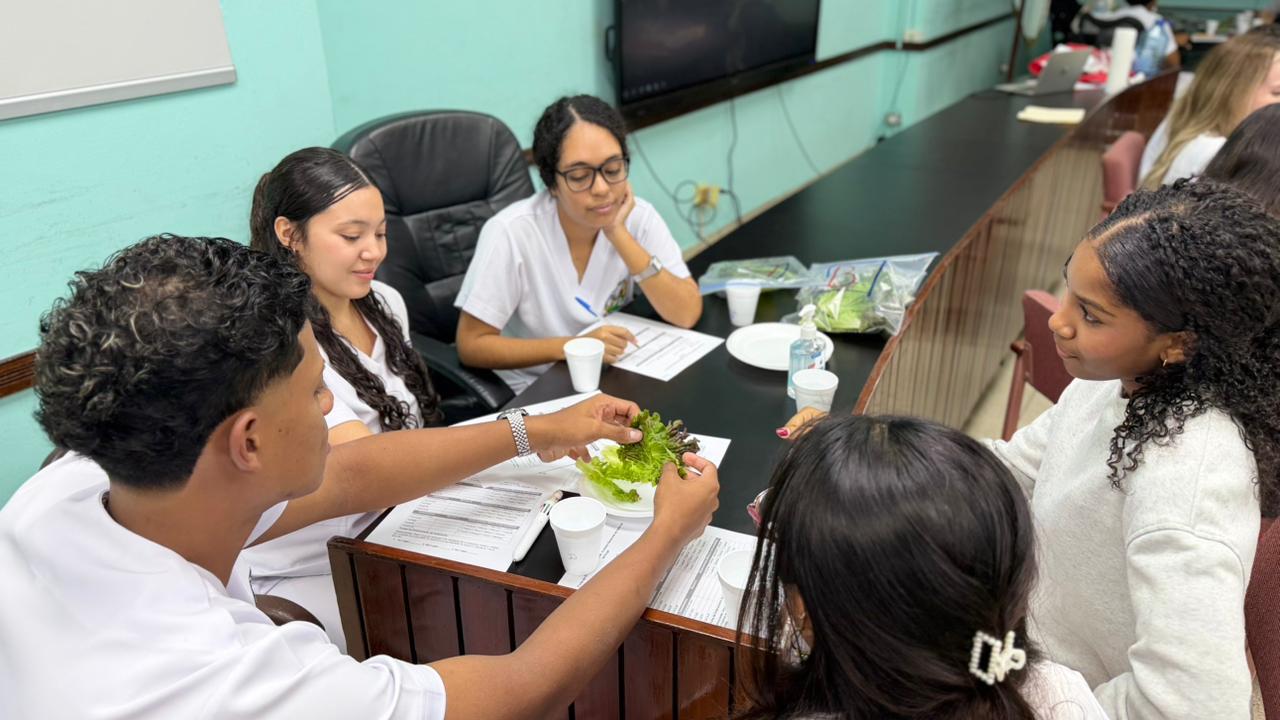
The event saw the participation of approximately 100 attendees, including students from the Faculty of Nutrition at the University of Panama, students from the Food Security degree at UDELAS, representatives from research institutions based in Ciudad del Saber, entities from the agricultural sector, entrepreneurs, technicians, producers, and the general public. This session facilitated a valuable exchange of knowledge and experiences regarding production technologies in controlled environments.
As a complement to the training activities, field tours took place on Friday, April 10, including a visit to a company located in Coronado, Panama Oeste province, dedicated to vegetable production in controlled environment systems. Additionally, a harvest was conducted in the vertical agriculture module at UDELAS, where researchers actively participated, yielding high-value products with average weights between 100 and 300 grams per unit. The week concluded with integration activities, including visits to culturally significant sites, allowing international participants to learn more about Panamanian culture. These actions contribute to strengthening regional collaboration networks and knowledge exchange around vertical agriculture.
IDIAP and its partners thank the Regional Fund for Agricultural Technology (FONTAGRO) for promoting initiatives that drive innovation, sustainability, and the development of the agricultural sector in Latin America and the Caribbean.
.jpg&w=640&q=100)
%201.09.25%E2%80%AFp.m..png&w=640&q=100)