 Impact
 Initiatives
 Dashboard
 Alliances

 Impact
 Initiatives
 Dashboard
 Alliances
.jpg&w=3840&q=100)

 Technological-Organizational-Institutional
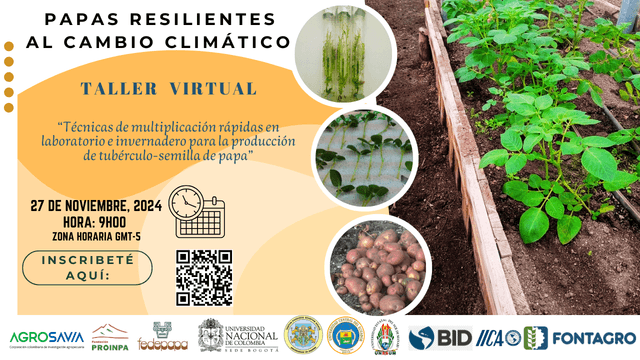
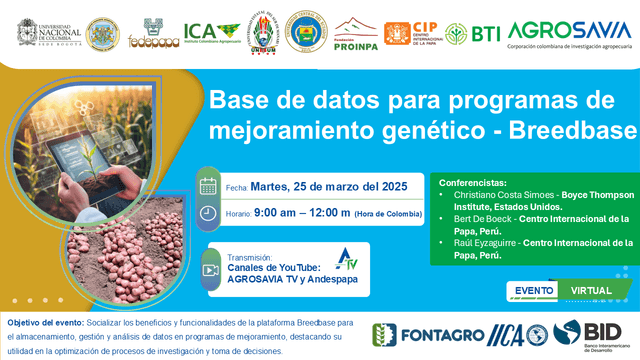
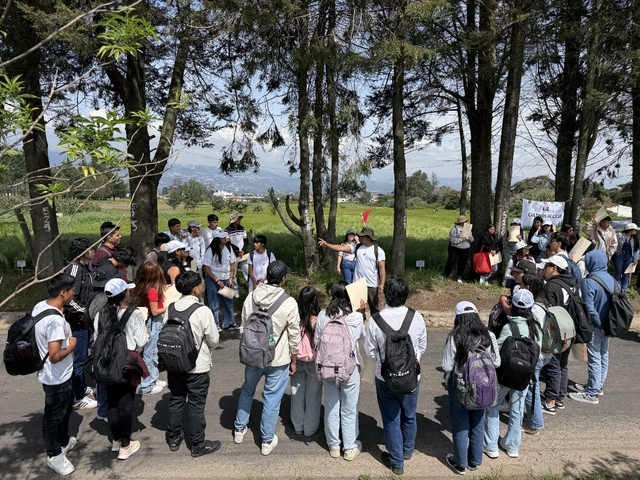
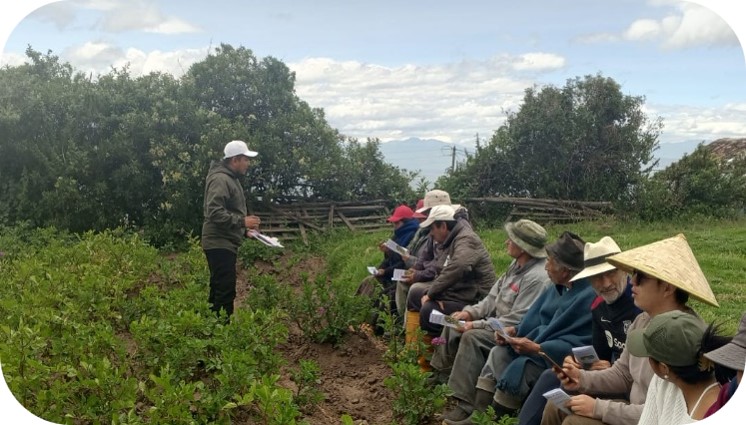
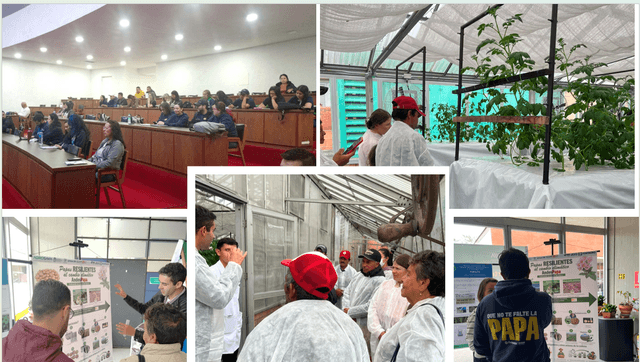
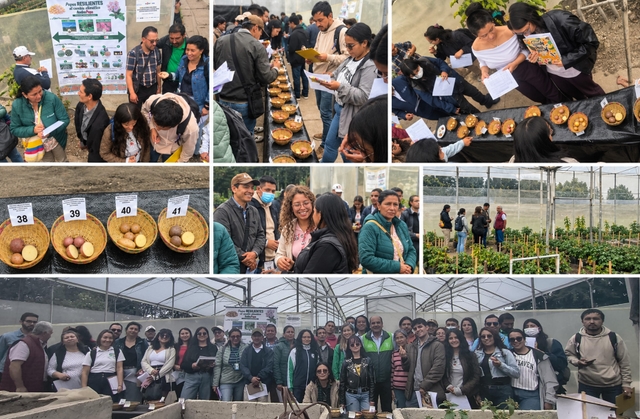
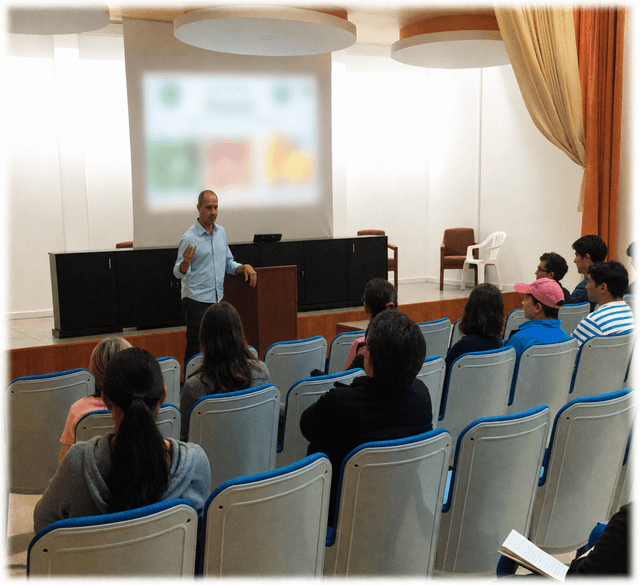
Under the title “Plant Breeding: A Pillar of Agriculture,” this free 40-hour training course ran from April 17 to August 14, 2026. The program followed a strategic sequence focused on the agricultural value chain: it began with the fundamentals of plant breeding and plant genetic resources, progressed to experimental design, biometrics, intellectual property, and physiological responses to climate change, and concluded with the release and dissemination of potato varieties across the territory.
International Scientific Cooperation
The high technical quality of the event was made possible through a select network of speakers from leading international and national institutions. Participating experts included researchers from the National University of Colombia (UNAL), University of Nariño (UDENAR), University of Florida, International Center for Tropical Agriculture (CIAT), International Potato Center (CIP), National Institute of Agricultural Research (INIAP) – Ecuador, Proinpa Foundation (Bolivia), and AGROSAVIA.
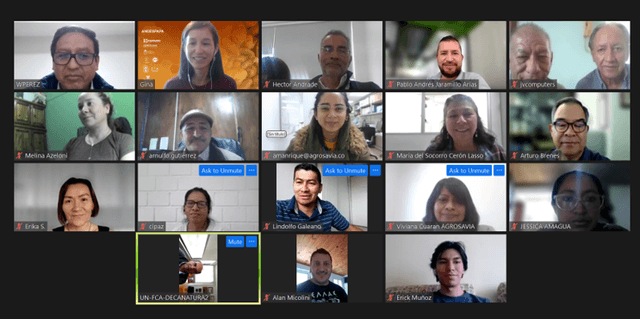
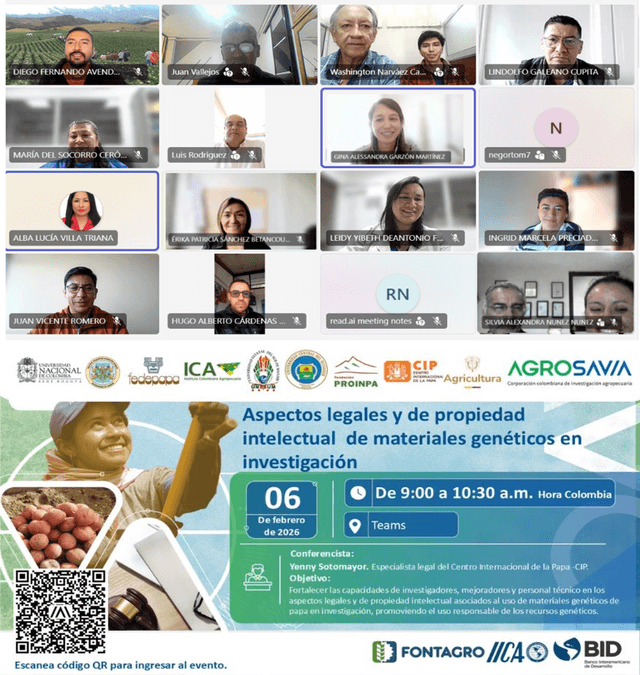
This strong network of researchers attracted an exceptional number of participants, reaching 1,483 cumulative live attendees throughout the course and 82 students who successfully completed the full curriculum.
Outstanding Satisfaction and Commitment
At the conclusion of the synchronous and asynchronous sessions delivered through the Moodle platform, a sample of 84 students completed the satisfaction survey, yielding highly positive results:
Geographic and gender diversity: The virtual classroom brought together 52.4% men and 47.6% women. Students came primarily from Colombia (48) and Ecuador (21), with additional participation from Venezuela, Peru, Guatemala, Bolivia, Mexico, Honduras, and the United States.
High-quality content: 100% of respondents stated that the course met its proposed objectives, strengthened practical knowledge applicable to their day-to-day professional activities, and provided a sound theoretical and technical foundation supported by multiple international and local sources.
Institutional endorsement: 100% of respondents stated that they would recommend events organized by AGROSAVIA, confirming the effective uptake and appreciation of the technological and scientific knowledge shared through the initiative.
With these results, the AndesPapa project reaffirms that participatory plant breeding and human-capacity development are key pathways toward strengthening food sovereignty and building climate resilience among future generations of agricultural professionals and producers in the Andean region.
To learn more about the project's progress and achievements, visit:
FONTAGRO – AndesPapa Impact Stories
By: Erika Sánchez Betancourt

.jpg&w=640&q=100)