 Impact
 Initiatives
 Dashboard
 Alliances

 Impact
 Initiatives
 Dashboard
 Alliances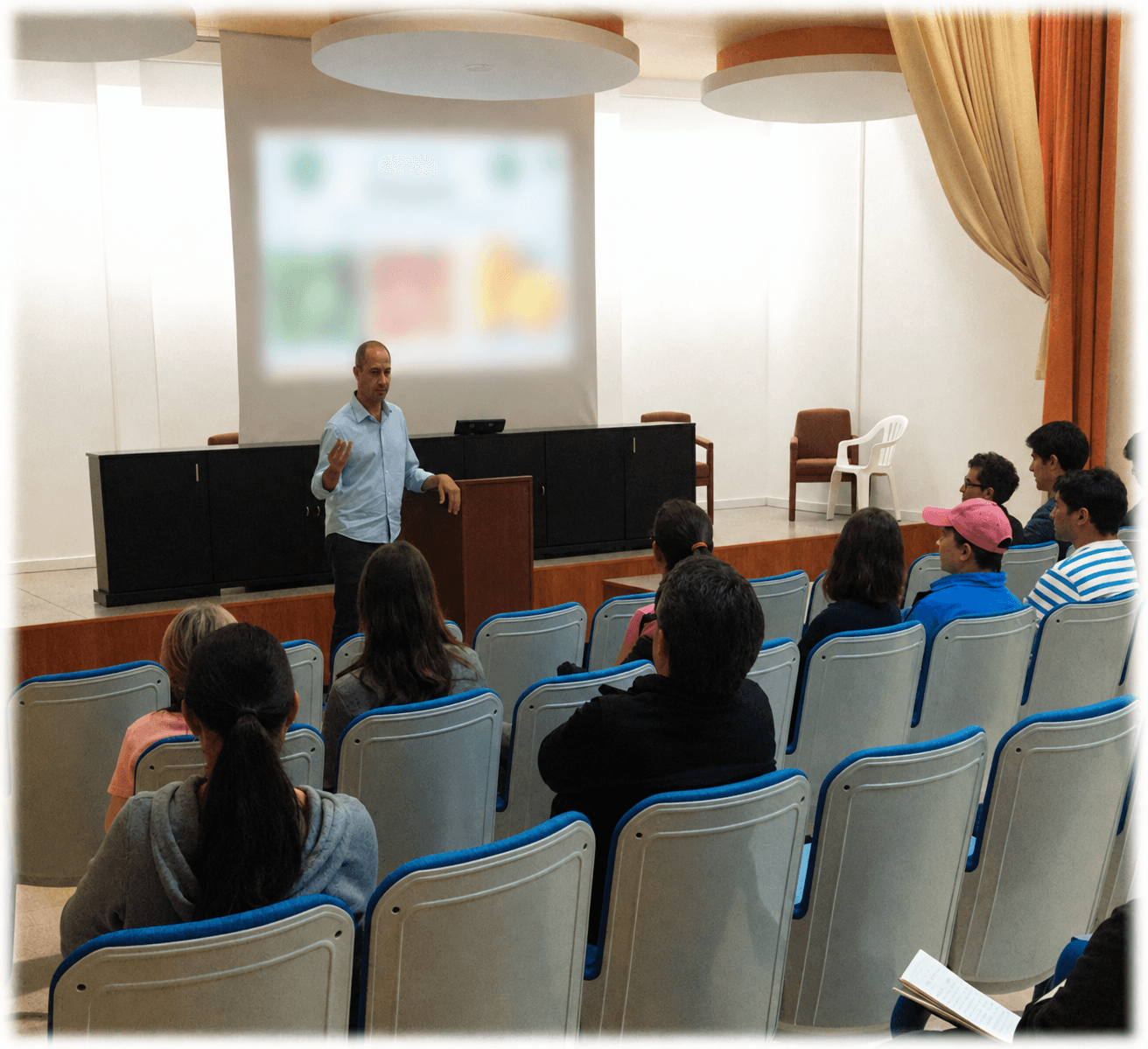

 Technological-Organizational-Institutional
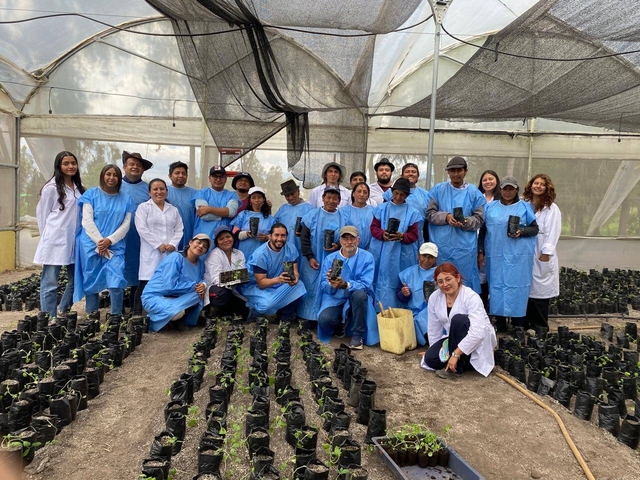
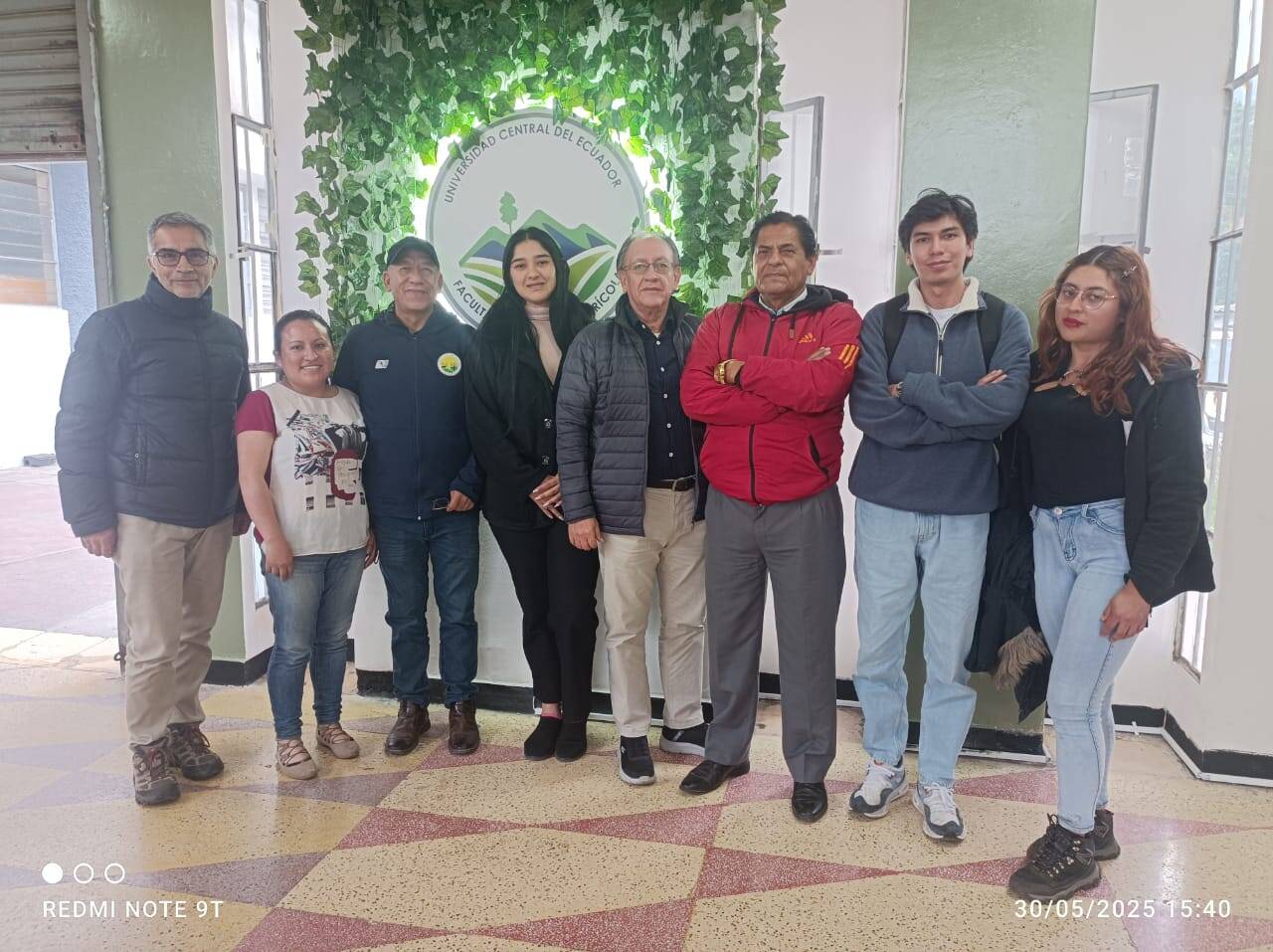
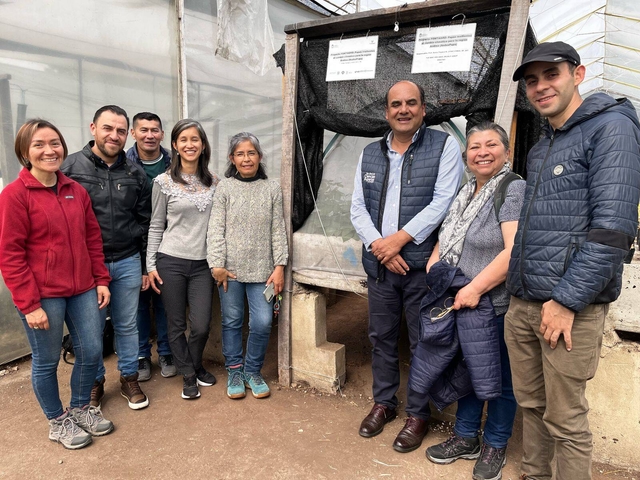
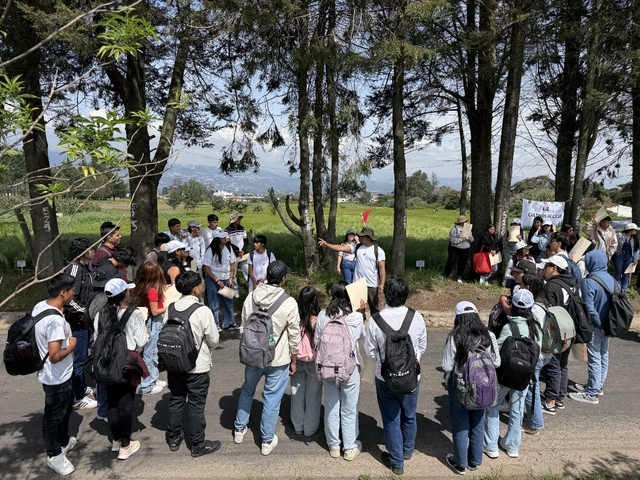
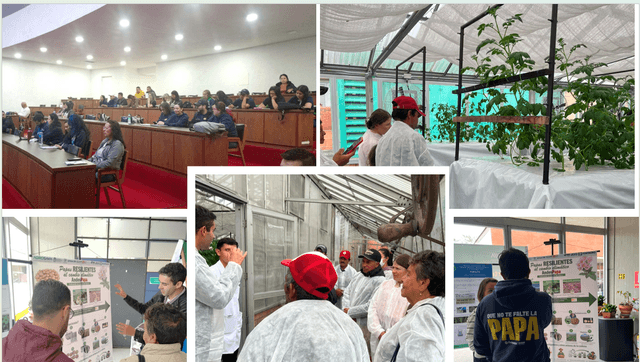
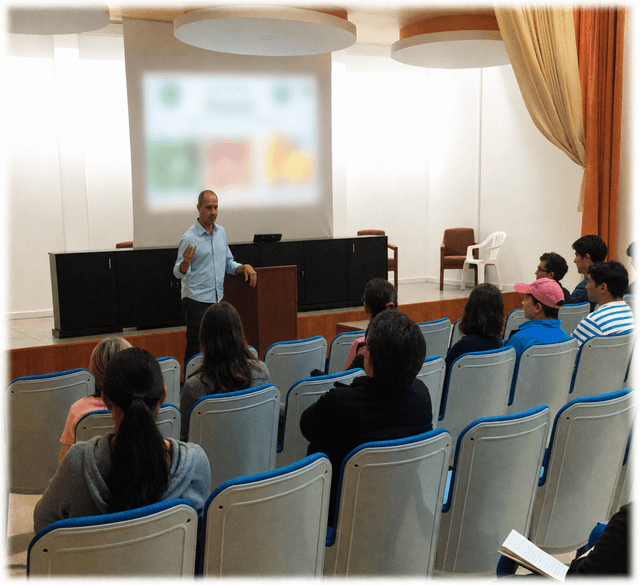
The meeting aimed to strengthen farmers’ participation in research and potato variety selection processes, promoting knowledge exchange among farmers, researchers, students, and local stakeholders. The activity took place on August 5, 2026, at the auditorium of the Pedro Moncayo Municipal Government (GAD), located next to Tabacundo Park. The workshop brought together farmers and members of the Local Agricultural Research Committee (CIAL) from Tocachi, Agronomy students from the Central University of Ecuador (UCE), technical staff from UCE and FONTAGRO, as well as representatives of the GADs of Tocachi, Malchinguí, and Pedro Moncayo.
Farmers as Key Actors in Variety Selection
During the workshop, Participatory Variety Selection (PVS) was introduced as a methodology that promotes collaboration between farmers and researchers to evaluate and select potato materials according to local conditions and needs.
The methodology was highlighted as a way to bring research processes closer to the reality of farming systems by incorporating criteria defined by farmers themselves. These criteria include aspects related to crop performance, tuber characteristics, culinary qualities, and marketing potential.
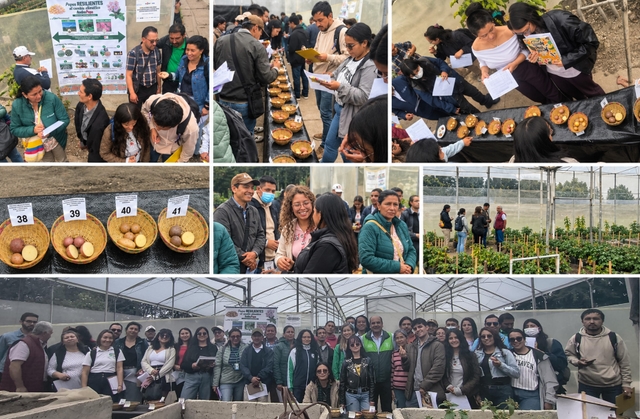
As part of the participatory activity, farmers identified the main characteristics they look for in a potato variety and developed an “ideotype,” understood as the set of desirable attributes that a variety should have from their perspective.
The criteria identified included tuber skin color, tuber shape, eye shape, flesh color, and tuber weight in grams. This exercise showed that variety selection depends not only on agronomic characteristics, but also on the needs, preferences, and uses that farmers associate with the crop.
The Role of Local Agricultural Research Committees (CIALs)
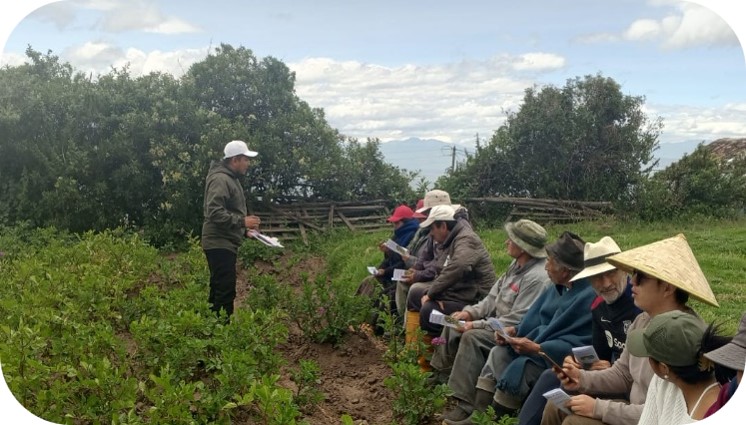
During the workshop, it was explained that these committees are made up of organized farmers who participate in research processes within their own communities, with the aim of evaluating new alternatives and contributing to the improvement of their farming systems.
Key qualities highlighted for CIAL members included a willingness to work, responsibility, active participation, openness to learning and sharing knowledge, leadership, and commitment to the well-being of the community.
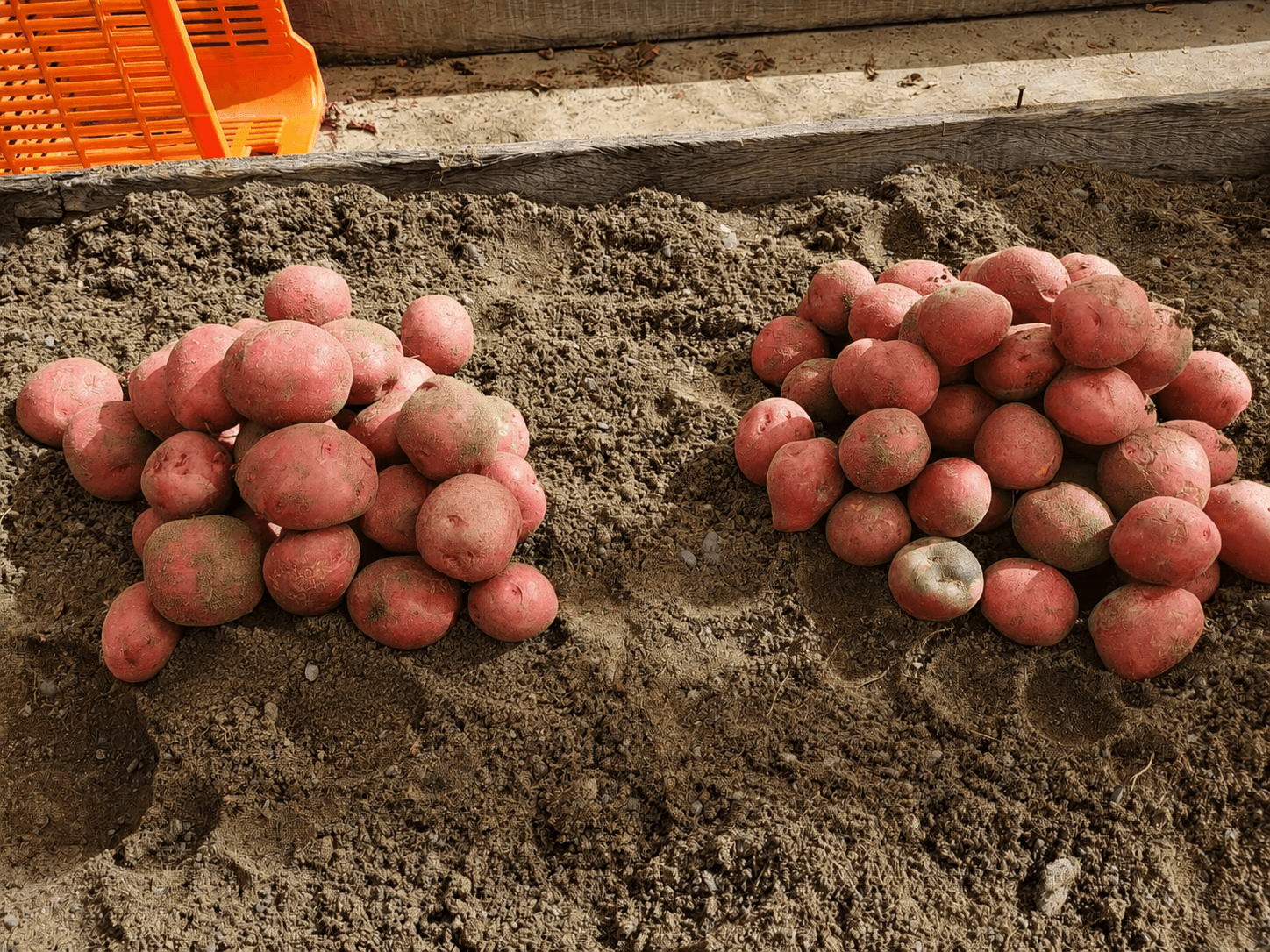
The workshop also revisited experiences carried out jointly with the Tocachi CIAL, including the harvesting of potato clone trials, the planting of segregating populations, and the harvesting of barley trials. These activities have helped strengthen farmers’ participation in local research processes.
Strengthening Collaboration and Joint Efforts
As a result of the meeting, participants agreed to strengthen collaboration with farmer organizations, continue technical assistance activities, and follow up on actions carried out as part of the project.
The workshop contributes to strengthening participatory research in Tocachi by promoting an active role for farmers in the generation, evaluation, and selection of technological alternatives for their farming systems.
Within the framework of the “ANDESPAPA” project, collaboration among farmers, academia, institutions, and local stakeholders contributes to capacity building and the development of innovation processes aimed at identifying potato varieties that respond to local production conditions and farmers’ needs.

.jpg&w=640&q=100)