 Impact
 Initiatives
 Dashboard
 Partnerships

 Impact
 Initiatives
 Dashboard
 Partnerships

 Technological-Organizational-Institutional
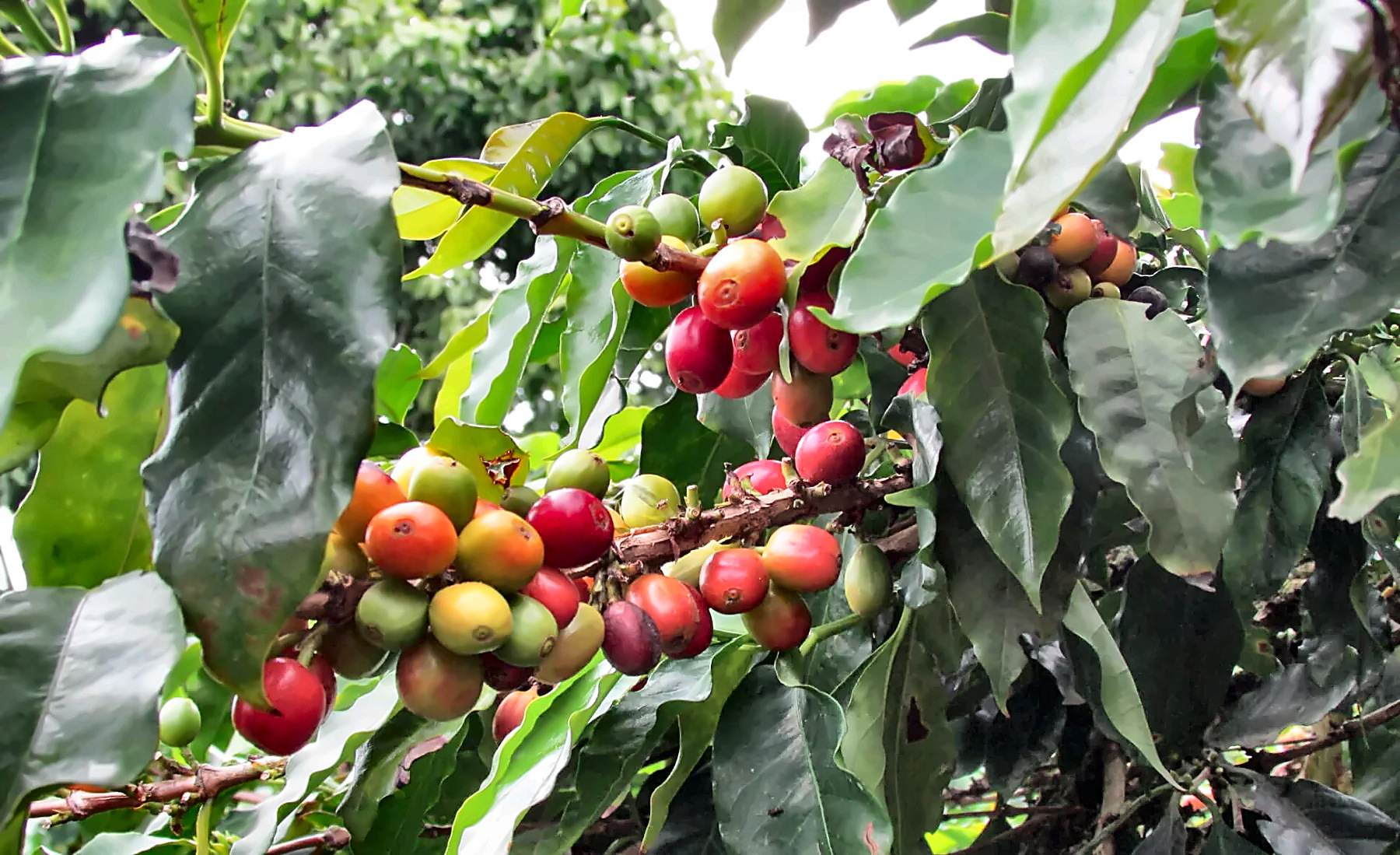
Climate change is pushing coffee growing to ever higher altitudes. In this scenario, Robusta or lowland coffee (Coffea canephora) is a great alternative for Central America’s lowlands, provided the coffee berry borer (Hypothenemus hampei) is well managed. With that purpose, the project “Review of Coffee Berry Borer Management Strategies to Address Climate Alterations in Lowland Coffee Production Systems in Panama, Honduras and Nicaragua” (FTG/RF-14894-RG) is launched. It is executed by the Agricultural Innovation Institute of Panama (IDIAP), together with Honduras’ Directorate of Agricultural Science and Technology (DICTA) and the Nicaraguan Institute of Agricultural Technology (INTA).
Coffee is an economic pillar in all three countries. It covers some 19,000 hectares in Panama, 265,000 in Honduras and 153,000 in Nicaragua, mostly in the hands of small and medium-scale producers. Over 36 months, the project will work on four fronts:
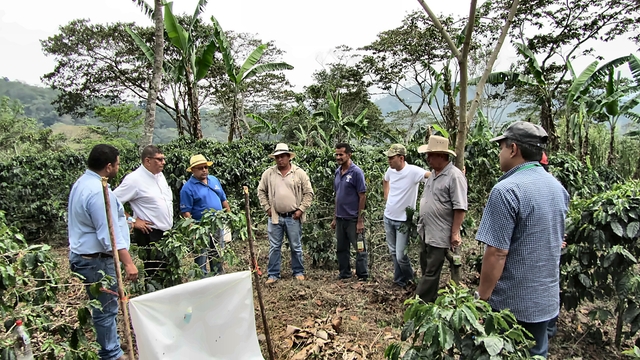
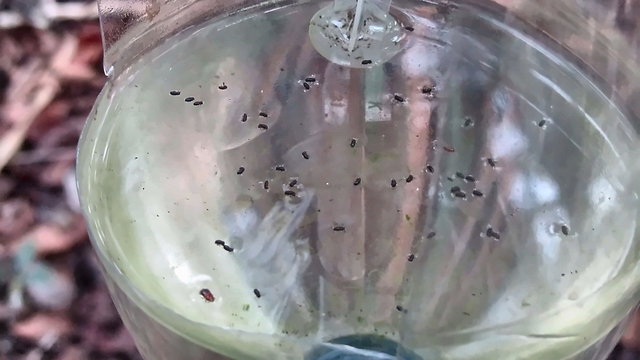
monitoring the presence and incidence of the berry borer;
characterizing climate variations and their effect on the pest;
characterizing small-scale production systems;
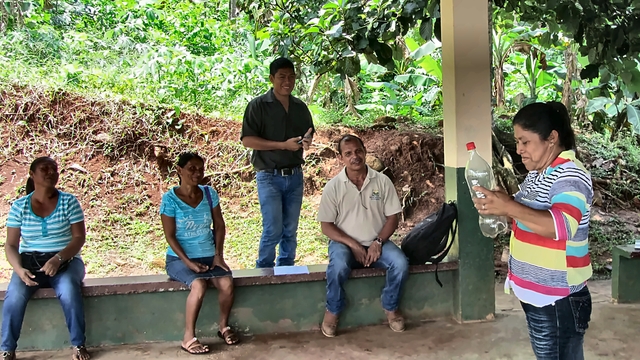
implementing Integrated Berry Borer Management (IBM) practices, with a strong training component.
🔗 Project page (in Spanish) · 🔗 Impact story (in Spanish)