Impact
 Initiatives
 Dashboard
 Alliances

 Impact
 Initiatives
 Dashboard
 Alliances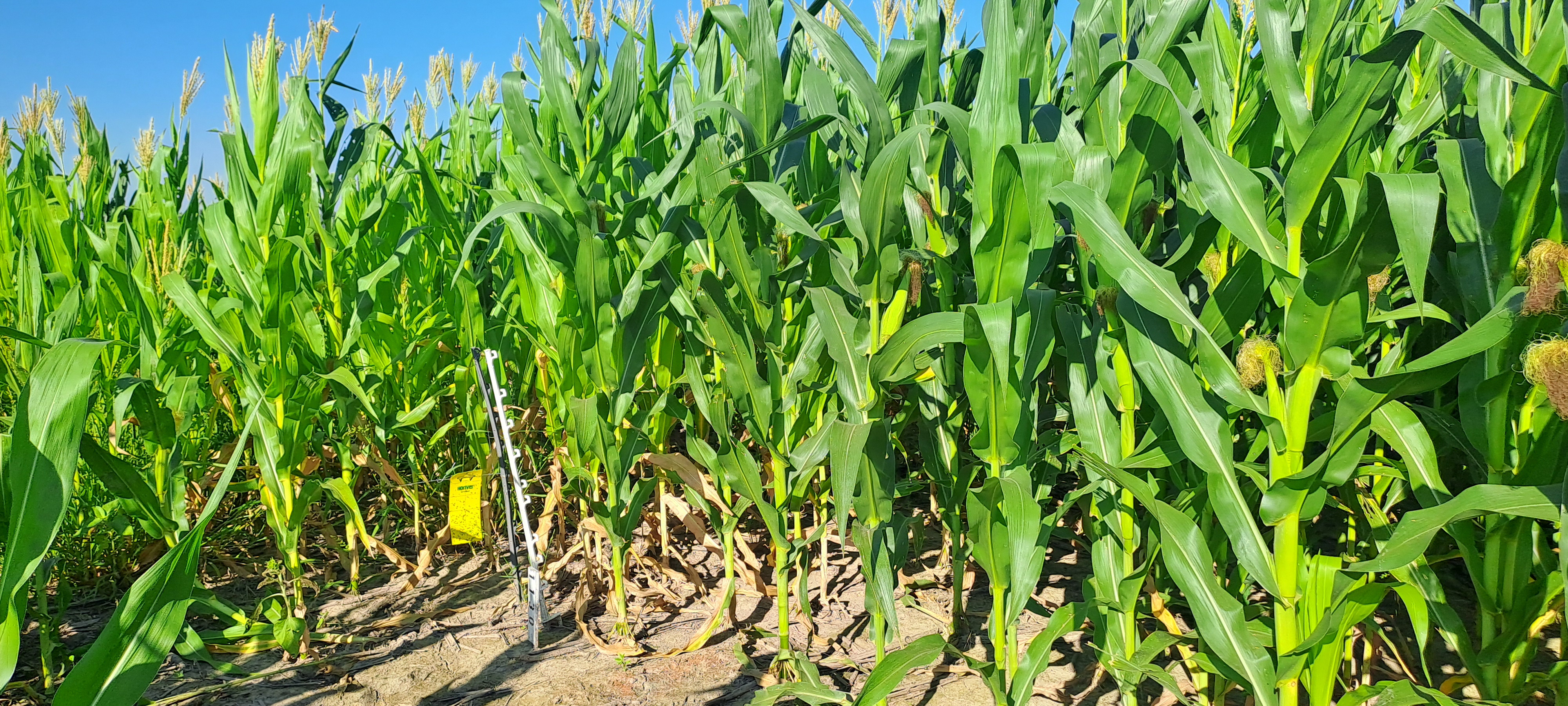

 Technological
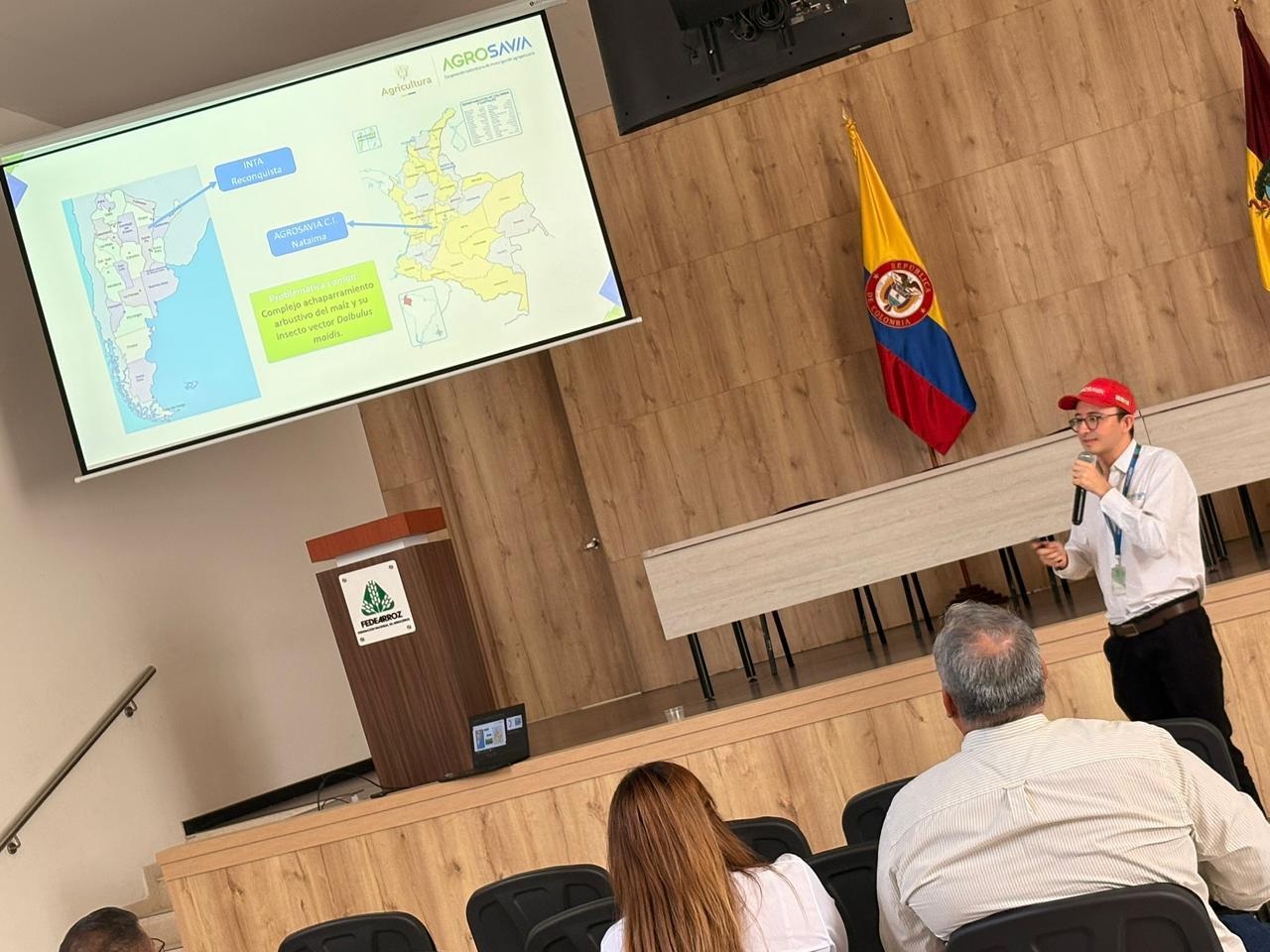
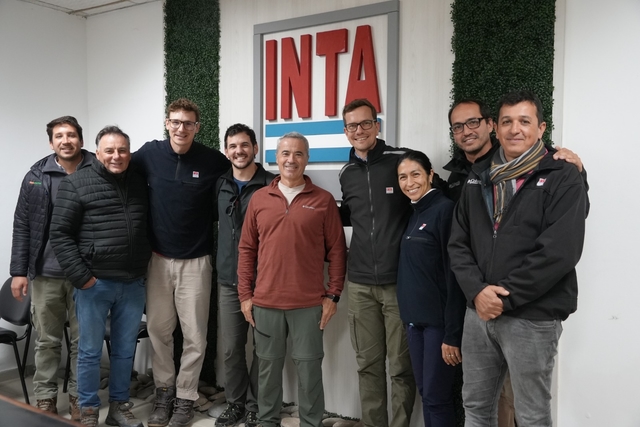
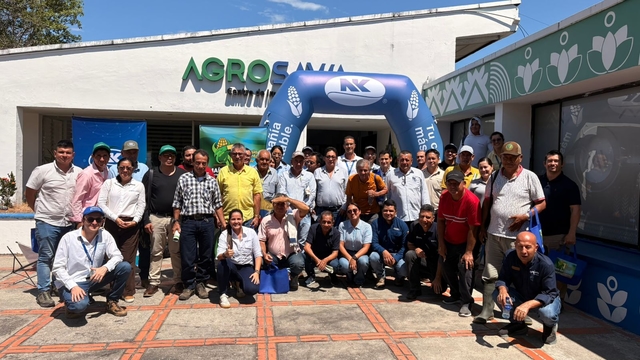
The Colombian Agricultural Research Corporation (AGROSAVIA), the National Institute of Agricultural Technology (INTA) of Argentina, and the Inter-American Institute for Cooperation on Agriculture (IICA) of Costa Rica, with the support of FONTAGRO and partner organizations from Paraguay, Brazil, Mexico, and the United States, are leading the project “Resilient Maize: Innovation and Sustainable Management of Maize Stunt Disease”, aimed at addressing one of the major phytosanitary challenges affecting maize production in Latin America.
The initiative seeks to validate and promote sustainable technologies for the integrated management of the maize stunt disease complex and its vector, Dalbulus maidis, which is responsible for significant yield losses in maize production systems across the region. Planned activities include participatory monitoring, biological control, and the efficient use of inputs through site-specific fertilization and irrigation practices.
In addition, the project incorporates modeling tools to predict the potential distribution of the insect under different climate change scenarios, thereby strengthening decision-making processes in target territories. The initiative will also promote the adoption of innovations by strengthening farmer networks, enhancing knowledge management, and implementing technology transfer strategies targeted at small- and medium-scale maize producers.
The project is expected to help reduce the incidence of maize stunt disease, lower the water footprint of production systems, promote the use of biofertilizers, improve production efficiency, and reduce dependence on chemical inputs. In doing so, it will support the development of more sustainable and resilient agricultural systems. The initiative will directly benefit more than 2,500 farmers, technicians, and other stakeholders in Colombia and Argentina, while generating regional public knowledge goods that will strengthen innovation and cooperation around maize production in Latin America.
.jpg&w=3840&q=100)