 Impact
 Initiatives
 Dashboard
 Alliances


 Impact
 Initiatives
 Dashboard
 Alliances

 Technological-Organizational-Institutional
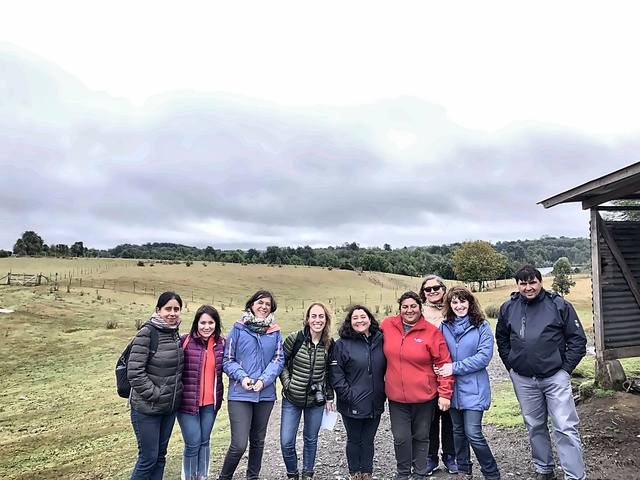
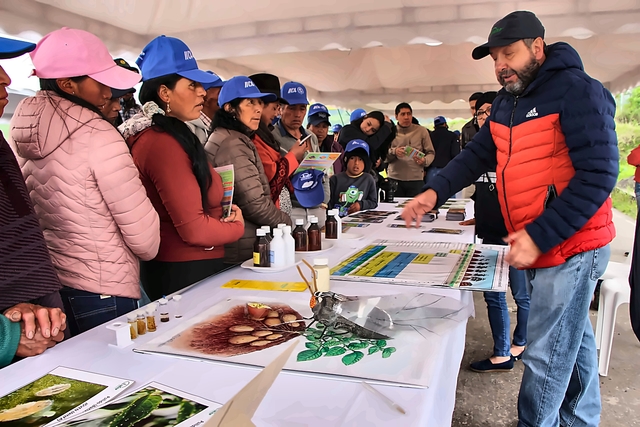
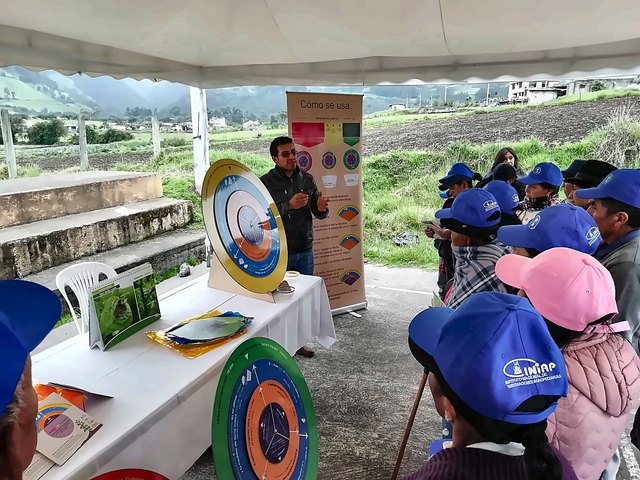
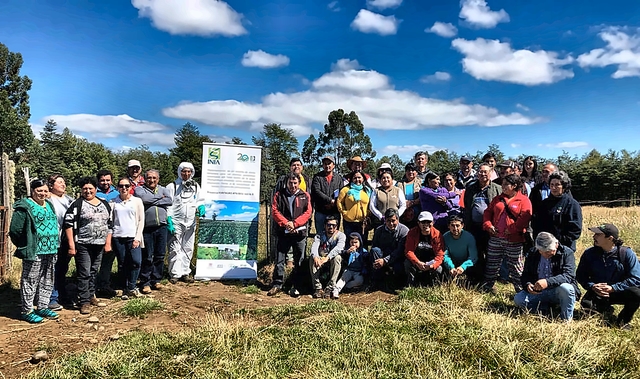
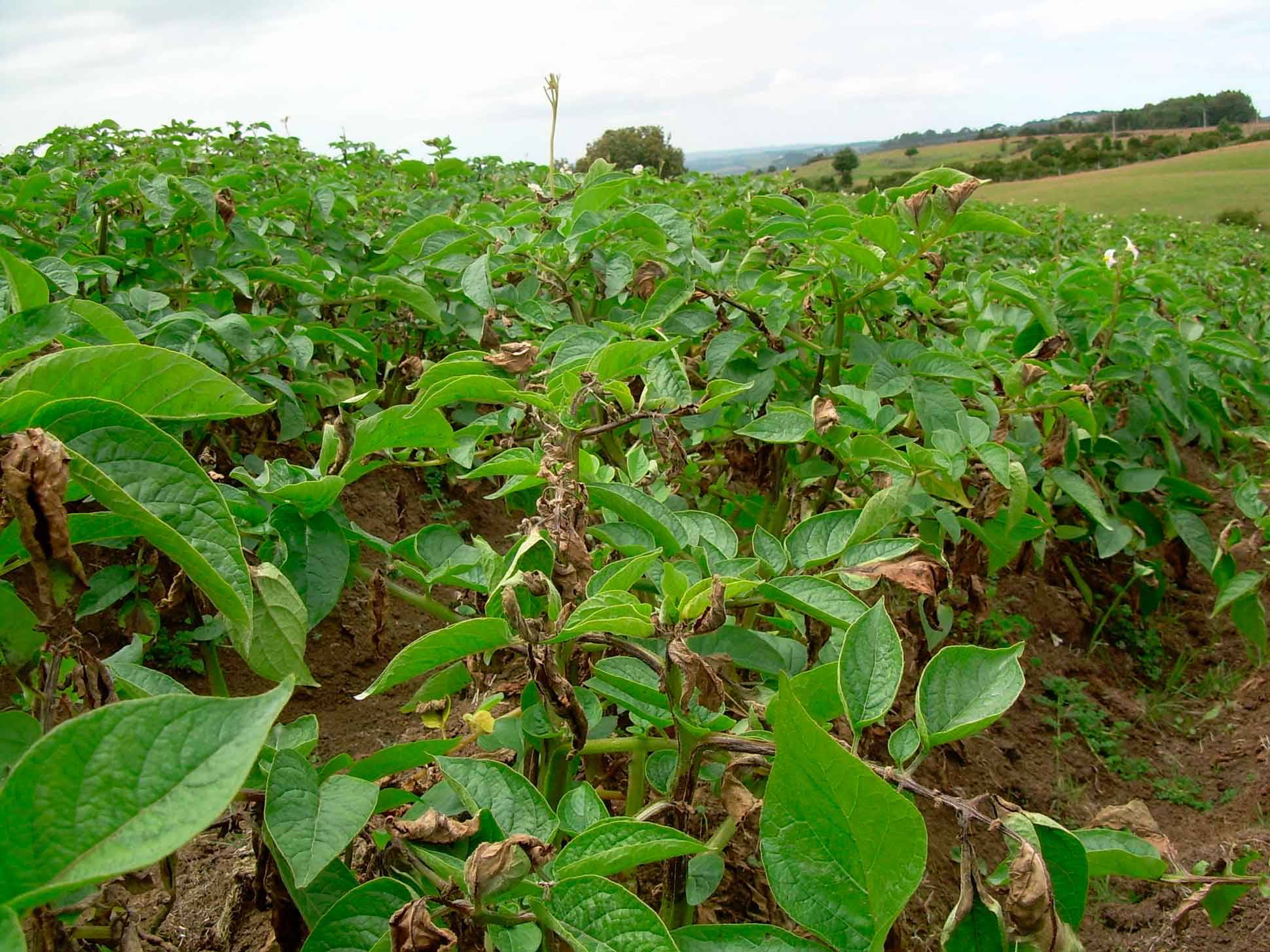
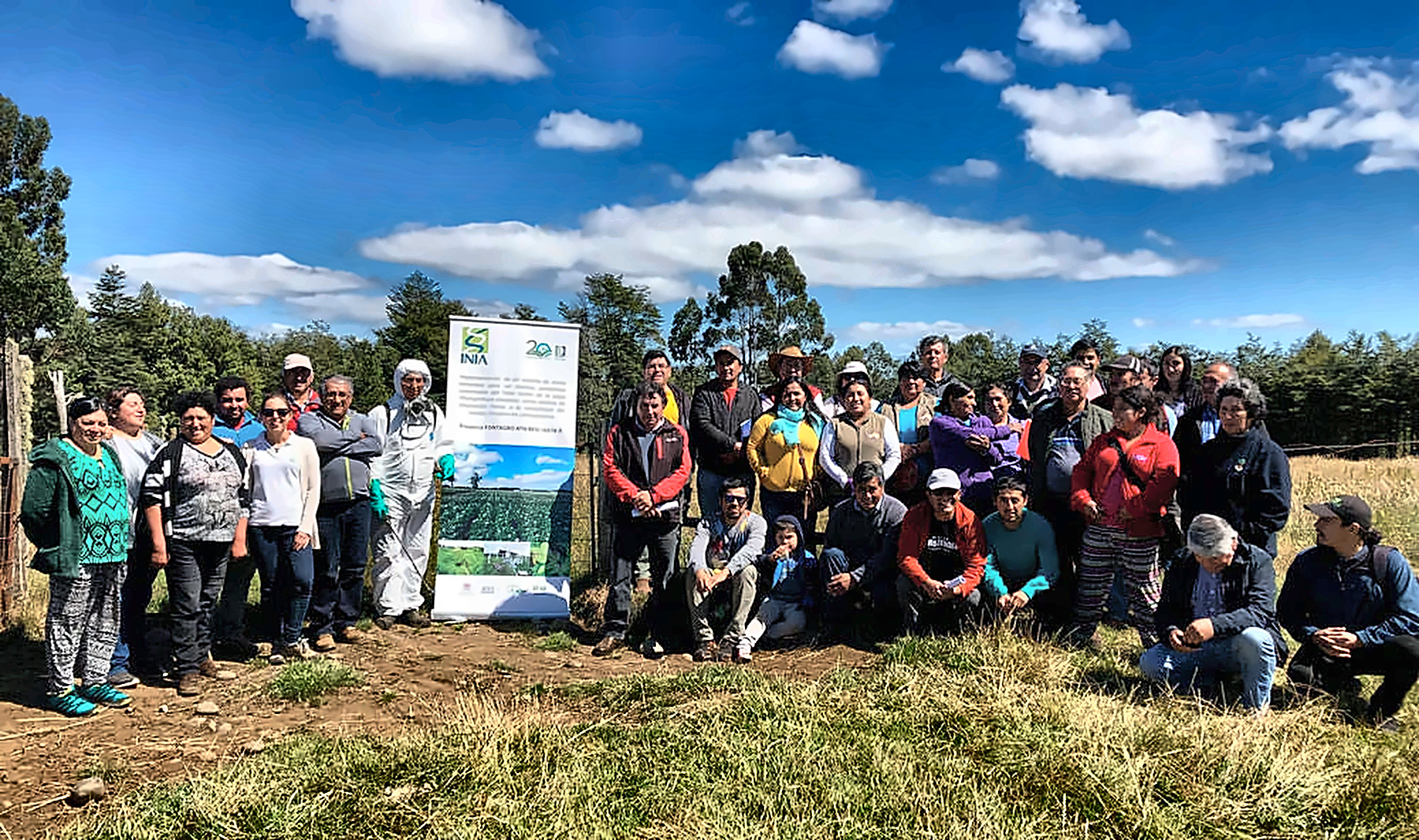
The project validated the early warning systems in more than 29 demonstration units and cut the number of sprays needed by over 50%, with environmental and economic benefits compared with a fixed calendar. In Chile, sprays fell by 65.6% and costs by 67.7%, with similar yields. A total of 528 pathogen samples were collected in eight countries to build a Latin American genetic map. The project also held 63 workshops, seminars and field days and two international symposia, training 2,761 people, 42% of them women. In Ecuador, the share of farmers who recognize conditions favorable to the disease rose from 53% to 93%. Today, the tizon.inia.cl tool remains available to farmers.
📄 Publication (in Spanish): Final report (PDF)
🔗 More information (in Spanish): Impact story · Project page