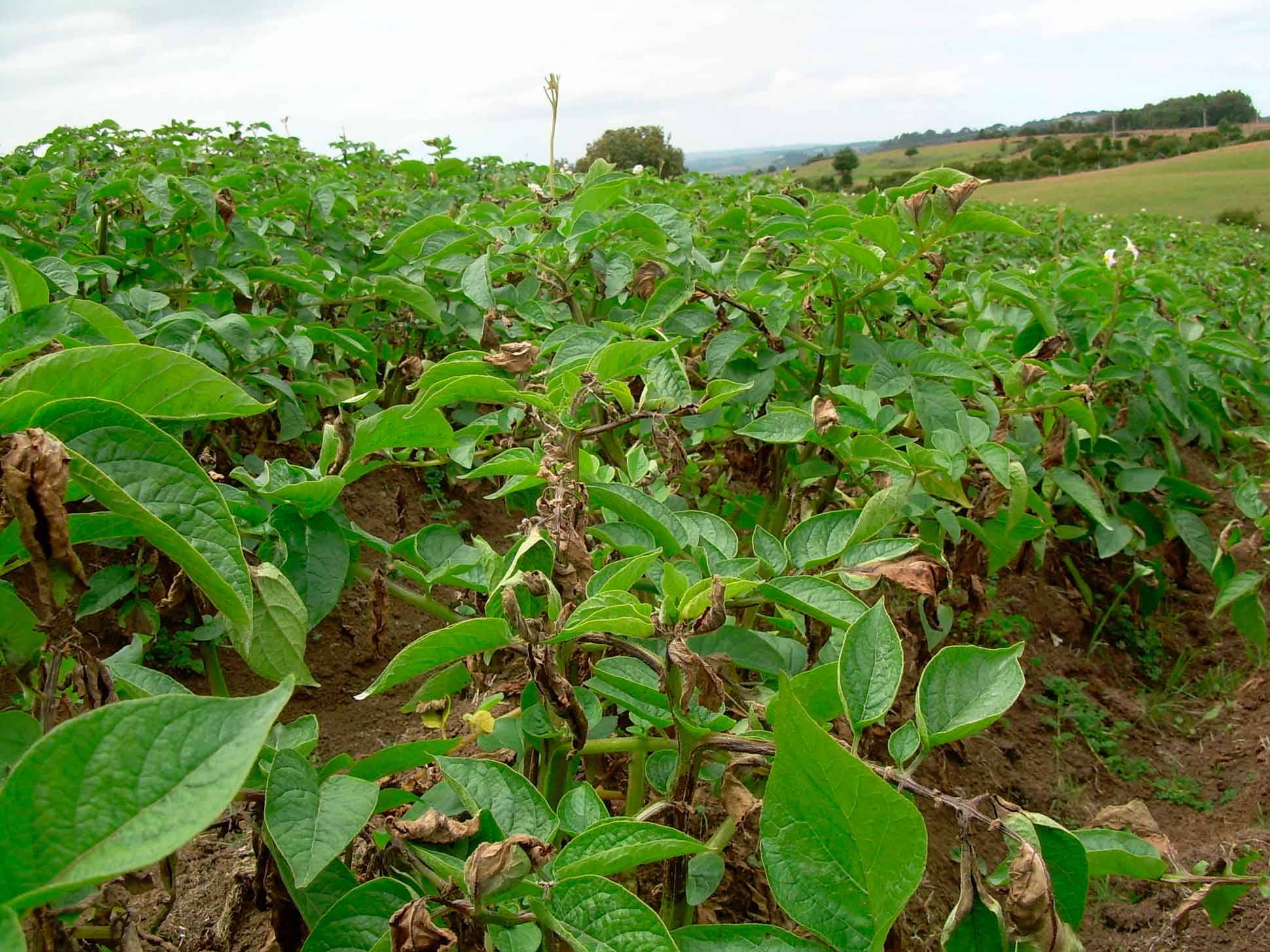
Potato, native to the Americas, is a major crop in Latin America, being the main food in family farming. Late blight, caused by Phytophthora infestans, is considered a re-emerging disease in this crop, due to pathogen variability and climate instability that favors its presence and dispersion, with a high incidence and severity. Farmers, therefore, use pesticides excessively and inappropriately, increasing the environmental impact and health risks to users.Implementing an early warning system as a decision-support tool in family farming reduces the losses caused by this disease in a sustainable and safe way for the user.
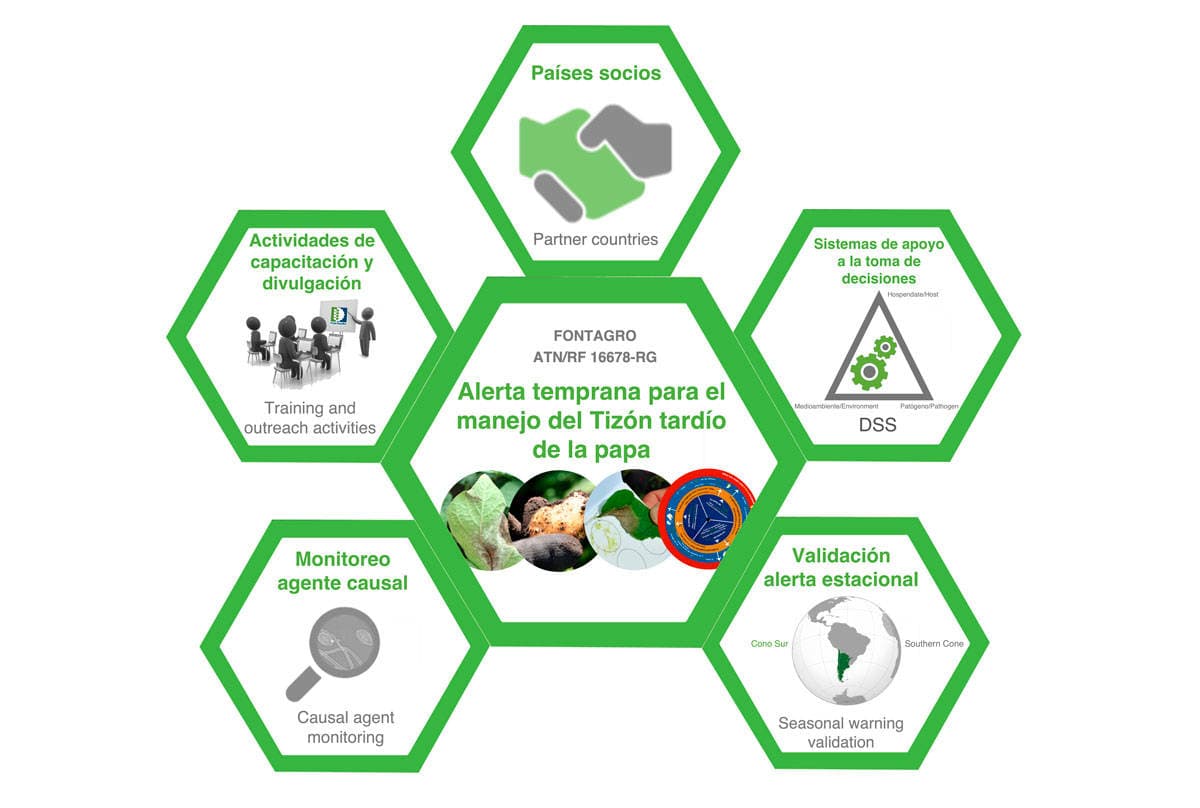
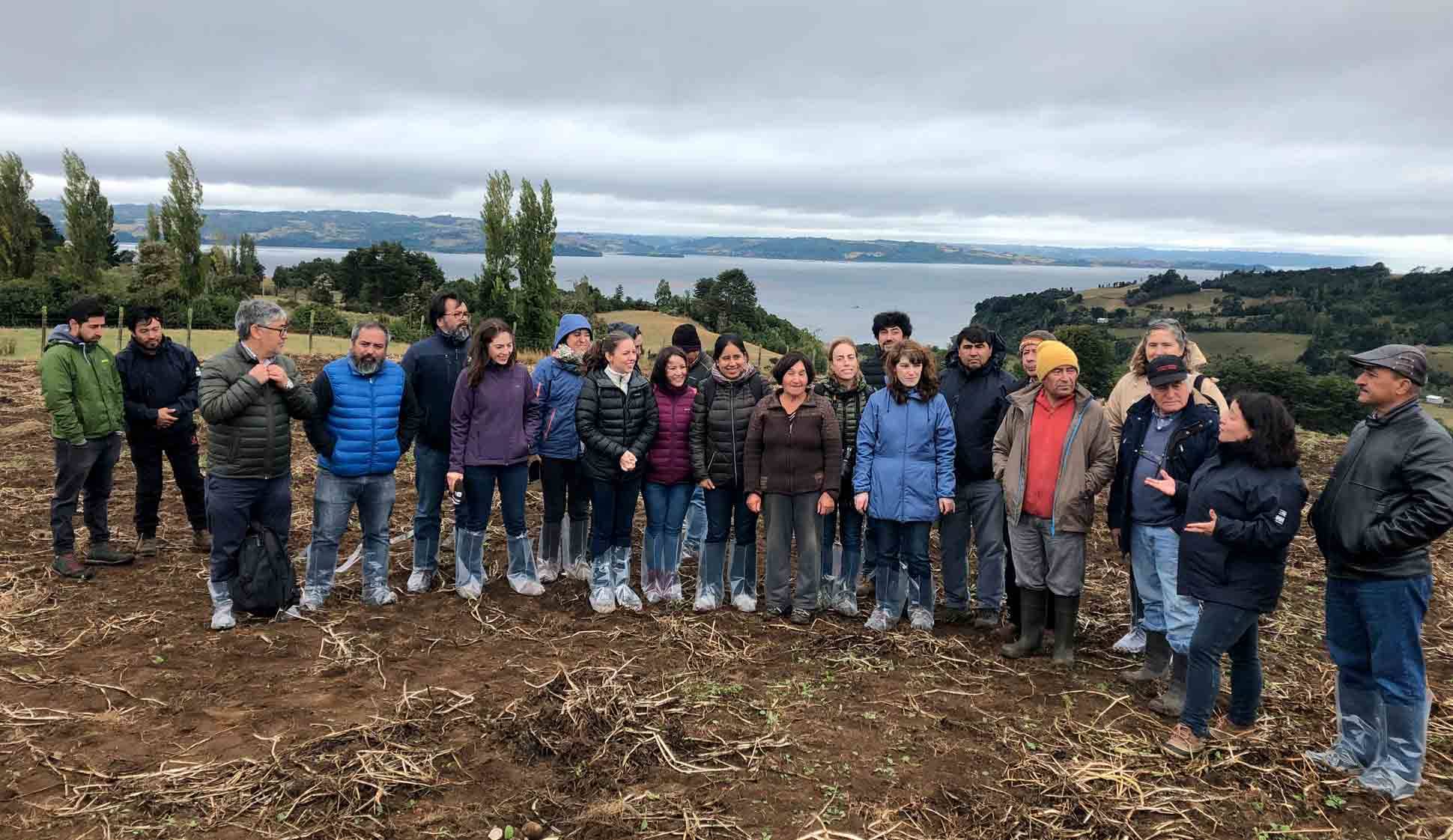
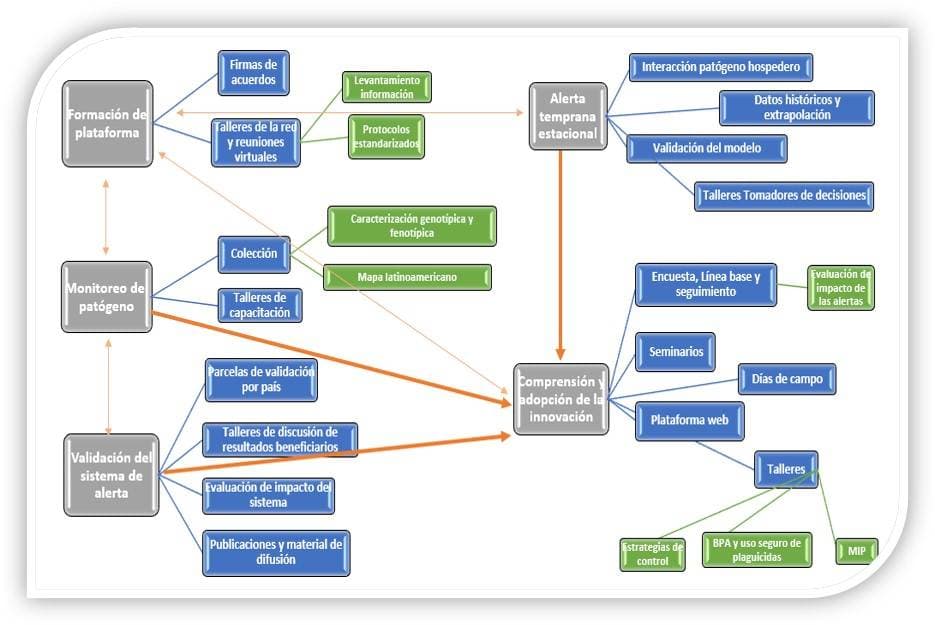
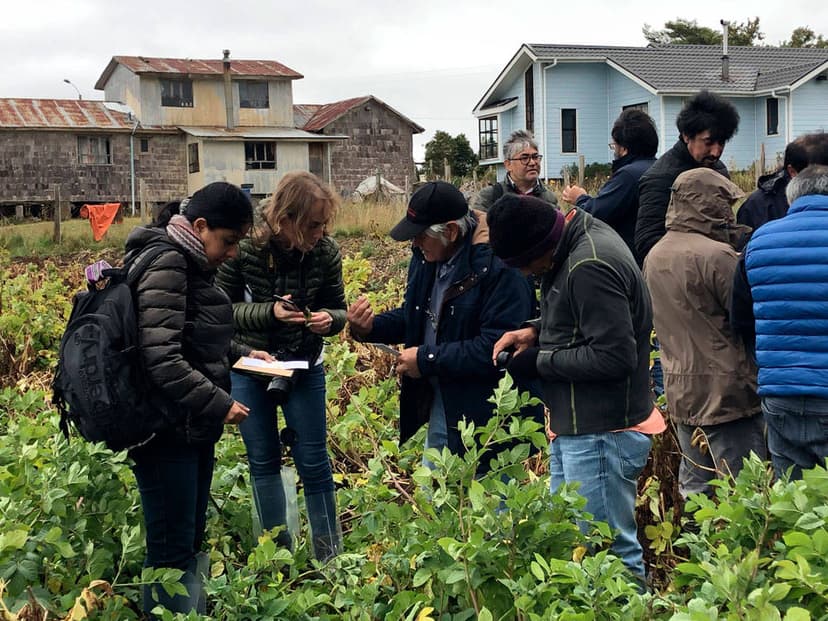
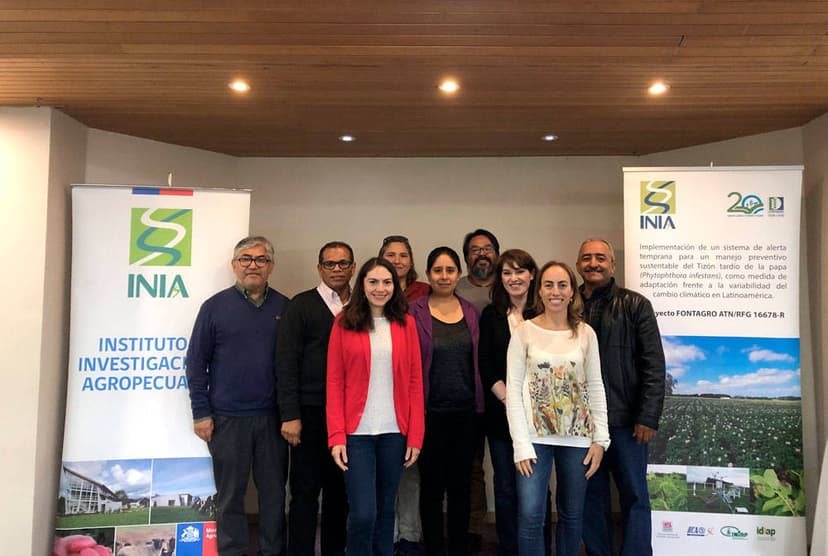
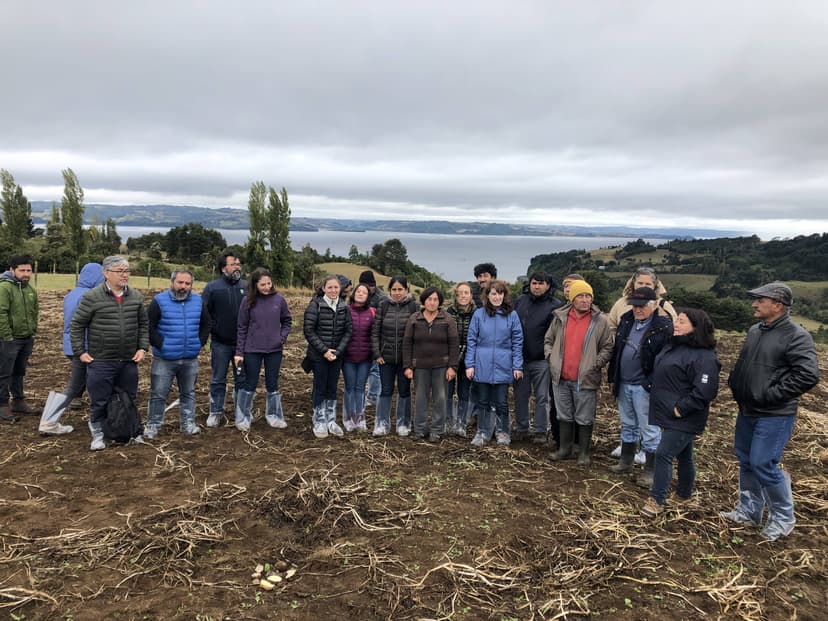
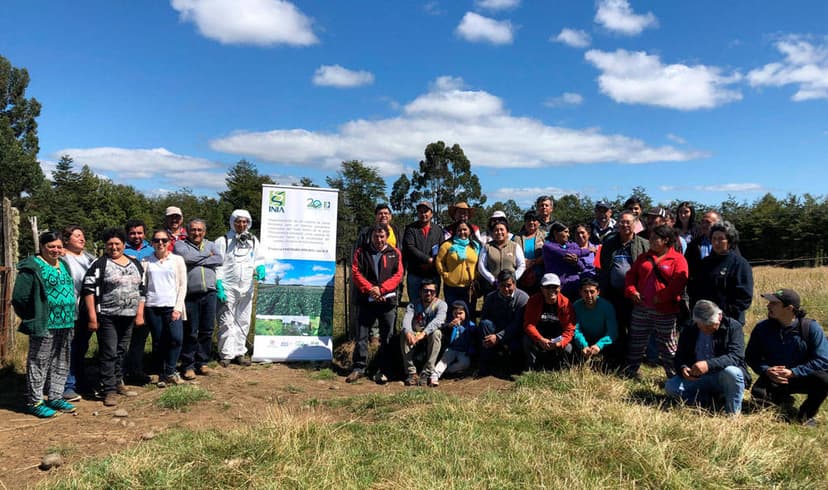
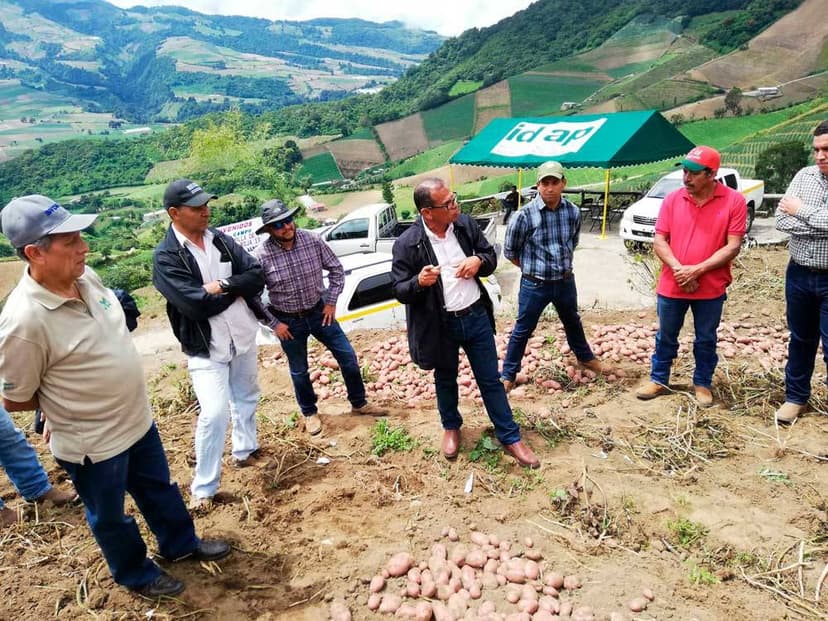
The Early Warning System uses weather data alongside epidemiological information of the disease to estimate optimal control times. Two systems were implemented, one based on real-time connected weather station network information (tizon.inia.cl, Phytoalert) and a manual system that uses local environmental condition observation (DSS-HH). Both systems enable farmers to make management decisions based on the information delivered, improving the efficiency of agrochemical use, increasing crop productivity and profitability. The beneficiaries were small farmers in the platform member countries. In Chile, work was carried out with 35 women farmers producing native potatoes on Chiloé Island; in Argentina, work was carried out with 6 farming families in Belgrano, Northern Argentina; in Ecuador, the direct beneficiaries were 120 farmers in the provinces of Cotopaxi, Pichincha and Chimborazo; while in Panama, work was carried out with 20 producers in the Cerro Punta sector, Chiriquí.
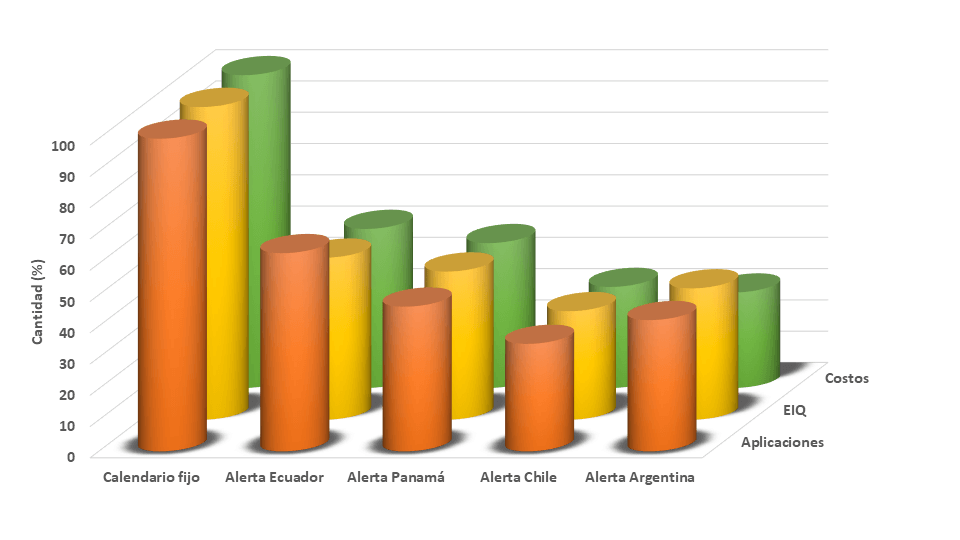
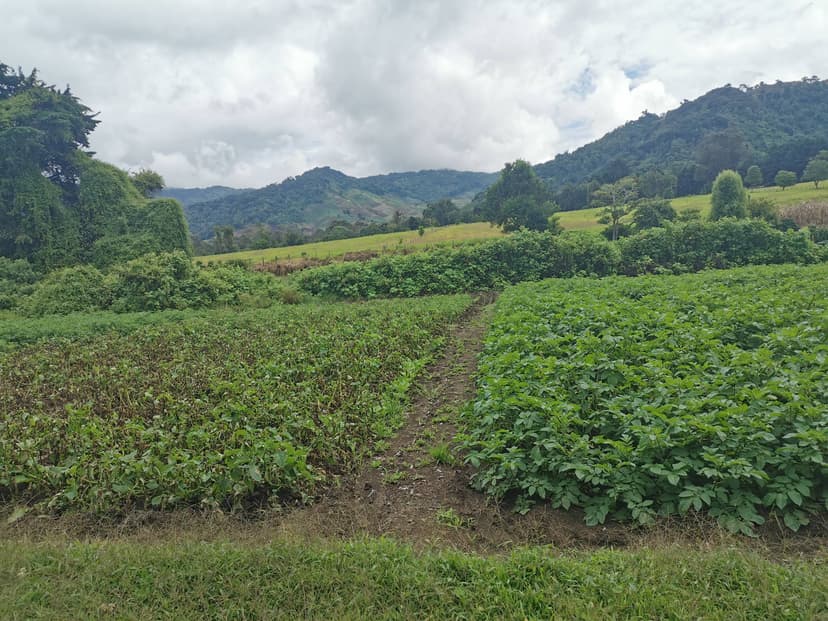
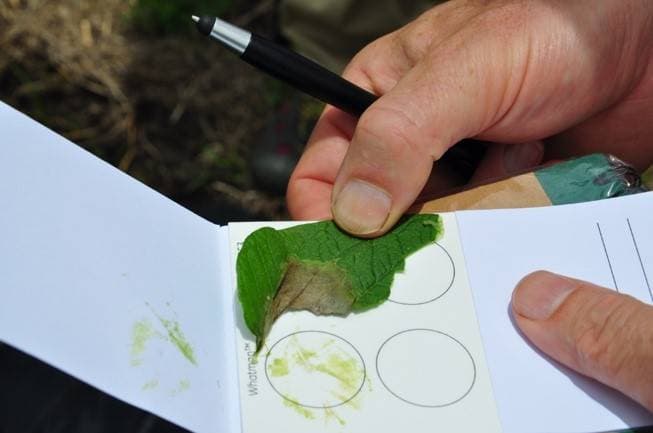
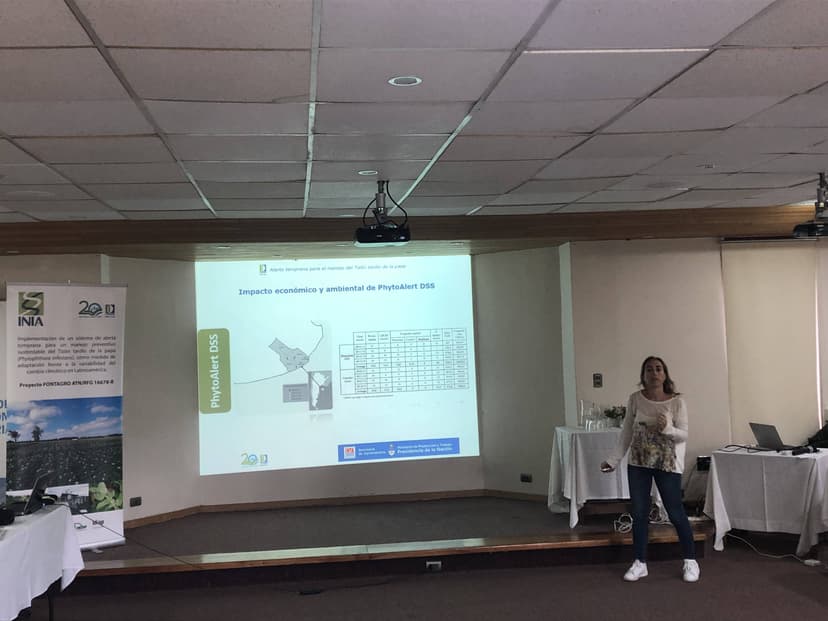
It was possible to validate the early warning systems for late blight in 4 countries: Chile, Argentina, Ecuador and Panama, where more than 29 demonstration units were established, obtaining an efficiency of more than 50% in the reduction of agrochemical applications, environmental and economic impact, relative to a schedule calendar of applications. 528 isolates of P. infestans were collected using FTA cards from Chile, Argentina, Panama, Ecuador, Brasil, Uruguay, Peru and Costa Rica, with a wide range of monitoring for a Latin American genotypic map. Potato chain actors were trained in 55 workshops on best agricultural practices, integrated management and use of early warnings, emphasizing the correct use of agrochemicals and timely applications. In addition, 8 field days and seminars, two international symposia and 2 workshops for co-executors and partners were carried out, with the participation of 2761 people (42% women).
Number of applications, environmental impact quotient (EIQ) and cost in productive systems managed with early warning strategies




 Information System







.jpeg&w=828&q=75)






 Impact
 Initiatives
 Dashboard
 Alliances
 Impact
 Initiatives
 Dashboard
 Alliances


.jpg&w=828&q=75)


.jpeg&w=828&q=75)

.jpeg&w=828&q=75)











_12_59_451.png&w=750&q=75)