
 Impact
 Initiatives
 Dashboard
 Alliances
 Impact
 Initiatives
 Dashboard
 Alliances


Learn more about this story
Project Webstory
Go to webstory




 Information SystemAppliedTechnological-Organizational-Institutional
 2017
2017 Closed
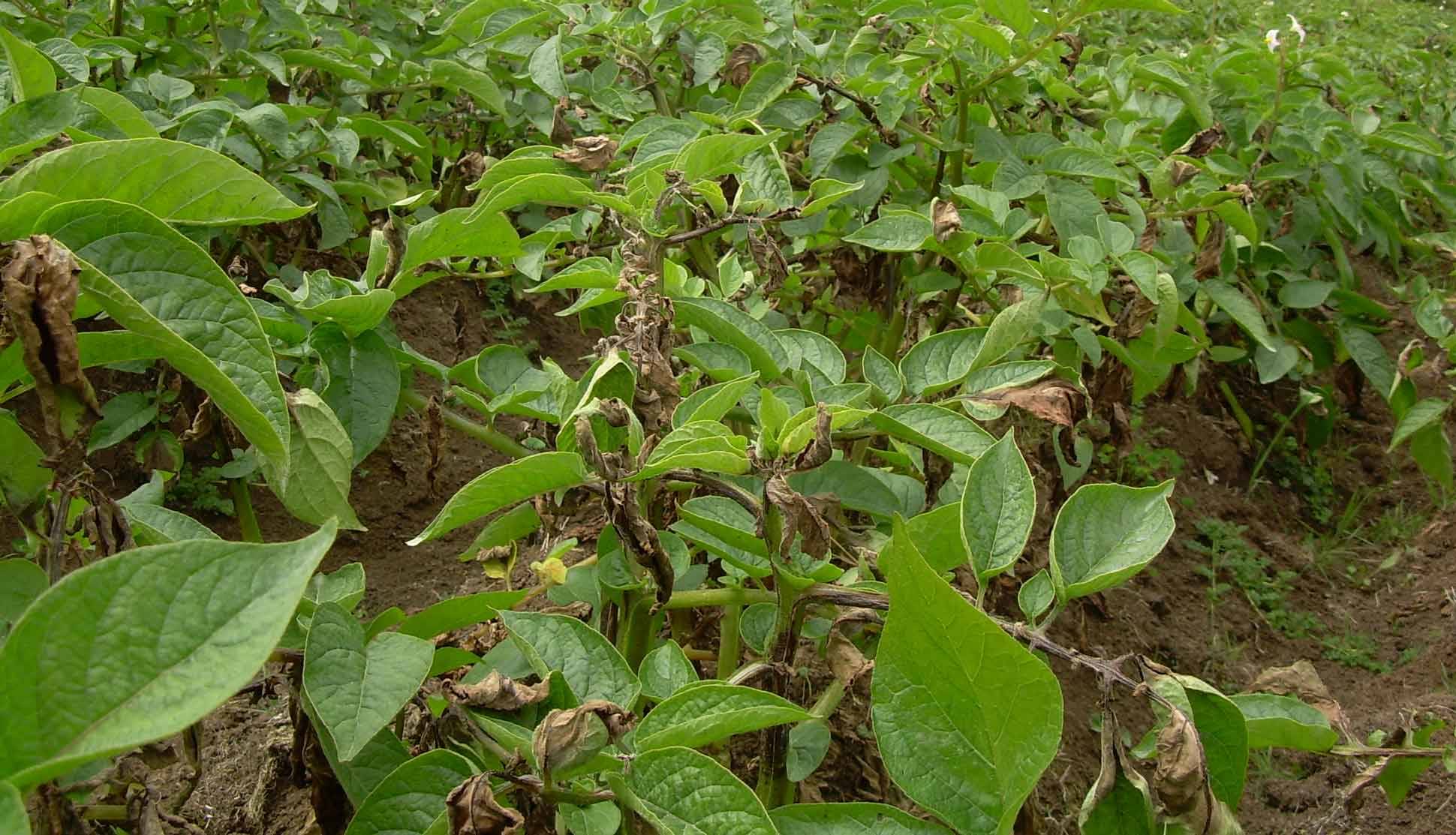
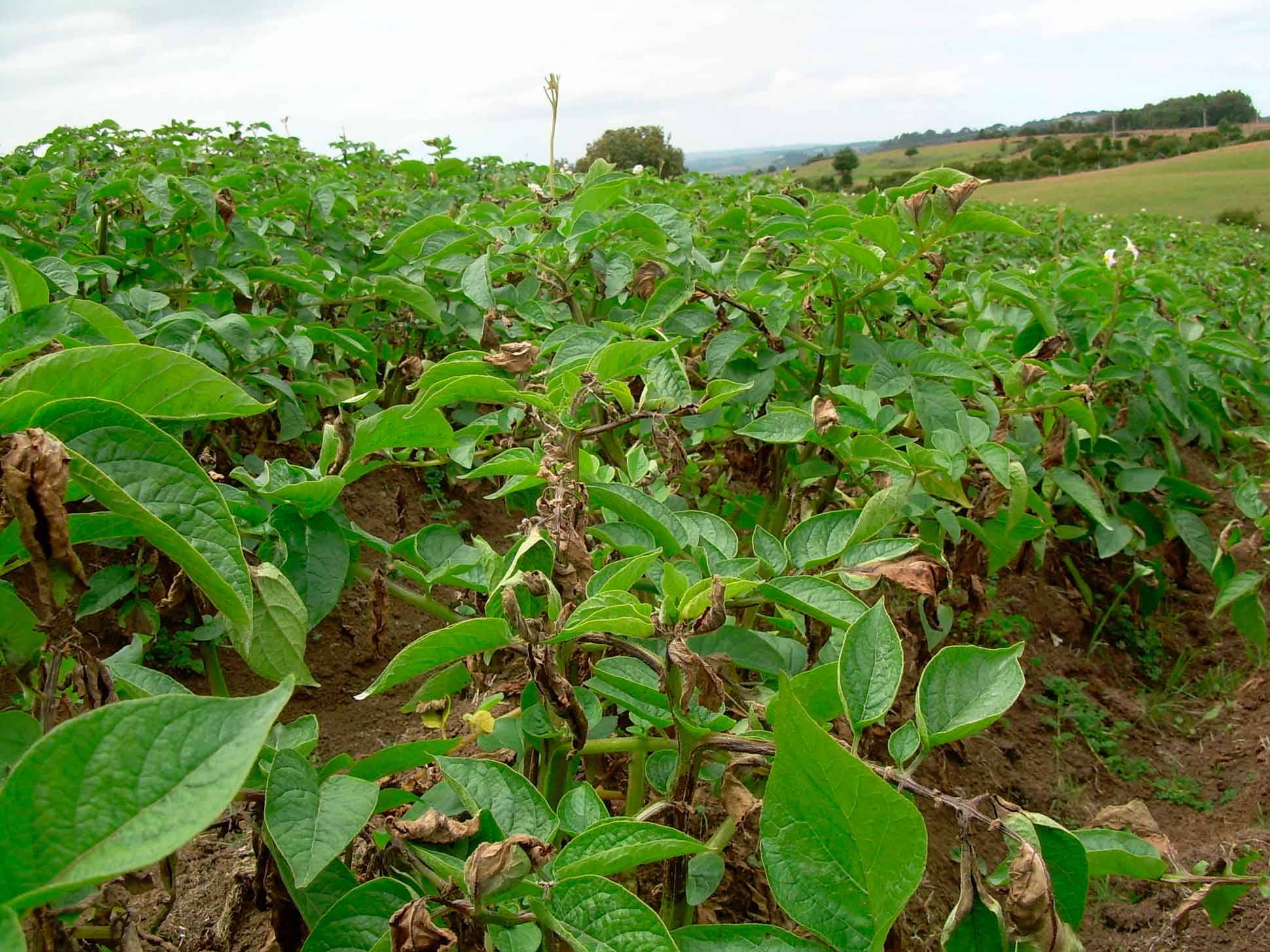
Potato is a major crop in Latin America and is the main food in family farming. It is native to America, as is the causal agent of Late Blight (LB), P. infestans. LB is considered a re-emerging disease in this crop due to pathogen variability and climate instability that favors its presence and dispersion, with a high incidence and severity. Farmers, therefore, use pesticides excessively and inappropriately, increasing the environmental impact and health risks to users.
This project proposed the formation of a platform of specialists in potato LB, with the aim of developing and implementing an early warning system as a tool to support decision-making in family farming production systems, according to technology available in each country, enabling reductions in losses caused by this disease. Early warning-based information helps farmers perform chemical control in a timely and efficient manner and only when needed.
This information, together with integrated management training and good agricultural practices encourage adaptation and mitigation to climate change for the sustainable intensification of potato production.
Thus, it was proposed to reduce by 50% the use of pesticides necessary for the control of TT, with their safe and efficient use, and the implementation of an IPM strategy, according to the environmental condition and production system, and reducing costs by at least 20%. It also considered strengthening applied research capacities in order to incorporate them into the production systems of member countries.
This project implemented an early warning system as a tool to support decision-making in family farming production systems for integrated management of potato late blight in the participating countries. The system used weather data alongside epidemiological information of the disease to estimate optimal moments for control.
Two systems were implemented, one based on real-time connected weather station network information (tizon.inia.cl, Phytoalert) and a manual system that uses local environmental condition observations (DSS-HH). Both systems enable farmers to make integrated disease management decisions based on the information provided by the alert system, improving the efficiency of agrochemical use, increasing crop productivity and profitability.
The project involved working in Ecuador (Province of Cotopaxi, Pichincha and Chimborazo), Panama (Cerro Punta, Chiriqui), Chile (Chiloé Island) and Argentina: (Belgrano, Northern Argentina).
Regional platform of specialists: Technical capacity building is a major step forward in solving the problem and implementing management measures with a sustainable approach in the 4 participating countries.
Early warning system: This decision support tool gives the possibility to reach new users with information for efficient and sustainable disease management, under new conditions, reducing losses and improving the socioeconomic situation of farmers.
Seasonal warning: This innovation enables the chain of actors and decision makers to support prevention in the face of high LB risk, to provide support and resources in advance to prevent the problem and potential losses.
Map of P. infestans population: This pathogen, at a global level, presents high genetic variability in its populations, so by determining its predominant characteristics in LAC, it is possible to estimate the potential gene flow of this population to other territories and prevent large-scale infection.
Members of the productive chain trained in IPM, BPA and early warning: This reduces the losses caused by TT, decreasing the risk to the person and the environment from the use of pesticides, promoting sustainable intensive production of potato crops.
The beneficiaries were family farmers in the platform member countries.
This project actively contributes to achieving the Sustainable Development Goals, promoting more equitable, resilient, and sustainable regional development.

The tangible impact of science and technology in the field
Sponsors


With the support of

Ivette Alicia Acuña Bravo
ChileAna María Florencia Lucca
ArgentinaCristina Tello Torres
EcuadorArnulfo Gutierréz
PanamáDiego Fernando Peñaherrera Mafla
EcuadorRodrigo Alcides Morales Araúz
PanamáRodrigo Santiago Bravo Herrera
ChileLorena Anabel Medina Rivera
EcuadorJuan Miguel Quintana Arena
ChileGabriela Alexandra Narváez Pavón
EcuadorSegundo Fausto Yumisaca Jiménez
EcuadorJessica Lineth Sánchez Quintero
PanamáLiliam Marieth Marquinéz Batista
PanamáConstanza María Sepúlveda Teuber
ChileVictoria Alicia López Guerrero
EcuadorBetty Mariana Paucar Sisa
Ecuador


_12_59_451.png&w=384&q=75)
