Impact
 Initiatives
 Dashboard
 Alliances

 Impact
 Initiatives
 Dashboard
 Alliances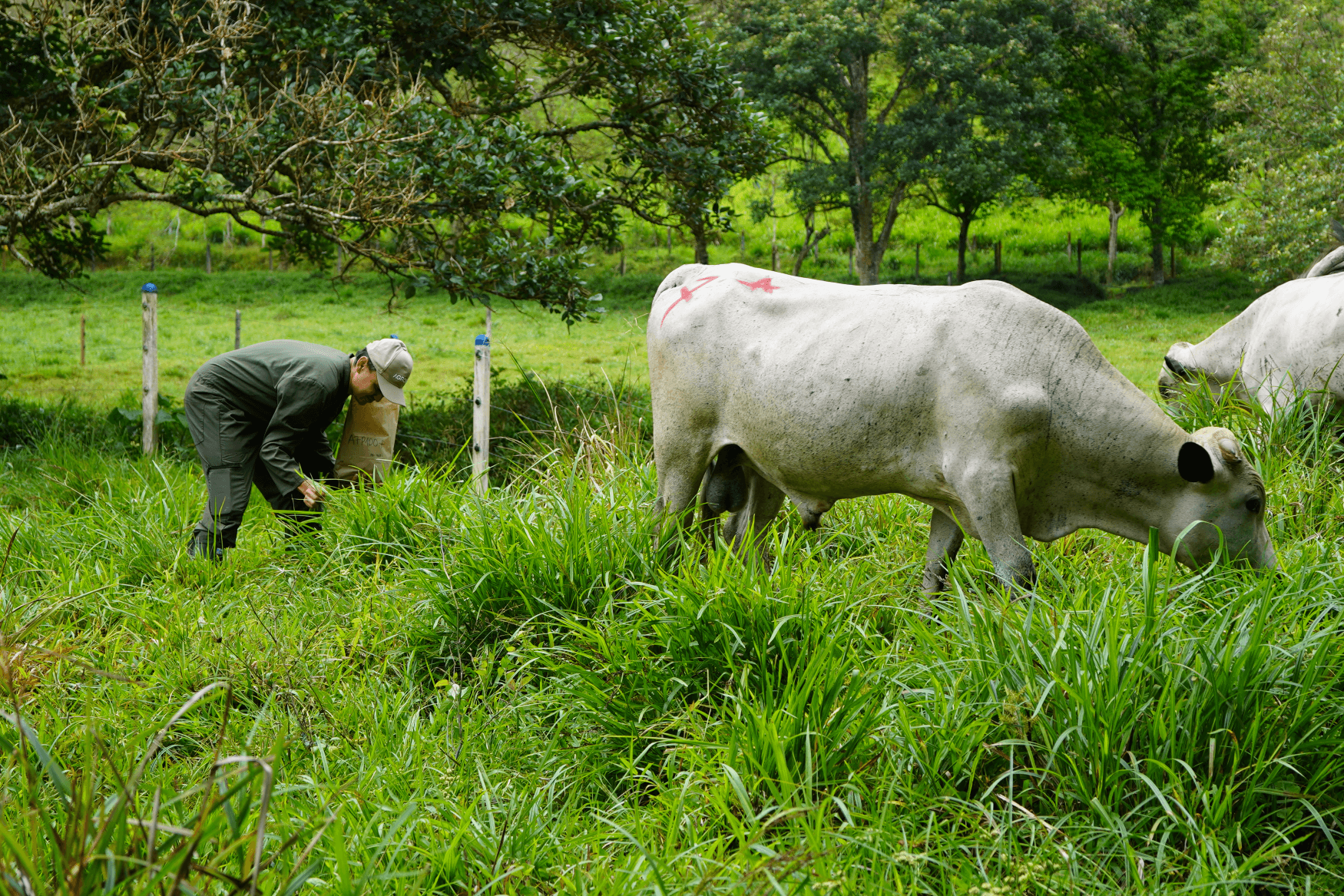

 Technological
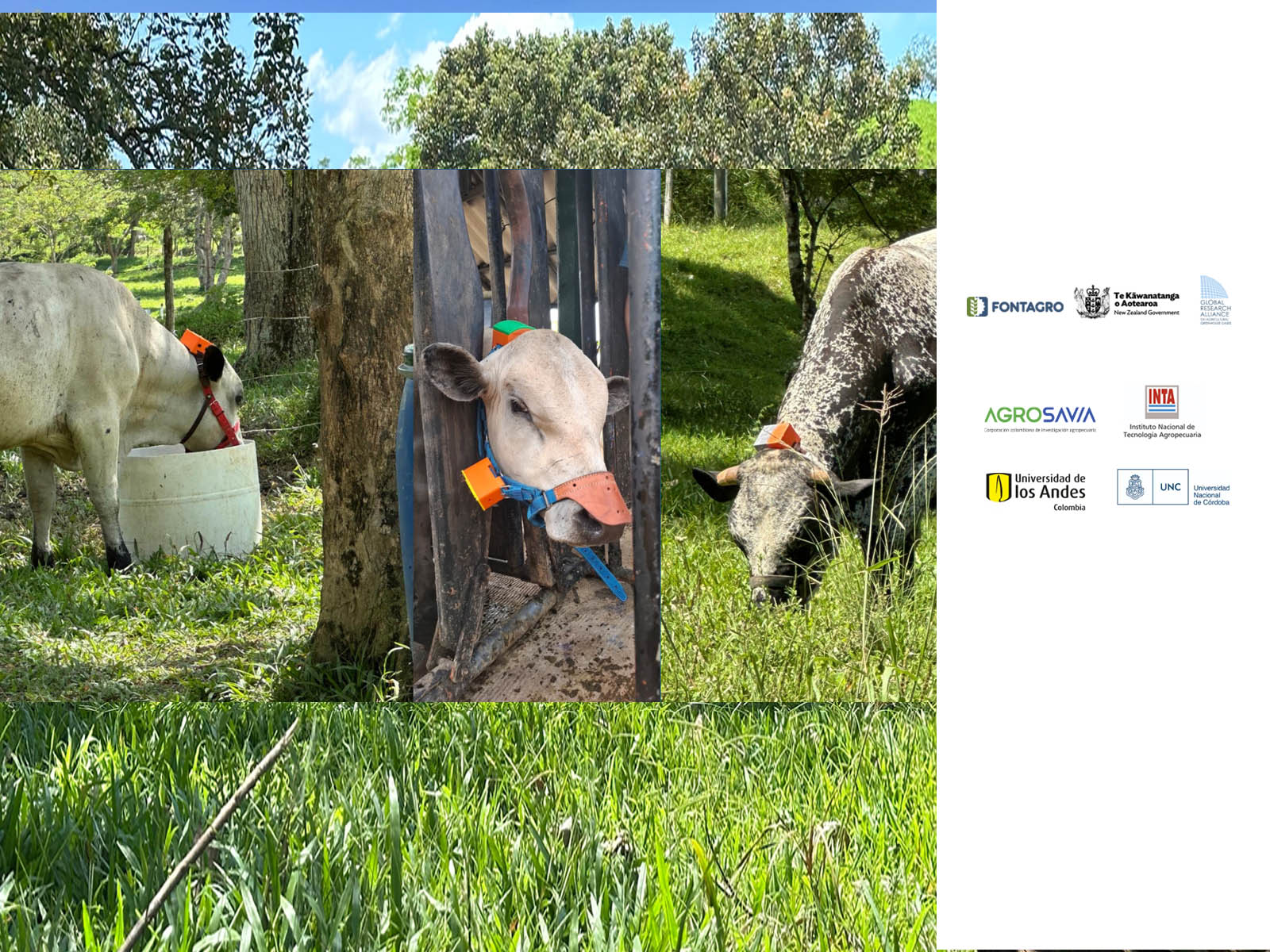
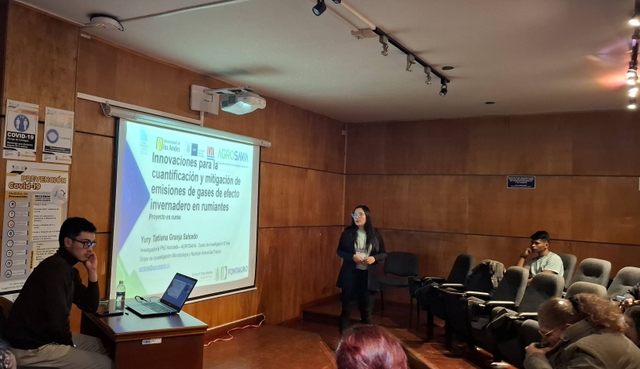
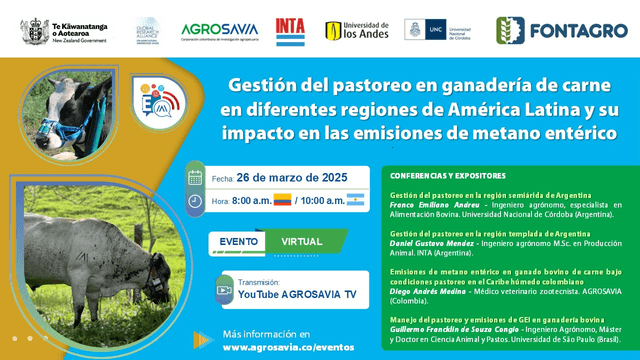
As part of a regional research initiative aimed at mitigating climate change and enhancing livestock sustainability, the FONTAGRO project "Innovations to Reduce Methane Emissions in Ruminants" (ATN/RF-20637-RG) is making progress in validating innovative methodologies.
Determining dry matter intake and diet digestibility in grazing ruminants is crucial for understanding nutrient utilization and optimizing production. However, conducting these measurements in the field has historically posed significant operational and methodological challenges.
To overcome these limitations with a precise and practical methodological solution, the research team has established a standardized protocol that combines the use of internal and external markers with near-infrared spectroscopy (NIRS) technology applied to both forage and feces (fecal NIRS).
This approach enables the rapid, cost-effective, and highly accurate estimation of complex variables while strictly adhering to animal welfare principles:
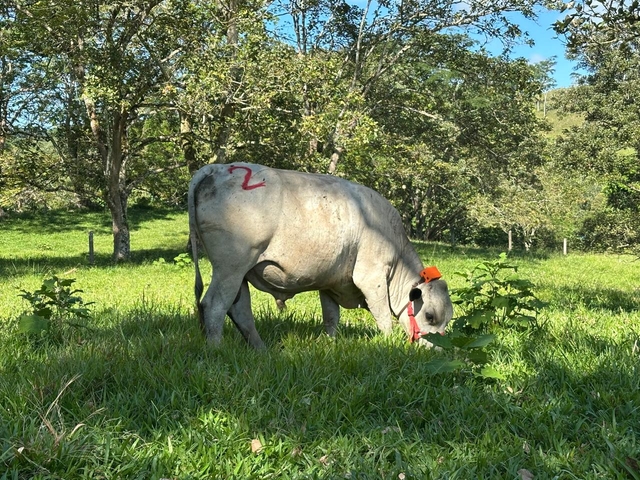
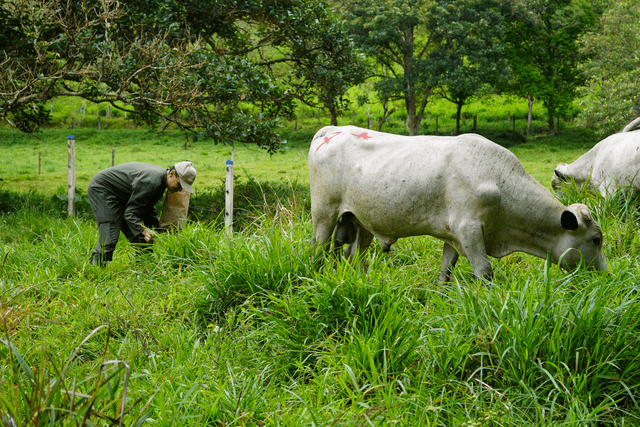
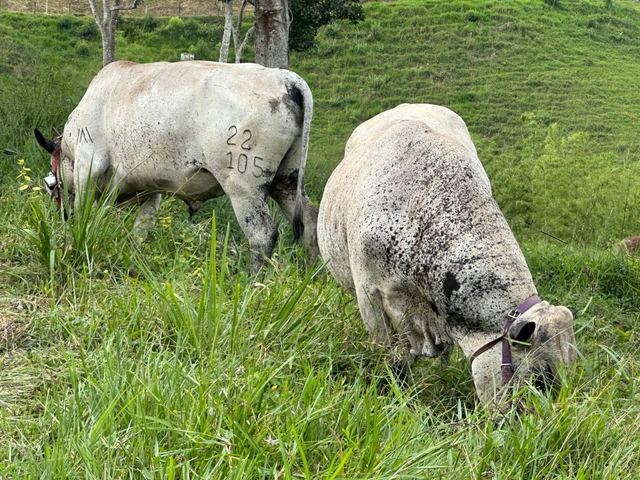
Field phase and administration: Use of external markers (titanium dioxide capsules) to determine total fecal output, and internal markers (indigestible neutral detergent fiber—iNDF) to assess the digestibility of the ingested diet, thereby eliminating the need for total collection using harnesses.
Standardized collection: Direct daily sampling during adaptation (9 days) and measurement (5 days) periods, ensuring sample integrity and animal well-being.
Laboratory analysis and NIRS prediction: Processing of forage and fecal samples to generate prediction models that accurately determine total dry matter intake.
Feed intake is the cornerstone upon which supplementation strategies and grazing management are designed. By obtaining precise data on nutrient utilization, the project generates key scientific information for designing dietary strategies that effectively reduce enteric methane emissions per unit of product (meat or milk).
To learn the step-by-step details of the field protocol, as well as the precautions taken during collection and laboratory processing, we invite you to watch the audiovisual resource prepared by the technical team:
🎬 Watch video: Marker administration and fecal collection to estimate intake in grazing ruminants.
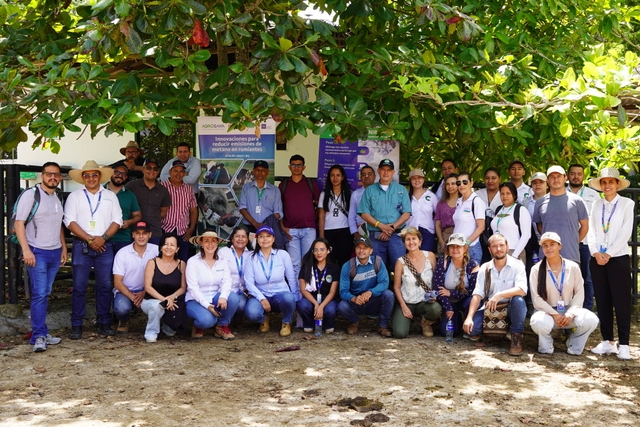
This work is made possible through the support of the Government of New Zealand as part of its contribution to the Global Research Alliance on Agricultural Greenhouse Gases (GRA)—via the FONTAGRO project—and is driven by the collaborative efforts of AGROSAVIA (Colombia), INTA (Argentina), UNC (Argentina), and the Universidad de los Andes (Colombia).
.jpeg&w=640&q=100)