 Impact
 Initiatives
 Dashboard
 Alliances

 Impact
 Initiatives
 Dashboard
 Alliances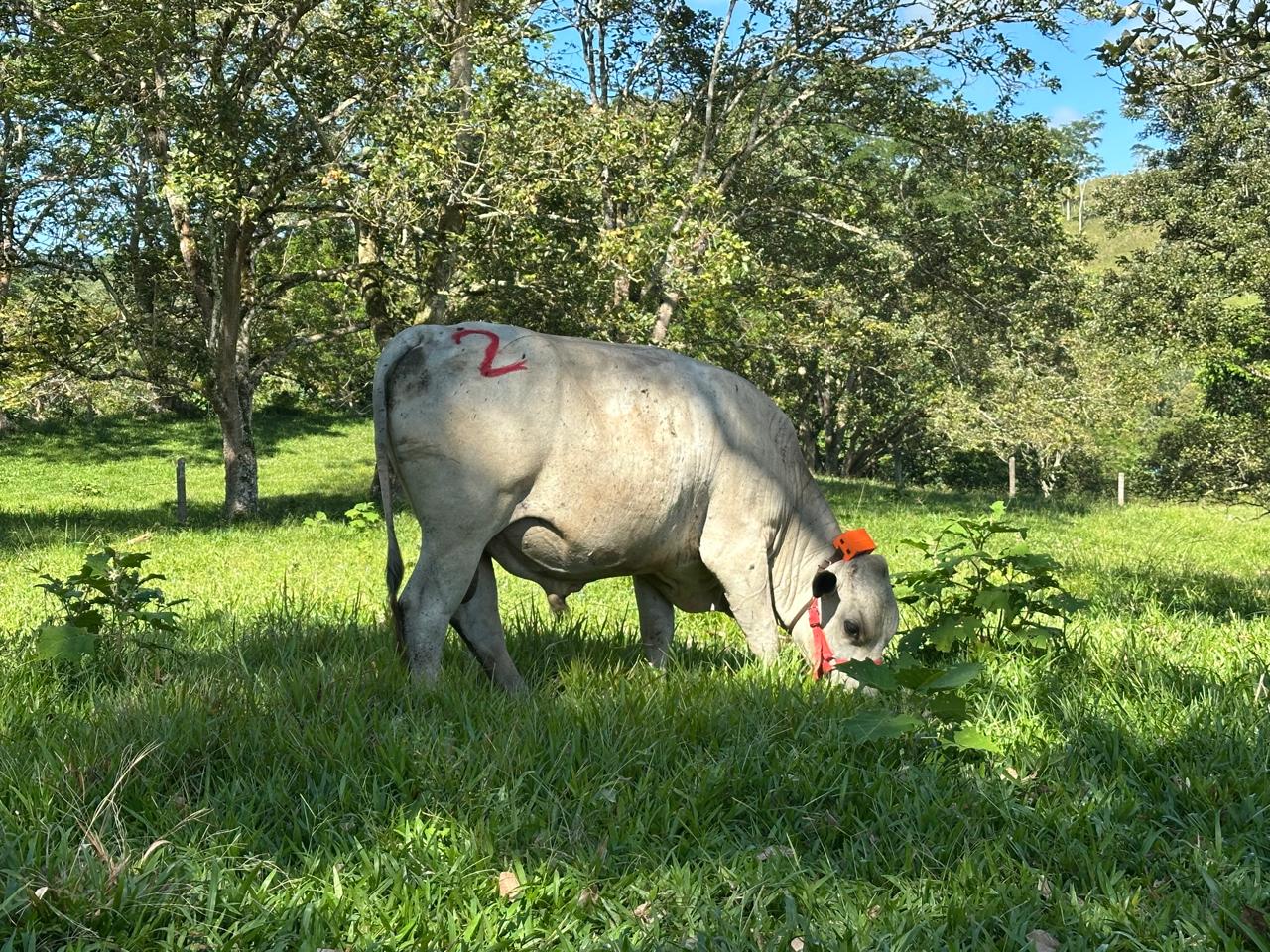

 Technological
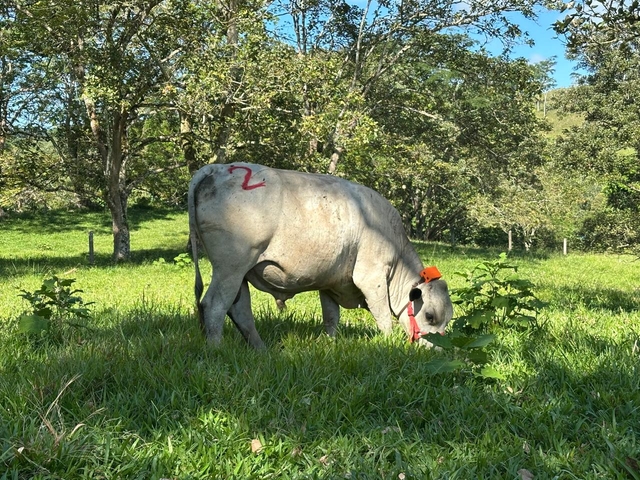
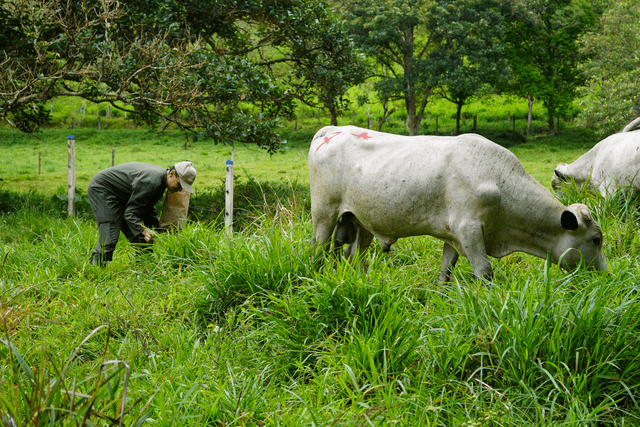
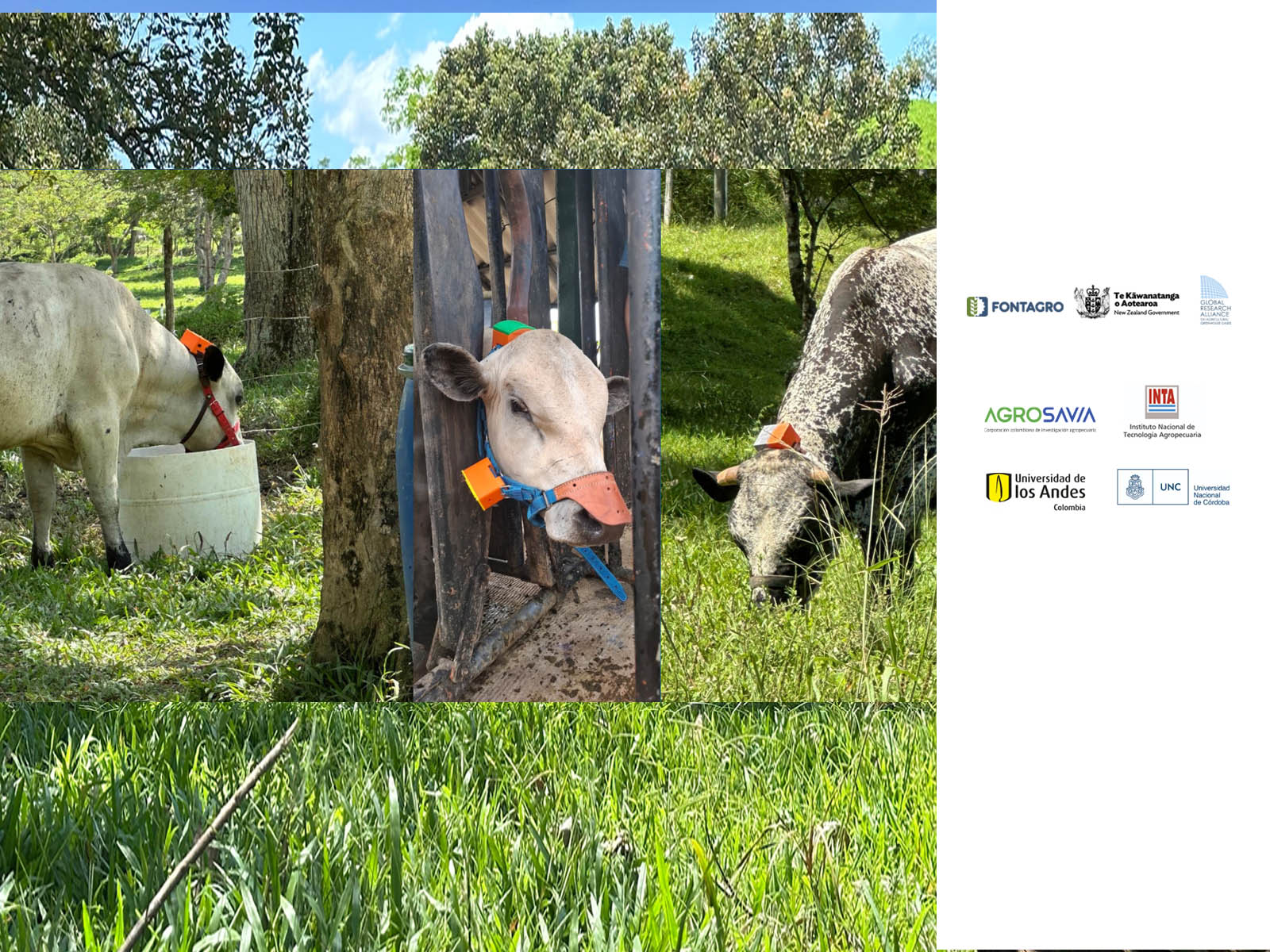
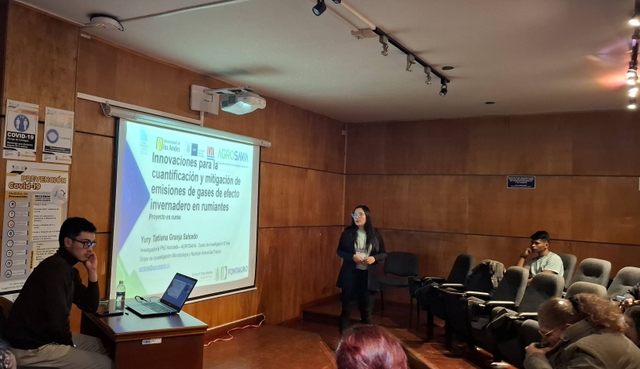
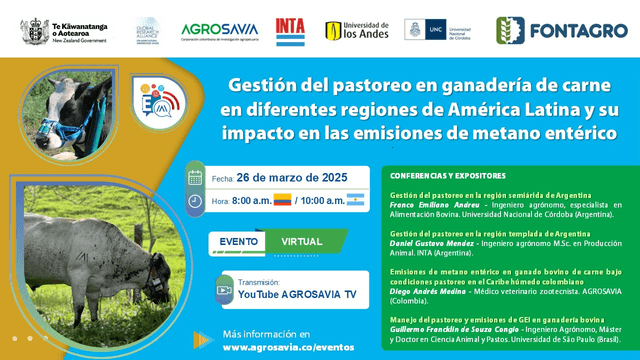
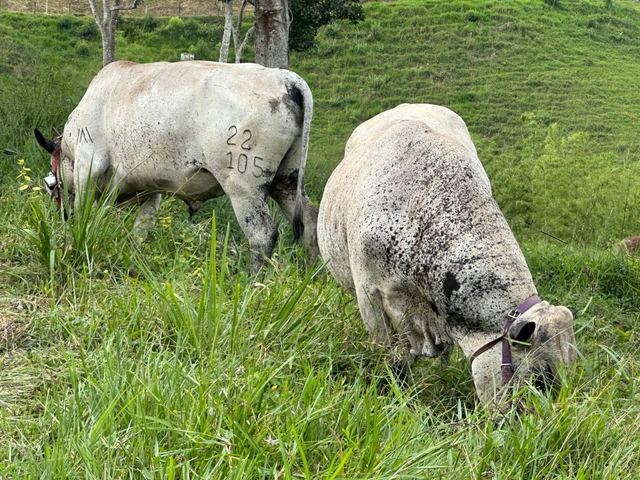
Within the framework of the FONTAGRO project "Innovations to Reduce Methane Emissions in Ruminants," a remote sensing system was refined, capable of monitoring the behavior of grazing cattle with over 90% accuracy. The central objective of this initiative is to optimize feed efficiency and promote the reduction of enteric methane emissions, strengthening the sustainability and competitiveness of the livestock sector in the region.
The research, titled "Implementation of a Remote Sensor-Based System for Monitoring Ingestive Behavior in Grazing Cattle", was developed as a master's thesis at the University of the Andes in partnership with AGROSAVIA in Colombia. It arose in response to the urgent need to make livestock production more efficient and address the challenge of "Livestock 4.0" under grazing conditions, where connectivity is often limited.
The technological solution utilizes:
Inertial Sensors: Low-cost devices that capture movements imperceptible to the human eye.
LoRa Technology: Long-range, low-power wireless communication, ideal for farms in remote areas.
Artificial Intelligence: Machine Learning models that automatically classify whether the animal is grazing, ruminating, or resting.
This type of technology has a significant impact by enabling informed decision-making to optimize the animal's feed efficiency under real-world production conditions, directly benefiting the sustainability of the local livestock sector by optimizing forage use. Furthermore, it strengthens farms' capacity to adapt to climate change through accurate, real-time data.
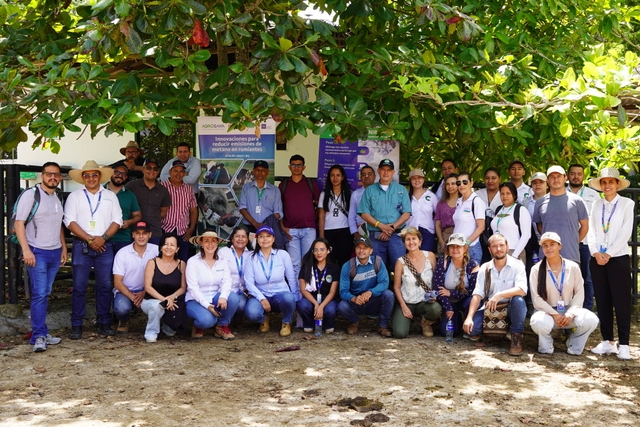
This thesis was made possible thanks to the support of the New Zealand Government as part of its contribution to the Global Research Alliance on Agricultural Greenhouse Gases (GRA) through the FONTAGRO project: 'Innovations to reduce Methane emissions in Ruminants', executed by AGROSAVIA - Colombian Corporation for Agricultural Research, the University of Los Andes, and INTA in Argentina.
.jpeg&w=640&q=100)