 Impact
 Initiatives
 Dashboard
 Alliances


 Impact
 Initiatives
 Dashboard
 Alliances

 Technological-Organizational-Institutional
The project demonstrated the productive and economic benefits of including climate-adapted forages in livestock systems in all four countries. As a co-benefit, greenhouse gas emissions intensity fell by 44% on average. Results by country were:
- Chile: up to 96% higher forage yield in the Mediterranean zone during water scarcity, and 60% less nitrogen fertilization in the south.
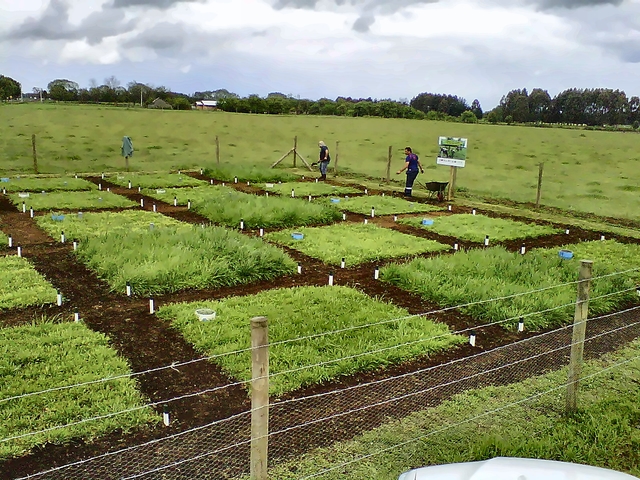
- Argentina: 14% more forage in critical periods, twice the animal production with lotus and 37% lower emissions intensity. Compared with unmanaged natural grasslands, annual digestible dry matter production rose by 9% and crude protein by 58%.
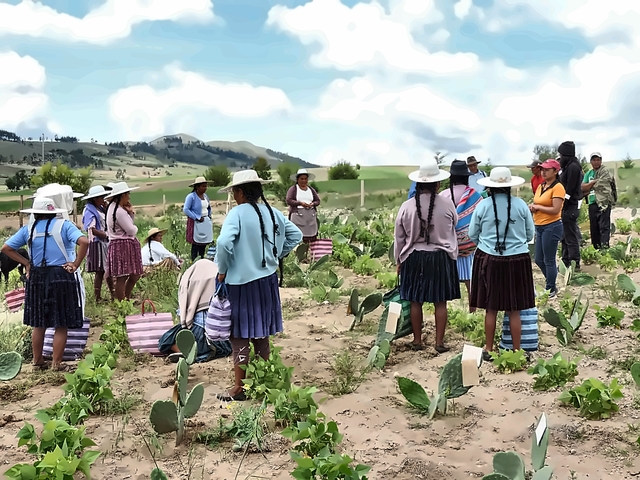
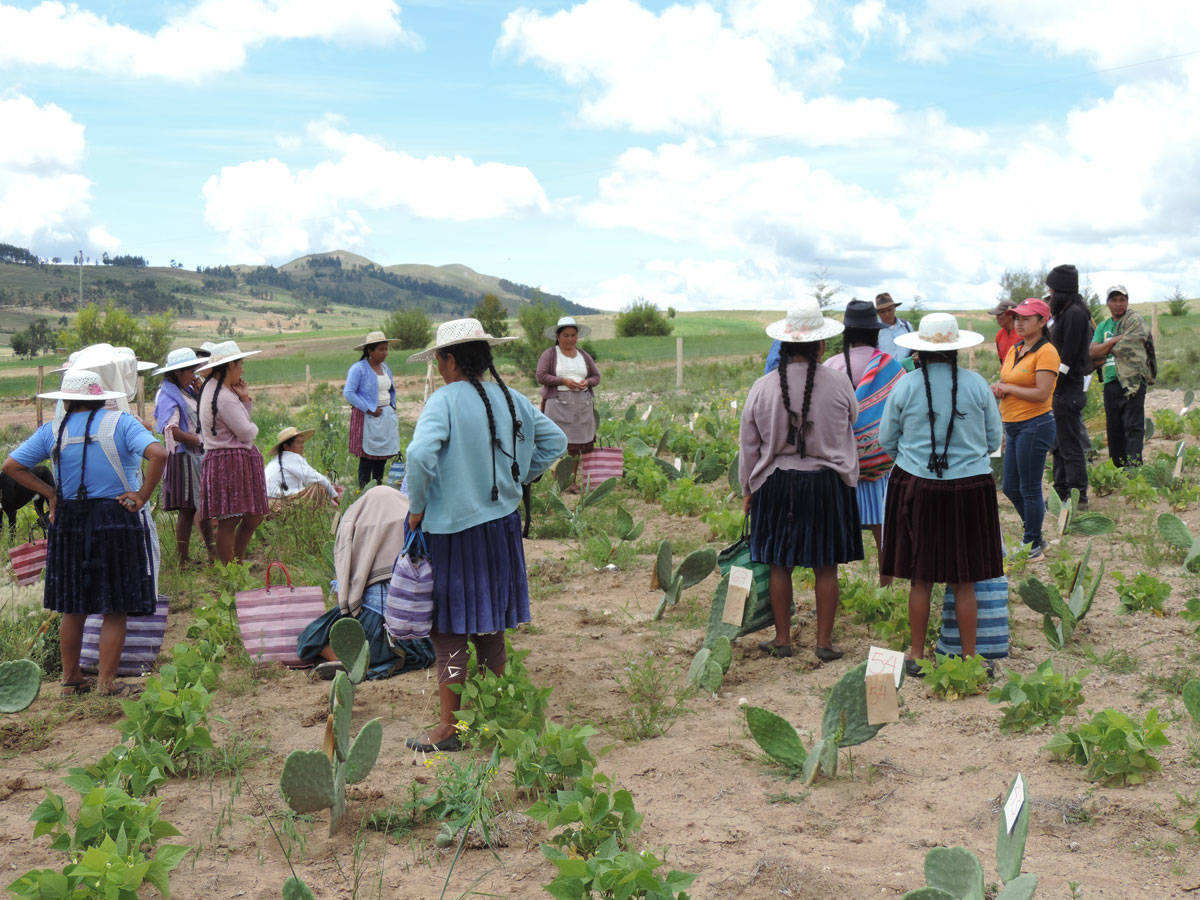
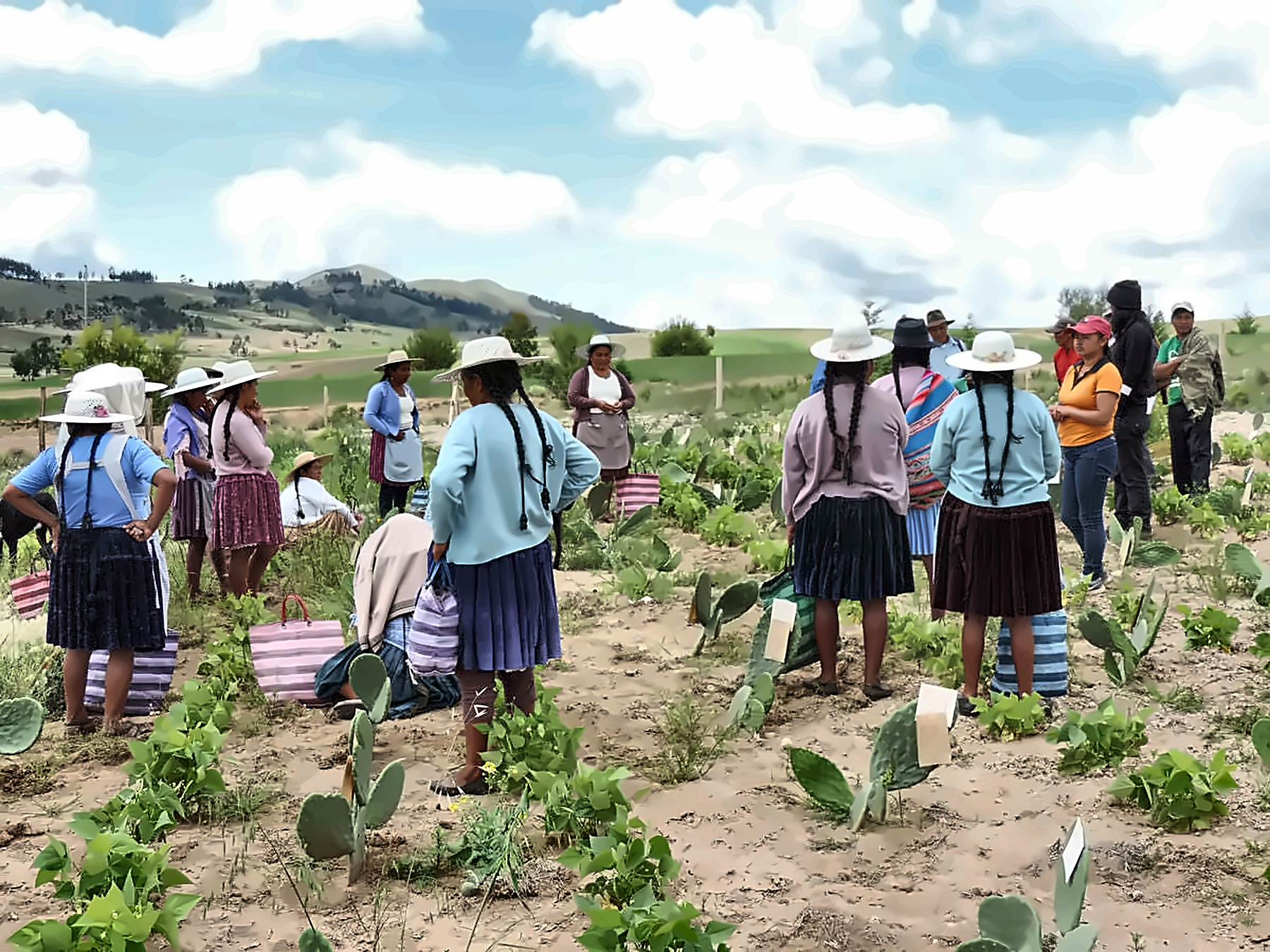
- Bolivia: 133% more weight gain in sheep fed forage cactus and 58% lower emissions intensity.
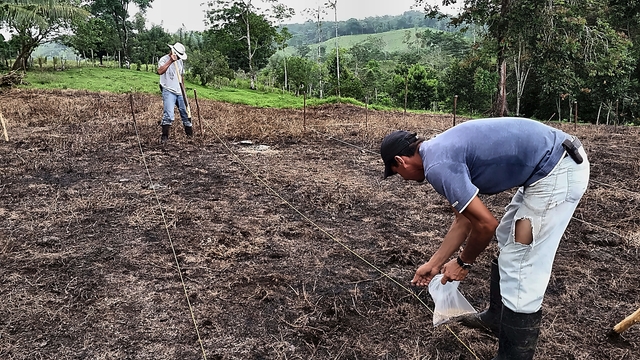
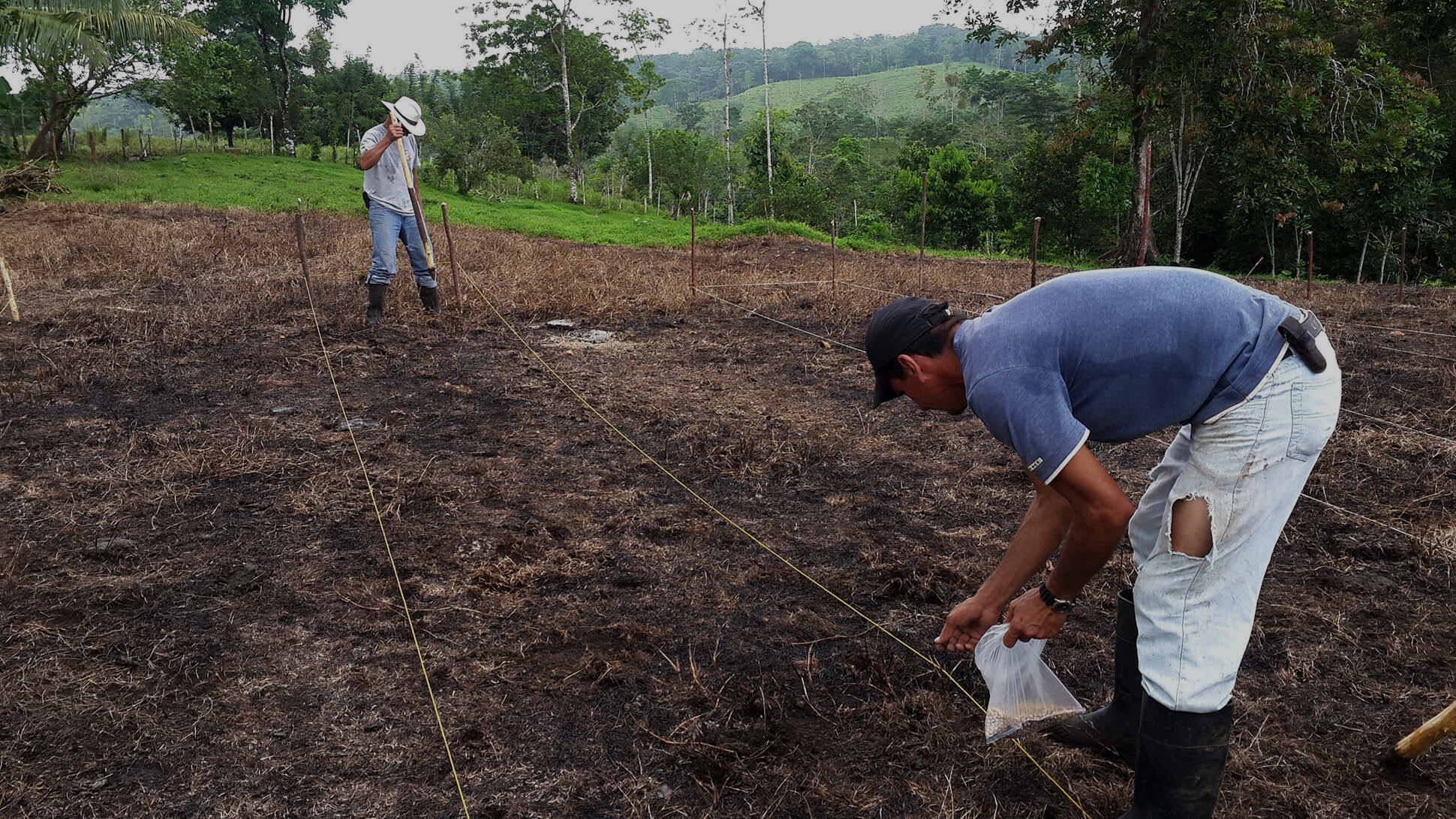
- Costa Rica: 5% more forage in the critical period, 55% more cattle weight and 73% lower emissions intensity with forage soybean.
In addition, the capital invested was recovered within one to four years depending on the country. With 656 producers involved and a potential of more than 825,000 hectares over ten years, the project lays the foundations for an integrated strategy so that Latin American family livestock farming can produce more, be more resilient and emit less.
🔗 Results news story (in Spanish) 📄 2018 results poster (in Spanish) 📄 Final technical report (in Spanish)