 Impact
 Initiatives
 Dashboard
 Alliances


 Impact
 Initiatives
 Dashboard
 Alliances

 Technological-Organizational-Institutional
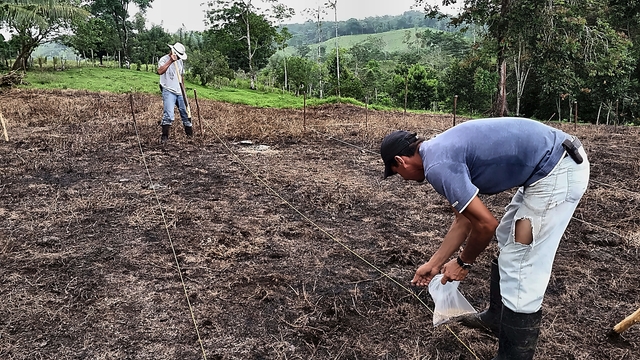
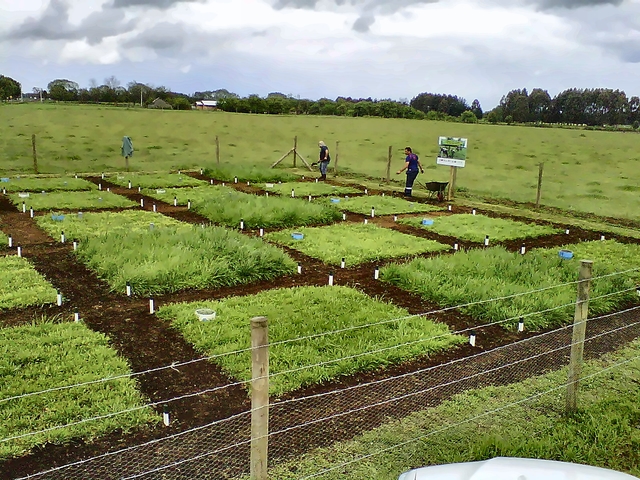
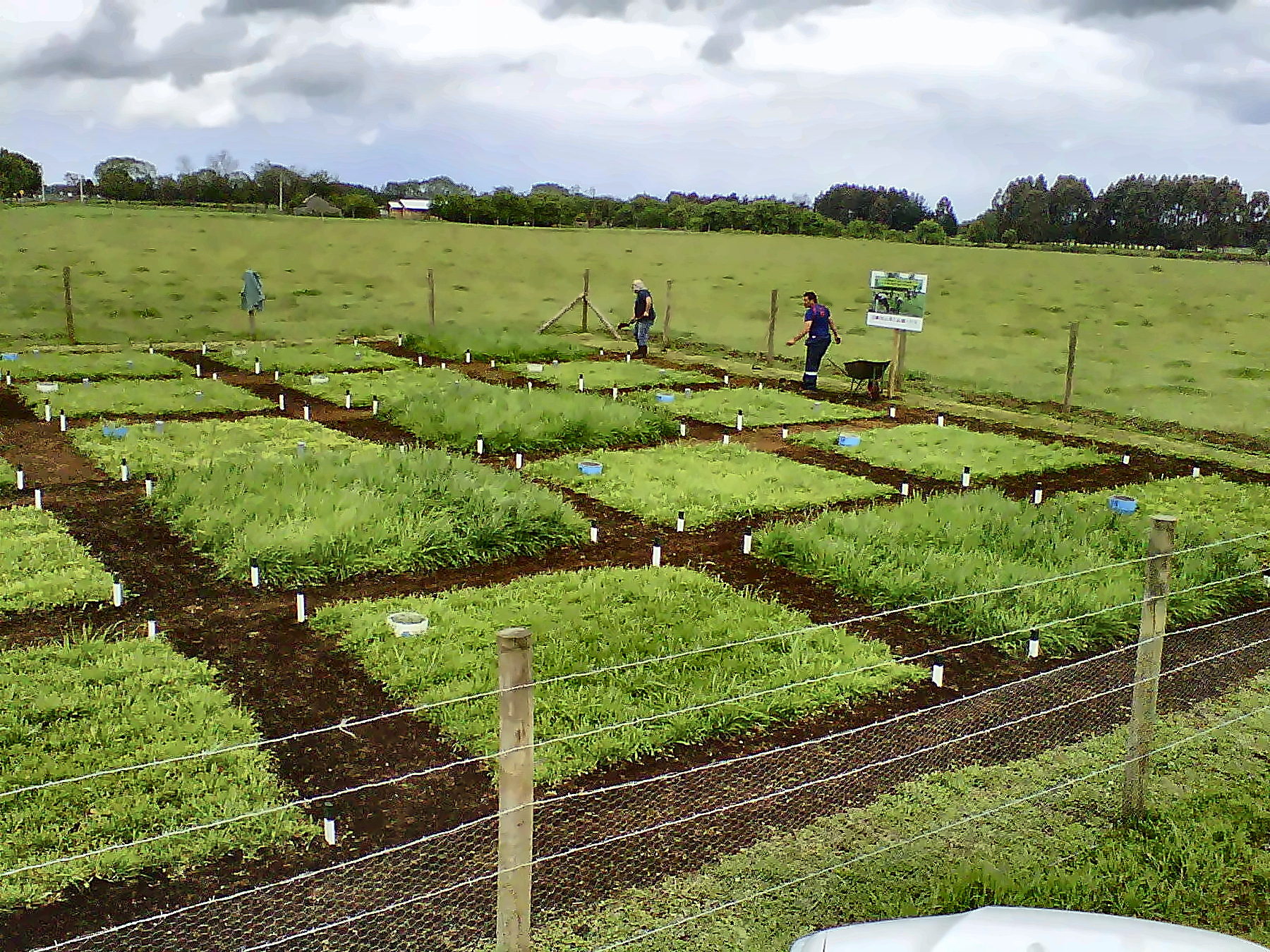
The project set up ten field trials: three in Argentina, three in Bolivia, two in Chile and two in Costa Rica. Each country chose species suited to its conditions:
- Argentina: Lotus tenuis, to improve natural grasslands;
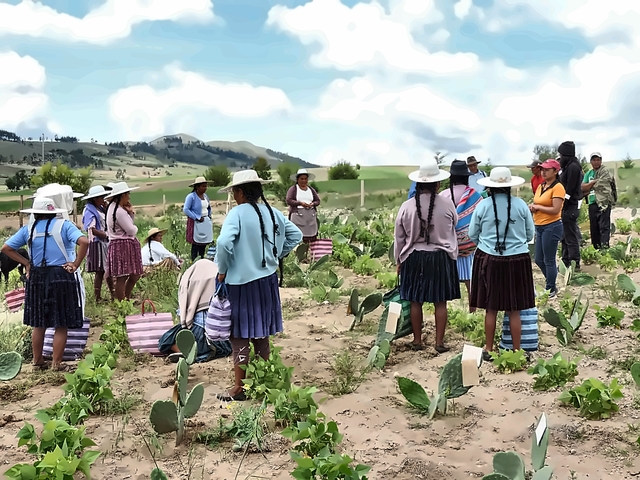
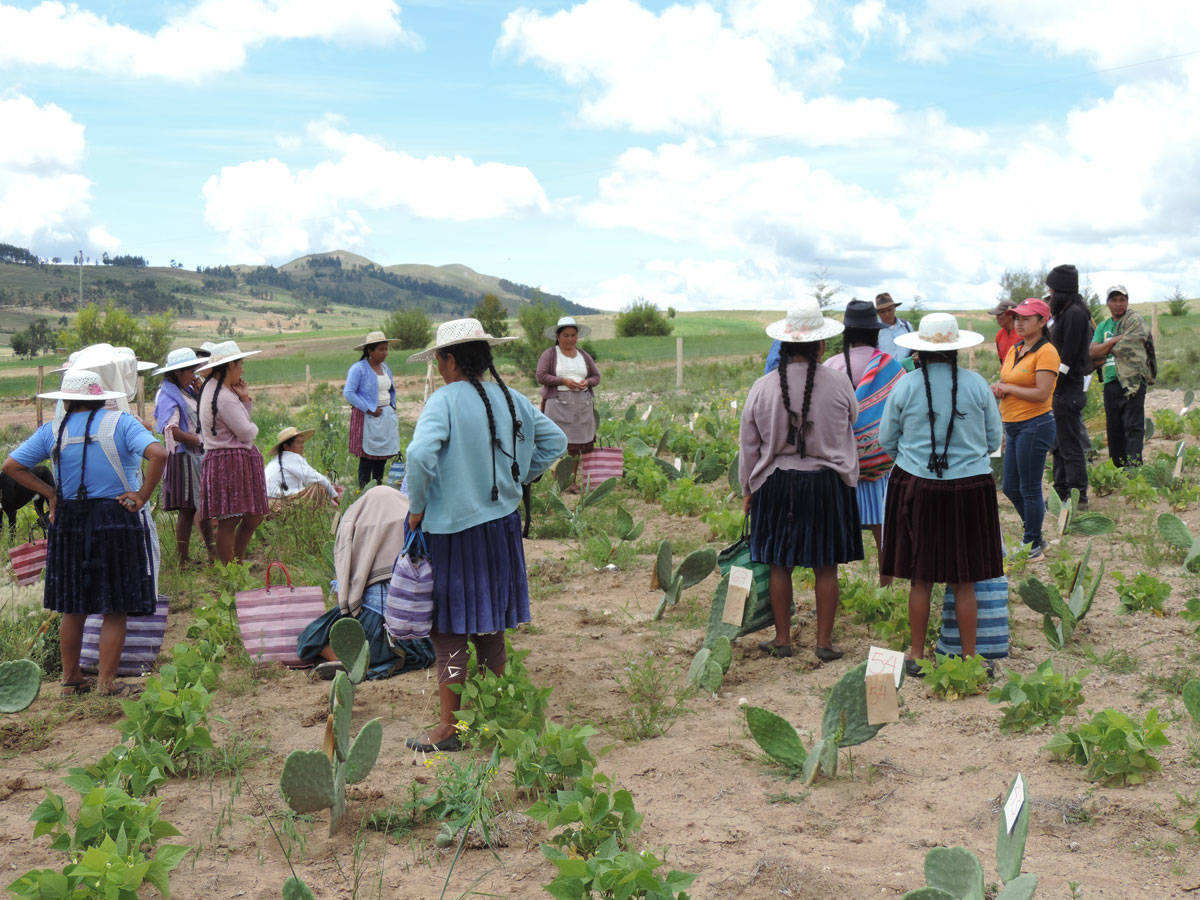
- Bolivia: Lotus corniculatus, clovers and forage cactus;
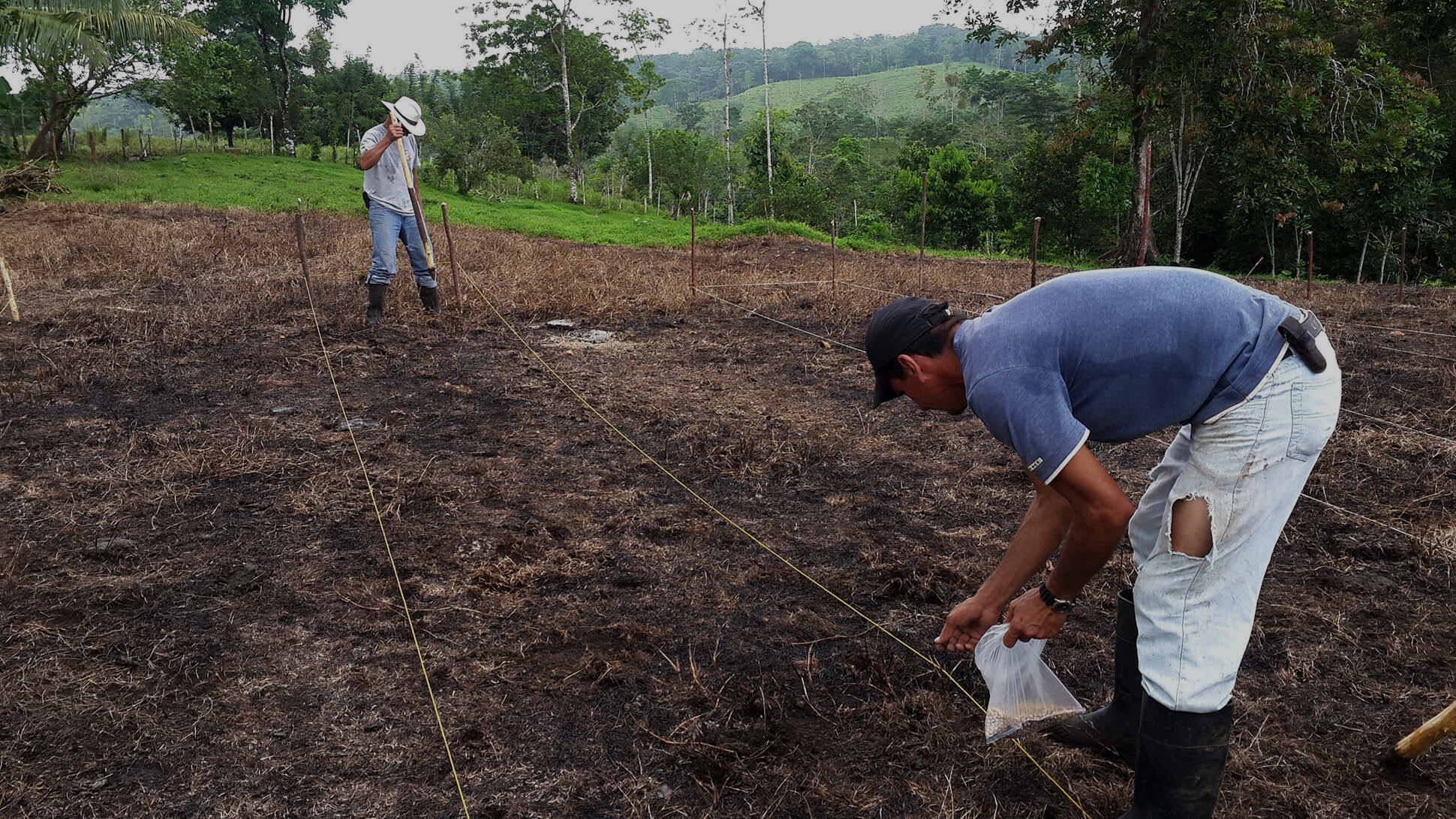
- Costa Rica: forage soybean (Neonotonia wightii) adapted to direct grazing;
- Chile: drought-tolerant varieties of lotus, orchardgrass, brome and ryegrass, alone and in mixtures.
To make results comparable, the team developed two agronomic evaluation protocols and one economic evaluation protocol. Between May 2015 and October 2017, the yield, quality and persistence of the new species and varieties were measured. Greenhouse gas emissions associated with the fertilization strategies were also quantified. In Argentina, for example, seasonal monitoring of lotus made it possible to compare its digestibility and protein content with those of natural grassland throughout 2016 and 2017.
📄 2017 poster (in Spanish) 📄 Final technical report (in Spanish) 🔗 Project page (in Spanish)