• Go to Fontagro's X profile
  • Go to Fontagro's Instagram profile
  • Go to Fontagro's Linkedin profile
  • Go to Fontagro's Youtube profile
  • About Us
  • Governance
  • Documents
  • News
    • News
    • Events
  • Library
  • Toolkit
Fontagro
  • Menu iconImpact
    • Projects
    • Success Cases
    • Impact Stories
    • Project platform
  • Menu iconInitiatives
  • Menu iconDashboard
  • Menu iconAlliances
  • X icon
  • Instagram icon
  • Linkedin icon
  • Youtube icon
Fontagro
Fontagro
  • About Us
  • Governance
  • Documents
  • News
    • News
    • Events
  • Library
  • Toolkit
  • Menu iconImpact
    • Projects
    • Success Cases
    • Impact Stories
    • Project platform
  • Menu iconInitiatives
  • Menu iconDashboard
  • Menu iconAlliances
Fontagro

Innovation ecosystem for the agri-food sector in Latin America and the Caribbean

Newsletter
  • Impact
  • Initiatives
  • Dashboard
  • Alliances
  • About Us
  • Governance
  • Documents
  • News
  • Library
  • Toolkit

Contact Us

  • E-mailfontagro@fontagro.org
  • LocationIICA USA - 1889 F Street, N.W., Suite 360 Washington, D.C. 20006
  • Terms, conditions and privacy policy

© 2025 Fontagro. All Rights Reserved

  • Go to Fontagro's X profile
  • Go to Fontagro's Instagram profile
  • Go to Fontagro's Linkedin profile
  • Go to Fontagro's Youtube profile
project image

Basis for Generating an Integrated Adaptation Strategy for Farming Systems in Latin America

X iconFacebook iconLinkedin icon
Agronomic PracticesAgronomic PracticesAdaptativeAdaptativeTechnological-Organizational-InstitutionalTechnological-Organizational-InstitutionalClimate changeClimate changeStrategy 1. Resilient farms Strategy 1. Resilient farms Strategy 2. Sustainables territoriesStrategy 2. Sustainables territories20142014inactiveinactive
CodeATN/CX-14837-RG#92
InitiativeExtraordinary Call
Total AmountUSD 441,698
Counterpart AmountUSD 241,701
Other AgenciesUSD 199,997
Execution Time42 Months
CodeATN/CX-14837-RG#92
InitiativeExtraordinary Call
Total AmountUSD 441,698
Counterpart AmountUSD 241,701
Other AgenciesUSD 199,997
Execution Time42 Months
Loading map...
Summary icon

Executive Summary

During the last 20 years, food demand increments have led to greater agricultural and livestock production in South America. However, climate change effects, mainly on small producers, can negatively affect their future development. In Chile, about 90% of livestock systems depend directly on rainfall intensity and frequency. In Argentina, the Pampean region, where the highest percentage of national agricultural production is concentrated, has a very variable rainfall regime. This results in dry, intermediate or very rainy years that alternate not uniformly. In Bolivia, the intensification of droughts in recent years has resulted in a significant decline, with a trend towards disappearance, in sheep production. In Costa Rica, approximately 70% of meat and dual-purpose producers are farmers who develop subsistence production systems and face higher production costs than the rest of Latin America.  The challenge is to respond to global food demands under a scenario of increasingly adverse weather conditions and small producers with minimal technologies and investment. Hence, the objective of this project was to evaluate how forage resources genetically tolerant to water stress result in increase livestock productivity without increasing Greenhouse Gas (GHG) emissions at a Family Farming level.
Results icon

Results

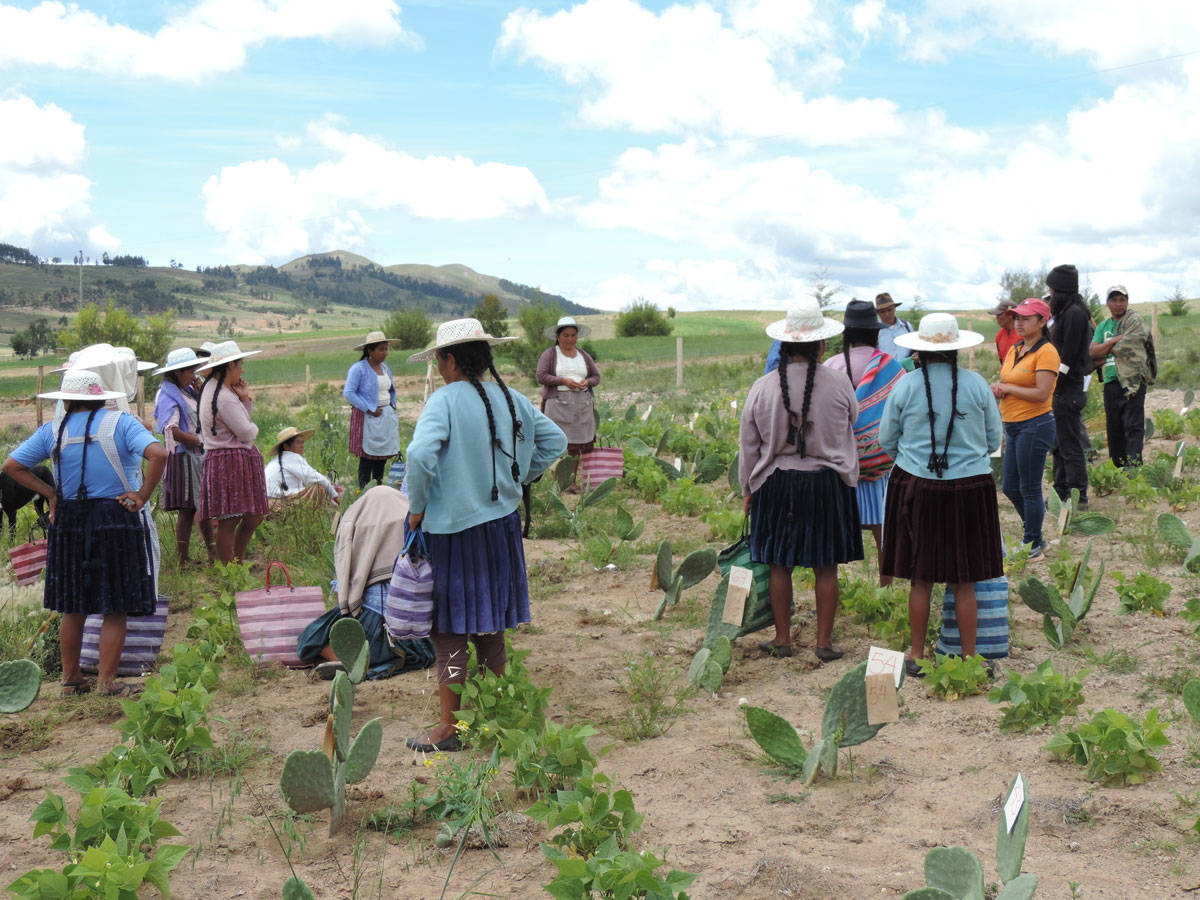
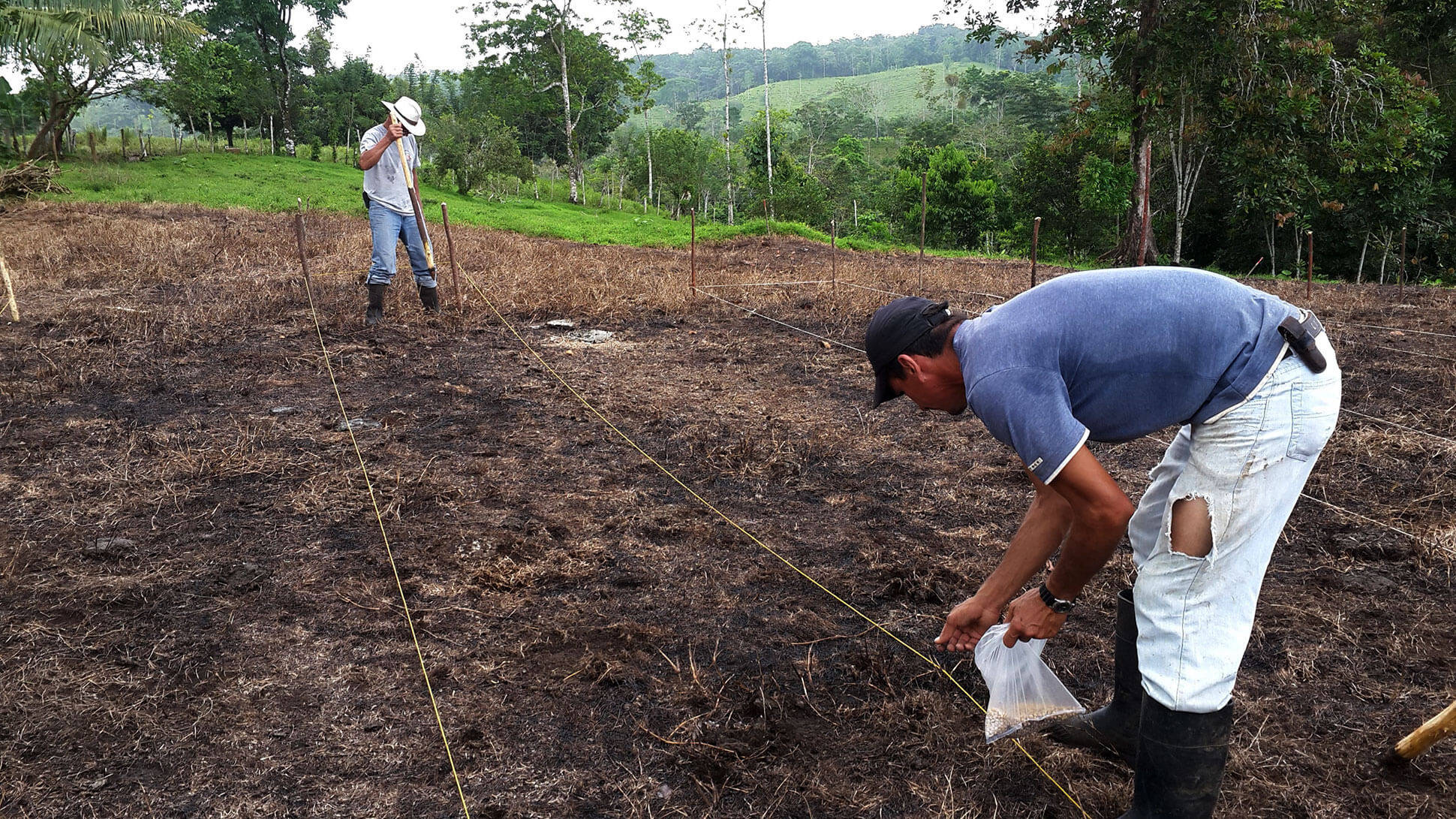
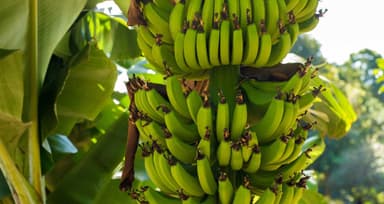
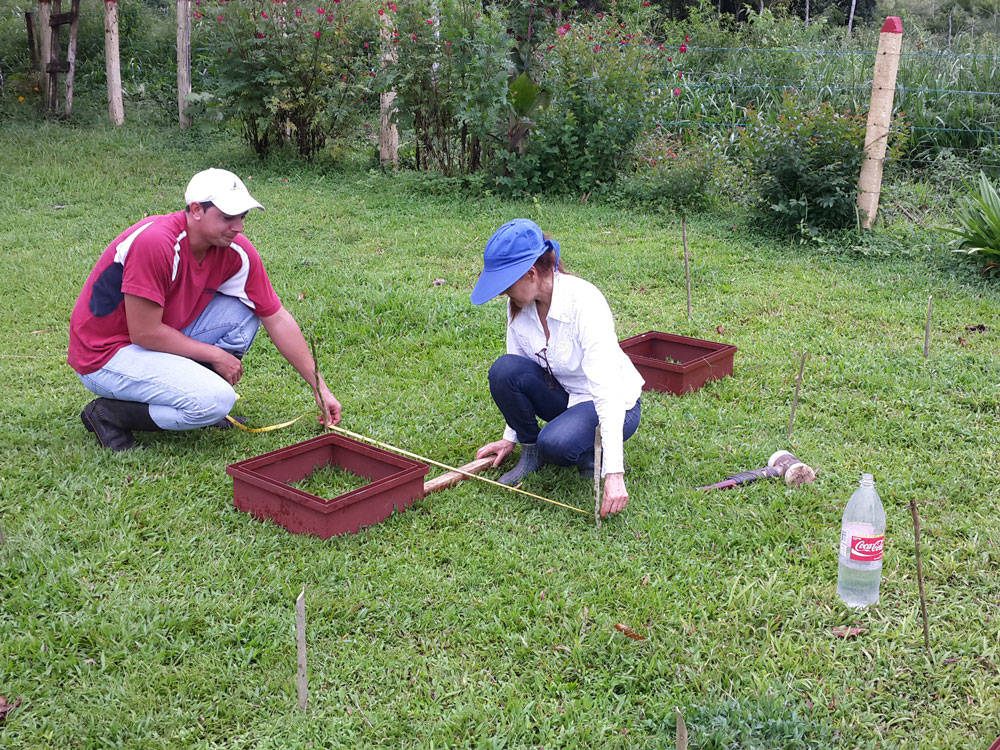
The implementation of forage adaptable to climate change (drought or flood) resulted in productive and economic benefits and reductions in GHG emissions. For example, experiments were performed to evaluate drought-tolerant forage (Chile); forage and tuna fodder (Bolivia); soy adapted to direct grazing in livestock conditions (Costa Rica); and growth promotion of Lotus (Argentina). The forage species implemented had higher yields and helped reduce GHG emissions per kg of live weight during critical times. In Argentina, for example, an increase in cumulative annual production of 9% of Dry Digestible Matter and 58% of Crude Protein was observed in comparison to unmanaged natural grasslands. The invested capital was recovered over a period of one to four years, depending on the country.
Beneficiaries icon

Beneficiaries

706 people trained (25% women) 10 field experiments 3 standard operation procedures 26 workshops 3 undergraduate theses 1 graduate thesis

Sustainable Development Goals

This project actively contributes to achieving the Sustainable Development Goals, promoting more equitable, resilient, and sustainable regional development.

No povertyZero HungerGood health and well-beingGender equalityDecent work and economic growthSustainable cities and communitiesResponsible consumption and productionClimate action
No poverty
Zero Hunger
Good health and well-being
Gender equality
Decent work and economic growth
Sustainable cities and communities
Responsible consumption and production
Climate action

Main Donors

FONTAGRO
GEF

Project news

Bases for the Generation of an Integrated Adaptation Strategy for Livestock Systems of Latin America
Bases for the Generation of an Integrated Adaptation Strategy for Livestock Systems of Latin America...
Read more
Project Story Image

Learn more about this story

Project Webstory

Go to webstory
Organizations icon

Participating Organizations

Executor

  • INIA Instituto de Investigaciones Agropecuarias

Co-Executor

  • INTA Instituto Nacional de Tecnología Agropecuaria
  • PROINPA Fundación para la Promoción e Investigación de Productos Andinos
  • CICA - UCR

Asociates

  • COLUN LTDA
  • CORFOGA Corporación Ganadera
Cargando mapa...
Publication icon

Publications and Resources

Download document

Informe Técnico Final

Download document

Poster 2018

Download document

Poster 2017

Publication icon

Dissemination products

Poster

Integrated strategies for climate change adaptation in livestock family farming

Fontagro TECH

Integrated adaptation and mitigation strategy for livestock systems

Researchers icon

Participating Researchers

Marta Alfaro Valenzuela
ChileProject Leader

Marta Alfaro Valenzuela

Luis Ignacio Inostroza Fuentealba
ChileResearcher

Luis Ignacio Inostroza Fuentealba

Laura Finster
ArgentinaResearcher

Laura Finster

Alejandro Costantini
ArgentinaResearcher

Alejandro Costantini

Pablo Mamani
BoliviaResearcher

Pablo Mamani

Ana Gabriela Pérez Castillo
Costa RicaResearcher

Ana Gabriela Pérez Castillo

Jorge Gonzaéz Urbina
ChileResearcher

Jorge Gonzaéz Urbina

Miguel Angel Taboada
ArgentinaResearcher

Miguel Angel Taboada

Vanina Cosentino
ArgentinaResearcher

Vanina Cosentino

Romina Romaniuk
ArgentinaResearcher

Romina Romaniuk

Ana Karina Saavedra
BoliviaResearcher

Ana Karina Saavedra

Cristina Chinchilla Soto
Costa RicaResearcher

Cristina Chinchilla Soto

José Manuel Monge
Costa RicaResearcher

José Manuel Monge

Sergio Abarca Monge
Costa RicaResearcher

Sergio Abarca Monge

Luis Opazo Ruiz
ChileCommunication

Luis Opazo Ruiz

Andrea Alemán Andrade
BoliviaCommunication

Andrea Alemán Andrade

Marta Alfaro Valenzuela
ChileProject Leader

Marta Alfaro Valenzuela

Luis Ignacio Inostroza Fuentealba
ChileResearcher

Luis Ignacio Inostroza Fuentealba

Laura Finster
ArgentinaResearcher

Laura Finster

Alejandro Costantini
ArgentinaResearcher

Alejandro Costantini

Pablo Mamani
BoliviaResearcher

Pablo Mamani

Ana Gabriela Pérez Castillo
Costa RicaResearcher

Ana Gabriela Pérez Castillo

Jorge Gonzaéz Urbina
ChileResearcher

Jorge Gonzaéz Urbina

Miguel Angel Taboada
ArgentinaResearcher

Miguel Angel Taboada

Vanina Cosentino
ArgentinaResearcher

Vanina Cosentino

Romina Romaniuk
ArgentinaResearcher

Romina Romaniuk

Ana Karina Saavedra
BoliviaResearcher

Ana Karina Saavedra

Cristina Chinchilla Soto
Costa RicaResearcher

Cristina Chinchilla Soto

José Manuel Monge
Costa RicaResearcher

José Manuel Monge

Sergio Abarca Monge
Costa RicaResearcher

Sergio Abarca Monge

Luis Opazo Ruiz
ChileCommunication

Luis Opazo Ruiz

Andrea Alemán Andrade
BoliviaCommunication

Andrea Alemán Andrade

Other projects

The tangible impact of science and technology in the field

Project image

Reducing greenhouse gas emissions in potato-pasture systems ...

Extraordinary Call 2024 ATN/RF-21550-RG

The project focuses on the sustainable intensification of agricultural systems in the Dry Corridor of Central America by incorporating sorghum genotypes and other forage ...

Project image

Coffee Genome

Extraordinary Call 2007 CGIAR#7041

The international debate focused on the advantages or disadvantages of biofuels motivated the development of this Project considering, in this case, the high productivity...

Project image

Implementation Strategy GCyC

Call for Proposals 2015 FTG/RF-15462-RG

Lately, the Central American region has been affected by the consequences of global warming, with the greatest impact manifesting in the dry corridor of Nicaragua and Hon...

Sponsors

BID logoIICA logo

With the support of

KPK logo