 Impact
 Initiatives
 Dashboard
 Alliances


 Impact
 Initiatives
 Dashboard
 Alliances

 Technological
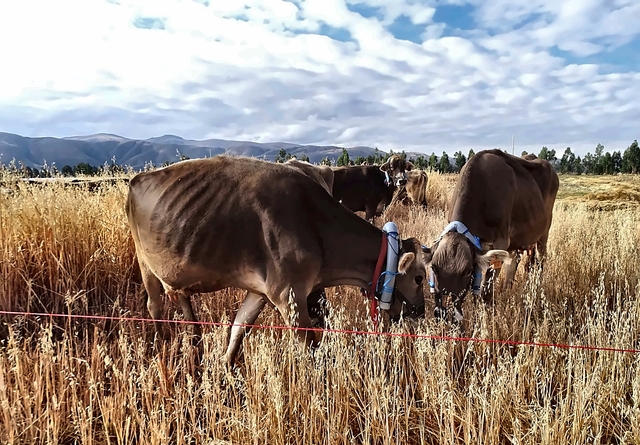
At the close of the project, results confirmed that adjusting cattle diets improves both productivity and environmental performance. The adjustment consisted of reducing non-structural carbohydrates or increasing protein.
- Improved systems produced on average 2,369 kilos of milk per lactation, compared with 1,990 in traditional systems.
- Farms that applied these strategies gained on average 1.34 liters of milk per day.
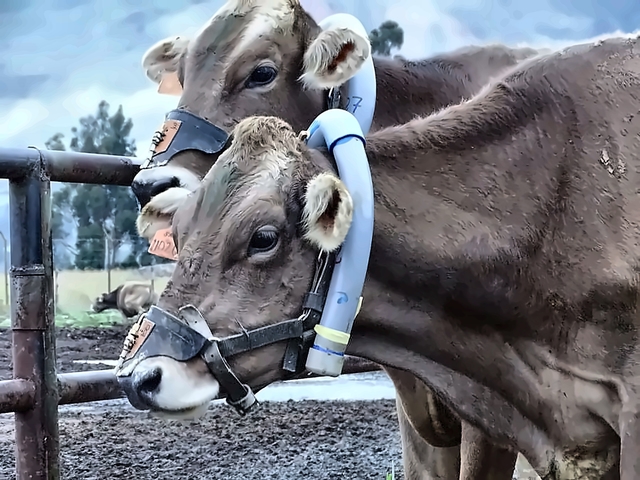
- Emissions fell from 44 to 29 grams of methane per kilo of milk, a 34% reduction, because a diet with more protein and less fiber reduces enteric fermentation.
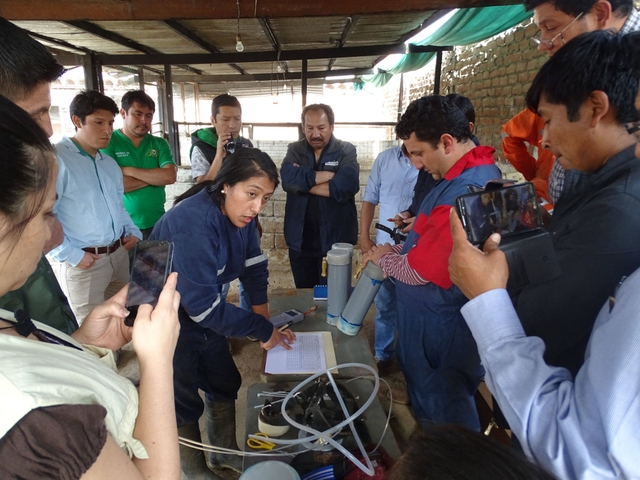
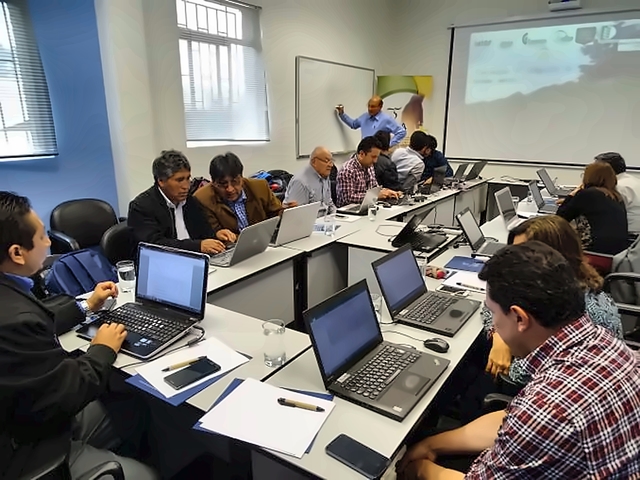
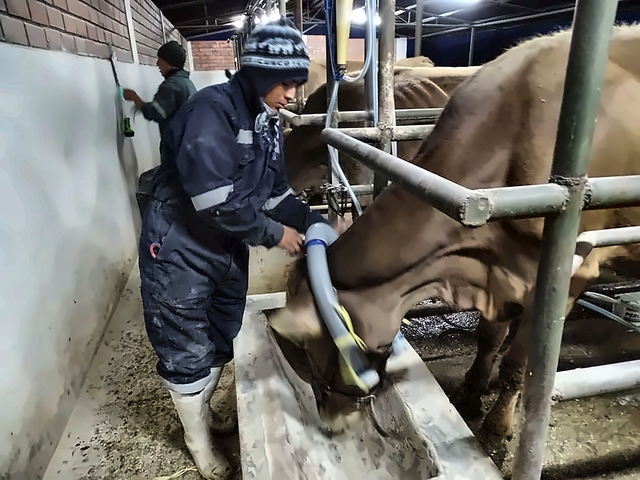
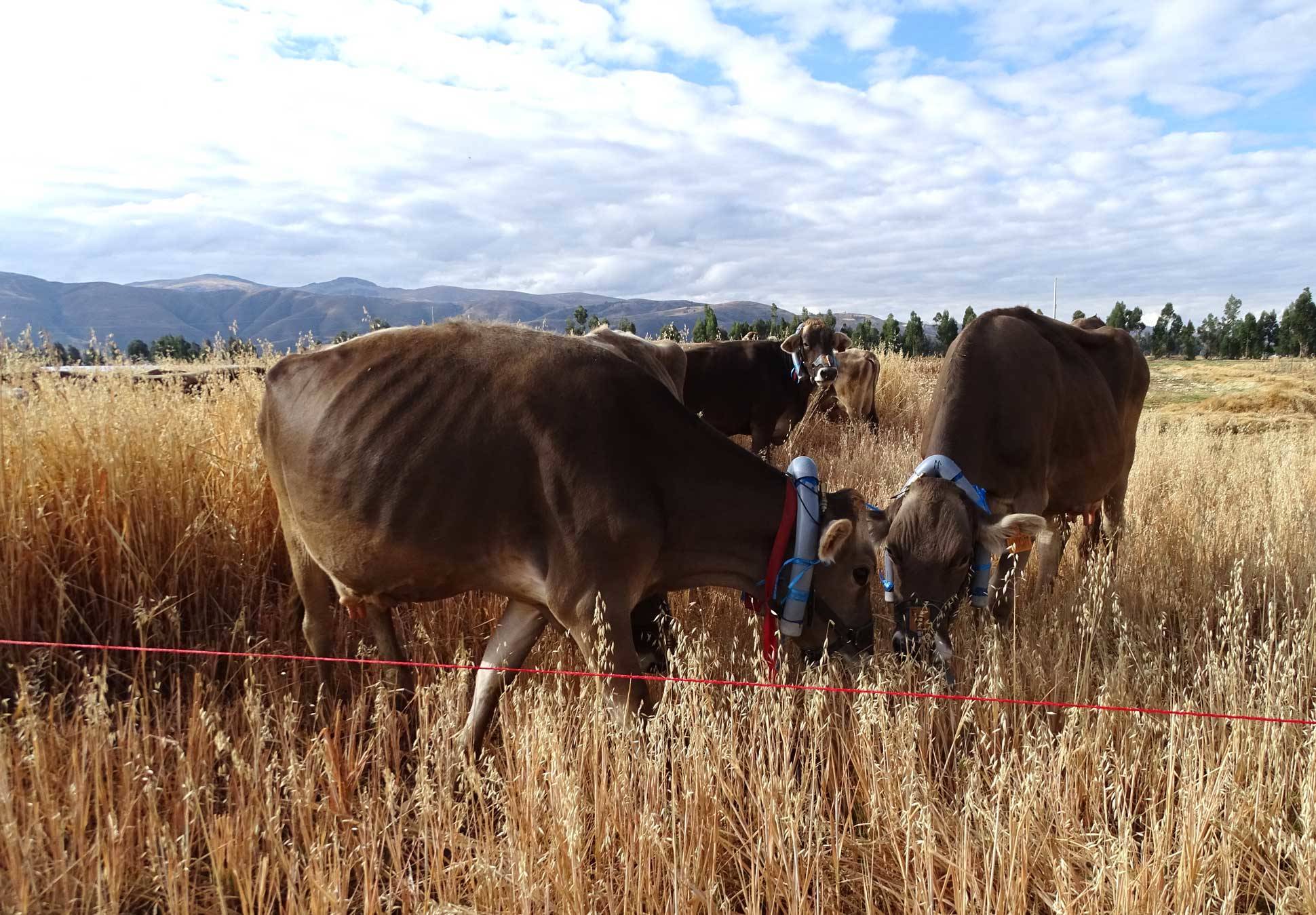
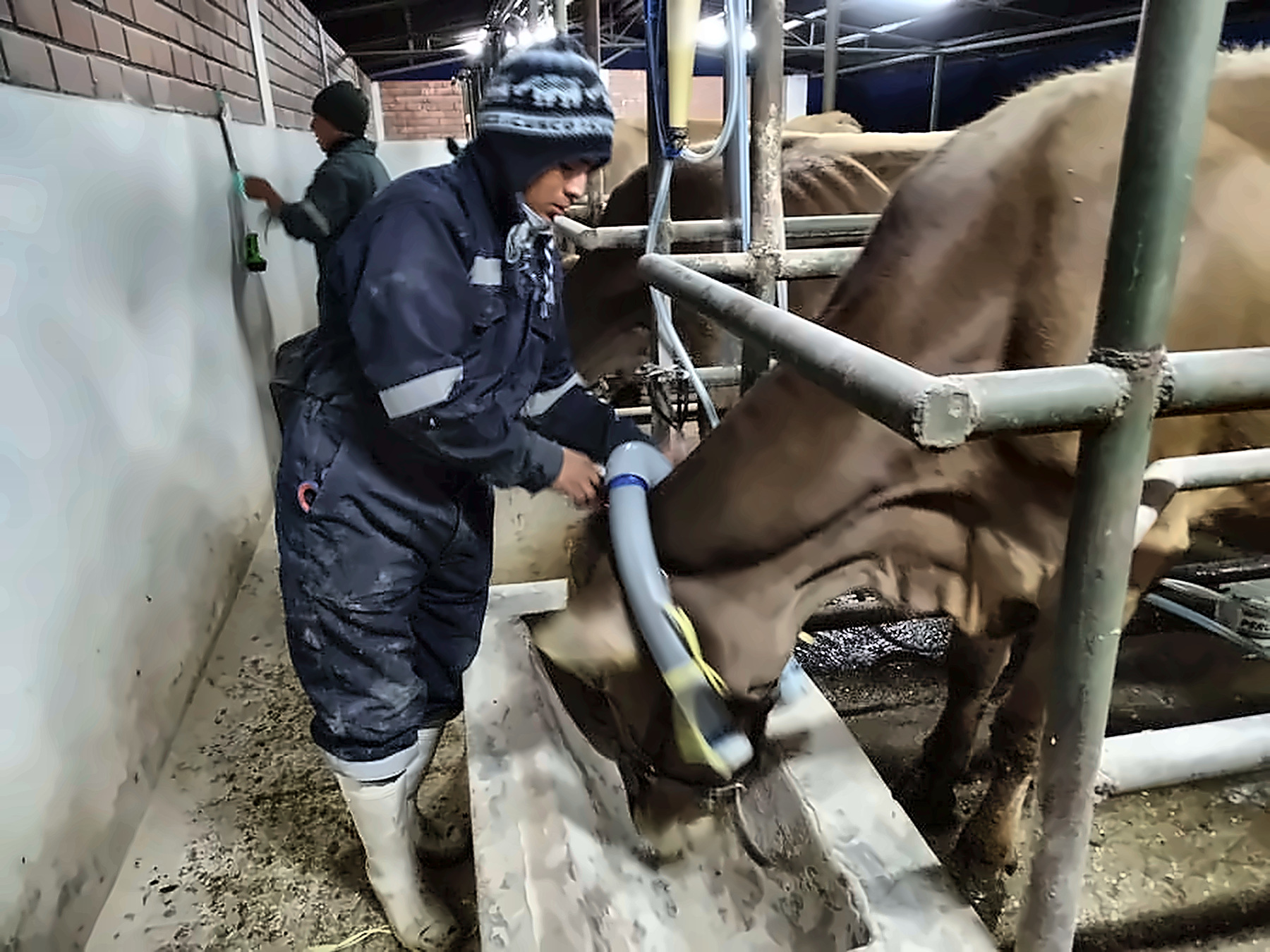
The project also strengthened regional capacities. It left a new methane quantification facility at Corpoica (Colombia) and another for methane and nitrous oxide at UNALM (Peru), trained 51 professionals and supported six postgraduate theses. Its results were presented at panels with specialists from the ministries of Agriculture and Environment, research institutes and universities in the four countries. The specialists agreed on the need to build baselines with local emission factors and to focus mitigation on the sustainable intensification of livestock farming.
🔗 Project page, includes the results story (in Spanish) 🔗 Impact story (in Spanish) 📄 Final technical report (in Spanish)