 Impact
 Initiatives
 Dashboard
 Alliances


 Impact
 Initiatives
 Dashboard
 Alliances

 Technological
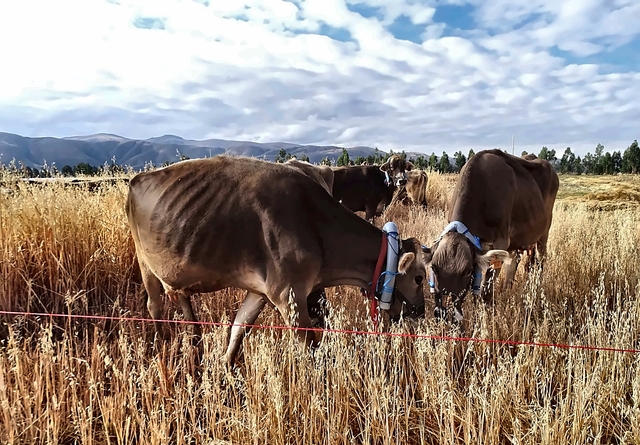
Using the LIFE-SIM simulation tool, adjusted to Andean livestock conditions, the co-executors compared traditional feeding with mitigation strategies specific to each country:
- Ecuador: improved pastures (forage mixtures and kikuyu reseeding) with concentrate supplementation could cut methane per liter of milk by up to 65%.
- Bolivia: grazing on alfalfa with hay and oat silage would reduce it by more than 30%.
- Peru: a similar strategy would lower annual emissions.
The scenarios also provided economic information. This is key, because the strategies with the greatest mitigation potential are not always the most profitable for farmers.
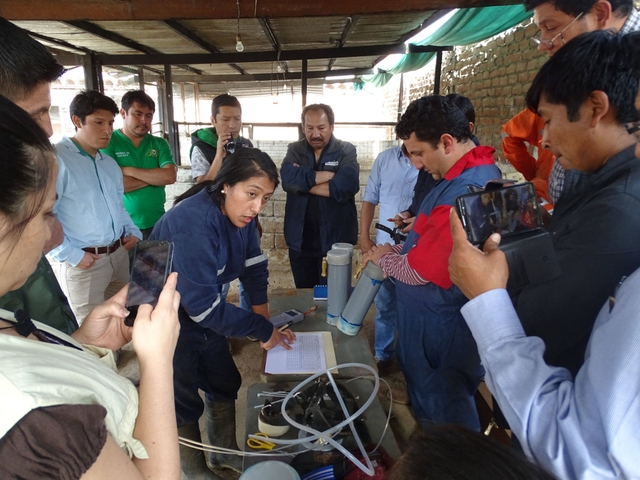
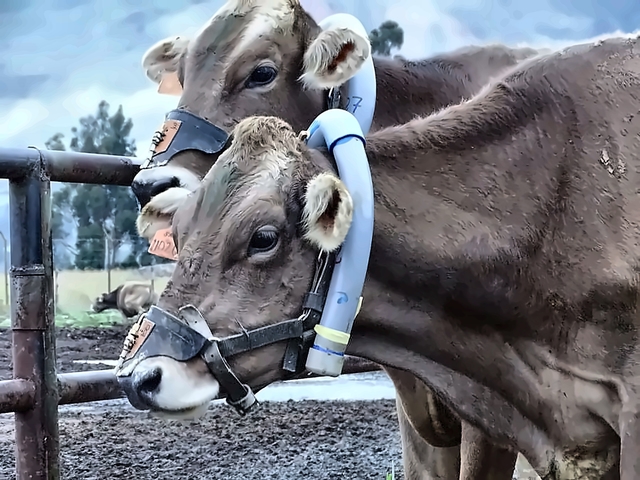
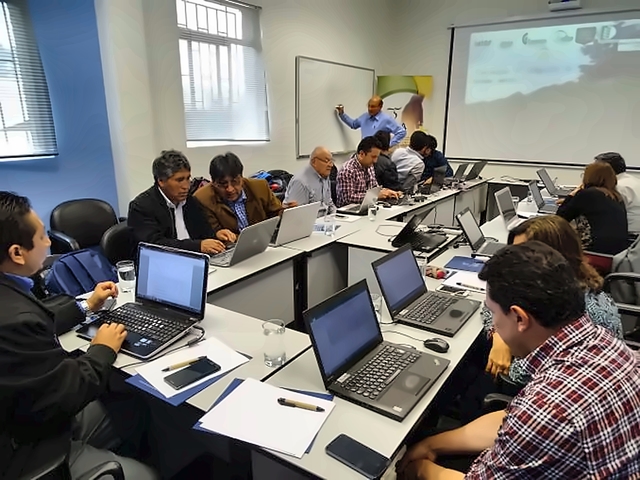
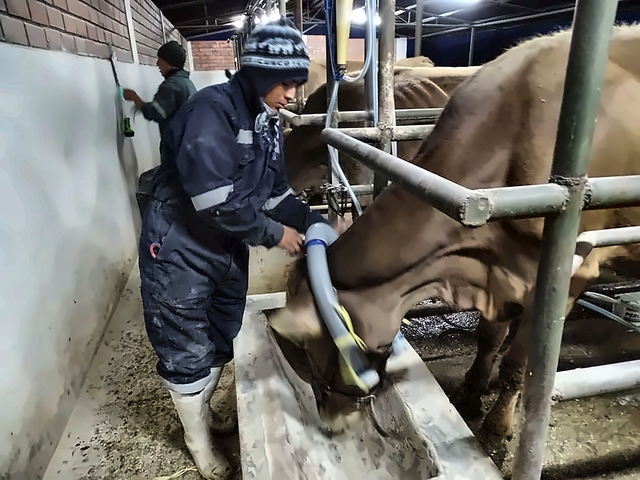
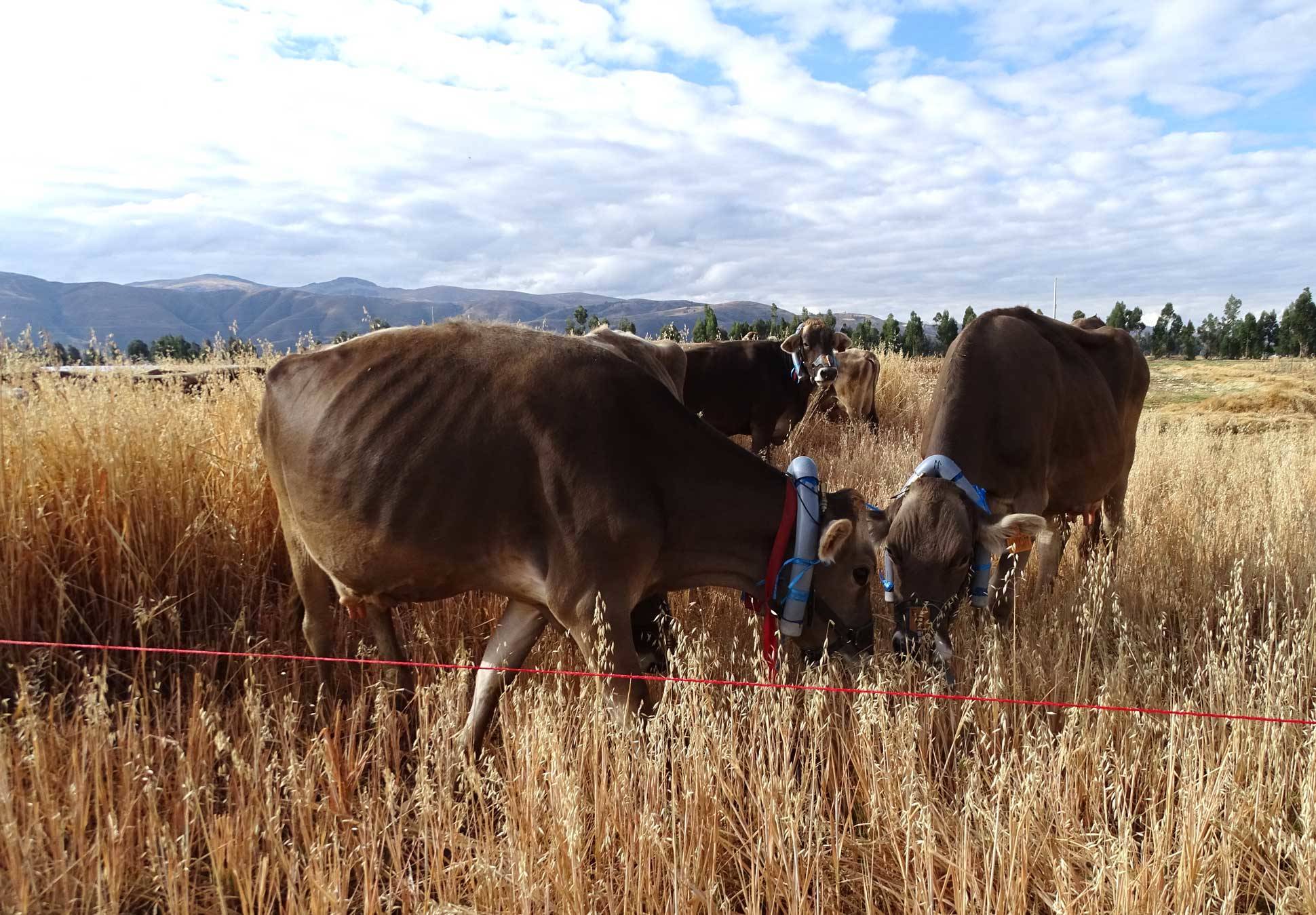
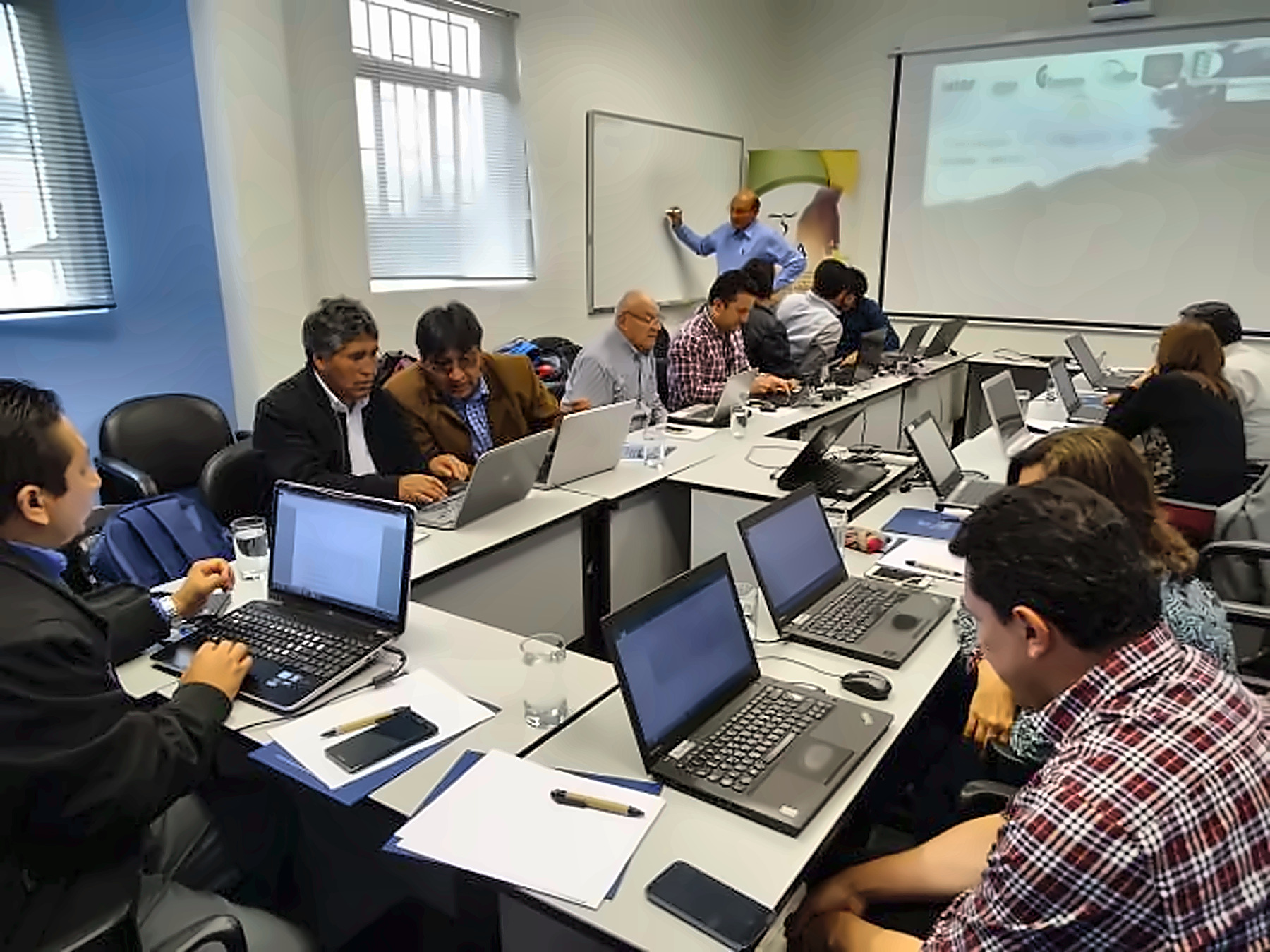
The work was consolidated in three in-person workshops, on using LIFE-SIM, mitigation strategies and gas quantification, where 34 professionals from the four countries were trained. In addition, on June 12–13, 2018, the project was presented at the conference “Cracking the Nut ‘18: Promoting the adoption and resilience of agricultural technologies” in Guatemala. It was shown alongside other low-emission livestock initiatives co-financed by FONTAGRO and New Zealand’s Ministry for Primary Industries.
🔗 Cracking the Nut news story (in Spanish) 📄 Final technical report (in Spanish)