 Impact
 Initiatives
 Dashboard
 Alliances


 Impact
 Initiatives
 Dashboard
 Alliances

 Technological
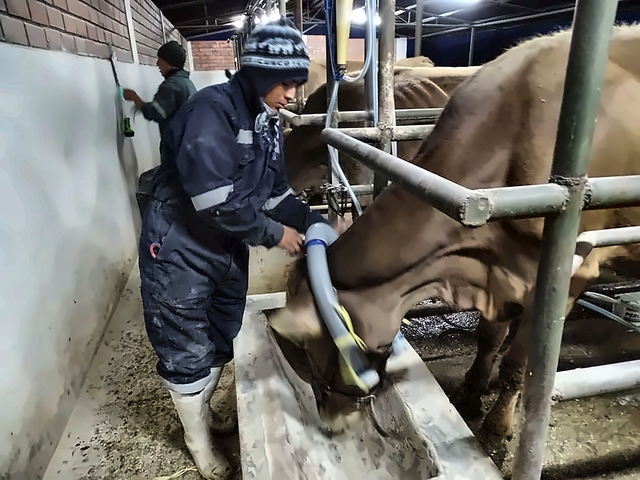
The project “Improving animal production systems with emphasis on dairy farming in the Andean Region in the context of climate change” got under way. It is funded by the Government of New Zealand, as part of its contribution to the Global Research Alliance on Agricultural Greenhouse Gases (GRA), and by FONTAGRO. The initiative is executed by IICA in Peru, with Universidad Nacional Agraria La Molina (UNALM), Bolivia’s National Institute of Agricultural and Forestry Innovation (INIAF), Ecuador’s National Agricultural Research Institute (INIAP) and Colombia’s Corpoica (now AGROSAVIA).
The project is organized into five components:
- Characterizing dairy sites in each country;
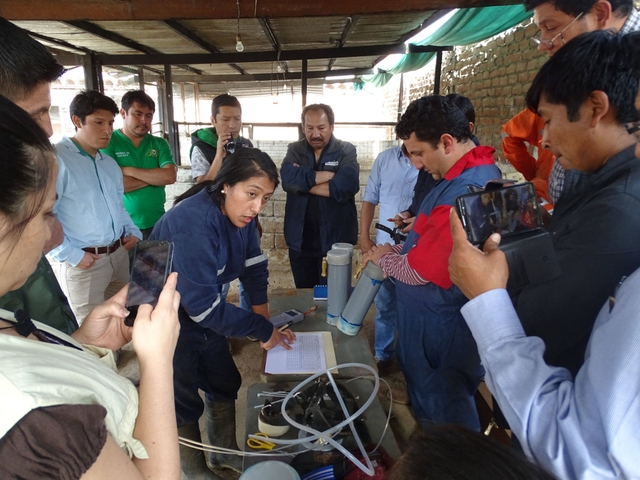
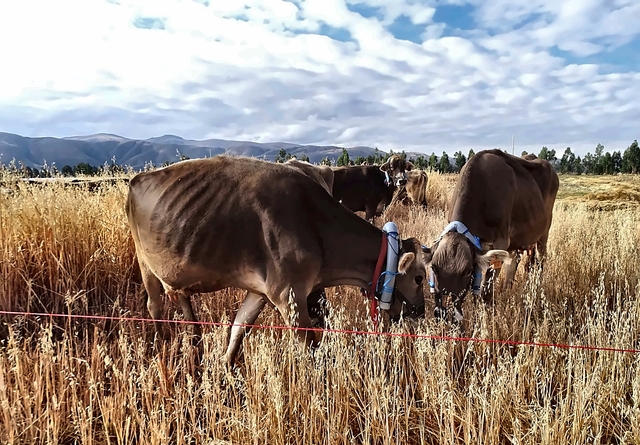
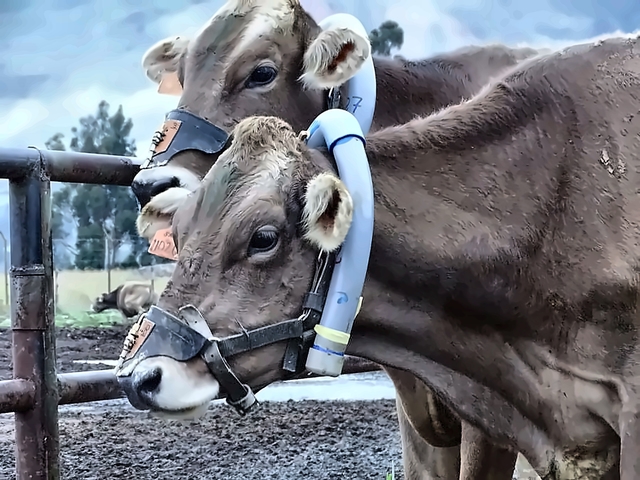
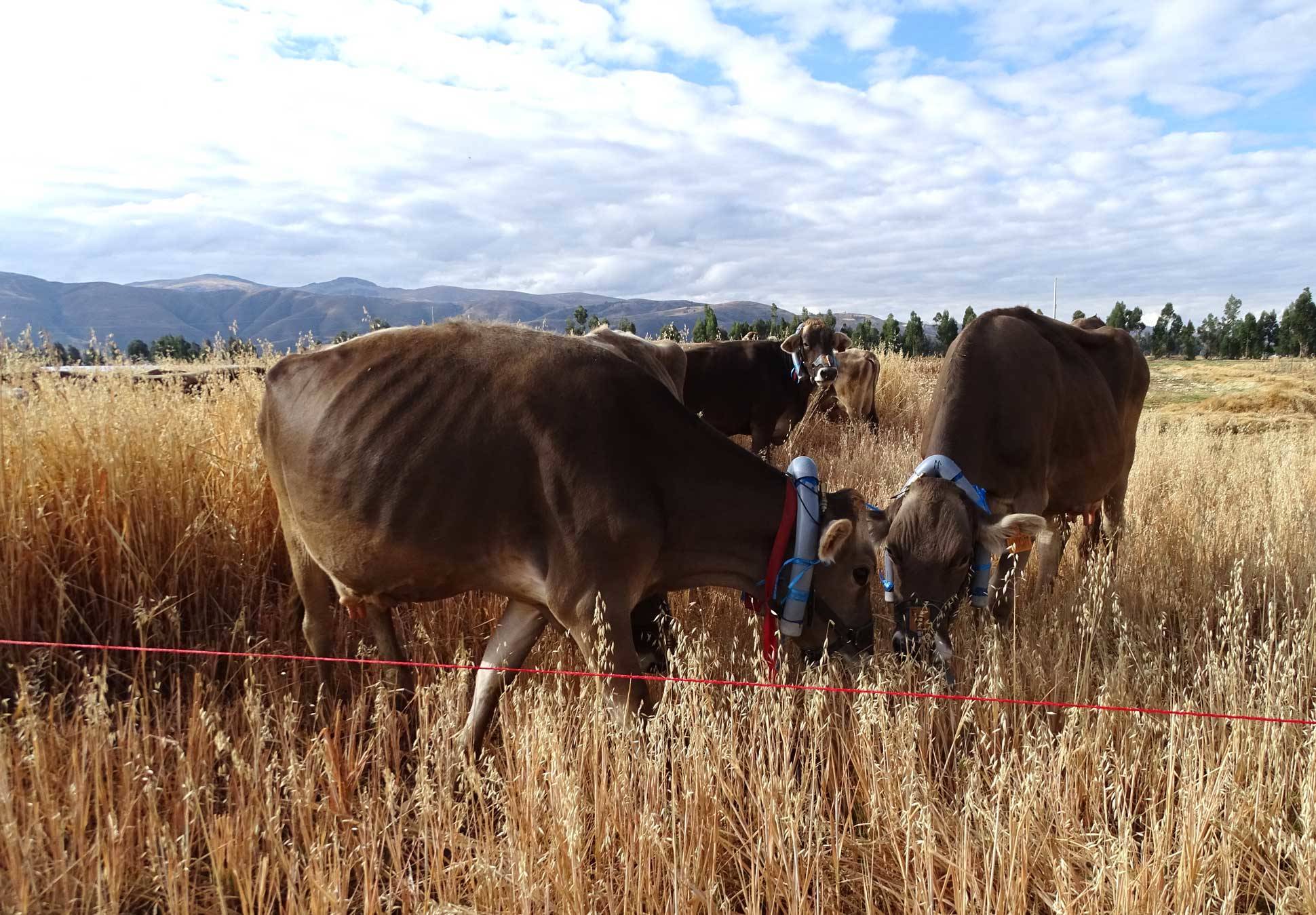
- Measuring methane and nitrous oxide emissions in traditional and improved systems;
- Assessing feeding strategies;
-Building mitigation scenarios;
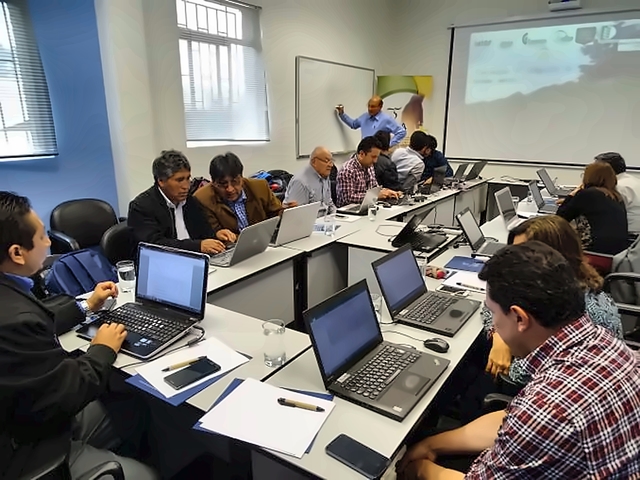
- Strengthening research capacity and the contribution to public policy.
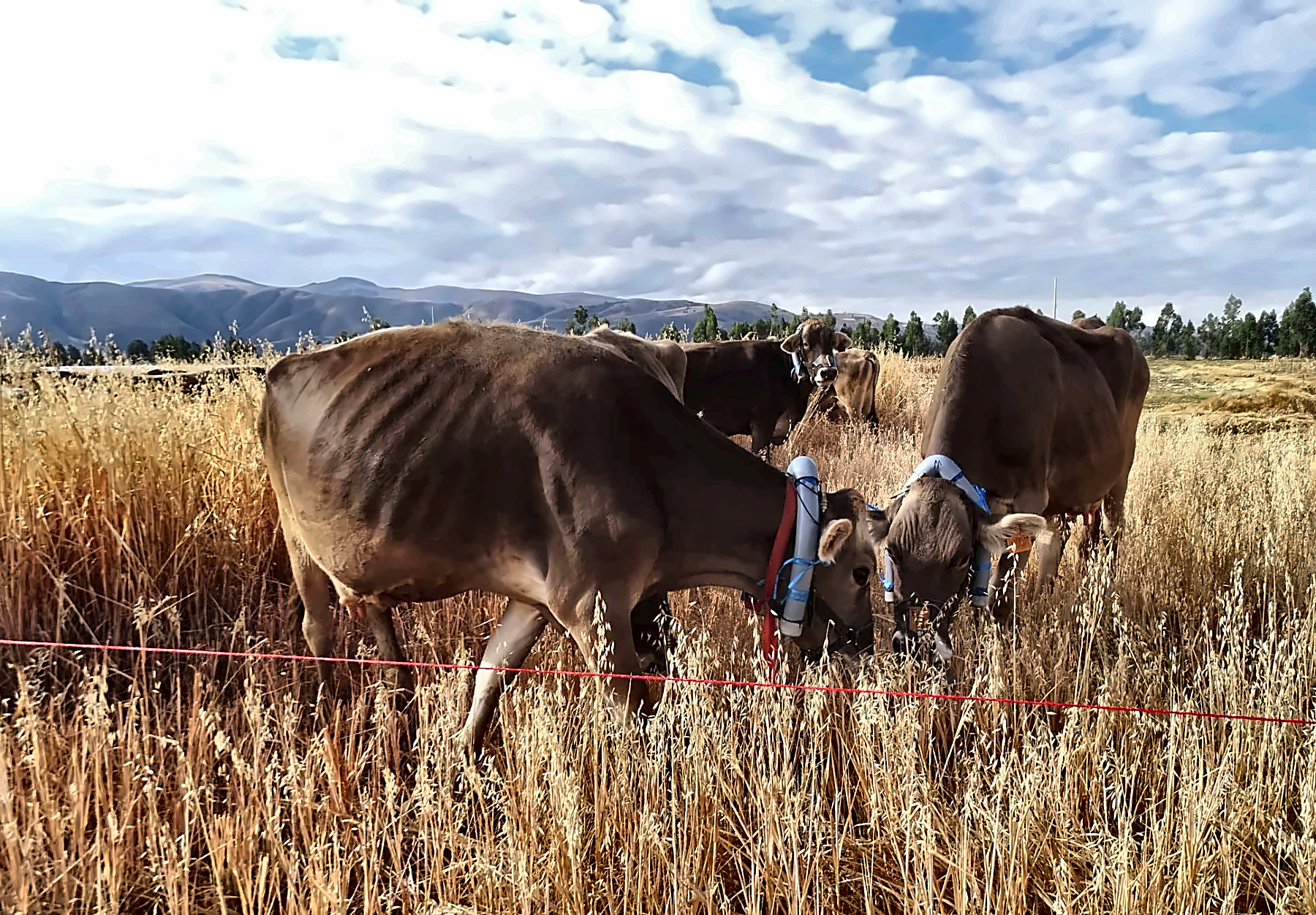
The initial characterization revealed two realities. In the Andes of Bolivia and Peru, dairy farming takes place at high altitude on native grasslands. In Colombia and Ecuador it sits at somewhat lower elevations, with more rainfall and kikuyu pastures. In both cases smallholders predominate, raising crossbred cattle between 2,500 and 4,200 meters above sea level.