Pastoral farming contributes 46% of GDP and is key to food and social security in LAC. Tools that improve their efficiency are needed to increase their profitability and sustainability.

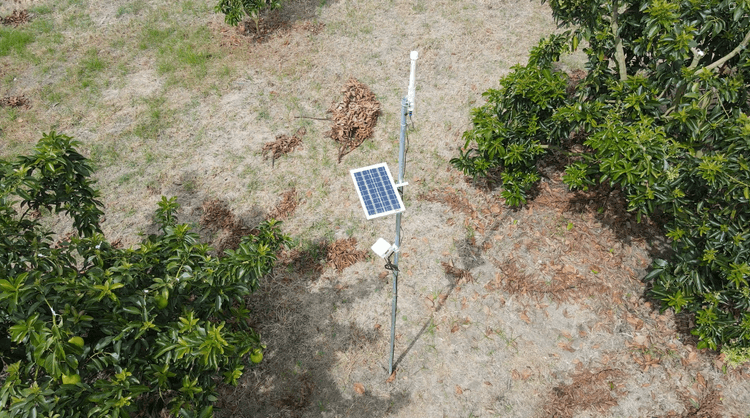
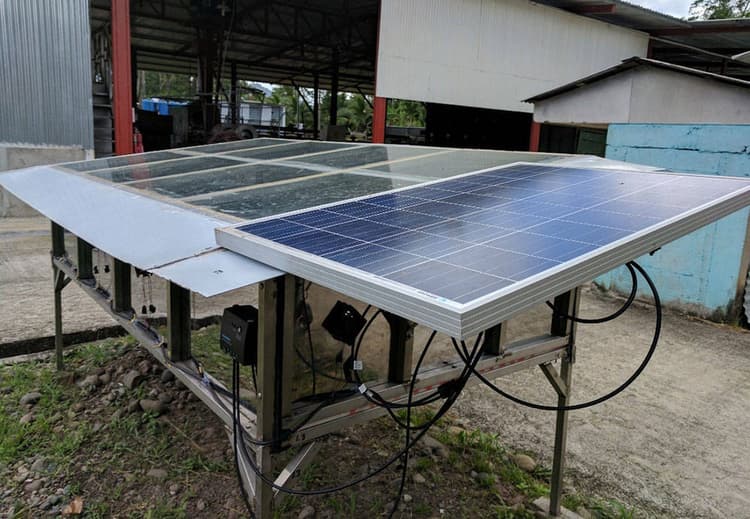
Remote sensors allow monitoring large areas and have information in almost real time
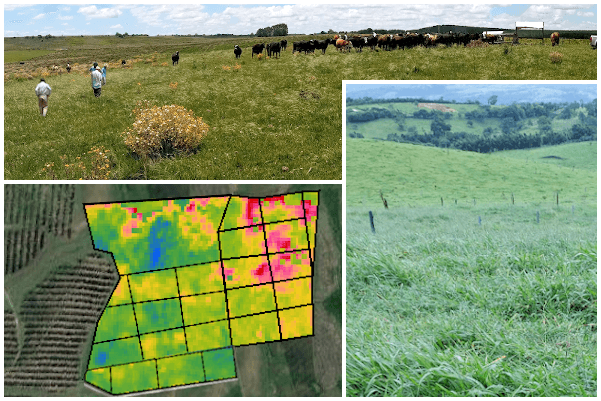
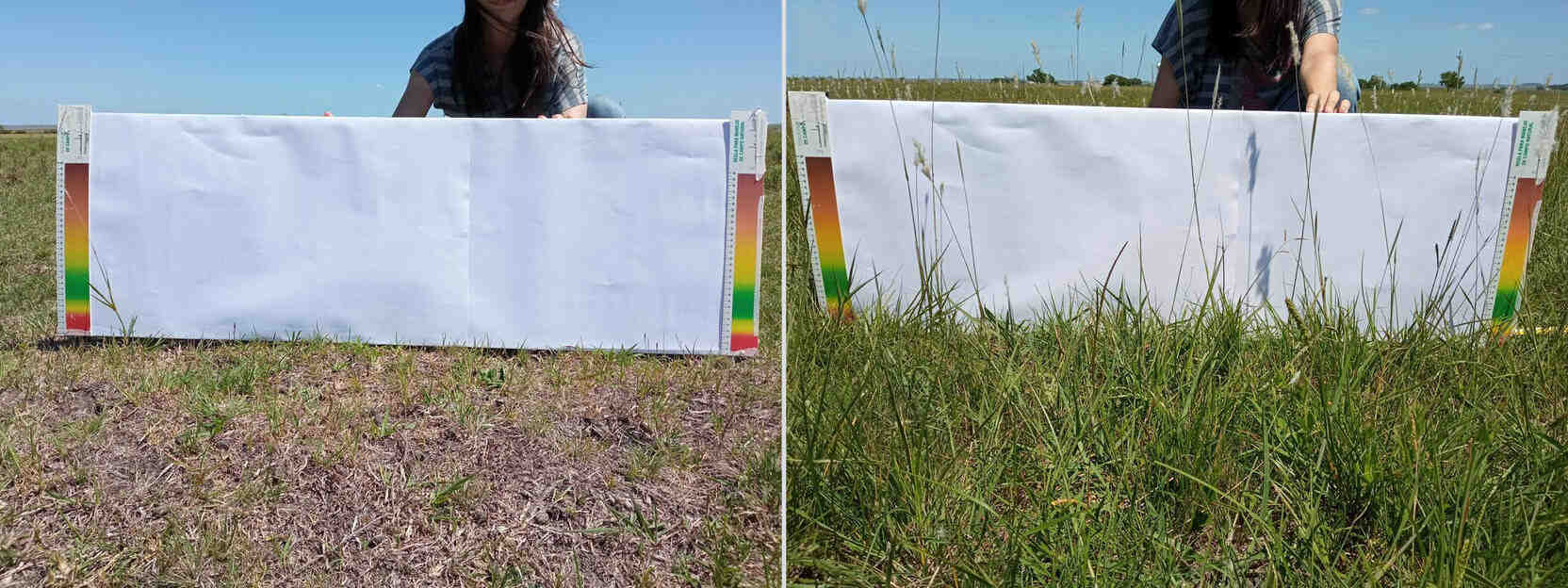
"The profitability and efficiency of pastoral livestock systems depends largely on making management decisions based on the quantity and quality of forage. "— Beukes et al. 2019 (doi:10.1071/AN17166)
 Diagnostic MethodAppliedTechnological-Organizational-InstitutionalCattle raising
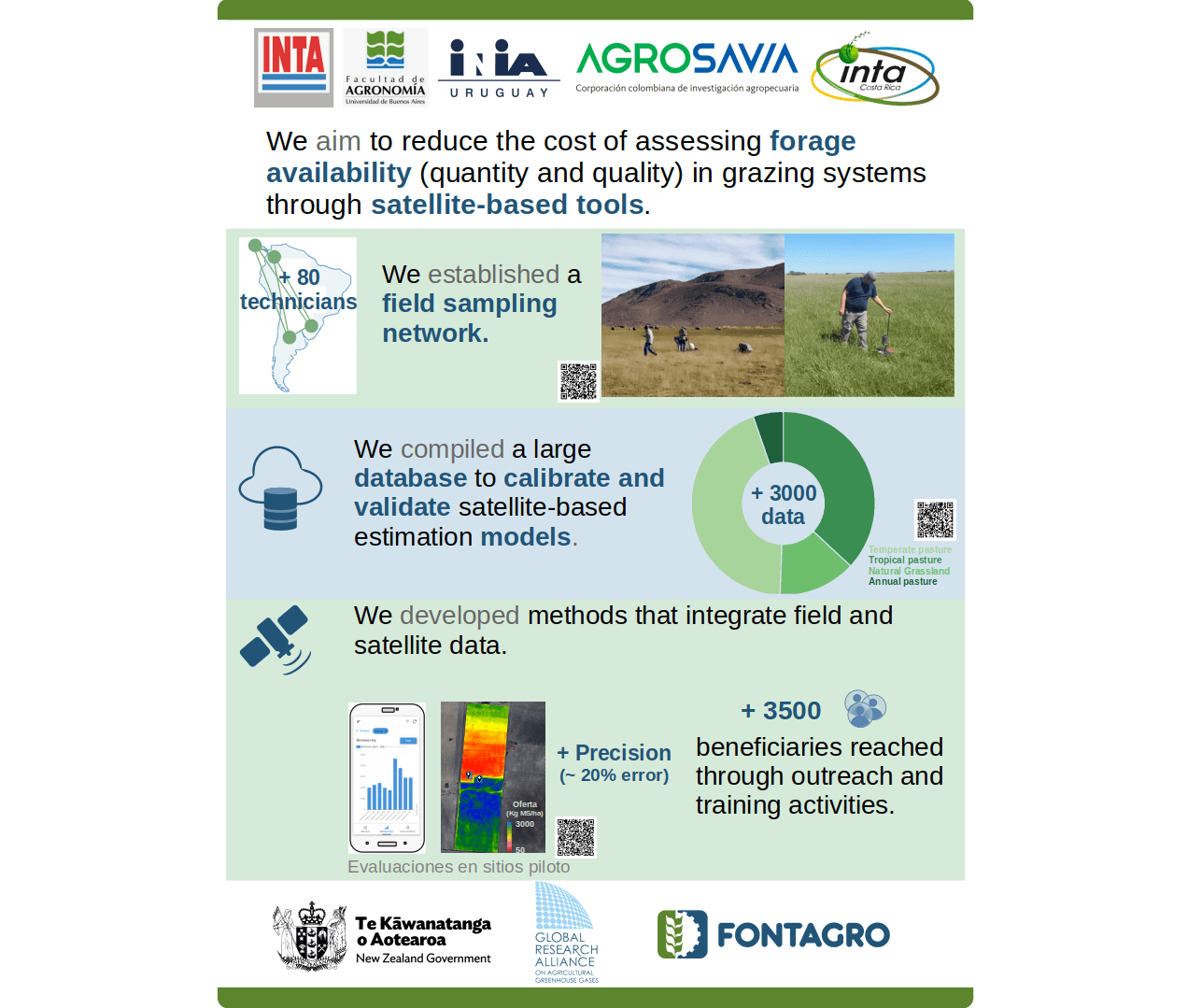
The regional monitoring network in Argentina, Colombia, Costa Rica and Uruguay produced an open-access metadata database of about 3,600 records, integrated into an automated digital workflow. These data were used to evaluate Sentinel-based machine learning models: forage quality (crude protein) showed more consistent and generalizable relationships than biomass, whose spatial and temporal variability guided the development of two tools combining satellite and field data. The first optimizes sampling by measuring only at points with extreme spectral index values; the second estimates forage stocks in real time by combining residual biomass measurements with growth models. Both were validated on working farms, with operational errors of around 20%. Dissemination and training activities reached more than 3,500 participants.
Relevant data








Argentina

Costa Rica

Argentina

Uruguay

Colombia



The Tangible Impact of Science and Technology in the Field

 Impact
 Initiatives
 Dashboard
 Alliances
 Impact
 Initiatives
 Dashboard
 Alliances