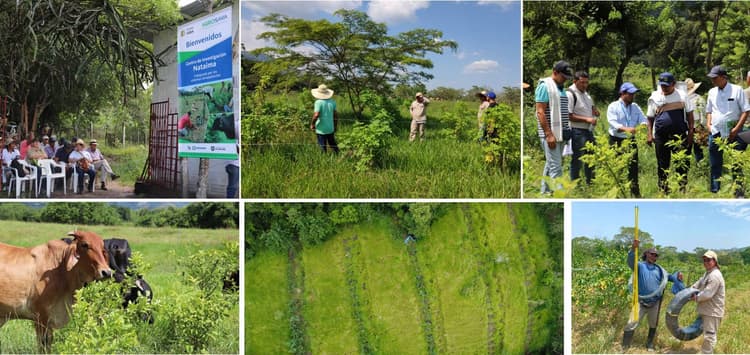
Many family farmers depend on the fruit sector in Colombia, Ecuador and Peru. To compete in the market, fruits must have a long shelf life, be free of harmful contaminants and be produced in environmentally friendly conditions. Increasing the quality and the supply of fruits implies overcoming phytosanitary, research, technical assistance, infrastructure, price volatility, and credit access challenges, among other issues. How to develop and validate innovations that allow the sustainable intensification of fruiticulture to respond to these challenges in the context of climate change?
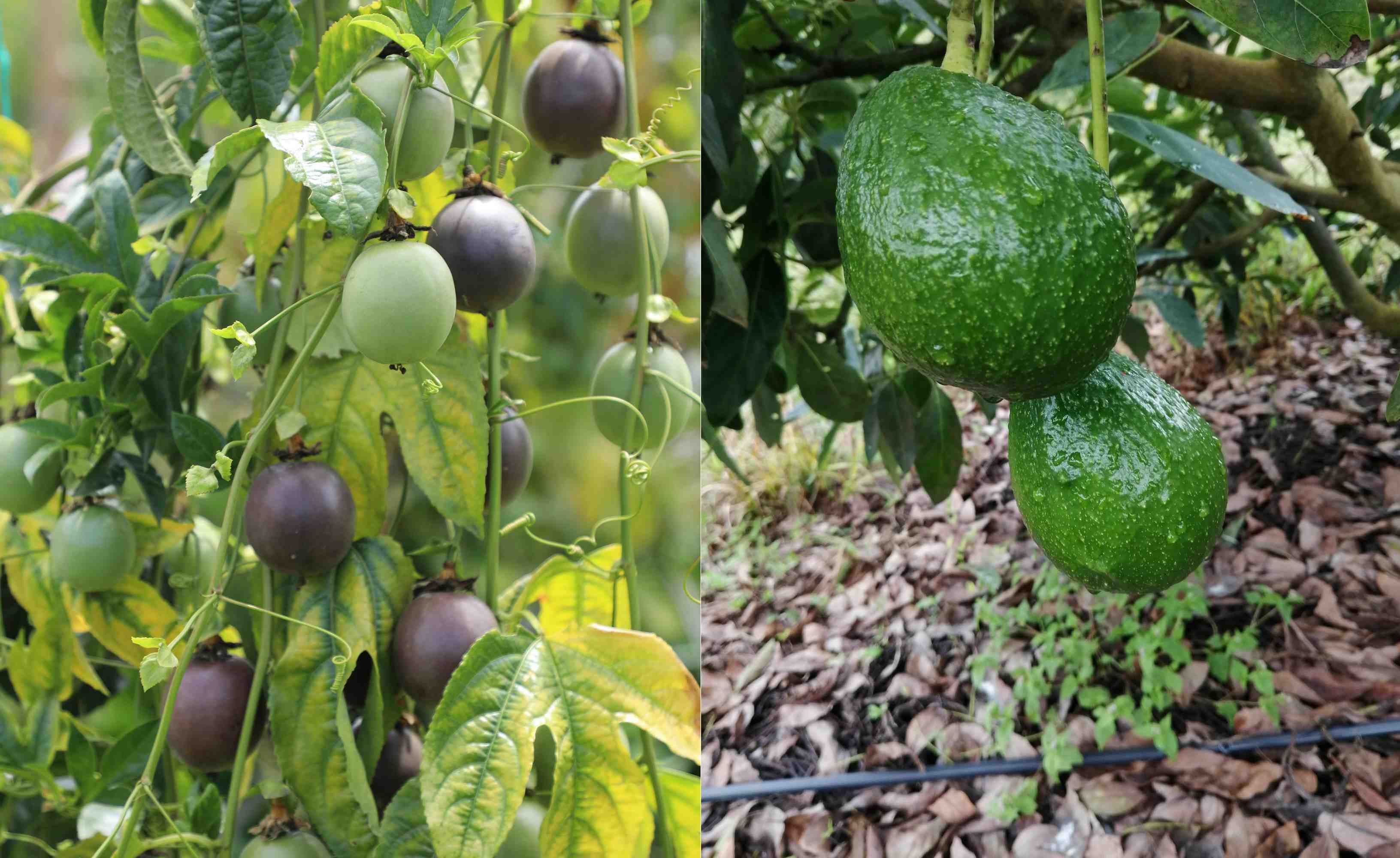
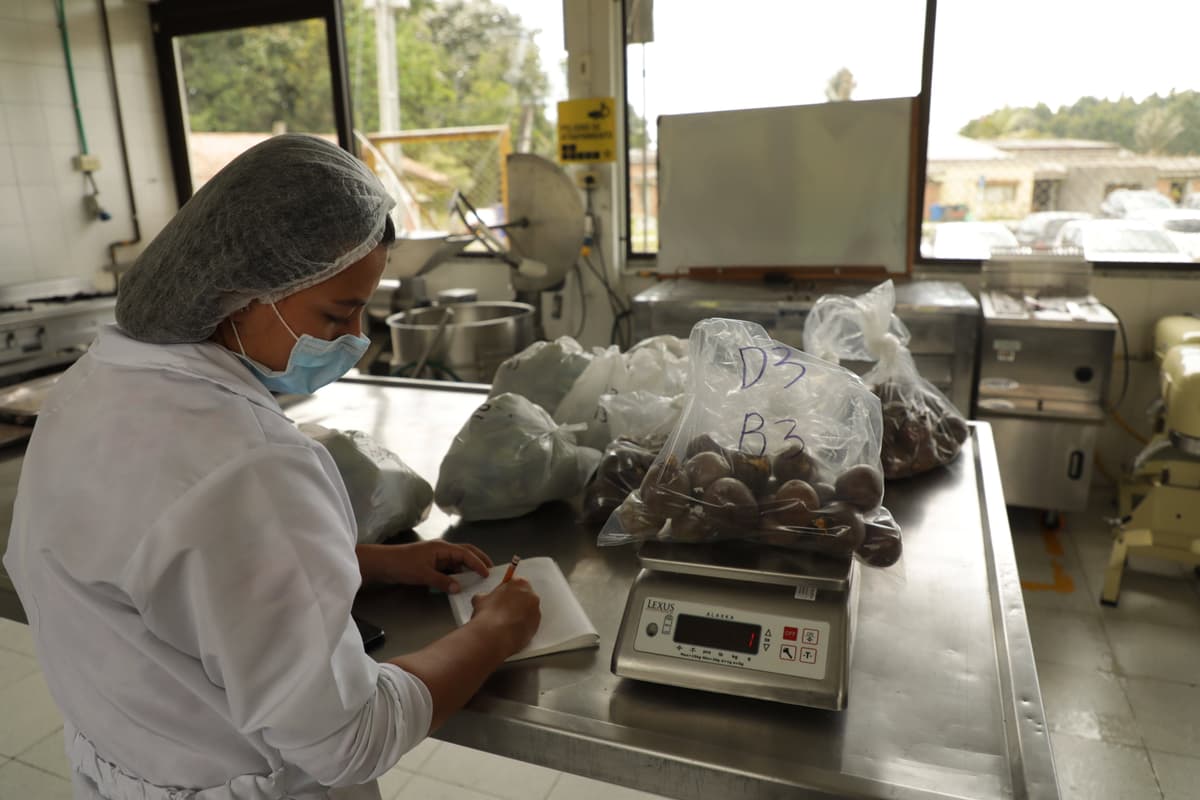
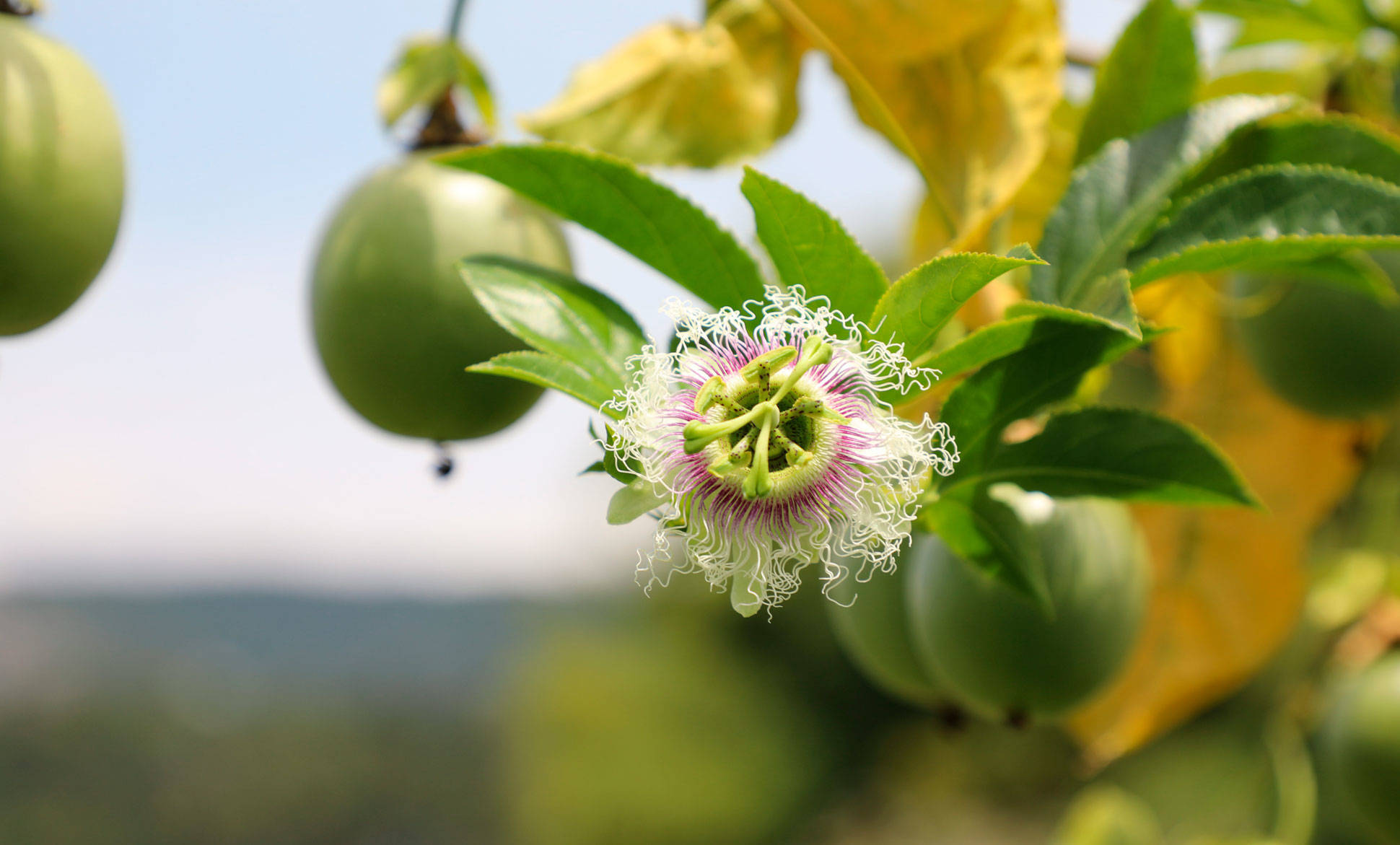
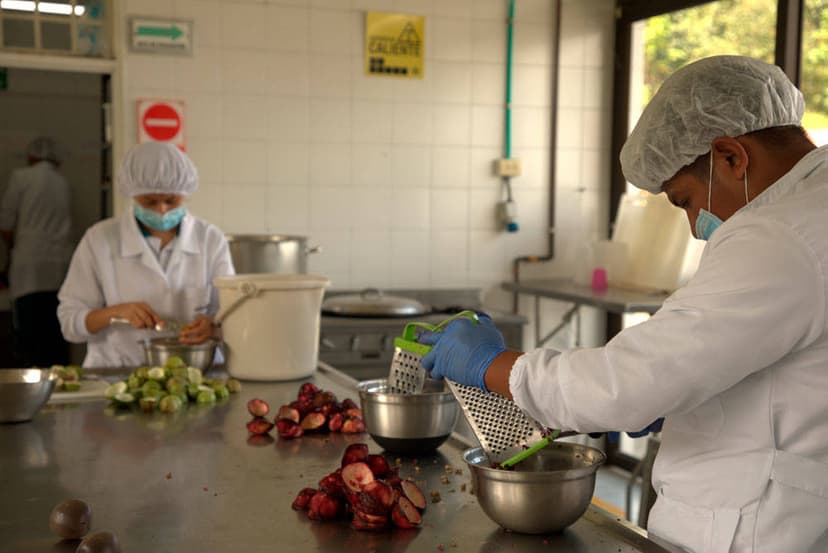
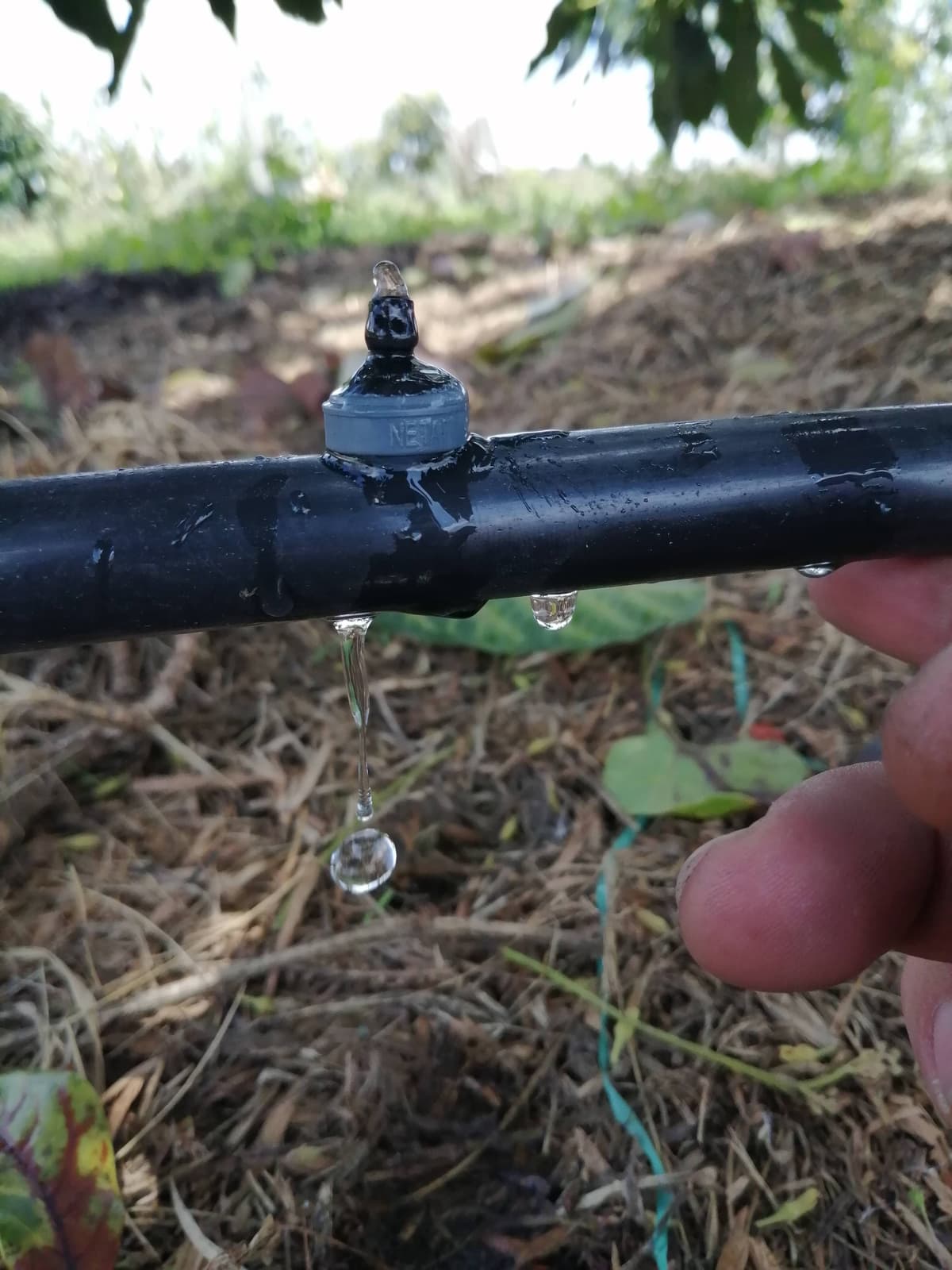
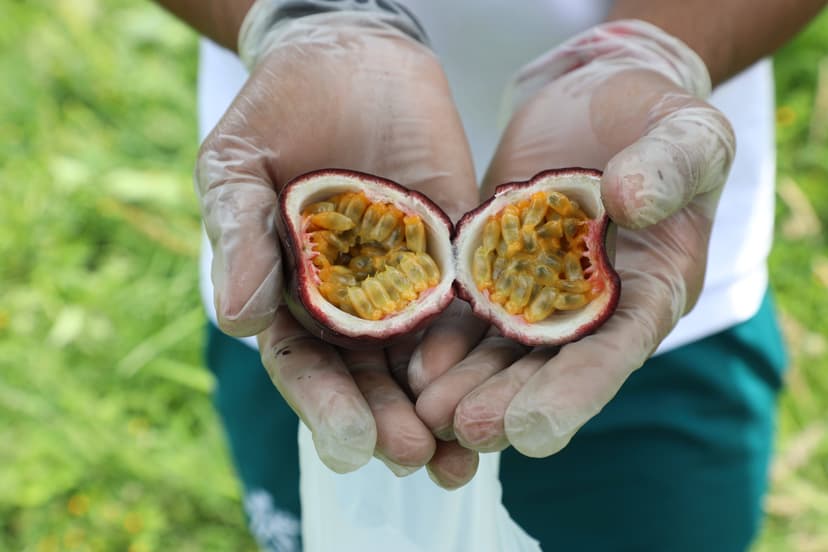
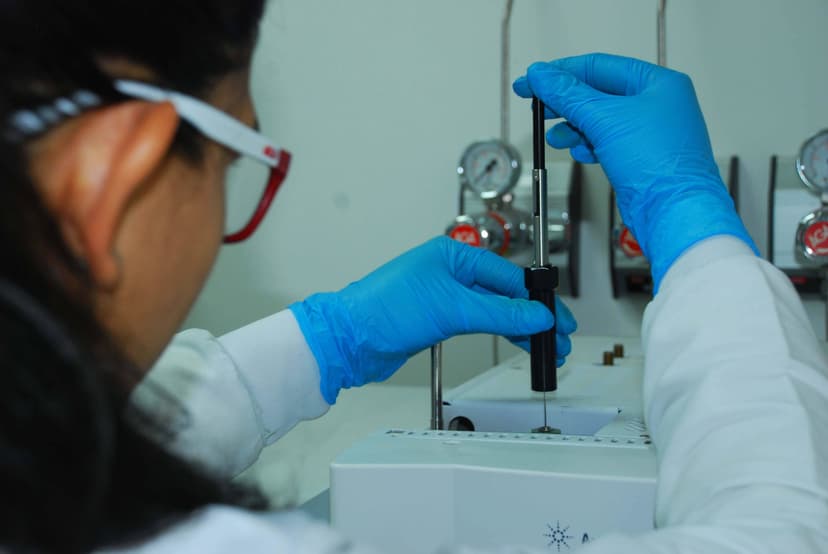
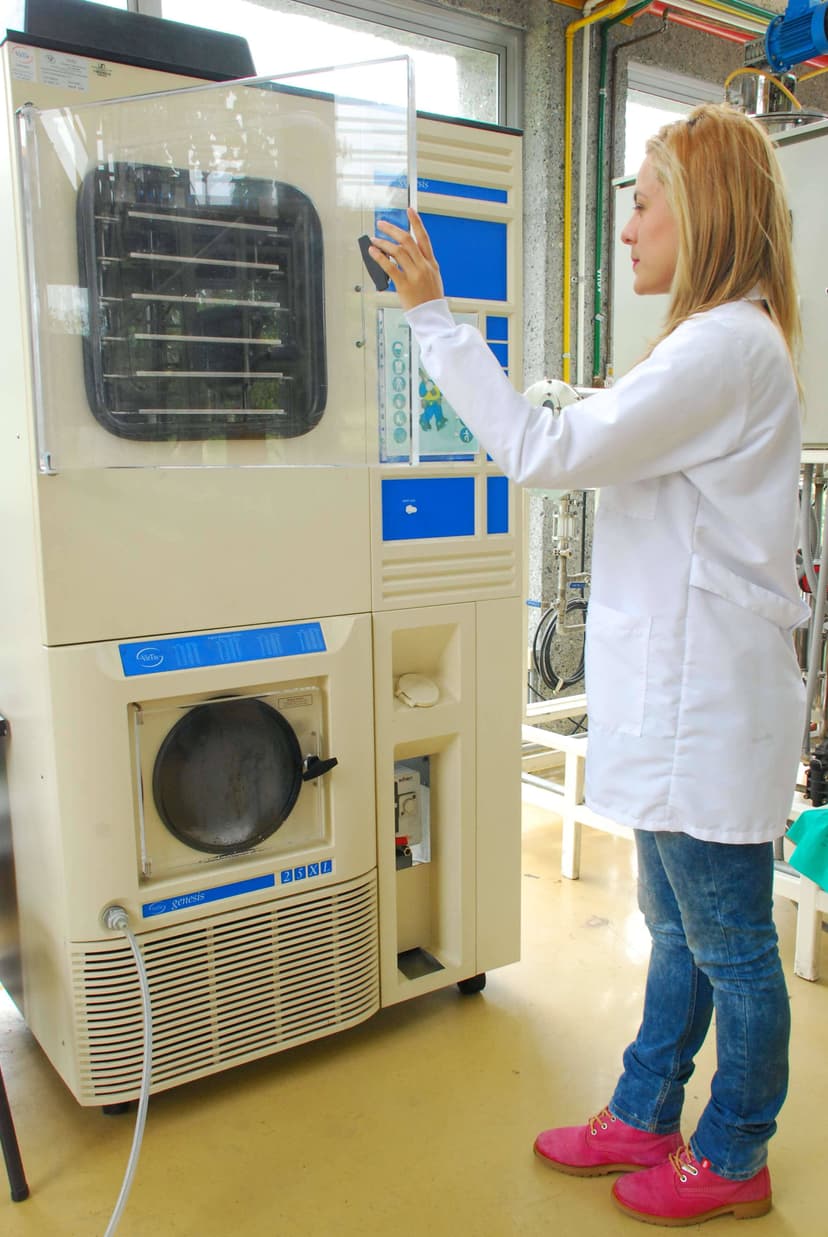
The Hass avocado (HA) and granadilla (G) seedlings and plants provided optimal fruit under fertigation, with early fruiting and higher productivity compared to control crops. Also for HA and G, 2 consortia of microorganisms increased the absorption of nutrients in vigorous and healthy plants. The adjustment of pesticide-free periods in HA reduced rejections in commercialization. Three promising passion fruit materials were validated. During post-harvest, shelf lives of fresh fruit were determined and that of avocado was prolonged using modified atmospheres. The shelf life of frozen HA pulp was measured. In transformation, following market analysis, numerous products derived from fruit or their residues were designed, some with scaling studies, production costs and environmental impact, and others reached the market. In addition, circular economy schemes such as fruit waste biorefineries were proposed. The aforementioned has been transferred to fruit chain stakeholders, and divulged to researchers and the wider society.
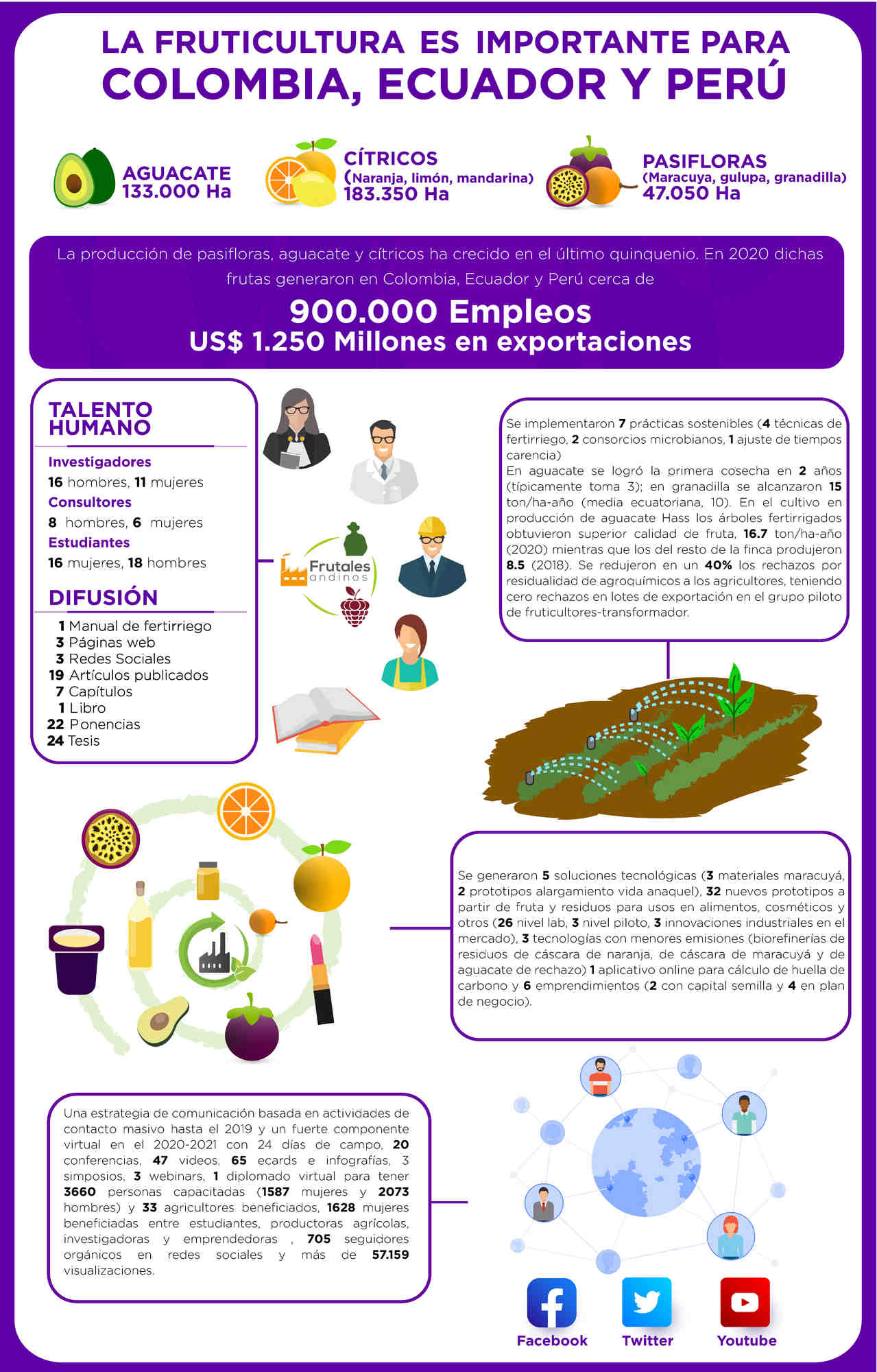
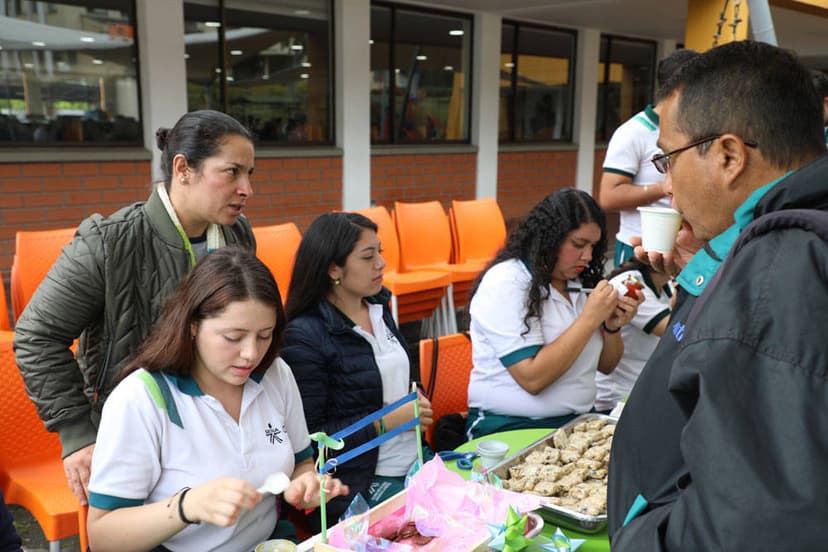
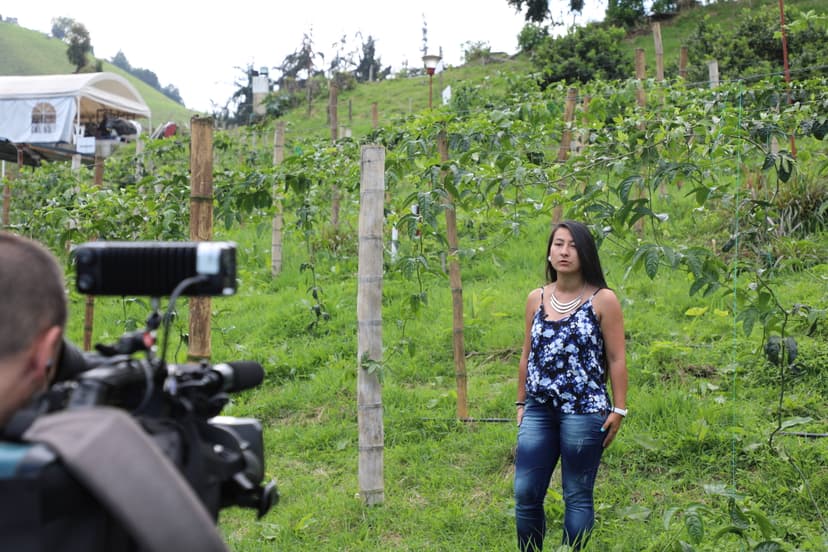
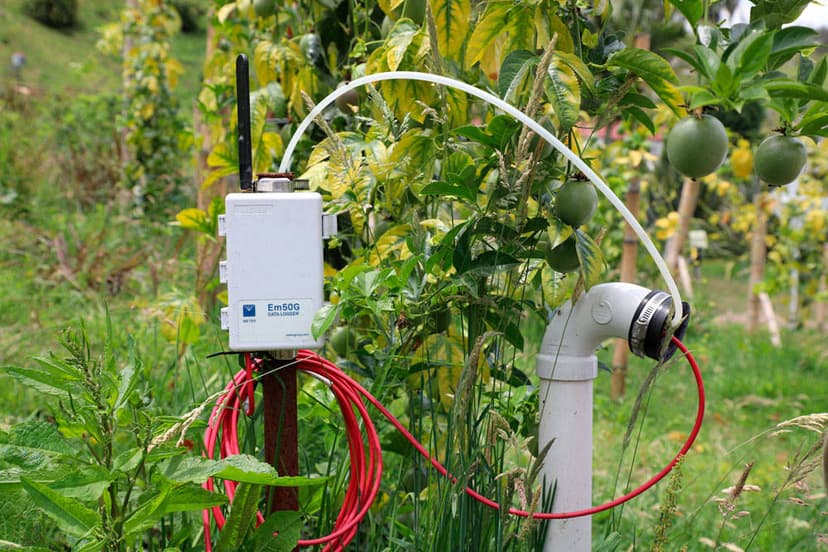
Four fertigation technologies that have enabled reaching 15 tons / ha-year in granadilla (G) (mean Ecuador, 10), 16.8 in Hass avocado (HA) (vs. 8.5 fert.-edaphic). Two soil-plant-water climate databases. Three sustainable agr.practices, 6 studies of shelf life, 2 of processed fruit; 2 shelf life lengthening methods for G and HA and 3 new passion fruit materials. One study of fresh / processed fruit markets. Lab prototypes, 19 foods, 3 cosmetics and 4 materials. Three piloted prototypes; 3 products in the market. Two carbon footprints of HA / passion fruit, with software design for its calculation. Three biorefineries were evaluated, 24 articles were written (19 published and 5 submitted), 22 papers, 9 posters, 9 book chapters, 24 theses and 1 book. Events: 2 fairs, 3 symposia, 20 conferences, 3 webinars, 22 field days, 1 diploma for 3,660 participants (1,587 women). Virtual products: 65 e-cards and infographics, 47 videos and 1 webstory, with 57,150 views
Andean fruit productivity and competitiveness project at a glance




 Value chain












 Impact
 Initiatives
 Dashboard
 Alliances
 Impact
 Initiatives
 Dashboard
 Alliances

.jpg&w=1200&q=75)





.png&w=750&q=75)