By 2050 the world will need 60% more food to meet the needs of a growing population. 70% of the water that is extracted in the world is used in agriculture. In many countries, efficiency of water use is less than 50% and, worldwide, more than 330 million hectares have irrigation facilities. Irrigated agriculture represents 20% of the total area and contributes 40% of global food production. The FAO projects that by 2050 the world's water needs for agriculture will have increased by 50% in order to meet the growing demand for food.
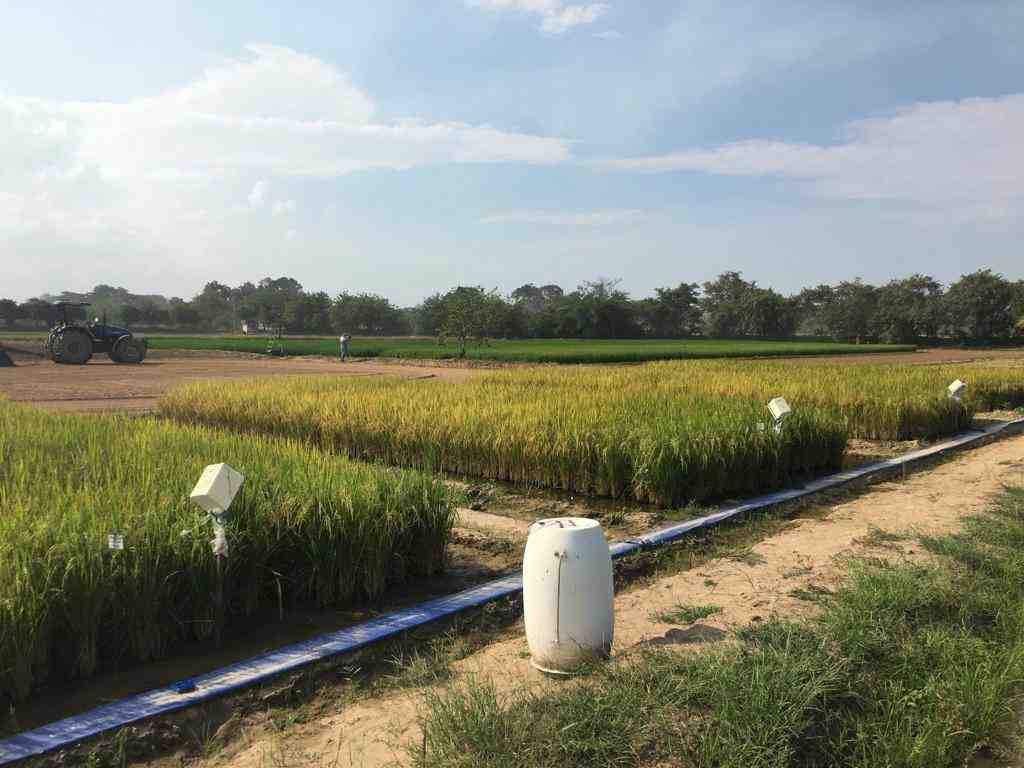
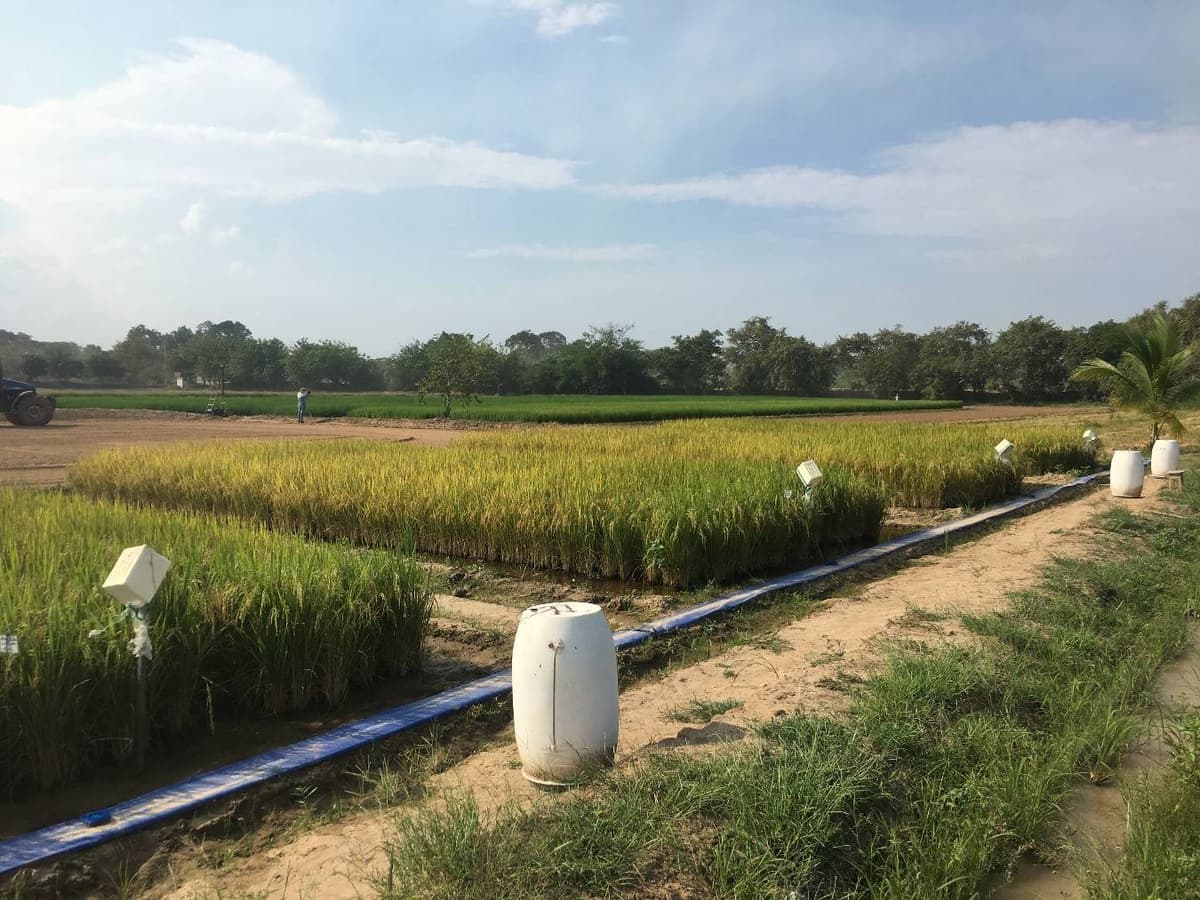
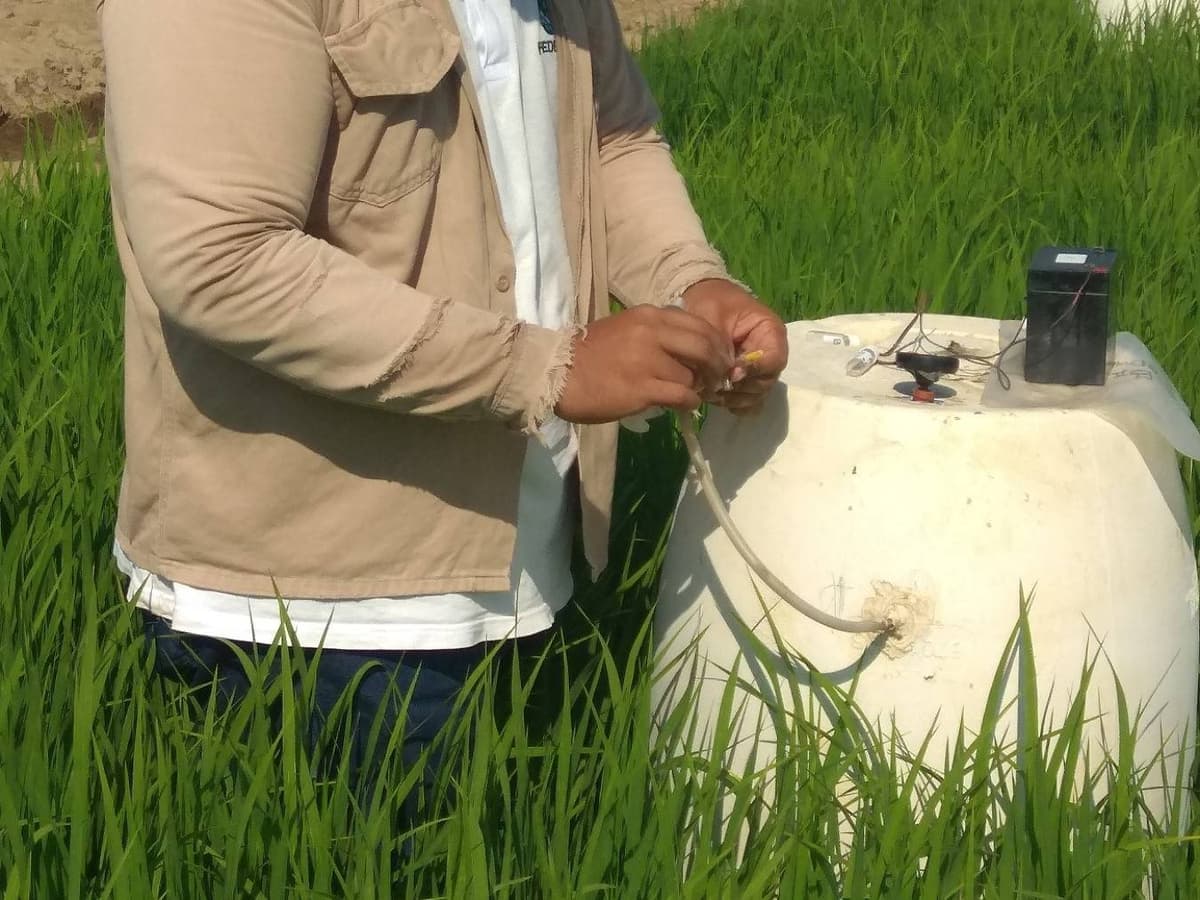
The management practice of intermittent irrigation, applying technologies to alternate wetting and drying (AWD), can increase water use efficiency while reducing GHG emissions without significantly affecting yield. This may be related to changes in the redox reactions of the soil and possibly to the decrease in methanogenic bacteria. In the case of N2O, it is necessary to continue evaluating factors that influence emissions, for example fertilization. Within the framework of this project, three different localities are evaluated: Saldaña in Colombia, Ferreñafe in Peru and Parral in Chile. During the first two years, experimental plots were established contrasting conventional irrigation management (control) with two AWD alternatives (AW1 moisture decrease to 5cm and AWD 2 to 10cm, with reference to the soil surface). Finally, the validation of the AWD 1 technology was carried out on farmers' farms in the three countries.
- Regarding GHG, there are dissimilar results between countries, treatments and evaluation cycles. For Colombia, there were reductions between 68% and 100% in the accumulated net flows of CH4 and from 3% to 100% in the accumulated net flows of N2O; Chile presented a decrease in methane between 16% and 37% and between 8% and 26% in N2O. In the case of Peru, a methane reduction of between 37.8% and 93% was obtained, with an increase in the emission of N2O.
- There were differences in the reduction in water use compared to the control: in Colombia it was between 18% and 42%, in Chile between 3.5% and 28.9% and in Peru between 15% and 23%.
- It has been shown that rice yields remains stable.
- 9 validation demonstration plots were established, in approximately 14 hectares where the AWD technology was disseminated, for farmers and other rice sector stakeholders of the three countries.
-20 events have been held with 1,769 participants





 Agronomic Practices





.JPG&w=828&q=75)







 Impact
 Initiatives
 Dashboard
 Alliances
 Impact
 Initiatives
 Dashboard
 Alliances
.JPG&w=1200&q=75)
.JPG&w=1200&q=75)


.jpeg&w=828&q=75)




.png&w=750&q=75)