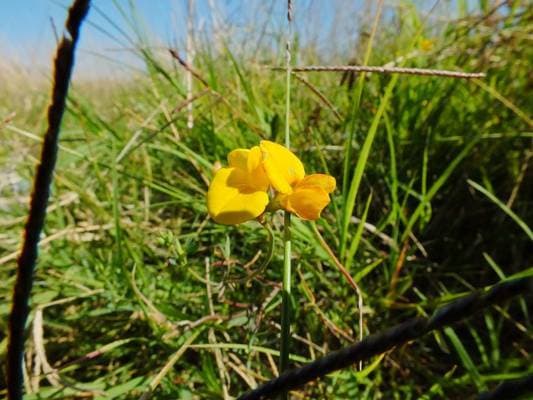
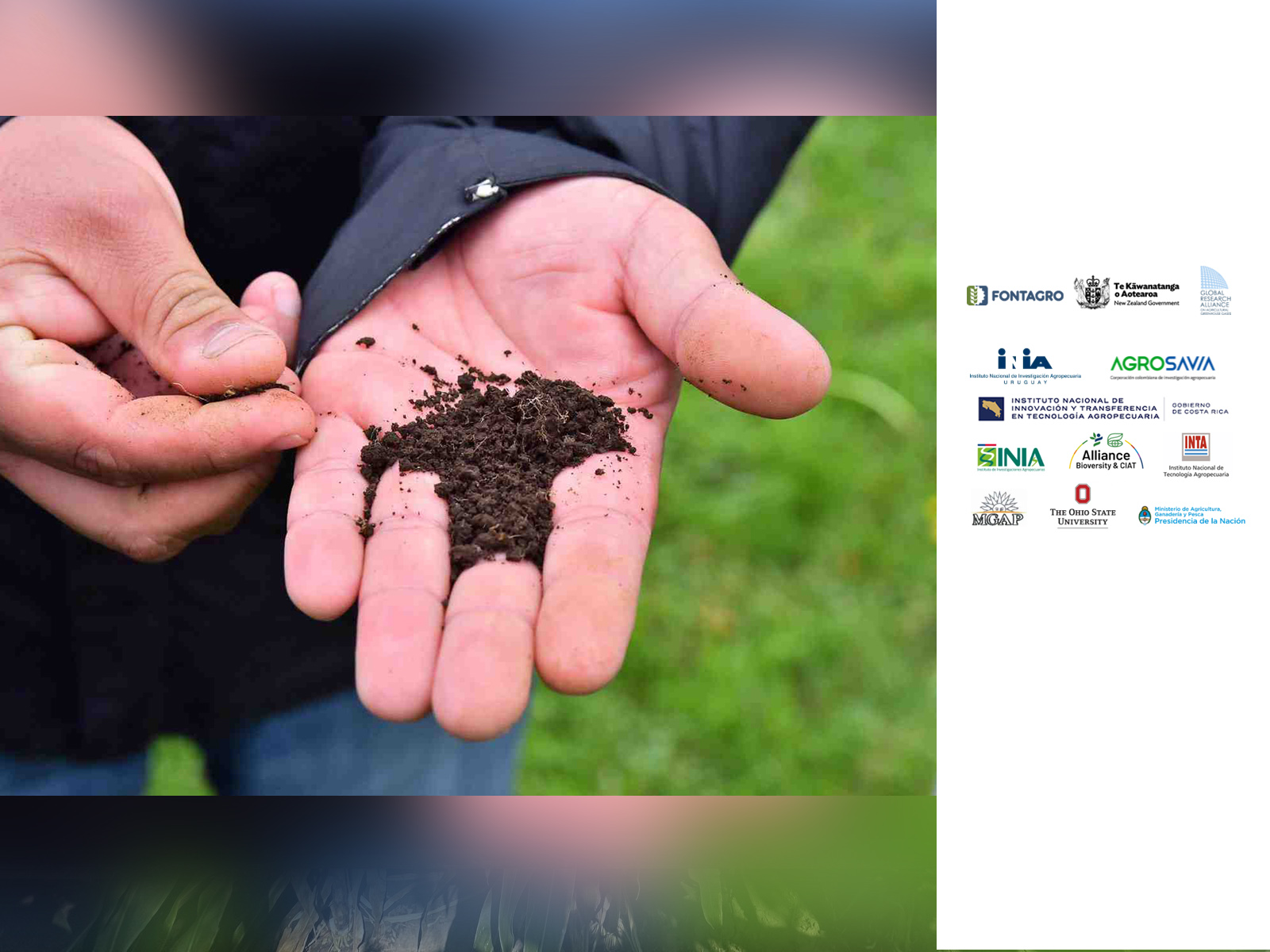
The sequestration of organic carbon in soils (SOC) used in agriculture is a viable option for mitigating greenhouse gas (GHG) emissions and increasing the climate change resilience of these systems.

Organic carbon is the principal indicator of the quality and productive potential of the soil and, at the same time, is the largest carbon pool in the biosphere.
The objective of this project is to contribute to the design of land use and management strategies with high potential for SOC sequestration in the agricultural production systems of LAC, and to generate capacities in LAC for the quantification and monitoring of the SOC stock.
How can we increase SOC stocks? At what rate and for how long?
Where should SOC storage be prioritized?
How do we estimate potential carbon gains?
What agricultural practices should we implement?
.png&w=1200&q=75)
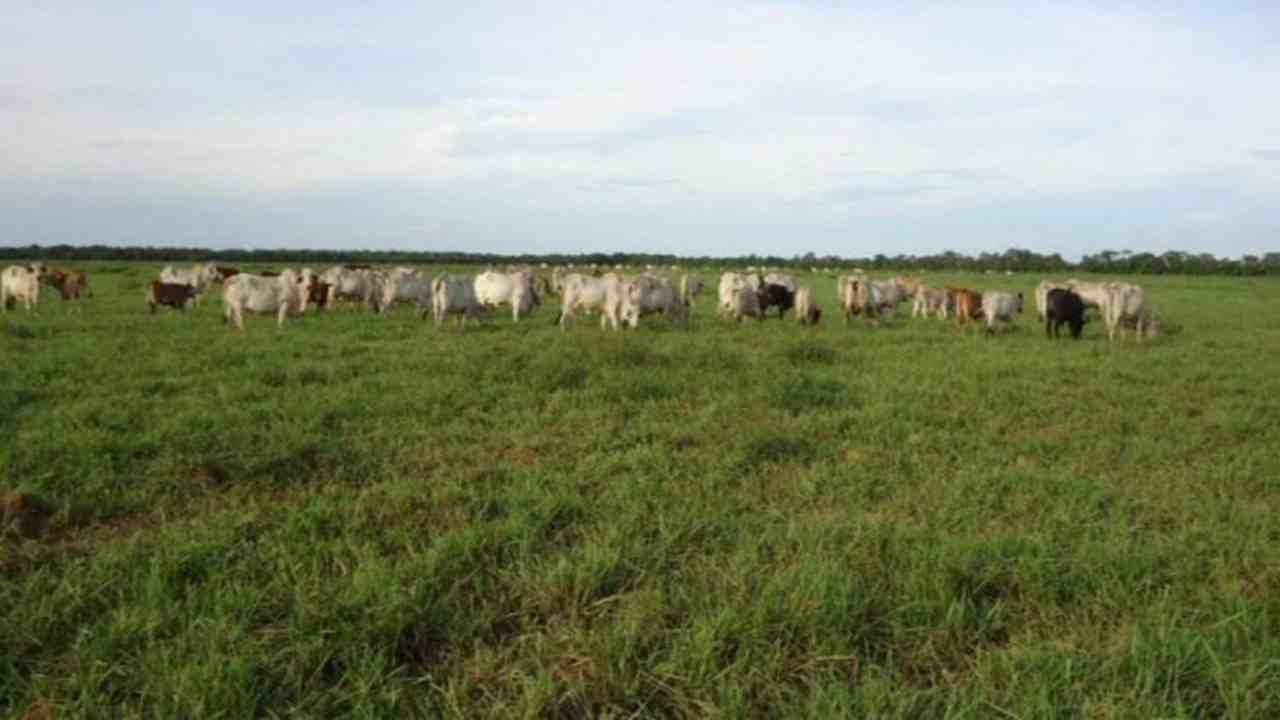
"Optimizing productivity, producing more with less, protecting soil, water and carbon sequestration capacity is the best option for balancing the need to expand agricultural production with environmental conservation."— Rattan Lal (2024)
 Diagnostic MethodAdaptativeTechnologicalCattle raising
A database and reference framework on SOC change rates is now available, addressed to the agencies in charge of reporting the national GHG inventories in each country and for those agencies involved in the generation of NDCs and NAMAs.
A SOC sequestration opportunity with potential for implementation as a NAMA has been identified, including an assessment of its potential economic and environmental impact, for each of the five LAC countries participating in the project.
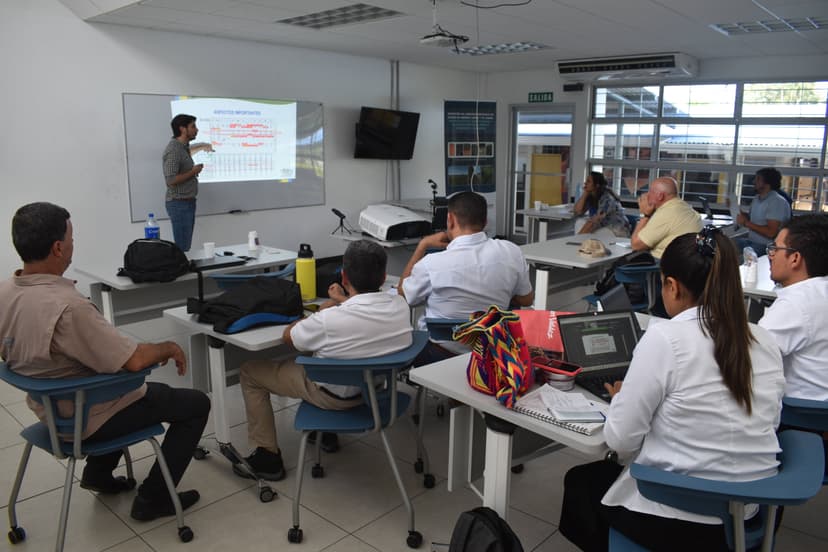
Staff from the five participating countries have been trained to update their SOC stock and stock-change reports with the quality and within the timeframes required according to international agreements, and the reference material developed throughout the three workshops is available for future consultations.
Relevant data








Colombia

Uruguay

Chile

Argentina

Costa Rica



The Tangible Impact of Science and Technology in the Field

 Impact
 Initiatives
 Dashboard
 Alliances
 Impact
 Initiatives
 Dashboard
 Alliances









.png&w=750&q=75)